Modern graphics cards are essentially powerful, independent computers living inside your desktop machine.
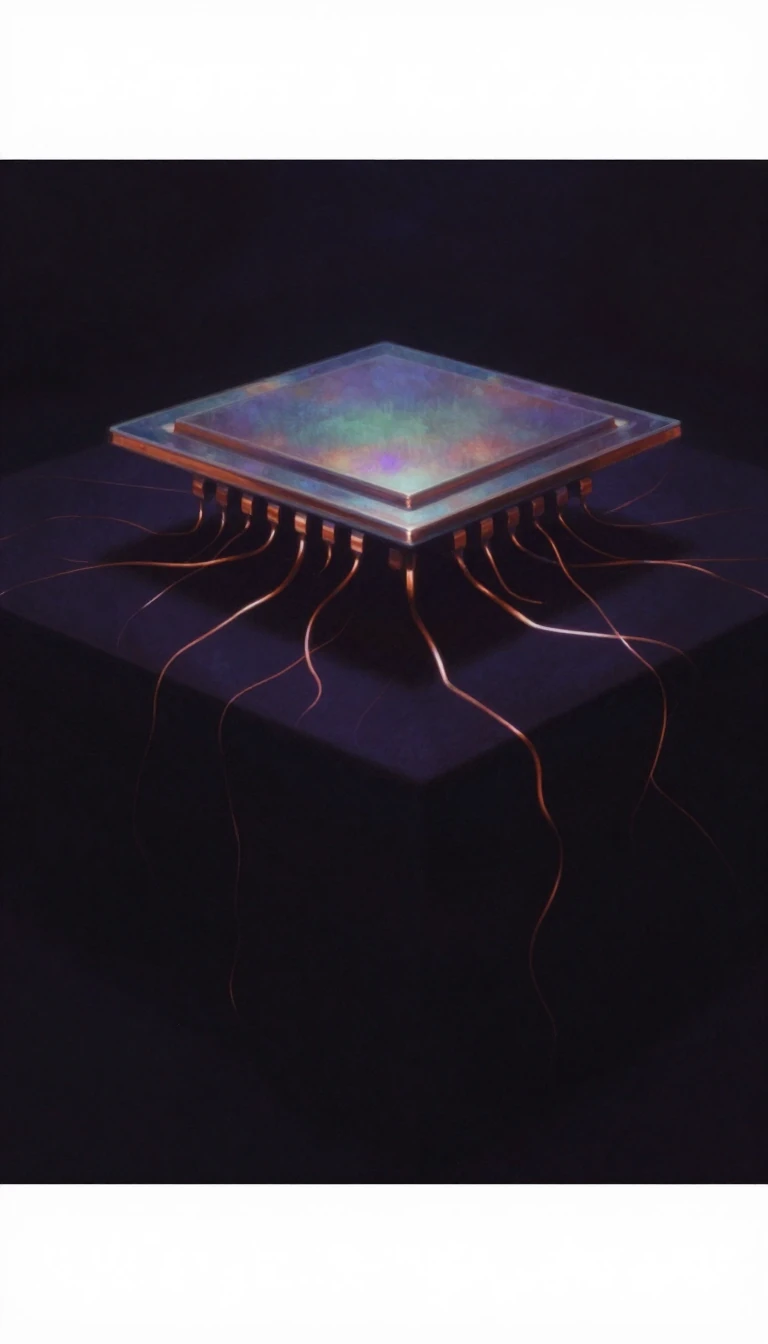
In short: Originally designed to simply output images to a monitor, the graphics card has evolved into a multifunctional powerhouse. Today, these components handle everything from complex 3D rendering and AI training to cryptocurrency mining, often consuming more power than any other individual part inside your computer.
A graphics card—often called a graphics add-in board (AIB)—is a specialized expansion card built around a graphics processing unit (GPU). While the GPU performs the heavy computational lifting, the card itself functions as a self-contained computer, featuring its own dedicated memory, cooling systems, and power regulators. This modular design allows users to offload demanding tasks from the central processor, significantly reducing memory-bus contention and boosting performance in gaming, video editing, and 3D animation.
The industry has shifted dramatically since the 1990s. Early hardware required separate cards for 2D and 3D rendering, a limitation overcome by the 1997 release of the NVIDIA RIVA 128, which integrated both on a single chip. Today, the market is a duopoly dominated by AMD and Nvidia. These companies design the core chips but also compete with their own partners—the 52 AIB suppliers like ASUS, MSI, and Gigabyte—who manufacture and brand the final cards sold to consumers.
As performance demands have soared, so has the physical and electrical footprint of these cards. High-end models like the RTX 4090 can exceed 300mm in length, often requiring support brackets to prevent 'GPU sag' that could damage the hardware over time. Power consumption has reached extreme levels, with some custom cards peaking at 630 watts. Because the standard PCI-Express slot is limited to 75 watts, modern high-performance cards require direct connections to the power supply, necessitating robust thermal solutions like liquid cooling or advanced axial fan designs to prevent thermal throttling.
Beyond gaming, the versatility of these cards has made them essential for general-purpose computing. Technologies like CUDA and OpenCL allow developers to harness the parallel processing power of GPUs for molecular simulation and big data processing. While integrated graphics have improved enough to make low-end cards less necessary, the high-end enthusiast market continues to drive innovation, pushing the boundaries of what these modular components can achieve.
Opens the Intellect+ feed with this card first. Swipe up for the next one.
Sources
- Summary by Intellect · source: Graphics card
To cite this card, link to https://intellectplus.co.uk/app/technology-graphics-card.
How we source, check and correct cards: Editorial standards.
General information, not professional advice. Spotted an error? Flag the card or see corrections and complaints.
Intellect Plus is a visual educational discovery platform for exploring fascinating facts and ideas. Brain Food, Not Brain Rot. What is Intellect Plus?
Related
More in Computing and information technology · More in Technology · Latest · A–Z · All topics
