Why the Accelerated Graphics Port changed how computers handle high-speed 3D visual data
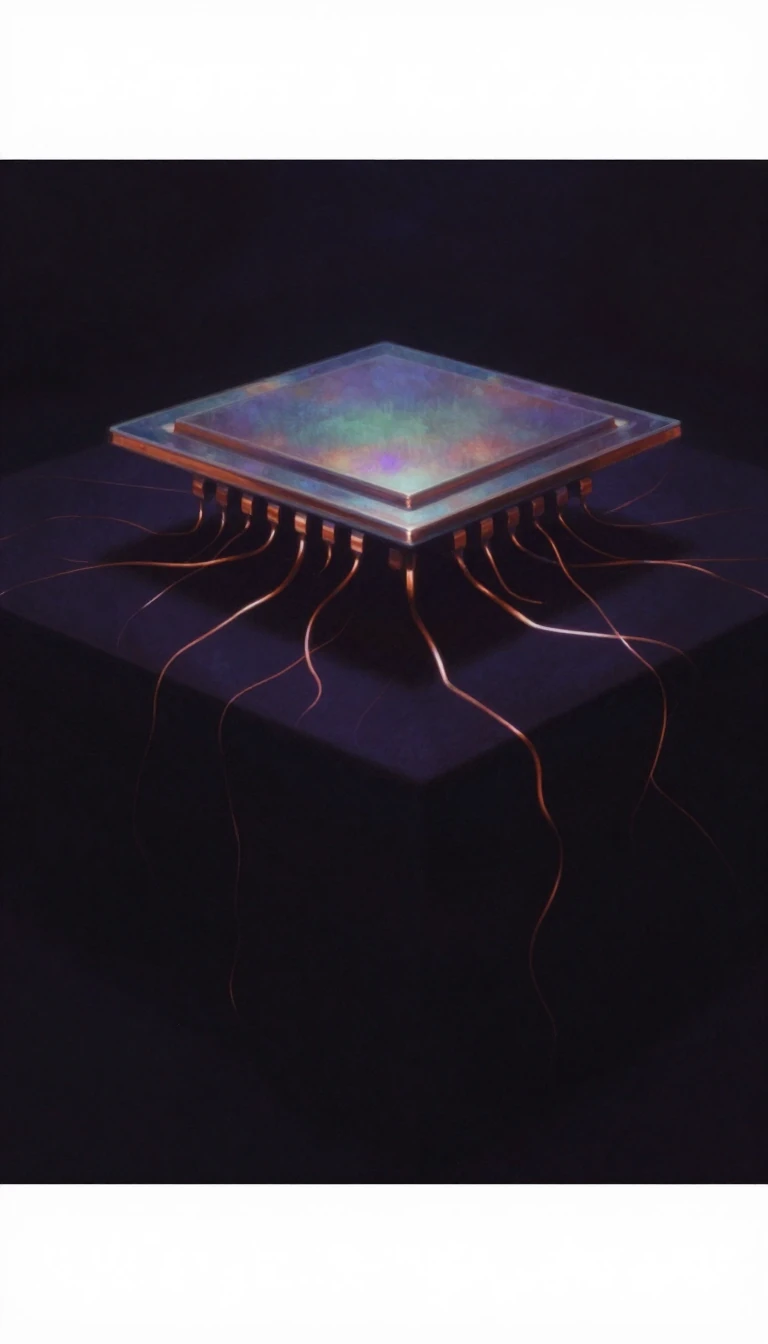
In short: Before modern standards, graphics cards choked on shared bandwidth. The Accelerated Graphics Port (AGP) solved this by creating a dedicated, high-speed lane directly to the motherboard. This innovation allowed cards to pull textures straight from system memory, forever changing how PCs rendered complex 3D environments during the late nineties.
Introduced by Intel in 1997, the Accelerated Graphics Port was designed to bypass the limitations of the traditional PCI bus. By creating a point-to-point connection between the graphics card and the motherboard chipset, AGP ensured that video data did not have to compete with other system components for bandwidth. This separation allowed for higher clock speeds and more efficient data handling, effectively turning the graphics card into the primary consumer of system resources.
The mechanism behind AGP's performance leap involved queued transactions and sideband addressing. Unlike standard PCI, which required a serial, stop-and-wait approach, AGP allowed multiple requests to be in-flight simultaneously. By separating address and data phases—and introducing an 8-bit sideband bus—the system could issue new requests while data was still flowing. This enabled the use of the Graphics Address Remapping Table (GART), allowing the graphics card to read textures directly from system RAM rather than relying solely on its own limited onboard memory.
Despite its technical superiority, AGP was eventually phased out by PCI Express (PCIe) starting around 2004. As GPU manufacturers shifted their focus to the more versatile PCIe standard, the cost of maintaining separate AGP designs and bridge chips became prohibitive. By 2010, motherboard support had largely vanished, and by 2016, even Windows 10 dropped native support for the interface. While proprietary variants like ASRock’s AGI and MSI’s Advanced Graphics Riser attempted to extend its life, the industry had clearly moved on to a more unified, high-bandwidth future.
Opens the Intellect+ feed with this card first. Swipe up for the next one.
Sources
- Summary by Intellect · source: Accelerated Graphics Port
To cite this card, link to https://intellectplus.co.uk/app/science-accelerated-graphics-port.
How we source, check and correct cards: Editorial standards.
General information, not professional advice. Spotted an error? Flag the card or see corrections and complaints.
Intellect Plus is a visual educational discovery platform for exploring fascinating facts and ideas. Brain Food, Not Brain Rot. What is Intellect Plus?
Related
More in Social scientists · More in Science · Latest · A–Z · All topics
