Can two distinct objects truly share every single property in the entire universe?
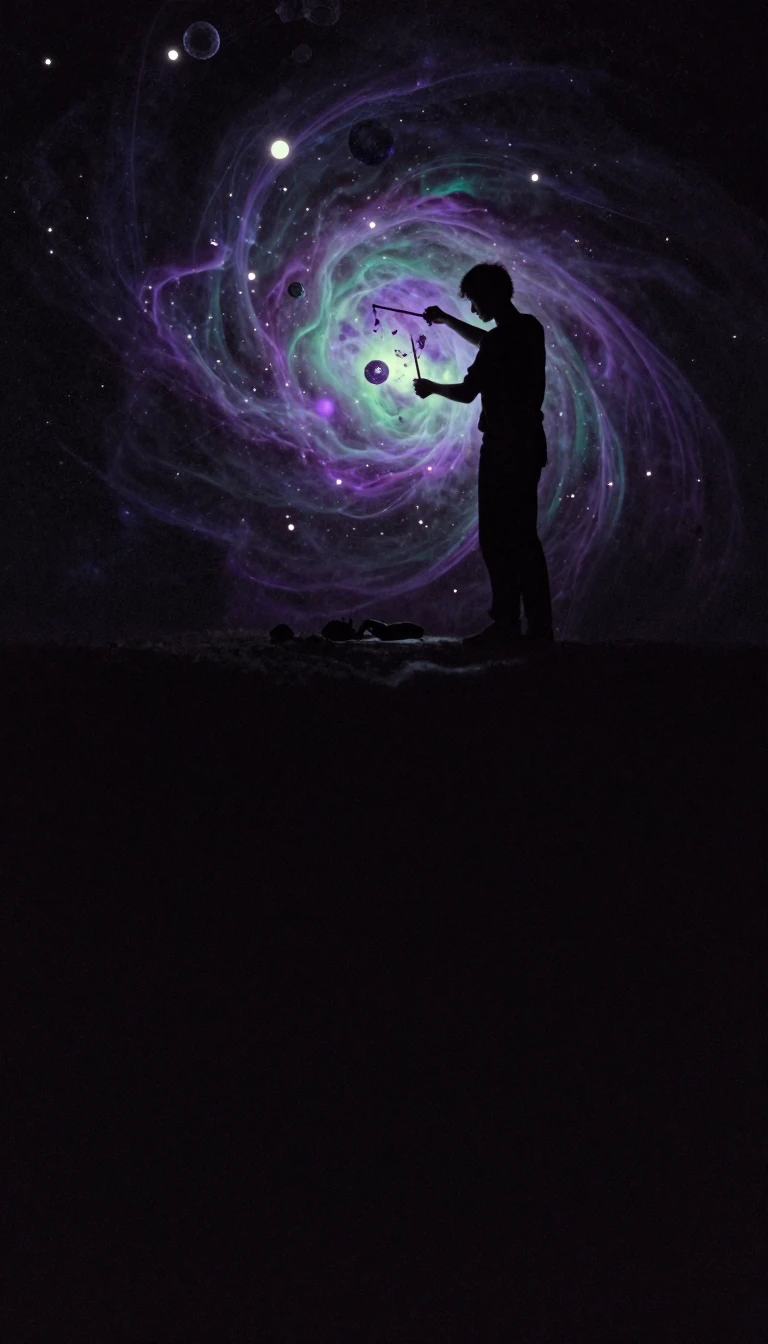
In short: The identity of indiscernibles poses a radical question: if two things are truly identical in every possible property, are they actually just one thing? This metaphysical principle, attributed to G.W. Leibniz, challenges our understanding of reality, time, and the very nature of what it means for objects to exist.
The principle of the identity of indiscernibles asserts that no two numerically distinct objects can share all their properties. Formally, if x and y are not identical, there must be some property P that distinguishes them. This concept is a cornerstone of modern metaphysics, a field that has expanded significantly since the time of Aristotle. While Aristotle focused on first causes and the nature of being, contemporary metaphysics often grapples with abstract problems regarding identity, change, and composition.
Metaphysicians use thought experiments, such as the case of a gold statue melted down and recast in the same mold, to probe these boundaries. While modern physics can explain the melting points of metals, it remains silent on the philosophical identity of the resulting objects. Instead, thinkers rely on what William James described as an 'obstinate attempt to think clearly and consistently' to navigate these abstract puzzles. These discussions are not about the objects themselves, but about the principles governing existence.
The principle remains a subject of intense debate. Some philosophers argue that to avoid triviality or contradiction, certain predicates must be excluded from the analysis. Others, like Max Black, have famously disputed the claim that qualitative sameness necessitates numerical identity. Because these principles are second-order, they cannot be expressed in first-order logic, adding another layer of complexity to their application. Ultimately, the principle forces us to consider whether there must always be a distinguishable difference between any two items, or if the universe could contain perfect, indiscernible duplicates.
Opens the Intellect+ feed with this card first. Swipe up for the next one.
Sources
- Summary by Intellect · source: Identity of indiscernibles | Leibniz’s Law, Indiscernibility & Philosophy | Britannica
- Also: Identity of indiscernibles
To cite this card, link to https://intellectplus.co.uk/app/technology-identity-of-indiscernibles.
How we source, check and correct cards: Editorial standards.
General information, not professional advice. Spotted an error? Flag the card or see corrections and complaints.
Intellect Plus is a visual educational discovery platform for exploring fascinating facts and ideas. Brain Food, Not Brain Rot. What is Intellect Plus?
Related
More in Inventions · More in Technology · Latest · A–Z · All topics
