Why this massive celestial bird is actually a complex collection of cosmic clouds
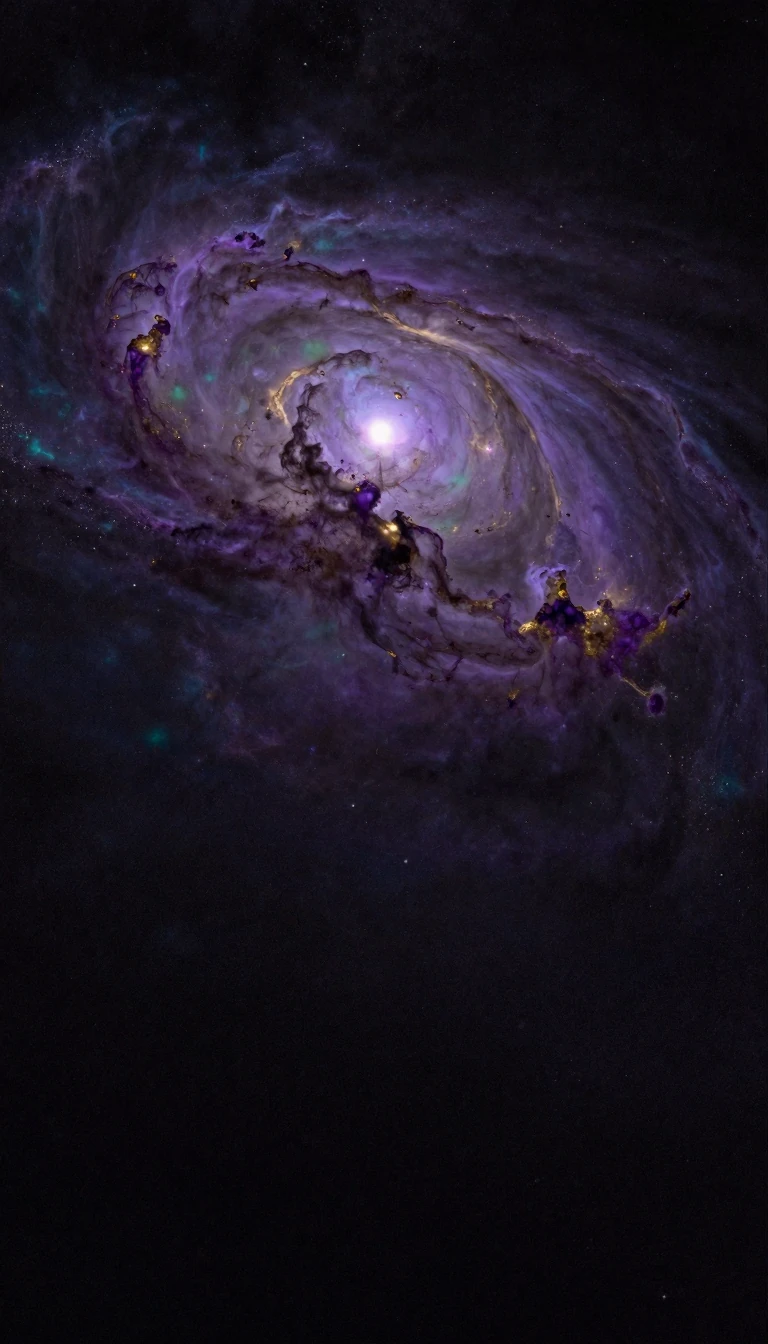
In short: Spanning the border of Monoceros and Canis Major, the nebula known as IC 2177 is a striking sight. While often called the Seagull Nebula, this moniker is technically a misnomer. The structure is far more than a single entity, representing a vast, interconnected region of star clusters and dust.
At the heart of this celestial formation lies the H II region IC 2177, a roughly circular area centered on the Be star HD 53367. First identified by the Welsh amateur astronomer Isaac Roberts, he characterized the nebula as a diffuse, irregularly round, and notably large object. His initial observations captured the essence of a structure that continues to fascinate observers today.
The popular name, Seagull Nebula, is frequently used by amateur astronomers to describe the entire complex. However, this label is somewhat imprecise. The broader region encompasses not just IC 2177, but also a collection of neighboring reflection nebulae, dust clouds, and open star clusters such as NGC 2335 and NGC 2343. These components work together to create the expansive, bird-like appearance that gives the nebula its nickname.
Within this larger cosmic silhouette, specific sections have earned their own descriptive titles. IC 2177 itself is often referred to as the Seagull's Head. Meanwhile, the wings of the seagull are formed by the nebula Gum 2, which is also cataloged as Sh 2-296. Understanding these distinct parts helps clarify how such a massive, complex structure is perceived across the night sky, moving beyond a simple singular classification to reveal a vibrant, multi-layered environment of stellar evolution.
The study of these regions remains a vital part of astronomy, as they provide insight into the environments where stars are born and evolve. By distinguishing between the central H II region and the surrounding clusters, researchers can better map the dynamics of these interstellar clouds. This nuanced view transforms a simple observation into a deeper appreciation of the intricate architecture hidden within the vastness of space.
Opens the Intellect+ feed with this card first. Swipe up for the next one.
Sources
- Summary by Intellect · source: IC 2177
To cite this card, link to https://intellectplus.co.uk/app/technology-ic-2177.
How we source, check and correct cards: Editorial standards.
General information, not professional advice. Spotted an error? Flag the card or see corrections and complaints.
Intellect Plus is a visual educational discovery platform for exploring fascinating facts and ideas. Brain Food, Not Brain Rot. What is Intellect Plus?
Related
More in Inventions · More in Technology · Latest · A–Z · All topics
