Why your home could become its own miniature, high-efficiency power plant
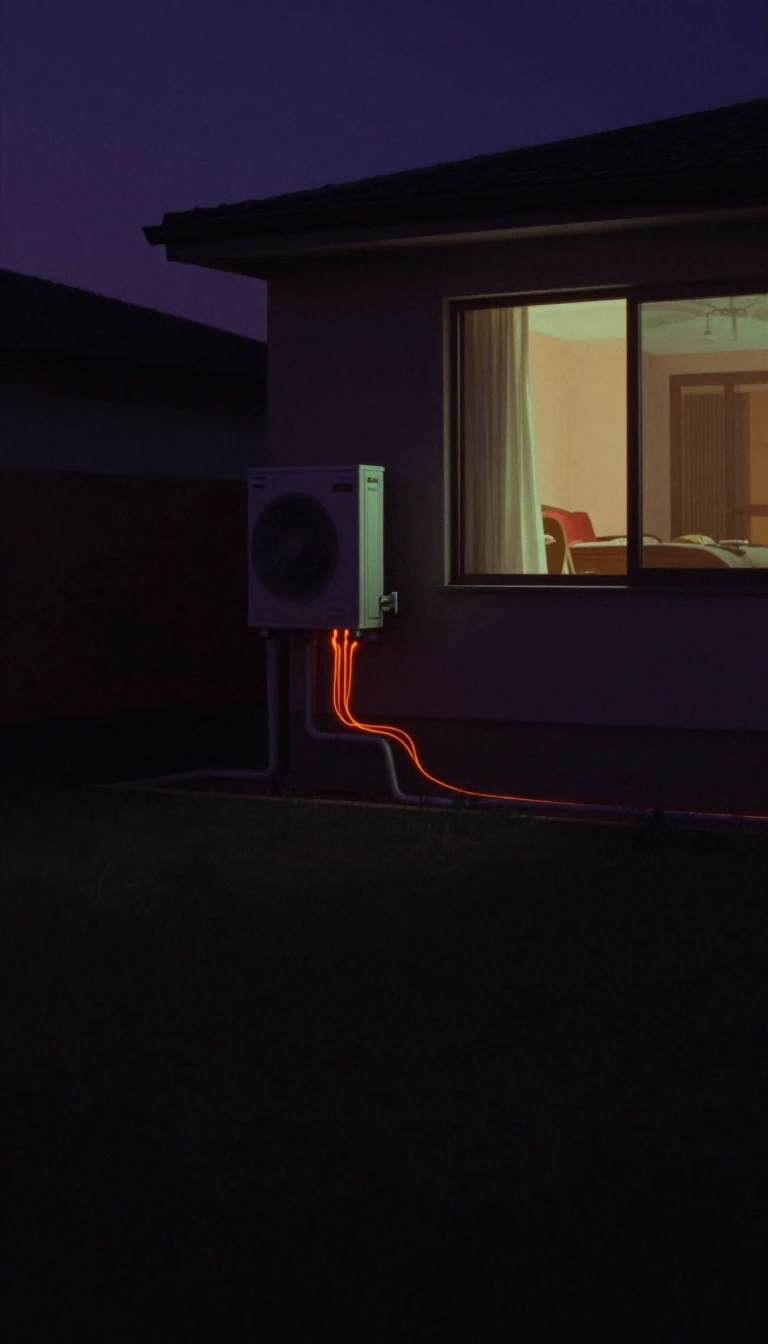
In short: Micro combined heat and power systems generate electricity and heat simultaneously within your home, capturing energy that traditional power plants waste. By producing power exactly where it is needed, these systems bypass the significant transmission losses of the grid, offering a smarter, more efficient way to manage domestic energy.
Traditional power plants are notoriously inefficient, often losing 40% to 60% of their fuel's energy as low-temperature waste heat. Micro combined heat and power (micro-CHP) flips this model by installing small-scale generators—such as fuel cells, Stirling engines, or internal combustion engines—directly inside homes or small offices. By utilizing the waste heat from these prime movers for space heating and hot water, these systems can achieve total energy utilization rates exceeding 90%.
The technology has gained momentum since 2000, driven by rising fuel costs and environmental concerns. Fuel cells have emerged as a leading contender; by 2012, they accounted for 64% of global micro-CHP sales. Unlike engine-based systems, fuel cells operate without rotating machinery, offering quieter, low-maintenance performance. For instance, PEMFC fuel cells typically provide a service life of 40,000 hours, or roughly 10 years of operation, while converting natural gas into both electricity and useful thermal energy.
Beyond efficiency, micro-CHP offers a path toward grid resilience. Systems can be configured to follow either heat or electrical demand, with surplus power fed back into the grid through net-metering. Recent research suggests that hybridizing these units with residential solar photovoltaic arrays could reduce energy waste even further, potentially expanding the viable share of solar power by a factor of five. While grid operators face administrative and technical challenges in managing these decentralized contributors, the economic case for micro-CHP continues to strengthen as energy prices climb.
The diversity of the technology is striking. From steam engines and gas turbines to concentrated solar thermal systems, the field is evolving to match specific local needs. Whether using natural gas, biomass, or hydrogen, the core principle remains constant: stop wasting the heat. By treating the home as an active energy hub rather than a passive consumer, micro-CHP transforms the fundamental economics of residential power.
Opens the Intellect+ feed with this card first. Swipe up for the next one.
Sources
- Summary by Intellect · source: Micro combined heat and power
To cite this card, link to https://intellectplus.co.uk/app/technology-micro-combined-heat-and-power.
How we source, check and correct cards: Editorial standards.
General information, not professional advice. Spotted an error? Flag the card or see corrections and complaints.
Intellect Plus is a visual educational discovery platform for exploring fascinating facts and ideas. Brain Food, Not Brain Rot. What is Intellect Plus?
Related
More in Energy · More in Technology · Latest · A–Z · All topics
