How a single ceramic pellet powers a city by splitting the smallest of atoms
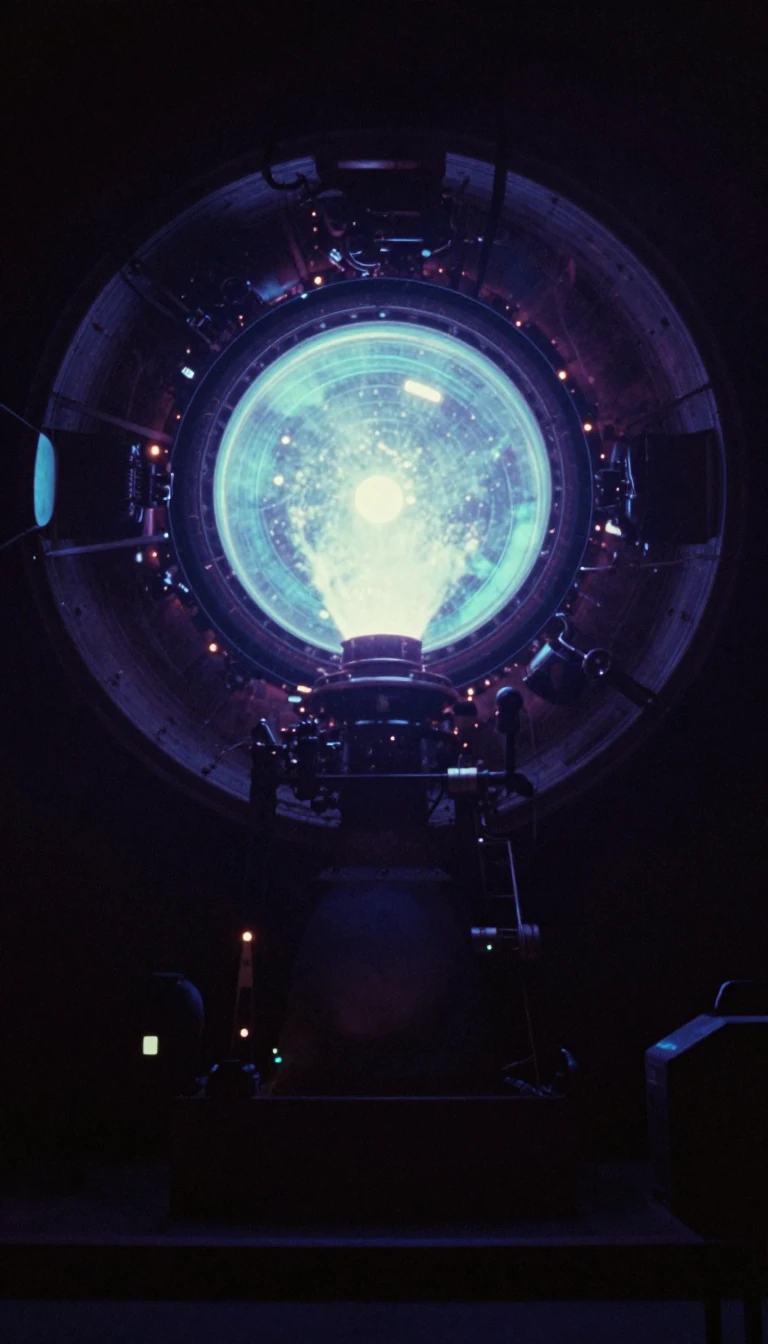
In short: Nuclear fuel is not burned like coal; it is harnessed through the precise, controlled fission of uranium atoms. From raw ore to high-tech ceramic pellets, the journey of nuclear fuel is a feat of engineering that transforms heavy metal into a dense, long-lasting source of carbon-free electricity.
The process begins with mining uranium ore, which is crushed and chemically treated to create a concentrate known as yellowcake. Because natural uranium contains only about 0.7 percent of the fissile isotope 235U, it must be enriched to reach the 3 to 5 percent concentration required for most commercial reactors. This is achieved by converting the yellowcake into uranium hexafluoride gas, which is then processed in gas centrifuges. These machines exploit the tiny mass difference between uranium isotopes, spinning at high speeds to separate the lighter 235U from the heavier 238U.
Once enriched, the material undergoes a transformation into uranium dioxide powder. This powder is pressed into small, dense ceramic pellets and baked at temperatures exceeding 2,550 degrees Fahrenheit. These pellets are then sealed inside metal tubes to create fuel rods, which are bundled into assemblies. A typical pressurized-water reactor might house up to 200 of these assemblies, each designed to meet rigorous quality standards. The physical dimensions of these components are strictly controlled to ensure the reactor operates with maximum consistency and safety.
Inside the reactor, the fuel works through a chain reaction. When a neutron strikes a 235U atom, the atom splits, releasing heat and additional neutrons that sustain the reaction. This heat turns water into steam, driving turbines to generate electricity. Remarkably, even after five years of operation, more than 90 percent of the fuel's potential energy remains. While the United States currently stores spent fuel in concrete pools, other nations like France recycle these materials, and future reactor designs aim to consume this spent fuel to minimize waste and move toward a circular energy economy.
Opens the Intellect+ feed with this card first. Swipe up for the next one.
Sources
- Summary by Intellect · source: Nuclear Fuel Cycle
- Also: Nuclear fuel
To cite this card, link to https://intellectplus.co.uk/app/technology-nuclear-fuel.
How we source, check and correct cards: Editorial standards.
General information, not professional advice. Spotted an error? Flag the card or see corrections and complaints.
Intellect Plus is a visual educational discovery platform for exploring fascinating facts and ideas. Brain Food, Not Brain Rot. What is Intellect Plus?
Related
More in Energy · More in Technology · Latest · A–Z · All topics
