When heat exceeds cooling, the core begins to melt
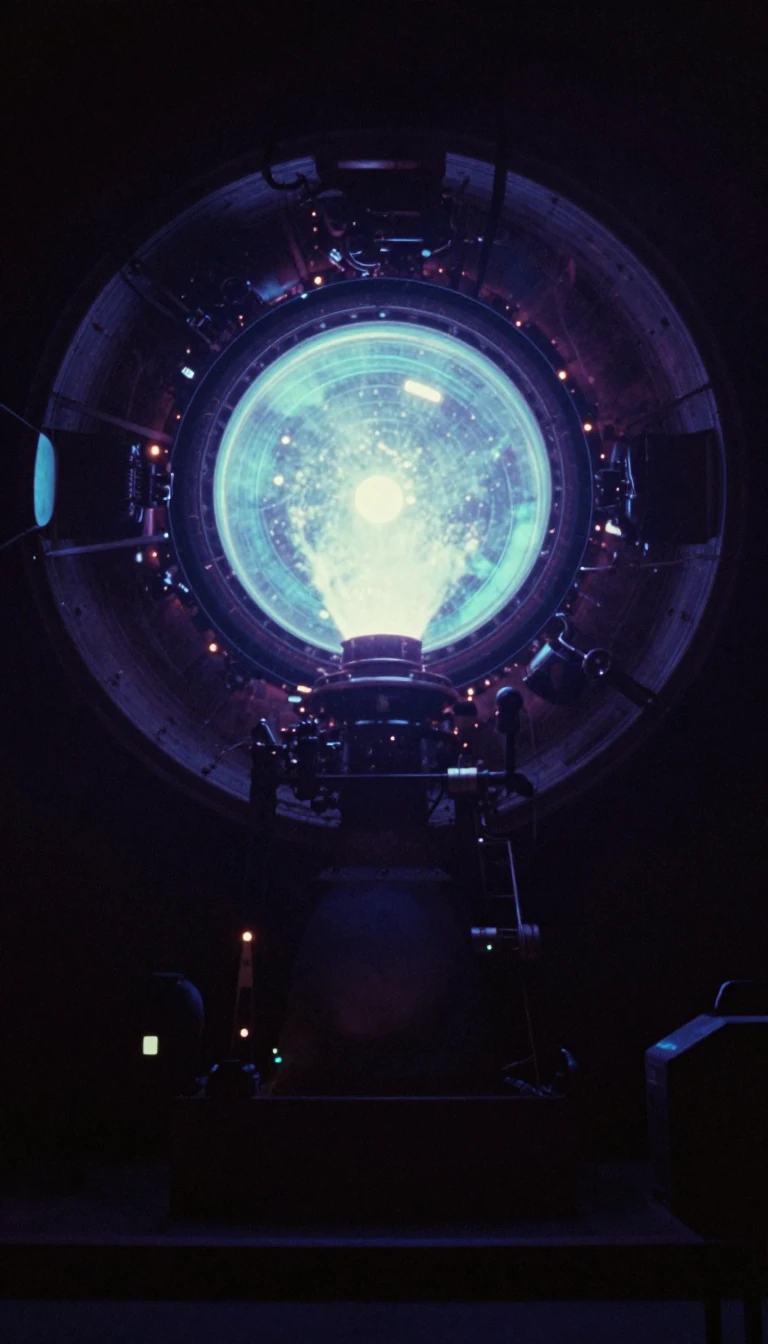
In short: A nuclear meltdown occurs when the heat generated by a reactor exceeds the cooling system's capacity. This thermal imbalance can breach fuel cladding, releasing radioactive isotopes like caesium-137 and iodine-131 into the coolant and potentially the environment, threatening containment and public safety.
A meltdown is not a single event but a progression of failures. It begins when a limiting fault, such as a loss-of-coolant accident (LOCA), leaves fuel rods uncovered. Even after a reactor is shut down, the fuel continues to produce decay heat, meaning the risk of overheating persists as long as the temperature rises.
The physics of the meltdown are volatile. Once temperatures reach 1,100 K (830 °C), the zircaloy cladding may balloon and burst, potentially blocking coolant flow. If temperatures climb to 1,500 K (1,230 °C), the zircaloy undergoes rapid oxidation with steam, a process that releases significant heat and produces hydrogen gas, which can lead to explosions.
If the heat is not arrested, the core enters a catastrophic phase. At approximately 1,700 K (1,430 °C), molten materials begin to flow and solidify into a debris bed. This molten material, known as corium, can relocate to the lower plenum of the pressure vessel. This relocation can trigger fuel-coolant interactions, creating steam explosions that might breach the primary containment structure.
Safety relies on 'defense in depth,' using redundant Emergency Core Cooling Systems (ECCS). Modern reactors often feature up to four independent divisions of ECCS to ensure that if one fails, others can prevent core damage. However, human error, such as the misinterpretation of gauges during the Three Mile Island incident, can lead to the accidental shutdown of these vital systems.
Opens the Intellect+ feed with this card first. Swipe up for the next one.
Sources
- Summary by Intellect · source: Nuclear meltdown
To cite this card, link to https://intellectplus.co.uk/app/technology-nuclear-meltdown.
How we source, check and correct cards: Editorial standards.
General information, not professional advice. Spotted an error? Flag the card or see corrections and complaints.
Intellect Plus is a visual educational discovery platform for exploring fascinating facts and ideas. Brain Food, Not Brain Rot. What is Intellect Plus?
Related
More in Energy · More in Technology · Latest · A–Z · All topics
