The missile that traded stealth for a heavy-hitting, high-fuel punch
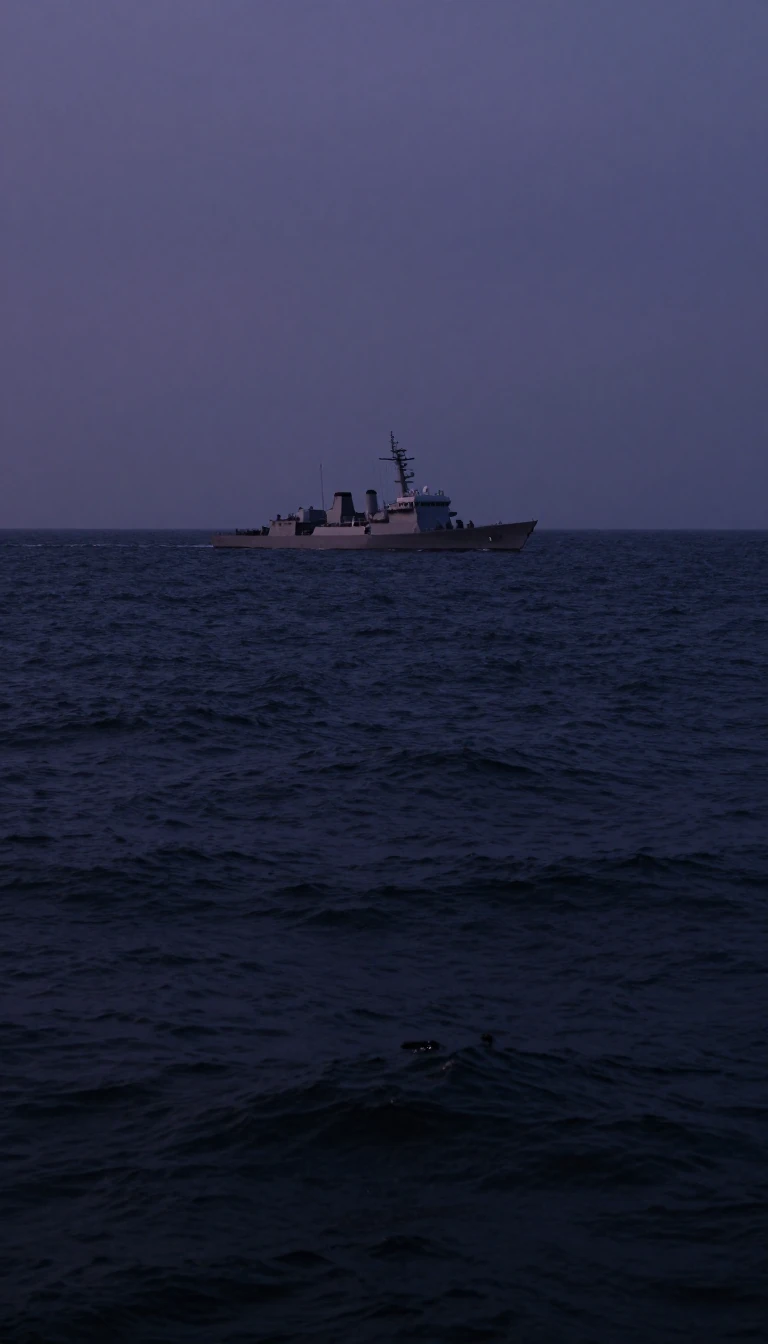
In short: While its rivals prioritized sleek profiles, the Italian Otomat missile opted for a bulky, high-powered design. By utilizing a turbofan engine instead of a simple rocket, it could carry a massive warhead and a high fuel reserve, creating a specialized weapon capable of devastating maritime strikes.
Developed jointly by Italy's Oto Melara and France's Matra starting in 1967, the Otomat was born from a need for a more powerful anti-ship weapon than existing European models like the Exocet. Unlike many contemporary missiles, the Otomat utilized a Turboméca TR-281 Arbizon III turbo-jet engine. This choice was significant: the engine was approximately 50% more powerful than the Harpoon's engine, allowing the missile to carry a heavy 210 kg warhead and a large 90-liter fuel tank within its fuselage.
This power came with physical trade-offs. The Otomat remained bulkier than the Harpoon or Exocet due to its large diameter and unique four-air-intake design. To manage its size, the Mk2 Block II version introduced folding wings, allowing ships to double their carrying capacity from four to eight missiles. Its flight profile is also distinct: boosters propel it to 200 meters and 250 m/s before the main engine starts, after which it descends to a sea-skimming altitude of just 2 meters to strike targets.
The missile's evolution highlights a tension between raw power and operational complexity. While it can change course by 200 degrees to strike a single target from any ship position, its reliance on mid-course data links created logistical hurdles. For instance, the Italian TESEO system originally required a hovering helicopter to provide updates, a slow process that left the helicopter vulnerable. In contrast, the French ERATO system allowed for coordinated multi-ship attacks but required the missile to climb to 900 meters to receive data, potentially alerting the enemy.
Ultimately, the Otomat represents a specific engineering philosophy: maximizing destructive potential through heavy payloads and long range. While the U.S. Navy considered it as an intermediate system between the Harpoon and Tomahawk, the program was eventually canceled in 1999 due to funding issues. Today, the Teseo Mk2/A continues this legacy, integrating GPS and updated data links to maintain its status as a formidable maritime threat.
Opens the Intellect+ feed with this card first. Swipe up for the next one.
Sources
- Summary by Intellect · source: Otomat
To cite this card, link to https://intellectplus.co.uk/app/technology-otomat.
How we source, check and correct cards: Editorial standards.
General information, not professional advice. Spotted an error? Flag the card or see corrections and complaints.
Intellect Plus is a visual educational discovery platform for exploring fascinating facts and ideas. Brain Food, Not Brain Rot. What is Intellect Plus?
Related
More in Military technology · More in Technology · Latest · A–Z · All topics
