Why the Prawn Nebula remains invisible to the naked eye despite its massive size
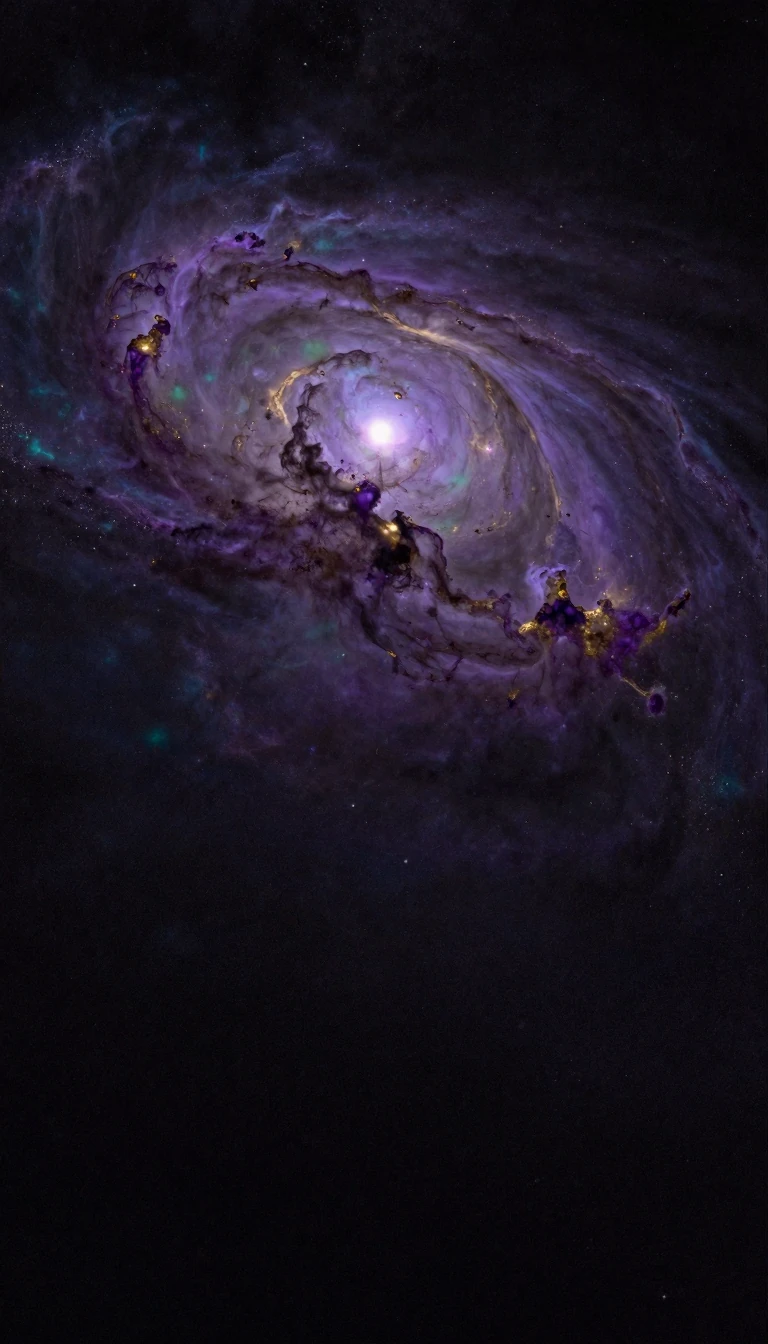
In short: Located 6,000 light-years away in the constellation Scorpius, the Prawn Nebula is a sprawling stellar nursery spanning 250 light-years. While it covers an area four times larger than the full moon, it remains elusive to human vision because it radiates light primarily in wavelengths that our eyes cannot naturally perceive.
Formally designated as IC 4628, this emission nebula resides within the Sagittarius Arm of the Milky Way. It serves as a cosmic cradle where massive and intermediate-sized stars are born. The nebula’s characteristic glow is a direct result of intense radiation from these nearby stellar neighbors. This radiation strips electrons away from hydrogen atoms, a process known as ionization. As these electrons eventually settle back into a lower energy state by reuniting with hydrogen nuclei, they release energy as visible light, illuminating the surrounding gas clouds.
The structure of the Prawn Nebula is complex and dynamic. Hubble Space Telescope observations, specifically using the Wide Field Camera 3, have allowed astronomers to peer through the cosmic dust using infrared sensitivity. These images reveal intricate details, such as glowing gas regions and jets emanating from protostars. In certain captured imagery, the presence of ionized iron is highlighted in red, providing scientists with a clearer picture of the chemical environment within this massive nursery. Such surveys are essential for understanding the early stages of star formation.
Despite its immense physical footprint, the nebula is notoriously difficult to observe from Earth without specialized equipment. Because it emits light in non-visible wavelengths, it appears extremely faint to earthbound observers. It is often associated with the 'False Comet,' a feature anchored by the bright open cluster NGC 6231. By utilizing advanced space-based technology, researchers can bypass the limitations of human biology to study the energetic processes occurring deep within these vast, glowing clouds of interstellar gas and dust, ultimately revealing the hidden mechanics of how new stars emerge from the void.
Opens the Intellect+ feed with this card first. Swipe up for the next one.
Sources
- Summary by Intellect · source: Prawn Nebula
- Also: Hubble Catches Celestial Prawn Drifting Through the Cosmic Deep - NASA Science
To cite this card, link to https://intellectplus.co.uk/app/technology-prawn-nebula.
How we source, check and correct cards: Editorial standards.
General information, not professional advice. Spotted an error? Flag the card or see corrections and complaints.
Intellect Plus is a visual educational discovery platform for exploring fascinating facts and ideas. Brain Food, Not Brain Rot. What is Intellect Plus?
Related
More in Inventions · More in Technology · Latest · A–Z · All topics
