Why the Tarantula Nebula is our best window into the universe’s early star-forming era
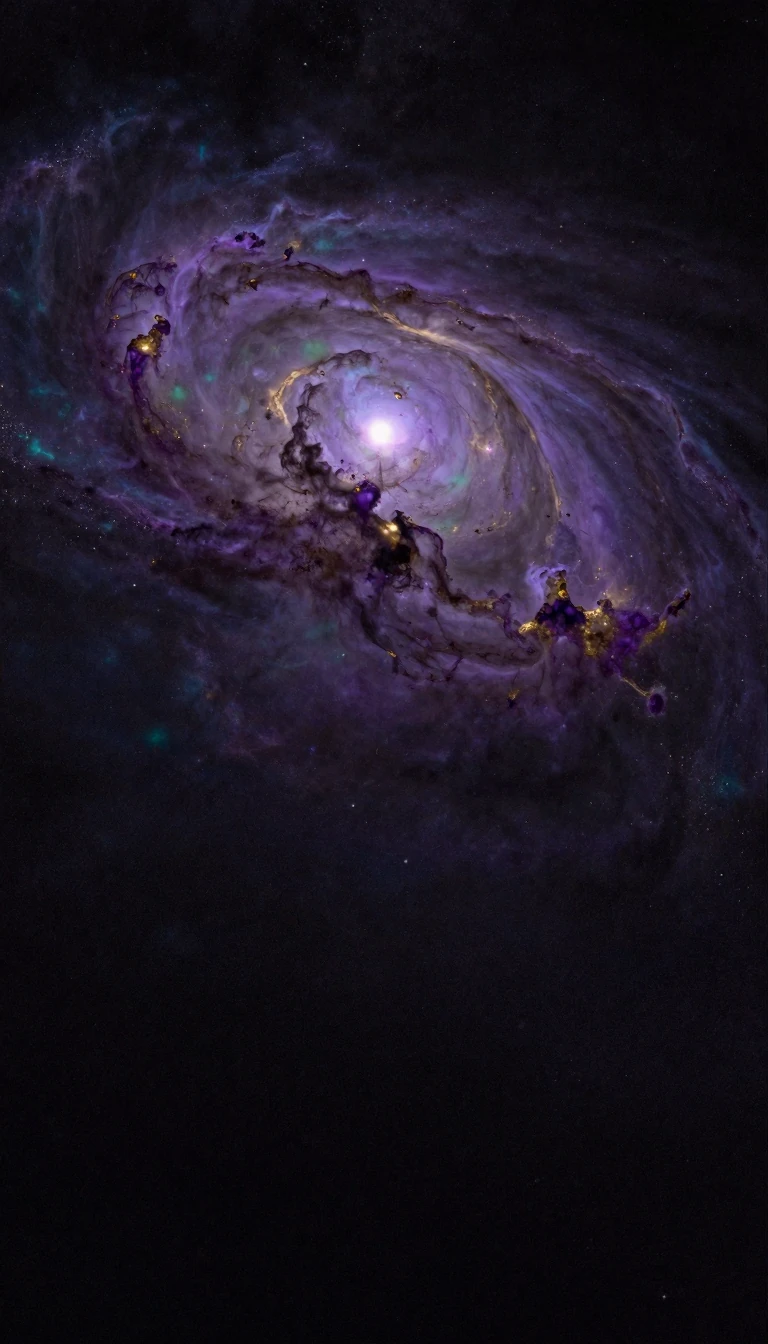
In short: Located 161,000 light-years away, the Tarantula Nebula is the most intense stellar nursery in our galactic neighborhood. By peering through its thick, dusty veils with infrared technology, astronomers are finally witnessing the chaotic birth of massive stars, revealing secrets about how the cosmos looked during its peak growth period.
The Tarantula Nebula, also cataloged as 30 Doradus, serves as a premier laboratory for studying star formation. Situated within the Large Magellanic Cloud, it stands out as the most luminous and expansive region of its kind in the Local Group. Its chemical makeup mirrors the massive, active star-forming clouds that dominated the universe during its 'cosmic noon'—a period a few billion years after the Big Bang when star production reached its zenith.
Modern observation, particularly through the James Webb Space Telescope, has transformed our understanding of this region. Previously, thick cosmic dust obscured the most active areas, leaving astronomers to guess at the processes occurring inside. Using the Near-Infrared Camera (NIRCam), researchers have identified tens of thousands of young stars that were once hidden. The nebula’s structure is shaped by the intense radiation and stellar winds from a central cluster of massive, hot stars, which have hollowed out a massive cavity in the surrounding gas.
The use of the Mid-infrared Instrument (MIRI) provides a complementary view, allowing scientists to see through the dust to observe cooler gas and embedded protostars still gathering mass. This capability is vital for correcting previous misconceptions; for instance, astronomers once believed certain stars were older and had already cleared their surroundings, only to discover via the Near-Infrared Spectrograph (NIRSpec) that these stars were still emerging from their protective cocoons. By comparing these local observations to distant galaxies from the era of cosmic noon, researchers are effectively rewriting the history of how stars are born.
Opens the Intellect+ feed with this card first. Swipe up for the next one.
Sources
- Summary by Intellect · source: A Cosmic Tarantula, Caught by NASA’s Webb - NASA Science
- Also: Webb captures a cosmic tarantula
- Also: Tarantula Nebula
To cite this card, link to https://intellectplus.co.uk/app/space-tarantula-nebula.
How we source, check and correct cards: Editorial standards.
General information, not professional advice. Spotted an error? Flag the card or see corrections and complaints.
Intellect Plus is a visual educational discovery platform for exploring fascinating facts and ideas. Brain Food, Not Brain Rot. What is Intellect Plus?
Related
More in Astronomical objects · More in Space · Latest · A–Z · All topics
