The hidden fluids keeping our world cool have a complex, often hazardous, history.
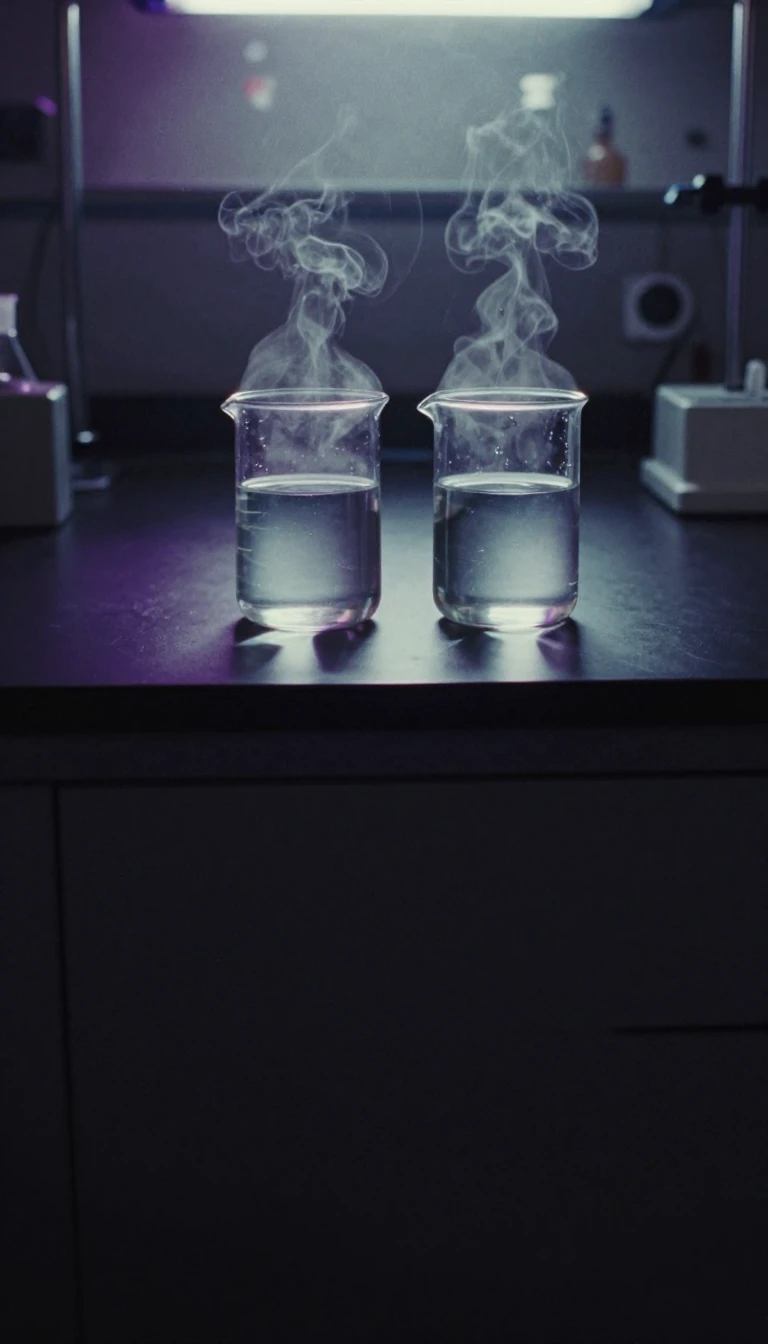
In short: Refrigerants are the unsung workhorses of modern life, circulating through air conditioners and refrigerators to move heat from indoors to out. While these fluids make our comfort possible, their chemical evolution—from early toxic gases to ozone-depleting synthetics and back to natural alternatives—reveals a delicate balance of safety and environment.
At the heart of every vapor compression system is a refrigerant that undergoes a continuous cycle of evaporation and condensation. By manipulating pressure, engineers force these fluids to absorb heat at low pressure and release it at high pressure. This process relies on specific thermophysical properties, such as the latent heat of vaporization, which allows the fluid to soak up or shed energy without significant temperature shifts. Choosing the right refrigerant is a high-stakes balancing act; designers must weigh energy efficiency against volumetric requirements, all while navigating safety concerns like flammability, toxicity, and chemical stability.
The 20th century saw a dramatic shift in refrigerant chemistry. In the 1920s, Thomas Midgley Jr. and his team sought to replace dangerous early refrigerants like ammonia and sulfur dioxide with stable, non-toxic synthetic alternatives. This led to the rise of chlorofluorocarbons (CFCs) and hydrochlorofluorocarbons (HCFCs), which dominated the market for decades. However, the 1974 discovery by Mario Molina and F. Sherwood Rowland that these compounds were shredding the ozone layer triggered a global reckoning. A single chlorine atom, liberated from a CFC in the stratosphere, can destroy thousands of ozone molecules, a process confirmed by the identification of the Antarctic ozone hole in the 1980s.
This crisis prompted the 1987 Montreal Protocol, an international agreement that forced a massive industrial transition. CFC production was largely banned by 1996, and HCFCs followed in subsequent decades. The industry pivoted toward hydrofluorocarbons (HFCs) and, increasingly, a return to natural refrigerants like isobutane and carbon dioxide. The 1993 launch of the 'Greenfreeze' refrigerator in Germany marked a turning point, proving that hydrocarbon-based systems could be commercially viable. Today, the search for the ideal refrigerant continues, driven by the need to minimize global warming potential while maintaining the efficiency that modern civilization demands.
Opens the Intellect+ feed with this card first. Swipe up for the next one.
Sources
- Summary by Intellect · source: Refrigerant
To cite this card, link to https://intellectplus.co.uk/app/technology-refrigerant.
How we source, check and correct cards: Editorial standards.
General information, not professional advice. Spotted an error? Flag the card or see corrections and complaints.
Intellect Plus is a visual educational discovery platform for exploring fascinating facts and ideas. Brain Food, Not Brain Rot. What is Intellect Plus?
Related
More in Energy · More in Technology · Latest · A–Z · All topics
