Can small modular reactors solve the energy demands of the artificial intelligence boom?
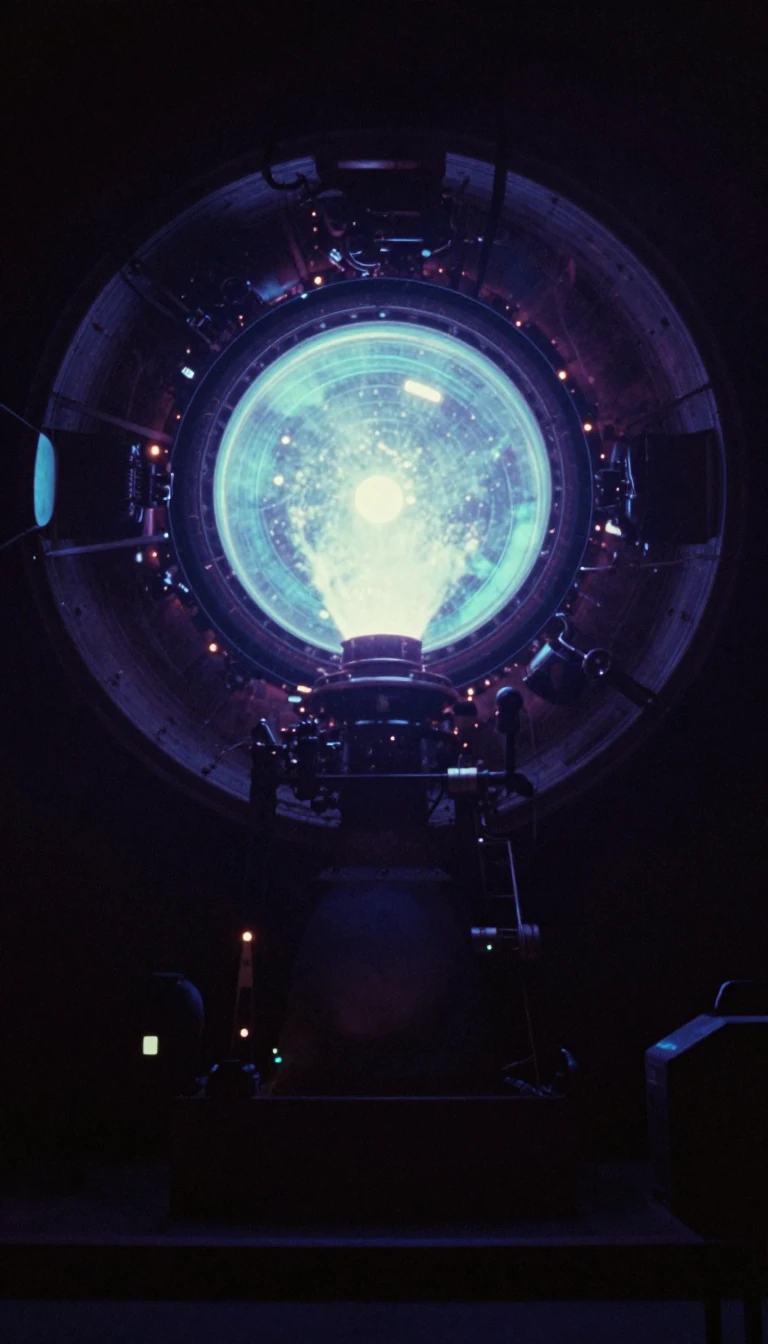
In short: Small modular reactors promise a faster, cheaper, and more flexible alternative to conventional nuclear power. By using prefabricated components that can be assembled off-site, these reactors aim to provide clean energy to remote areas or industrial sites, potentially fueling the massive electricity needs of modern AI data centers.
Small modular reactors (SMRs) are defined by their modest size and modular construction. While conventional nuclear plants typically generate between 1,000 and 1,700 megawatts, an SMR is designed to produce a peak load of up to 300 megawatts. This smaller footprint allows them to be built in factories and transported to their final location, a stark contrast to the custom, on-site construction required for traditional reactors. This approach is intended to reduce both the time and financial risk associated with large-scale nuclear projects.
The concept is not new; small reactors have powered naval vessels since the 1950s, and early proponents like Alvin M. Weinberg argued that a fleet of small units would allow the industry to scale gradually rather than relying on a few massive, high-risk installations. Today, interest is surging as companies like Google and Microsoft seek reliable, carbon-free power for energy-intensive AI data centers. Because SMRs can be integrated into weaker grids or placed near industrial users, they offer a versatile solution for decarbonizing chemical processes that require high heat.
Despite their promise, SMRs face significant hurdles. Only three are currently operational—in Russia, China, and Japan—and regulatory approval remains a complex, multi-year process. Furthermore, they are not immune to the risks inherent in nuclear power. Experts warn that SMRs remain vulnerable to natural disasters that could disrupt cooling or transmission, necessitating robust backup power systems. Additionally, they still produce radioactive waste, ensuring that the debate over safety and long-term management remains as relevant for these compact reactors as it is for their larger predecessors.
The regulatory landscape is shifting to accommodate this technology. In the United States, the Department of Energy has committed hundreds of millions of dollars to support deployment, and companies like X-energy and NuScale Power are actively navigating the Nuclear Regulatory Commission’s permitting process. As of 2025, dozens of designs are in various stages of development, reflecting a global push to determine whether these modular units can truly bypass the barriers that have long inhibited the expansion of nuclear energy.
Opens the Intellect+ feed with this card first. Swipe up for the next one.
Sources
- Summary by Intellect · source: Small modular reactor (SMR) | Definition, Cost, Pros & Cons, Nuclear Power Explained, Companies, & Operation | Britannica
- Also: Small modular reactor
To cite this card, link to https://intellectplus.co.uk/app/technology-small-modular-reactor.
How we source, check and correct cards: Editorial standards.
General information, not professional advice. Spotted an error? Flag the card or see corrections and complaints.
Intellect Plus is a visual educational discovery platform for exploring fascinating facts and ideas. Brain Food, Not Brain Rot. What is Intellect Plus?
Related
More in Energy · More in Technology · Latest · A–Z · All topics
