How Sanitary Engineering Evolved From Miasma Theory to Modern Global Infrastructure
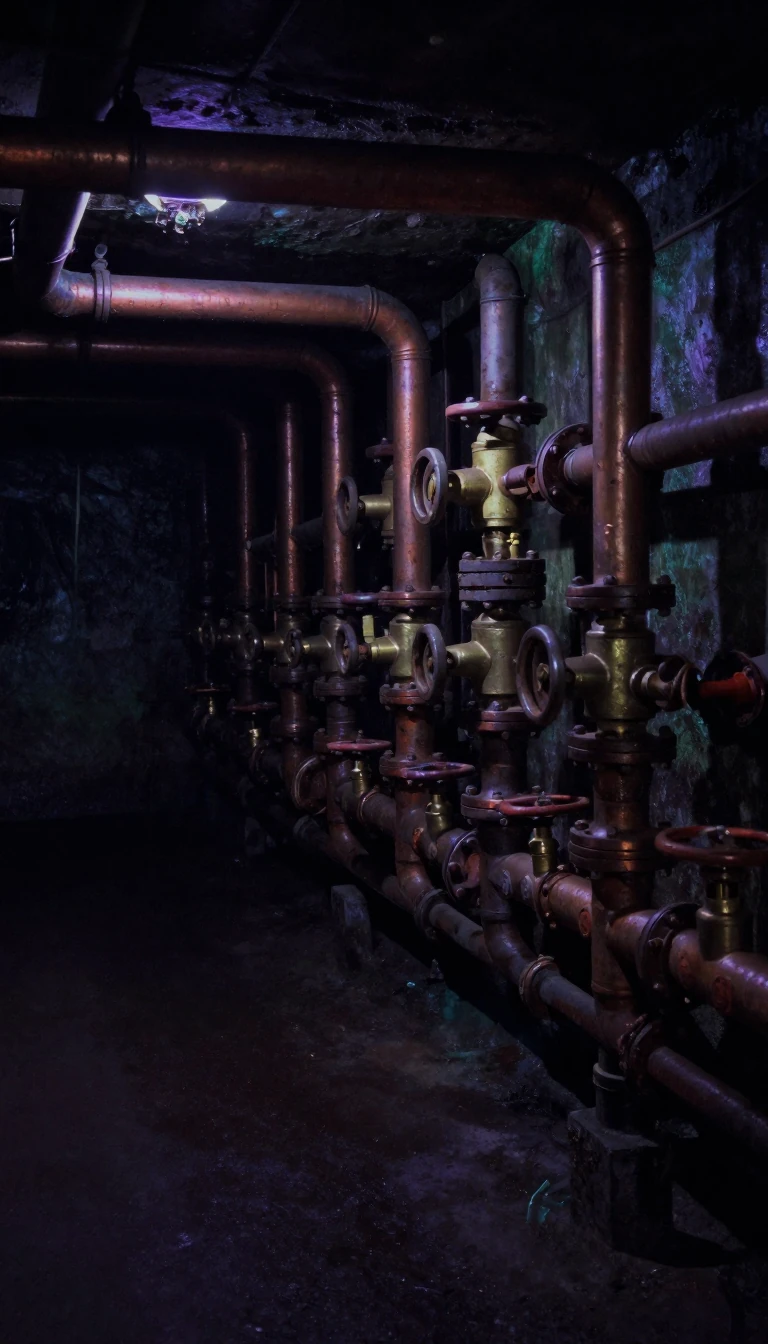
In short: Sanitary engineering is the silent guardian of public health, transforming waste into safety through complex interdisciplinary science. Once driven by the mistaken belief that disease spread through bad air, the field now utilizes advanced microbiology, sensor technology, and data analytics to manage water scarcity and combat climate change impacts.
The roots of sanitary engineering extend back five to seven thousand years to early irrigation systems and Roman aqueducts. However, the modern discipline coalesced in the mid-19th century, primarily in London, where the daily disposal of over 400,000 tons of sewage into the River Thames fueled outbreaks of cholera, typhoid, and other diseases. At the time, officials operated under the miasma theory, believing foul air caused illness. By the 1900s, the field shifted toward scientific rigor with the invention of the activated sludge process, which uses bacteria to consume waste, followed by chlorine treatment to neutralize pathogens.
Today, the field is a highly technical subset of environmental and civil engineering. Professionals must master chemistry, biology, physics, and calculus to design systems that manage everything from residential garbage to complex wastewater reclamation. In 2013, the average annual salary for these engineers was approximately $83,360, with most practitioners holding at least a bachelor's degree. The work is increasingly interdisciplinary, requiring expertise in computer-aided design, topographical mapping, and even social sciences to navigate urban planning and public policy.
Modern sanitary engineering faces unprecedented challenges from climate change. In the Arctic, melting permafrost damages infrastructure, while the Northeastern United States struggles with aging systems overwhelmed by increased precipitation. Meanwhile, prolonged droughts in the West are driving innovation in water reclamation and desalination. To address these issues, engineers are turning to smart sanitation—integrating sensor technology and data analytics to monitor water quality and optimize efficiency. Furthermore, facilities are being renovated to reduce greenhouse gas emissions by shifting toward anaerobic bacteria processes, balancing the critical need for clean water with the necessity of environmental sustainability.
Opens the Intellect+ feed with this card first. Swipe up for the next one.
Sources
- Summary by Intellect · source: Sanitary engineering
To cite this card, link to https://intellectplus.co.uk/app/technology-sanitary-engineering.
How we source, check and correct cards: Editorial standards.
General information, not professional advice. Spotted an error? Flag the card or see corrections and complaints.
Intellect Plus is a visual educational discovery platform for exploring fascinating facts and ideas. Brain Food, Not Brain Rot. What is Intellect Plus?
Related
More in Technology: General · More in Technology · Latest · A–Z · All topics
