Why do some ships carry a prefix while others sail without a name tag?
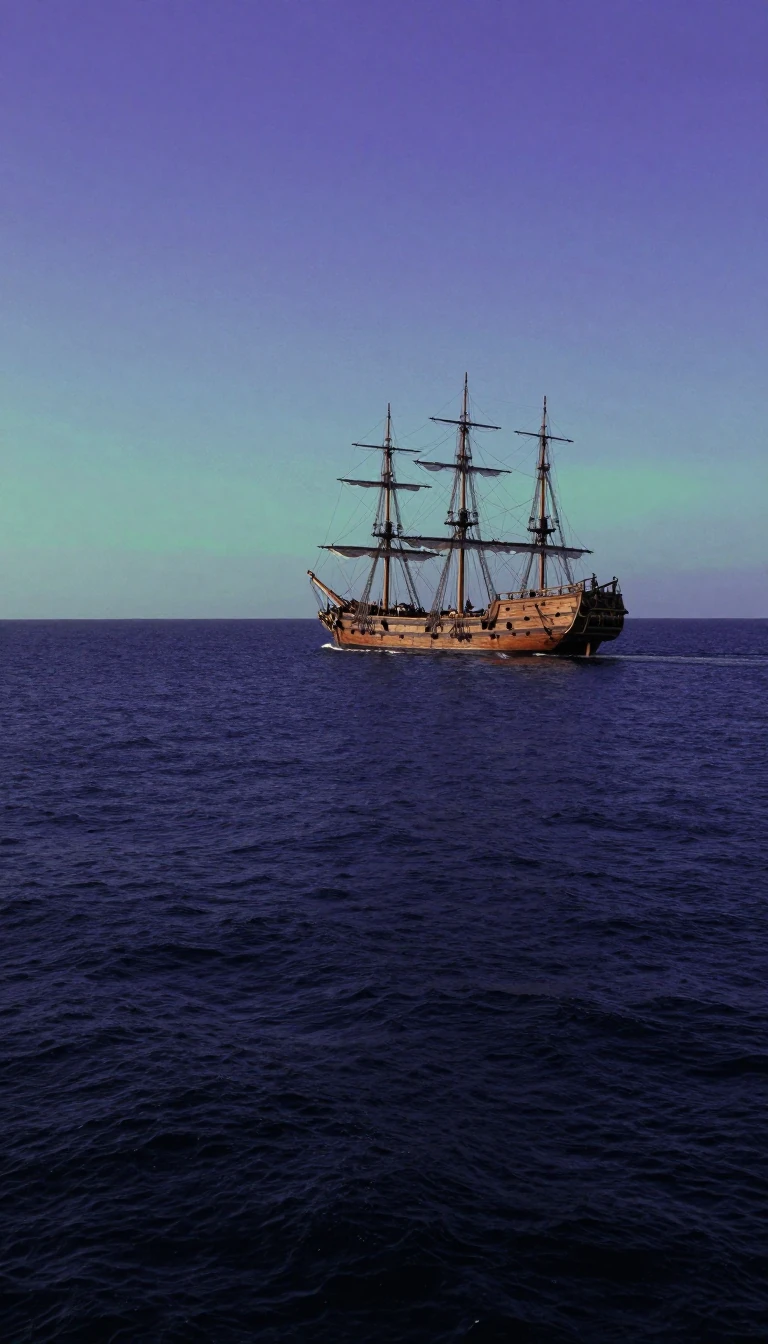
In short: Ship prefixes are more than just nautical tradition; they are formal identifiers of nationality, purpose, and commission status. While some navies mandate them for every vessel, others ignore them entirely. From the Royal Navy’s historic HMS to the shifting designations of the United States, these letters reveal a complex maritime bureaucracy.
A ship prefix is a combination of letters placed before a vessel's name to denote its ownership, nationality, or function. While modern government regulations often require these labels for naval and auxiliary ships, civilian usage is inconsistent and frequently omitted. In the naval world, the practice varies significantly: the United States Navy uses the well-known USS, while Japan adopts JS. Conversely, major blue-water navies including those of France, Russia, Germany, and China do not use prefixes at all, sometimes relying on NATO designations like FS or FGS if necessary.
The evolution of these prefixes often mirrors broader political and administrative changes. In the United States, early naval nomenclature was diverse, including designations like USF for frigates. This changed in 1907 when President Theodore Roosevelt issued Executive Order No. 549, standardizing USS for commissioned ships. The prefix is strictly tied to active status; a ship only earns the USS title upon commissioning and loses it once stricken from the fleet, at which point it may be referred to as ex- followed by its name. Vessels merely in service, such as those operated by the Military Sealift Command, use different identifiers like USNS.
Civilian prefixes have historically highlighted a vessel's mode of propulsion, such as SS for screw steamers or MV for motor vessels. Today, these are often replaced by functional abbreviations like LPGC for liquified petroleum gas carriers or TB for tug-boats, though these are typically reserved for formal legal documentation rather than daily conversation. Meanwhile, some nations have developed specific systems for ships in transition. For instance, Australia uses NUSHIP for vessels not yet commissioned, and the Netherlands transitioned from Hr.Ms. to Zr.Ms. in 2013 following the succession of King Willem-Alexander.
Beyond prefixes, many navies have shifted toward hull classification symbols or pennant numbers, such as the Royal Navy's D35 for a destroyer, to identify vessels. These codes, often painted directly onto the hull, provide a more granular look at a ship's specific role. Whether through a formal prefix or a painted number, these systems serve as a shorthand for the complex identity of a vessel on the high seas.
Opens the Intellect+ feed with this card first. Swipe up for the next one.
Sources
- Summary by Intellect · source: Ship prefix
To cite this card, link to https://intellectplus.co.uk/app/technology-ship-prefix.
How we source, check and correct cards: Editorial standards.
General information, not professional advice. Spotted an error? Flag the card or see corrections and complaints.
Intellect Plus is a visual educational discovery platform for exploring fascinating facts and ideas. Brain Food, Not Brain Rot. What is Intellect Plus?
Related
More in Transportation · More in Technology · Latest · A–Z · All topics
