Could a global super grid finally solve our reliance on fossil fuels?
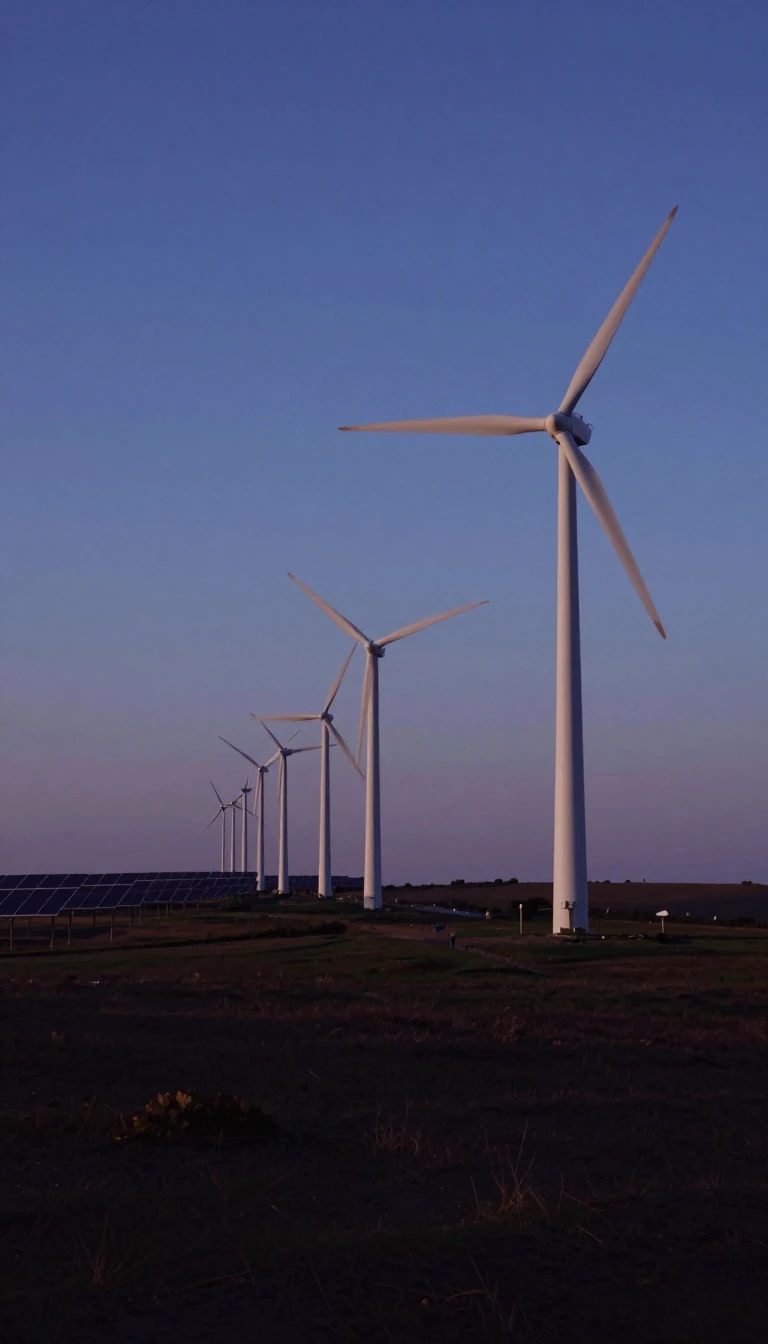
In short: A super grid is a massive, transcontinental transmission network designed to move high volumes of renewable energy across vast distances. By smoothing out the intermittency of wind and solar power, these mega grids aim to mitigate global warming and fundamentally reshape how we trade and consume electricity on a planetary scale.
The concept of a super grid, or mega grid, involves creating a high-capacity transmission layer that functions like a superhighway for electricity. While early iterations like the Pacific DC Intertie, commissioned in 1970, demonstrated the potential of high-voltage direct current (HVDC) technology, modern proposals envision a much larger scale. These systems aim to integrate diverse renewable sources across time zones, potentially allowing a continent to rely entirely on clean energy by balancing local fluctuations in supply.
Proponents argue that super grids are essential for energy independence and security, helping nations reduce reliance on fossil fuels and avoid energy hegemonies. For instance, modeling by Dr. Gregor Czisch suggests that a European-wide HVDC network could enable a transition to 100% renewable energy at costs comparable to current levels. However, the infrastructure requirements are immense. A European super grid might require 750 GW of new capacity, necessitating vast land corridors and complex coordination systems to manage network congestion and stability.
The debate over technology remains fierce. While HVDC is favored for its efficiency over long distances—losing only 1.6% of energy per 1,000 km—some advocates push for high-voltage alternating current (HVAC) systems, such as the proposed I-765 grid in the US. HVAC systems are often seen as easier to connect to multiple points, whereas HVDC typically requires expensive, complex control equipment for multi-terminal setups. Furthermore, the physical implementation faces significant hurdles, including lengthy permitting processes, public opposition to transmission lines, and the high costs of land acquisition and construction.
Ultimately, the super grid represents a paradigm shift where transmission and distribution blur. By incorporating smart grid features like wide-area sensor networks and vehicle-to-grid technology, these systems could transform local grids into virtual power plants. Whether through current HVDC technology or future experimental superconducting cables cooled by liquid hydrogen, the goal is to build a network so comprehensive that energy trading is limited only by the capacity of entrepreneurs to bring power to market.
Opens the Intellect+ feed with this card first. Swipe up for the next one.
Sources
- Summary by Intellect · source: Super grid
To cite this card, link to https://intellectplus.co.uk/app/technology-super-grid.
How we source, check and correct cards: Editorial standards.
General information, not professional advice. Spotted an error? Flag the card or see corrections and complaints.
Intellect Plus is a visual educational discovery platform for exploring fascinating facts and ideas. Brain Food, Not Brain Rot. What is Intellect Plus?
Related
More in Energy · More in Technology · Latest · A–Z · All topics
