The .30 Carbine was designed to replace handguns for support troops, not infantry combat.
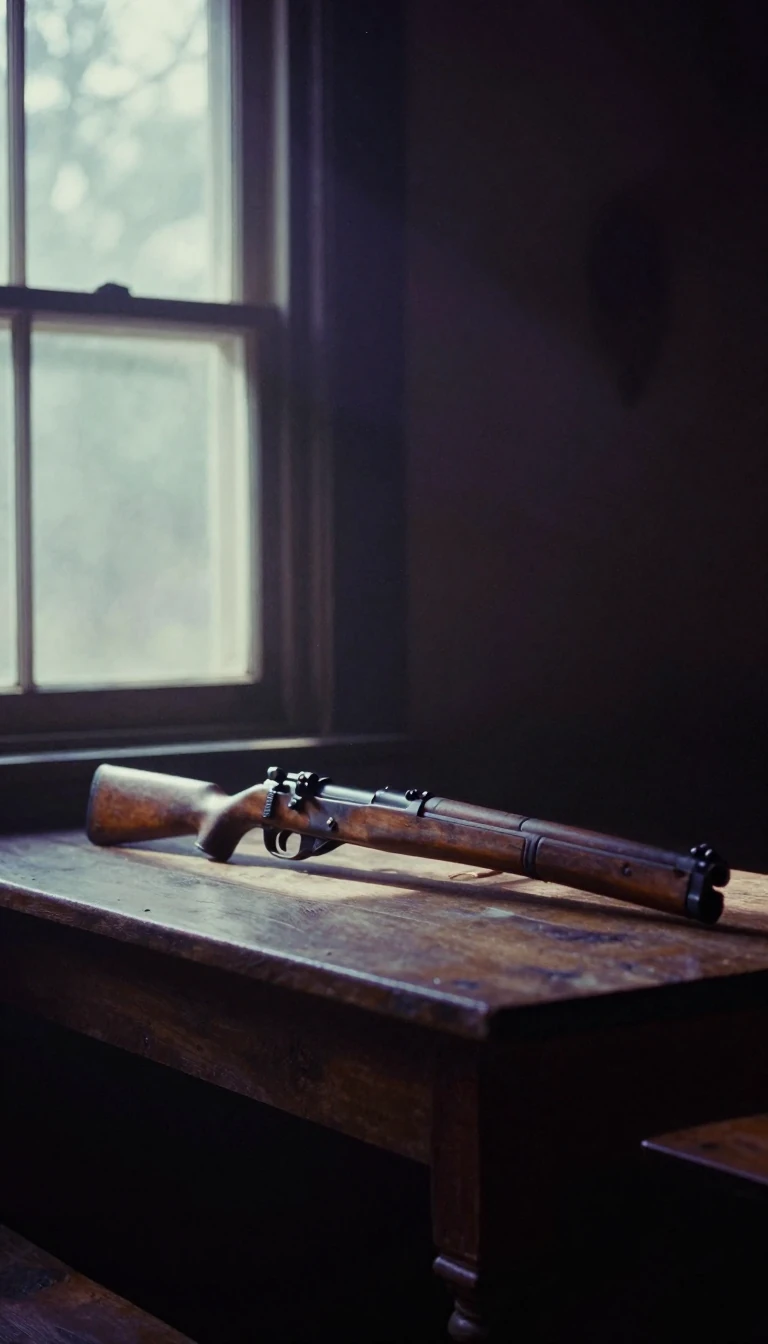
In short: Developed during World War II, the .30 carbine cartridge powered a lightweight rifle intended for rear-area personnel. While it offered more accuracy than a standard handgun, it was never meant to be a primary infantry weapon, leading to mixed results when deployed in the intense combat of the Korean War.
In the years preceding World War II, the U.S. Army sought a 'light rifle' to provide support units with greater firepower than the M1911A1 pistol, yet half the weight of the M1 Garand. Winchester developed the .30 carbine cartridge by modifying the 1906 .32 Winchester Self-Loading round. By using a 110-grain bullet and improved powder, the new cartridge achieved 41 percent higher muzzle velocity and 27 percent more impact energy than its predecessor. The resulting M1 carbine, perfected by engineers including Marshall Williams, was issued to artillery crews, paratroopers, and officers.
The weapon's limitations became apparent during the Korean War. A 1951 U.S. Army evaluation noted that data on the carbine's accuracy beyond 50 yards was virtually nonexistent, with approximately 95 percent of effective engagements occurring within that short distance. Commanders reported that soldiers required multiple combat experiences to adjust to the M2 carbine's selective-fire feature, as the high rate of fire—between 850 and 900 rounds per minute—often led to wasted ammunition. The cartridge was never comparable to the intermediate rounds later developed for true assault rifles.
Despite its military shortcomings, the .30 carbine found a long life in civilian and international service. It was adopted by numerous nations, including Japan, France, and Israel, and remains popular today for sporting and collecting. Various handguns, such as the Ruger Blackhawk and the Plainfield Machine 'Enforcer,' were chambered for the round, though users often noted its loud blast. Efforts to improve the platform included Melvin Johnson's .22 Spitfire conversion, which attempted to extend the effective range of the carbine by necking the case down to a smaller caliber, though only about 500 such rifles were produced.
Opens the Intellect+ feed with this card first. Swipe up for the next one.
Sources
- Summary by Intellect · source: .30 carbine
To cite this card, link to https://intellectplus.co.uk/app/wars-30-carbine.
How we source, check and correct cards: Editorial standards.
General information, not professional advice. Spotted an error? Flag the card or see corrections and complaints.
Intellect Plus is a visual educational discovery platform for exploring fascinating facts and ideas. Brain Food, Not Brain Rot. What is Intellect Plus?
Related
More in Wars since 1945 · More in Wars & Conflicts · Latest · A–Z · All topics
