How a loose coalition of nations transformed into the world's most powerful military alliance
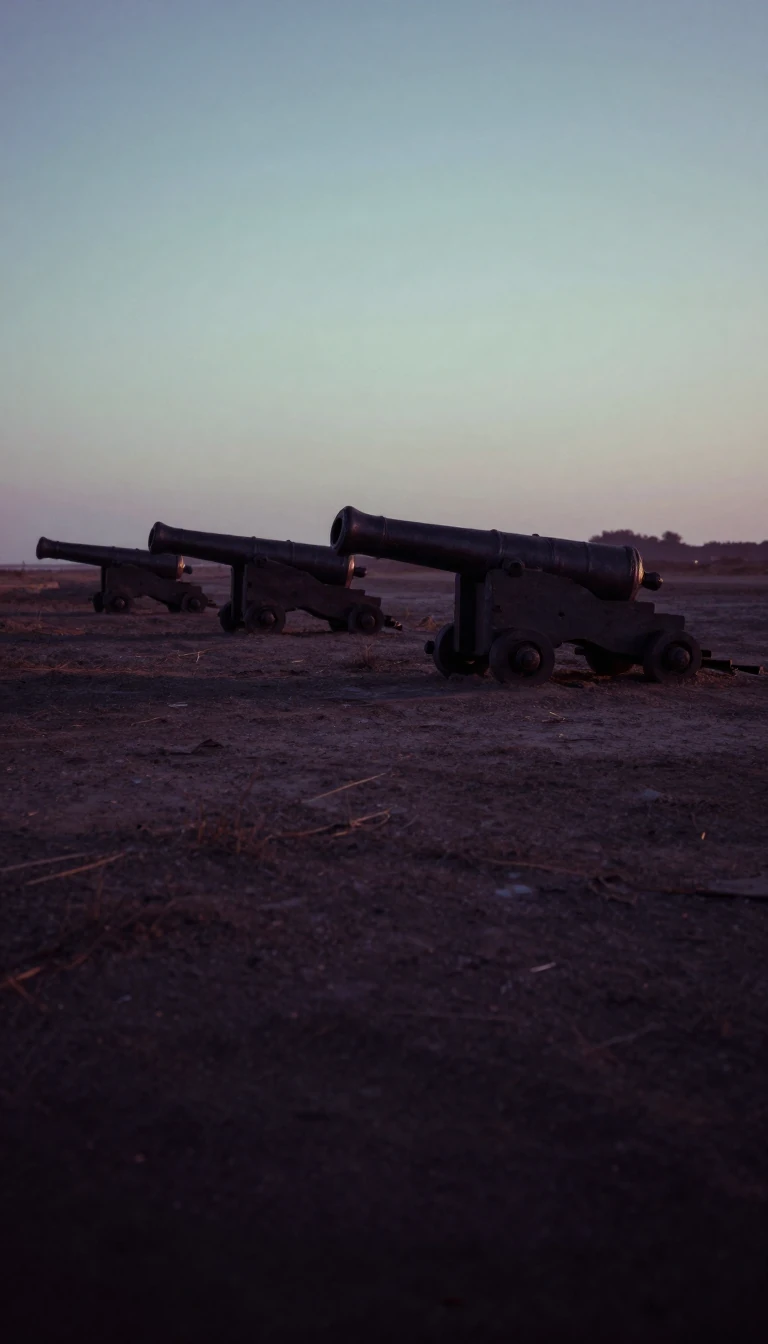
In short: The Allied powers began as a modest pact to defend Poland, but evolved into a global coalition of 47 nations. Driven by the industrial might of the United States and the resilience of the Soviet Union, this diverse group eventually dismantled the Axis powers and reshaped the international order.
The Allied coalition originated from a 1939 promise by the United Kingdom and France to protect Poland from German aggression. When Germany invaded on September 1, 1939, the two nations declared war two days later. Initially, the alliance struggled as Germany swiftly occupied Denmark, Norway, and the Low Countries in 1940. By mid-1940, with France surrendering on June 22, the United Kingdom and its dominions stood largely alone against the Axis.
The war's trajectory shifted dramatically in 1941. On June 22, Germany invaded the Soviet Union, prompting an Anglo-Soviet treaty. Unlike smaller nations that fell quickly, the Soviet Union absorbed the German assault and eventually pushed forces back to Berlin. Following Japan’s December 7, 1941, attack on American, British, and Dutch bases, the United States entered the conflict. President Franklin D. Roosevelt’s 'arsenal of democracy' proved decisive; by the war's end, the U.S. produced nearly two-thirds of all Allied military equipment and mobilized over 16 million troops.
As the war progressed, the coalition expanded through the Declaration by United Nations in 1942 and subsequent additions like Brazil and Mexico. By 1945, the Allies comprised 47 member states. This unity was formalized at the United Nations Conference on International Organization, where allying against the Axis became a requirement for attendance. On June 26, 1945, these nations signed the United Nations charter, transitioning from a wartime coalition into the foundation of the modern international system.
The alliance was not without internal friction. In Australia, Prime Minister John Curtin famously pivoted the nation's security focus from the United Kingdom to the United States in 1942, often clashing with Winston Churchill over defense policy. Meanwhile, in occupied Belgium, a constitutional crisis erupted when King Leopold III refused to follow his government-in-exile to Britain, creating lasting political animosity. Despite these regional tensions, the collective industrial and military output of the 'Big Four'—the U.S., U.K., Soviet Union, and China—remained the primary engine of the Allied victory.
Opens the Intellect+ feed with this card first. Swipe up for the next one.
Sources
- Summary by Intellect · source: Allied powers | World War II, Definition, & Countries | Britannica
- Also: Allied leaders of World War II
To cite this card, link to https://intellectplus.co.uk/app/wars-allied-leaders-of-world-war-ii.
How we source, check and correct cards: Editorial standards.
General information, not professional advice. Spotted an error? Flag the card or see corrections and complaints.
Intellect Plus is a visual educational discovery platform for exploring fascinating facts and ideas. Brain Food, Not Brain Rot. What is Intellect Plus?
Related
More in World wars era · More in Wars & Conflicts · Latest · A–Z · All topics
