The moving city: How the Mughal Empire mastered mobile warfare
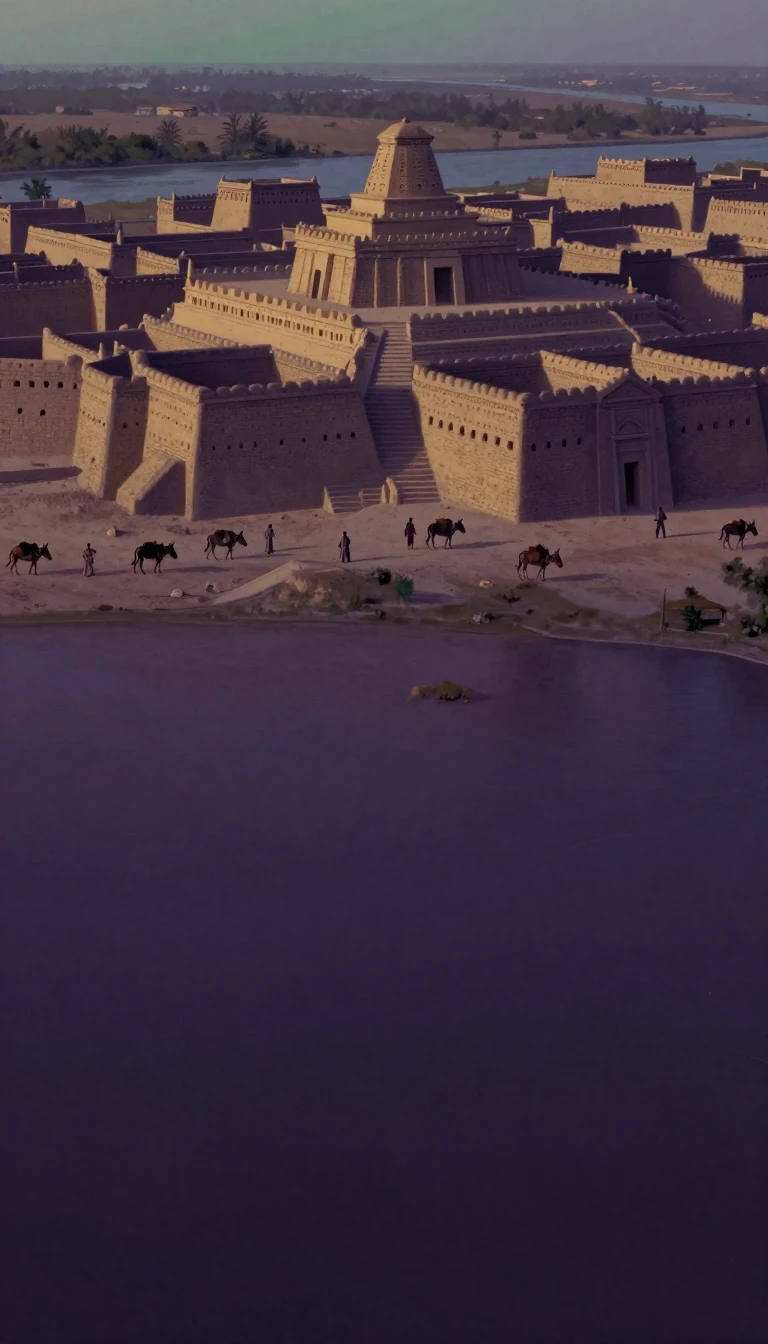
In short: Imagine an army so massive it functioned as a traveling capital, complete with gardens, permanent structures, and thousands of servants. The Mughal Empire didn't just march across India; they transported a sophisticated civilization on the move, blending nomadic steppe tactics with opulent Persian aesthetics to project absolute power.
The Mughal military was defined by its logistical mastery and unique organizational structure. While its roots lay in Central Asian cavalry traditions, Emperor Akbar established the essential framework of the regular forces. The backbone of this system was the mansabdari system, where officers (mansabdars) were responsible for recruiting and maintaining specific quotas of horsemen. A mansabdar's rank—ranging from 10 to as many as 5,000—determined their salary and military obligations. This decentralized recruitment allowed the empire to field a massive force that historians have compared in scale to the Roman Empire or even the modern United States Armed Forces.
Central to this power was the 'exalted camp,' a mobile headquarters that served as a de facto administrative capital. These camps were not mere tents; they were moving cities capable of accommodating up to 300,000 people. They featured Persian-style gardens and elaborate pavilions (such as iwans and qasrs) that reflected high culture. To maintain this lifestyle, the army utilized a staggering logistical train: one large camp could require 100 elephants, 500 camels, 400 carts, and hundreds of specialized workers, including carpenters, leather workers, and sweepers. This mobile technology was a political necessity inherited from nomadic predecessors like Genghis Khan, allowing the Emperor to maintain control over subjects' movements while projecting prestige.
The Mughal military also functioned as a 'gunpowder empire,' integrating heavy cannons (dragged by elephants and oxen), rockets, and mortars alongside unmatched cavalry. The cavalry was particularly renowned for its discipline and shock charges, utilizing horses imported from Arabia, Iran, and Turkey. Furthermore, the empire maintained a naval presence, with fleets in Dhaka containing hundreds of ships and thousands of artillery personnel. By the 17th century, while estimates vary wildly—from 4.4 million to 26 million soldiers—the Mughals controlled a significant portion of the global economy and possessed a military force that rivaled contemporary European powers in per capita strength.
The system was overseen by the Mir Bakhshi, who acted as both paymaster general and army minister. Because every noble was a mansabdar, this role gave the central administration deep influence over the entire ruling class. This structure ensured that military power remained tied to imperial loyalty, though the heavy costs of constant warfare—particularly in the Deccan—eventually strained the empire's resources.
Opens the Intellect+ feed with this card first. Swipe up for the next one.
Sources
- Summary by Intellect · source: Army of the Mughal Empire
To cite this card, link to https://intellectplus.co.uk/app/wars-army-of-the-mughal-empire.
How we source, check and correct cards: Editorial standards.
General information, not professional advice. Spotted an error? Flag the card or see corrections and complaints.
Intellect Plus is a visual educational discovery platform for exploring fascinating facts and ideas. Brain Food, Not Brain Rot. What is Intellect Plus?
Related
More in Early modern wars · More in Wars & Conflicts · Latest · A–Z · All topics
