The five high tides that paralyzed the American Mid-Atlantic coast
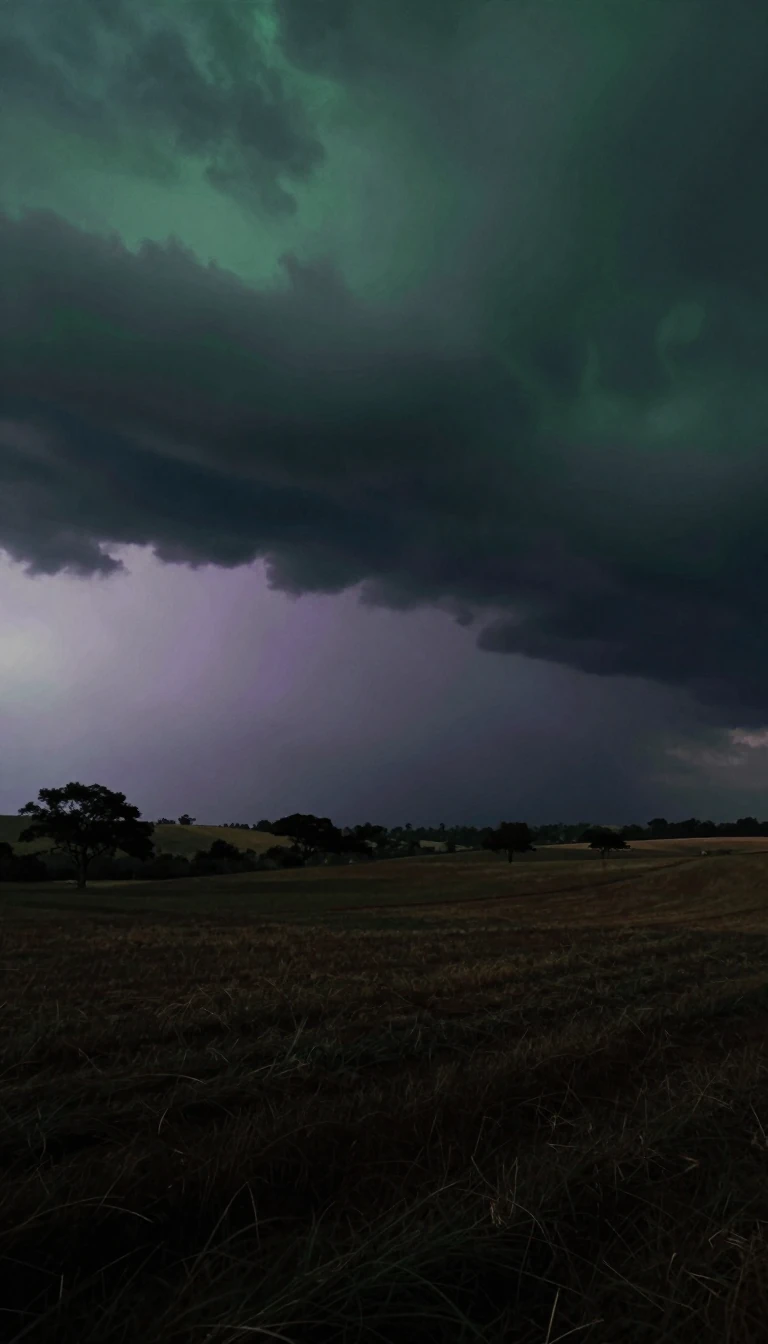
In short: On March 5, 1962, a rare meteorological alignment turned a standard nor'easter into a catastrophic coastal siege. By lingering over the same coastline for five successive high tides, the storm didn't just hit the shore—it stayed, systematically dismantling infrastructure and reshaping the geography of six states.
The Ash Wednesday Storm was defined by its unusual lack of movement. While typical nor'easters travel quickly, a large ridge over Atlantic Canada acted as a blockade, trapping a powerful low-pressure system off the U.S. coast. This interaction created a steep pressure gradient, generating hurricane-force wind gusts and building waves up to 30 feet high from a 600-mile fetch of Atlantic water. As it grew stronger, the tempest hit a low point of 979 mbar (28.9 inHg).
The destruction was amplified by a rare celestial event: the Perigean spring tide. Tides exceeded normal levels due to the Sun and moon aligning while the latter sat at perigee—the nearest distance from our planet. This resulted in five successive high tides that pushed water 5 to 10 feet above normal levels across various states. In Norfolk, Virginia, it produced the third-highest tide on record unrelated to a tropical cyclone, while in New Jersey, floodwaters reached 4 to 5 feet deep, destroying approximately 4,000 houses.
The human and economic toll was staggering. The storm killed 40 people and injured over 1,000, with property damage estimated at $200 million (roughly hundreds of millions in modern terms). It destroyed 1,793 homes and damaged another 16,782. Beyond the coast, the system dropped a regional snowfall index of 12.663, burying western Virginia in up to 42 inches of snow. Even after crossing the Atlantic, the remnants were powerful enough to destroy the seafront at Penzance, Cornwall, on March 13.
The storm also serves as a notable example of maritime peril. A tanker broke in two off Cape Hatteras, and several other vessels were wrecked or lost. In New Jersey, the waves even knocked a 100-foot barge into Steel Pier in Atlantic City, washing out a quarter-mile section of the landmark.
Opens the Intellect+ feed with this card first. Swipe up for the next one.
Sources
- Summary by Intellect · source: Ash Wednesday Storm of 1962
To cite this card, link to https://intellectplus.co.uk/app/wars-ash-wednesday-storm-of-1962.
How we source, check and correct cards: Editorial standards.
General information, not professional advice. Spotted an error? Flag the card or see corrections and complaints.
Intellect Plus is a visual educational discovery platform for exploring fascinating facts and ideas. Brain Food, Not Brain Rot. What is Intellect Plus?
Related
More in Early modern wars · More in Wars & Conflicts · Latest · A–Z · All topics
