A medieval fortress built to withstand the Welsh border raids
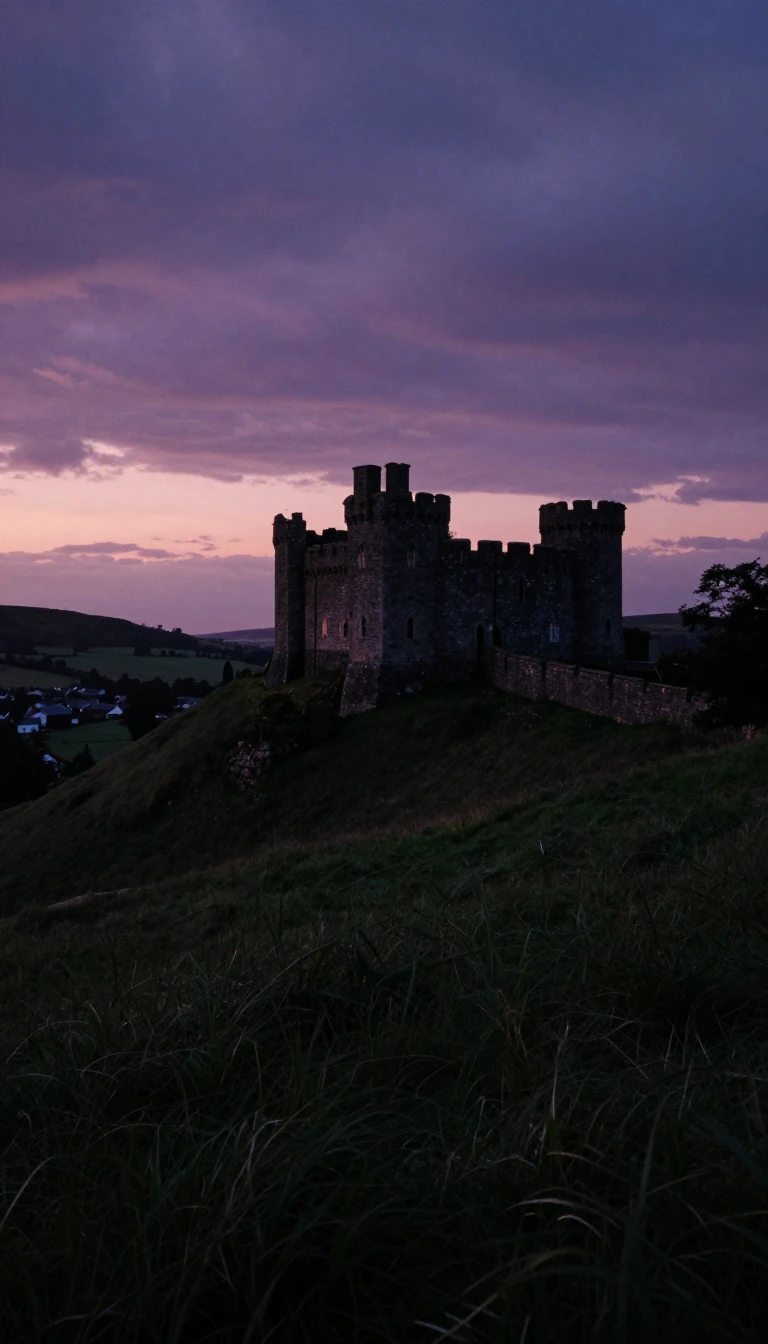
In short: In 1087, a new castle rose in Shropshire to protect a church and its villagers from northern threats. But the true danger didn't just come from outside borders; sometimes, the most significant damage was caused by local feuds and bitter internal conflicts.
The history of Bishop's Castle is deeply intertwined with the volatile nature of the Welsh Marches. Following a period of Saxon rule—where lands were gifted to the Bishop of Hereford by Edwin Shakehead—a new fortification was established in 1087. Originally designed as a motte and bailey, this castle was intended to serve as a defensive bulwark against Welsh incursions during a time when the parish sat partially within both England and Wales. This strategic location placed the settlement near the ancient Kerry Ridgeway, a route used since the Bronze Age. The area's importance as a transit point is evidenced by its proximity to Offa's Dyke.
However, the castle's most notable period of destruction was not caused by external raiders, but by a local power struggle. In 1263, John Fitzalan, who held authority over Oswestry and Clun, besieged the castle during a feud with the Bishop of Hereford. The conflict was devastating, resulting in property damage estimated at 1,060 marks. The siege was part of a broader period of territorial instability. During the Early Middle Ages, shifting boundaries meant that disputes over land often mirrored the political volatility of the region.
Over the centuries, the castle's physical presence transitioned from a military stronghold to a site of domestic utility and, eventually, architectural disappearance. By 1557, descriptions of the site detailed lead-covered rooms, a tower containing a stable, and even a prison tower. By the 1700s, the stone keep had been leveled to create a bowling green. Today, only a 10-metre-long stone wall remains, though much of the original stone was repurposed to construct the Castle Hotel, which stands on the site of the old outer bailey. The site's transformation also saw the construction of the Castle Hotel in 1719 under James Brydges. This era of change saw the castle's former bailey replaced by a structure that would later be owned by Robert Clive.
Opens the Intellect+ feed with this card first. Swipe up for the next one.
Sources
- Summary by Intellect · source: Bishop's Castle
To cite this card, link to https://intellectplus.co.uk/app/wars-bishop-s-castle.
How we source, check and correct cards: Editorial standards.
General information, not professional advice. Spotted an error? Flag the card or see corrections and complaints.
Intellect Plus is a visual educational discovery platform for exploring fascinating facts and ideas. Brain Food, Not Brain Rot. What is Intellect Plus?
Related
More in Medieval wars · More in Wars & Conflicts · Latest · A–Z · All topics
