In the Middle Ages, a slice of Wales was ruled by lords like kings.
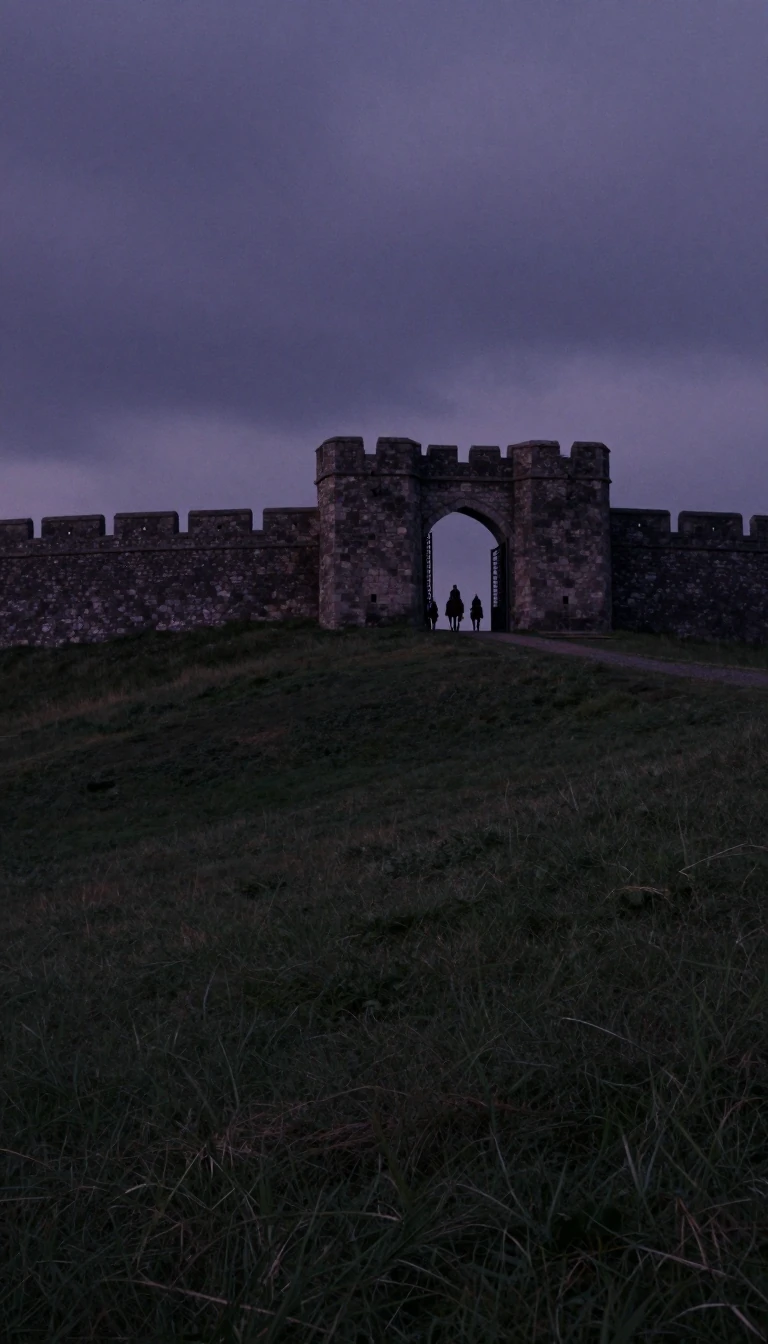
In short: Between England and the Principality of Wales lay the March of Wales, a volatile frontier where Norman barons wielded near-royal power. Independent of the English crown, these lords built hundreds of castles, established their own laws, and created a unique, culturally diverse society that persisted for four centuries.
Following the Norman Conquest, William the Conqueror installed trusted confidants as Earls of Chester, Shrewsbury, and Hereford to contain the Welsh. This initiative evolved into a series of semi-independent lordships known as the March of Wales, or Marchia Wallie. By 1100, these territories encompassed roughly two-thirds of Wales, functioning as a distinct political entity that operated outside the standard English legal and tax systems.
Marcher lords exercised authority sicut regale—like unto a king. They possessed rights typically reserved for the crown, including the power to establish markets, boroughs, and forests. Because these lordships were jurisdictionally separate, they developed a unique legal code, often blending English and Welsh traditions. This frontier society was intensely feudalized, characterized by the highest density of motte-and-bailey castles in Britain, built to defend against Welsh raids and assert Norman dominance.
The autonomy of the Marcher lords eventually became a political anomaly as the English crown consolidated power. Through the accessions of monarchs like Henry IV and Edward IV, and the attainder of lords during the Wars of the Roses, many lordships reverted to royal control. The system was finally dismantled by the Laws in Wales Acts of 1535–1542 under Henry VIII, which abolished the marcher jurisdictions and integrated Wales into a single legal state with England. The legacy of this era remains visible today in the borderlands, where the term 'the Marches' persists in geography and local identity.
Opens the Intellect+ feed with this card first. Swipe up for the next one.
Sources
- Summary by Intellect · source: Welsh Marches
To cite this card, link to https://intellectplus.co.uk/app/wars-welsh-marches.
How we source, check and correct cards: Editorial standards.
General information, not professional advice. Spotted an error? Flag the card or see corrections and complaints.
Intellect Plus is a visual educational discovery platform for exploring fascinating facts and ideas. Brain Food, Not Brain Rot. What is Intellect Plus?
Related
More in Medieval wars · More in Wars & Conflicts · Latest · A–Z · All topics
