From medieval woods to London's suburbs: the evolution of Buckhurst Hill
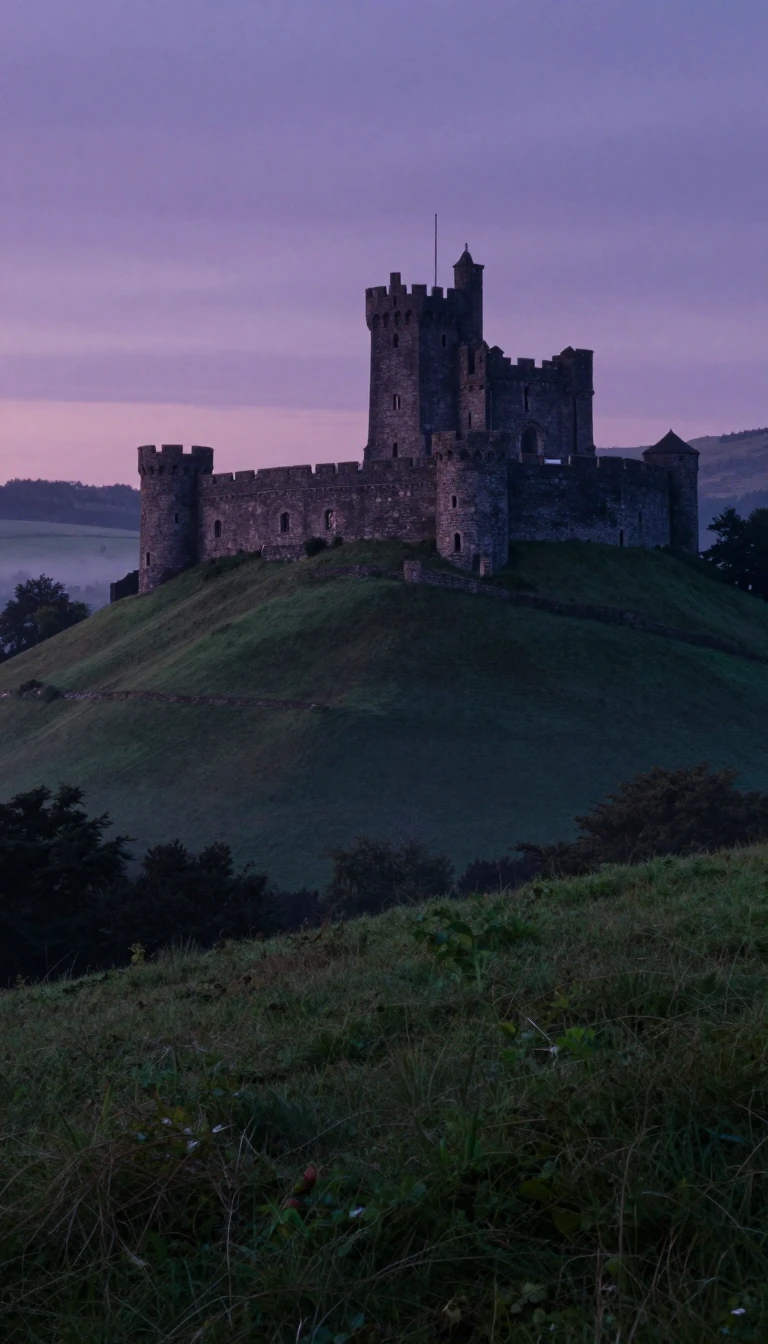
In short: Before it was a commuter hub, Buckhurst Hill was a dense woodland granted to an abbey in 1135. Its transformation from a forest outpost to a bustling urban parish reveals how railway expansion and local activism can reshape the English landscape forever.
The name Buckhurst Hill is rooted in Old English, signifying a hill covered with beech trees. The 12th century saw its first recorded identity as La Bocherste, marking its start as a separate body. Stratford Langthorne Abbey received the 'wood of Buckhurt' during 1135, retaining ownership until 1538 when the monastery closed. During the 17th and 18th centuries, the area was briefly known as Bucket Hill before settling on its current name.
Geographically, the town was historically isolated. In medieval times, it consisted of only a few scattered houses within Epping Forest along an ancient route between Woodford and Loughton. This route was not upgraded into a major stagecoach path until the 17th century. Furthermore, the River Roding acted as a physical barrier; until 1890, there was no bridge connecting Buckhurst Hill to the neighboring village of Chigwell, forcing residents to ford the river or take long detours.
The 19th century marked a period of rapid acceleration. The opening of Buckhurst Hill station in 1856 on the Eastern Counties Railway triggered a construction boom, turning a small population of 180 in 1838 into 4,000 by 1884. This growth sparked a significant environmental conflict: landowners sought to clear the surrounding Epping Forest for development. This pressure led to a public campaign for preservation, culminating in the Epping Forest Act of 1878, which granted the forest statutory protection and placed its management under the Corporation of London.
theme-case-selection perspective mood-selection reflective difficulty-selection 2 topics-selection history, geography, urban-development claims-selection The name Buckhurst Hill means a hill covered with beech trees. The population grew from 180 in 1838 to 4,000 by 1884. The Epping Forest Act 1878 provided statutory protection to the forest. canvas-selection timeline timeline-data timeline-entries
1135: Stratford Langthorne Abbey was given the 'wood of Buckhurt' by the crown. 1538: Stratford Langthorne Abbey was dissolved. 1837: St John's Church was built as a chapel of ease. 1856: Buckhurst Hill station opened on the Eastern Counties Railway. 1878: The Epping Forest Act gave the forest statutory protection.
1890: A bridge was finally built over the River Roding. 1894: Buckhurst Hill became its own urban district. 1933: Buckhurst Hill Urban District was merged into Chigwell Urban District. 1948: The railway route became part of the Central line. 1996: Buckhurst Hill was recreated as a civil parish.
Opens the Intellect+ feed with this card first. Swipe up for the next one.
Sources
- Summary by Intellect · source: Buckhurst Hill
To cite this card, link to https://intellectplus.co.uk/app/wars-buckhurst-hill.
How we source, check and correct cards: Editorial standards.
General information, not professional advice. Spotted an error? Flag the card or see corrections and complaints.
Intellect Plus is a visual educational discovery platform for exploring fascinating facts and ideas. Brain Food, Not Brain Rot. What is Intellect Plus?
Related
More in Medieval wars · More in Wars & Conflicts · Latest · A–Z · All topics
