The Renaissance fortress in Kenya designed to look like a human body
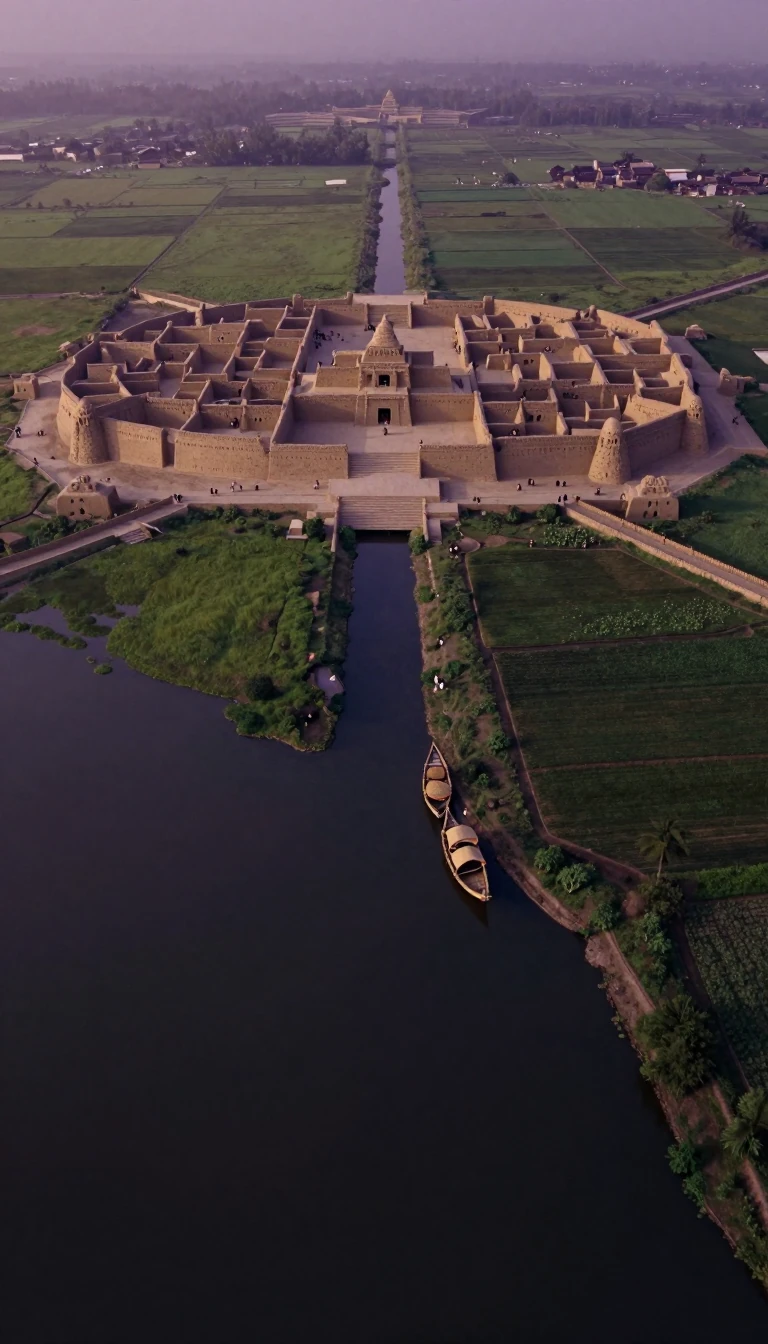
In short: Constructed in the late 16th century to secure trade routes, Fort Jesus is a masterpiece of military engineering. Shaped like a person lying on their back, the structure has survived centuries of sieges, changing hands between Portuguese, Omani, and British forces before becoming a protected museum and global heritage site.
Commissioned by King Felipe II of Spain and Portugal, Fort Jesus was built between 1593 and 1596 on Mombasa Island. The Italian architect Giovanni Battista Cairati designed the site as a defensive stronghold to guard the Old Port, marking a significant moment in European efforts to dominate Indian Ocean commerce. While the architectural plans followed Renaissance principles, the actual construction relied on the masonry skills and labor of the local Swahili population.
The fort’s strategic value made it a constant target, changing control at least nine times between 1631 and 1895. Its history is defined by intense conflict, most notably a brutal two-year siege led by the Omani Arabs from 1696 to 1698. Each occupying power left a distinct mark on the structure: the Portuguese installed long-range cannons, the Omani Arabs added three meters to the walls and inscribed Koranic verses, and the British eventually repurposed the site as a prison.
Today, the fort serves as a museum and research hub, housing a conservation lab and an education department. Visitors can observe the physical layering of history, from the original 15-meter Portuguese walls to the 76-foot well sunk by the Omanis. Designated a UNESCO World Heritage site in 2011, the fort remains a vital record of the diverse cultural and military influences that shaped the East African coast over four centuries.
The site is also a testament to the evolution of defensive technology. The original Portuguese design was the first European-style fort built outside of Europe specifically to withstand cannon fire. Excavations led by James Kirkman between 1958 and 1971 helped clarify the fort's complex history, transforming it from a colonial prison into a protected monument that continues to draw tourists and scholars alike to the heart of Mombasa.
Opens the Intellect+ feed with this card first. Swipe up for the next one.
Sources
- Summary by Intellect · source: Fort Jesus
- Also: Wikidata — Fort Jesus Museum · CC0
- Also: Wikidata — Fort Jesus and the Portuguese in Mombasa · CC0
To cite this card, link to https://intellectplus.co.uk/app/places-fort-jesus.
How we source, check and correct cards: Editorial standards.
General information, not professional advice. Spotted an error? Flag the card or see corrections and complaints.
Intellect Plus is a visual educational discovery platform for exploring fascinating facts and ideas. Brain Food, Not Brain Rot. What is Intellect Plus?
Related
More in World Heritage Sites · More in Countries & Cities · Latest · A–Z · All topics
