The medieval chevauchée was a systematic campaign of terror designed to ruin enemy economies.
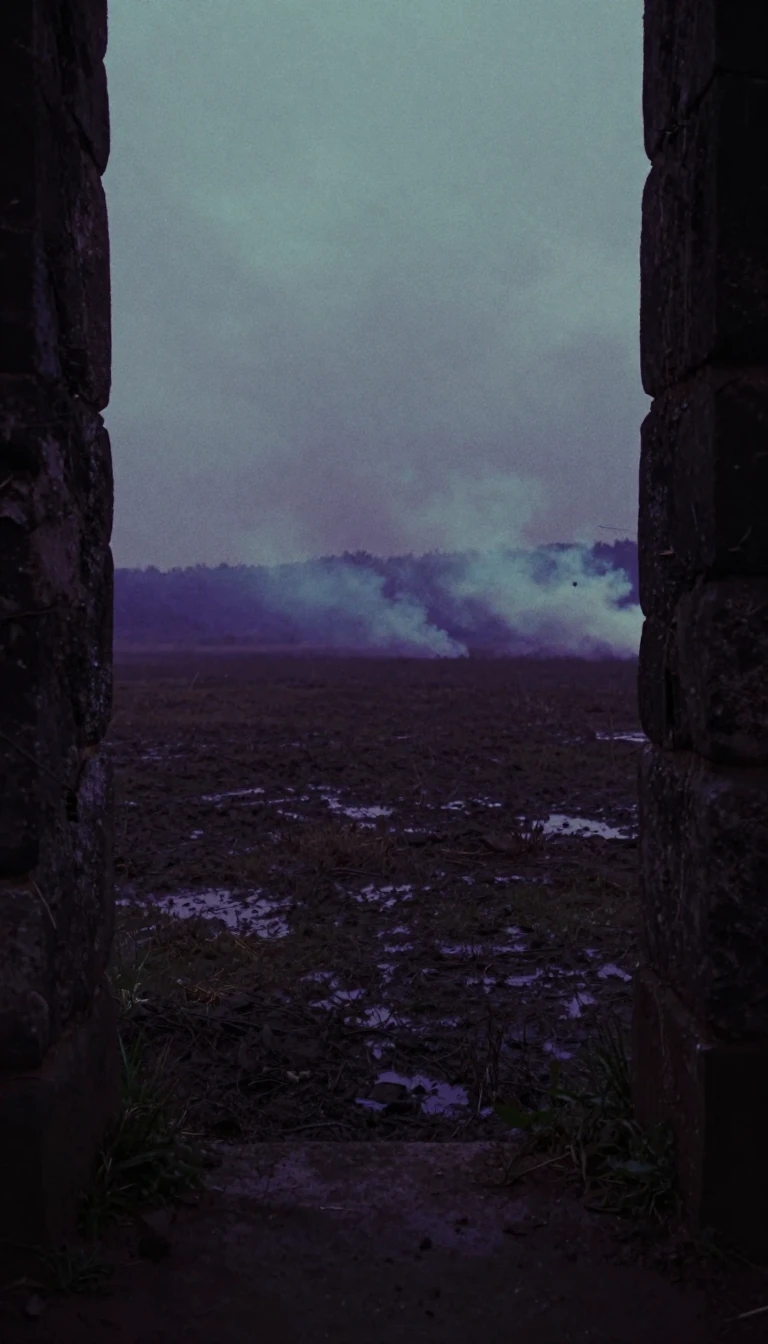
In short: Before modern scorched earth, there was the chevauchée. This brutal medieval raiding tactic aimed to destroy crops, burn villages, and discredit governments by proving they could not protect their own subjects. It was a calculated, high-stakes strategy that turned the countryside into a weapon during the Hundred Years' War.
The chevauchée was a raiding method used primarily to weaken an enemy by reducing a region's productivity through systematic pillaging and destruction. While it was not a new tactic—William the Conqueror used similar methods before the Battle of Hastings—it became a defining feature of the Hundred Years' War. During this conflict, English forces employed it on a larger, more organized scale to terrorize rural society, destroy houses, and seize livestock.
The strategy served multiple purposes: forcing an enemy into a disadvantageous battle, discrediting a government by exposing its inability to defend its people, and detaching subjects from their loyalty. Because rural villages lacked fortifications, they were primary targets. Peasants often attempted to defend themselves by fortifying stone churches with ditches and crossbows, but they rarely stood a chance against professional soldiers. Unlike knights, villagers were seldom worth the cost of ransoming, leading to frequent slaughter.
The tactic evolved significantly over time. Historian Kelly DeVries notes that it became a regular strategy for Edward III after the Black Death left him without the troops for conventional warfare. Campaigns like those led by the Black Prince in 1355 and 1356 were notoriously destructive, forcing cities like Toulouse to become militarily self-reliant. However, the chevauchée was not always successful; John of Gaunt’s 1373 expedition ended in a military failure, with his army starving and losing over half of their 30,000 horses.
By the 15th century, the focus of warfare shifted toward sieges and territorial conquest. As English armies gained control over major French towns like Rouen and Caen, the need for the destructive chevauchée diminished. Although commanders like Sir John Fastolf proposed a return to these aggressive tactics in a 1435 memorandum, the era of the grand, systematic raid was largely coming to an end.
Opens the Intellect+ feed with this card first. Swipe up for the next one.
Sources
- Summary by Intellect · source: Chevauchée
To cite this card, link to https://intellectplus.co.uk/app/wars-chevauch-e.
How we source, check and correct cards: Editorial standards.
General information, not professional advice. Spotted an error? Flag the card or see corrections and complaints.
Intellect Plus is a visual educational discovery platform for exploring fascinating facts and ideas. Brain Food, Not Brain Rot. What is Intellect Plus?
Related
More in Medieval wars · More in Wars & Conflicts · Latest · A–Z · All topics
