Why the next generation of underwater warfare may rely on rectangular drones
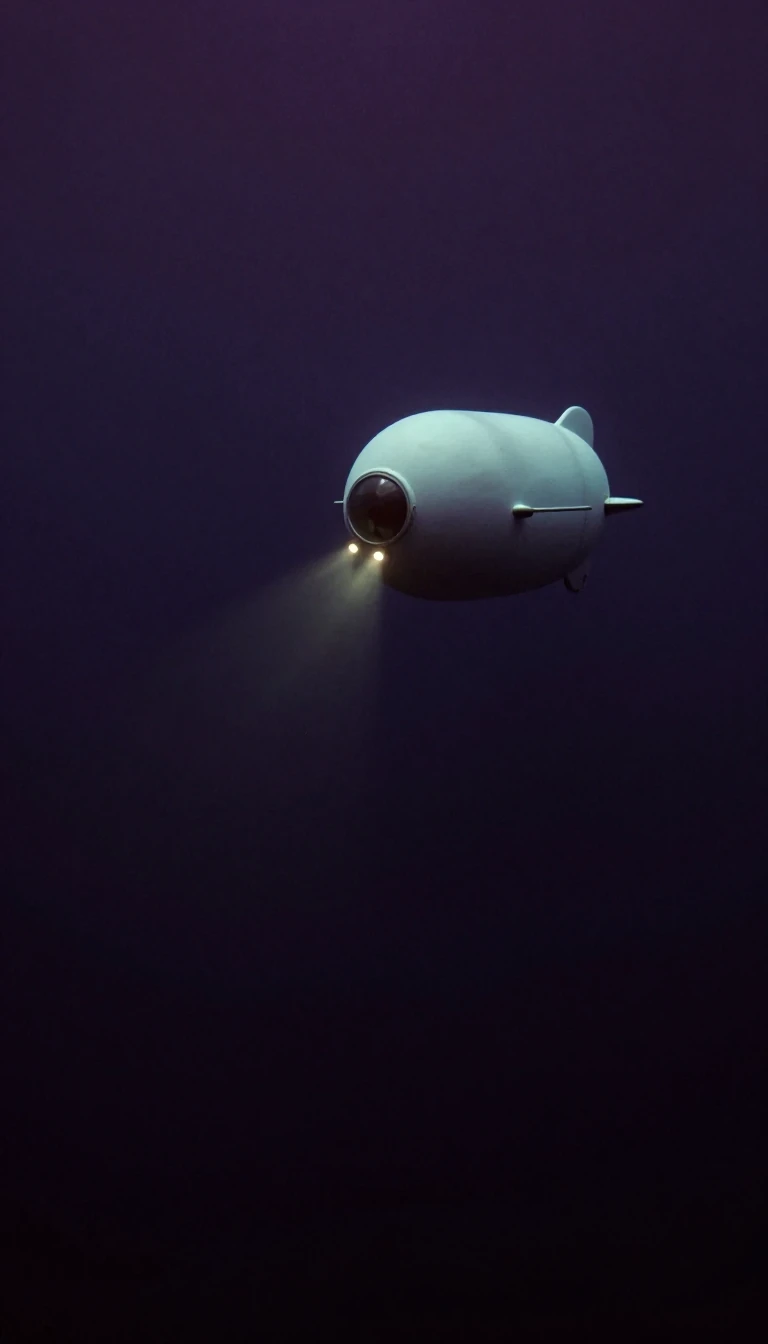
In short: Forget the sleek, cylindrical torpedoes of the past. A new family of autonomous underwater vehicles, known as Copperhead, uses a simplified rectangular design to enable mass production. These low-cost, reusable drones are being engineered to transform how we defend the deep ocean.
Developed by Andurict, the Copperhead family of unmanned underwater vehicles (UUVs) represents a shift toward high-volume, low-cost maritime technology. Unlike traditional torpedoes, which are single-use and expensive to manufacture, Copperhead is designed to be recoverable, refurbished, and reused. This reusability, combined with a departure from traditional engineering, allows for a price point that is only a fraction of the cost of legacy systems.
The structural design of Copperhead is a key part of this economic strategy. While established weapons like the Mark 54 and Mark 48 torpedoes utilize cylindrical hulls, Anduril has opted for a rectangular hull form. This choice was intentional: stamping out rectangular or square shapes is significantly easier than creating cylinders, which reduces construction costs and simplifies development. This streamlined production is intended to support a massive scale, with Anduril aiming to produce anywhere from hundreds to thousands of these systems annually.
These drones are not meant to replace crewed submersibles but to supplement them, particularly in high-risk environments. The system is specifically designed for potential conflicts involving the People's Republic of China, where deployment in dangerous zones may require unmanned platforms. The Copperhead-100M is comparable in size to the Mark 54, while the larger Copperhead-500M mirrors the Mark 48. These units can be deployed from larger hosts like the Ghost Shark (also known as Dive-XL), which can carry dozens of the smaller 100M variants.
Beyond combat, the technology has broader utility. While the 'M' subvariants act as 'kamikaze'-style munitions, other configurations can carry sensors, magnetometers, or chemical detection equipment. These non-military versions are intended for search and rescue, environmental monitoring, and inspecting underwater infrastructure. All units utilize the Lattice AI software, allowing them to communicate via acoustic and optical technologies even in low-bandwidth subsea environments.
Opens the Intellect+ feed with this card first. Swipe up for the next one.
Sources
- Summary by Intellect · source: Copperhead (UUV)
To cite this card, link to https://intellectplus.co.uk/app/wars-copperhead-uuv.
How we source, check and correct cards: Editorial standards.
General information, not professional advice. Spotted an error? Flag the card or see corrections and complaints.
Intellect Plus is a visual educational discovery platform for exploring fascinating facts and ideas. Brain Food, Not Brain Rot. What is Intellect Plus?
Related
More in Submarines · More in Wars & Conflicts · Latest · A–Z · All topics
