The battleship that became a pioneer of the carrier age
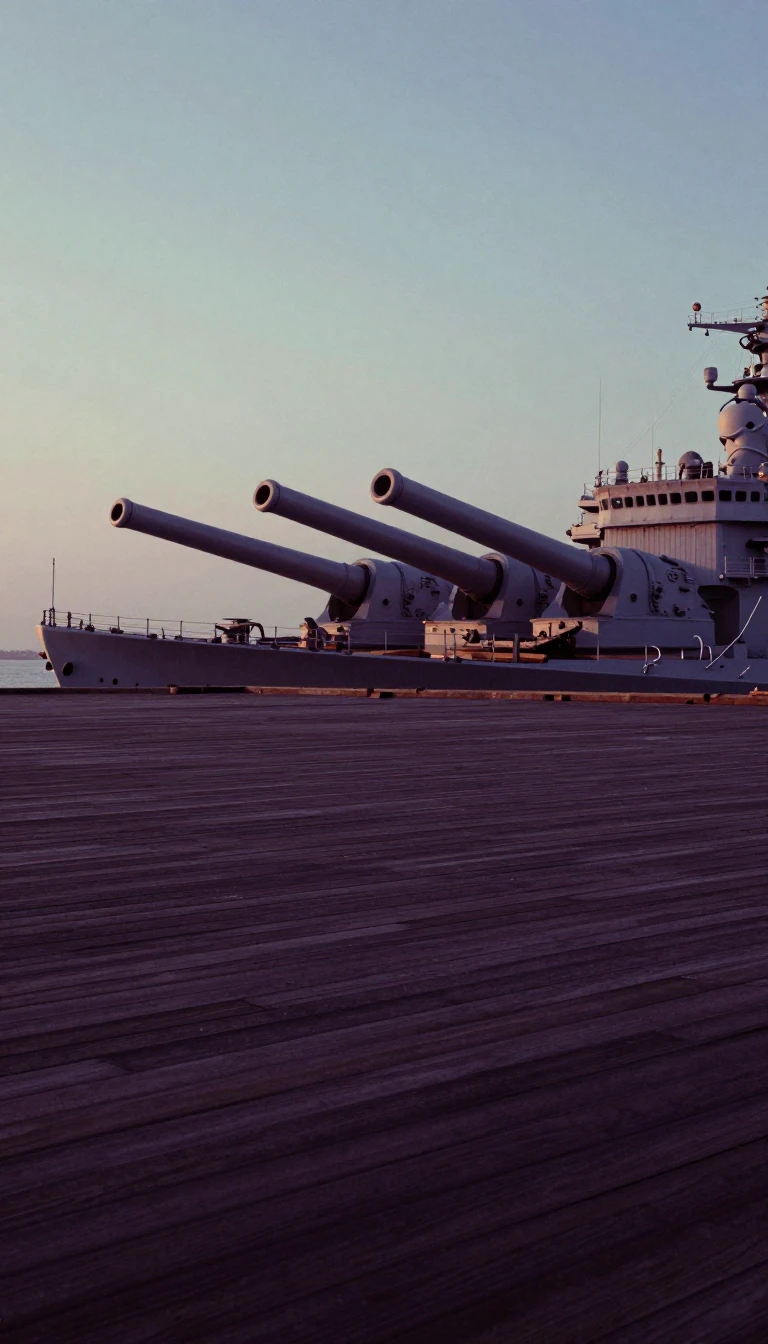
In short: In 1918, the Royal Navy purchased a nearly finished Chilean battleship and stripped it down to create one of the world's first aircraft carriers. This radical transformation wasn't just a repurposing of steel; it was a high-stakes laboratory for the future of naval warfare.
The HMS Eagle (1918) began as the Almirante Cochrane, a 28,450-ton super-dreadnought ordered by Chile in 1911. When World War I broke out, construction was suspended, allowing the British Admiralty to purchase the hull in 1918. The conversion was a complex engineering feat: the ship's superstructure was removed, and its 14-inch gun barbettes were replaced with a hangar and a 1-inch thick flight deck. To accommodate the new role, the ship's coal and oil storage was significantly expanded, with the forward and rear magazines converted into oil tanks.
The ship served as a critical testbed for carrier design. Early plans featured two islands separated by the flight deck, but trials with the HMS Furious revealed that pilots tended to turn toward the port side during aborted landings. Consequently, the design was revised in 1918 to eliminate the port island, leaving a single starboard structure to house the bridge and funnels. Further testing in 1920 evaluated longitudinal arresting gear, which was eventually lengthened to 320 feet to prevent aircraft from veering off the deck. These trials proved that carriers needed shock-absorbing landing gear and refined aerodynamics to handle the pitching of the sea.
Despite its pioneering status, Eagle faced significant operational hurdles. During World War II, she was often short of fighters and spent much of her early service equipped only with Fairey Swordfish torpedo bombers. She participated in the Battle of Calabria in 1940, where her aircraft failed to score any hits. Her career ended tragically on August 11, 1942, when she was torpedoed and sunk by the German submarine U-73 while escorting a convoy to Malta during Operation Pedestal, resulting in 131 lives lost.
Eagle's legacy is defined by the transition from battleship dominance to naval aviation. Her construction was plagued by labor troubles and a nearly successful attempt by Chile to repurchase her for reconversion into a battleship in 1919. Ultimately, the Admiralty's decision to keep her for flying trials ensured that the lessons learned from her deck—regarding wind turbulence, arresting gear, and island placement—would shape the design of every modern carrier that followed.
Opens the Intellect+ feed with this card first. Swipe up for the next one.
Sources
- Summary by Intellect · source: HMS Eagle (1918)
To cite this card, link to https://intellectplus.co.uk/app/wars-hms-eagle-1918.
How we source, check and correct cards: Editorial standards.
General information, not professional advice. Spotted an error? Flag the card or see corrections and complaints.
Intellect Plus is a visual educational discovery platform for exploring fascinating facts and ideas. Brain Food, Not Brain Rot. What is Intellect Plus?
Related
More in 19th-century wars · More in Wars & Conflicts · Latest · A–Z · All topics
