Why thousands of soldiers remain missing in action decades after their final battles
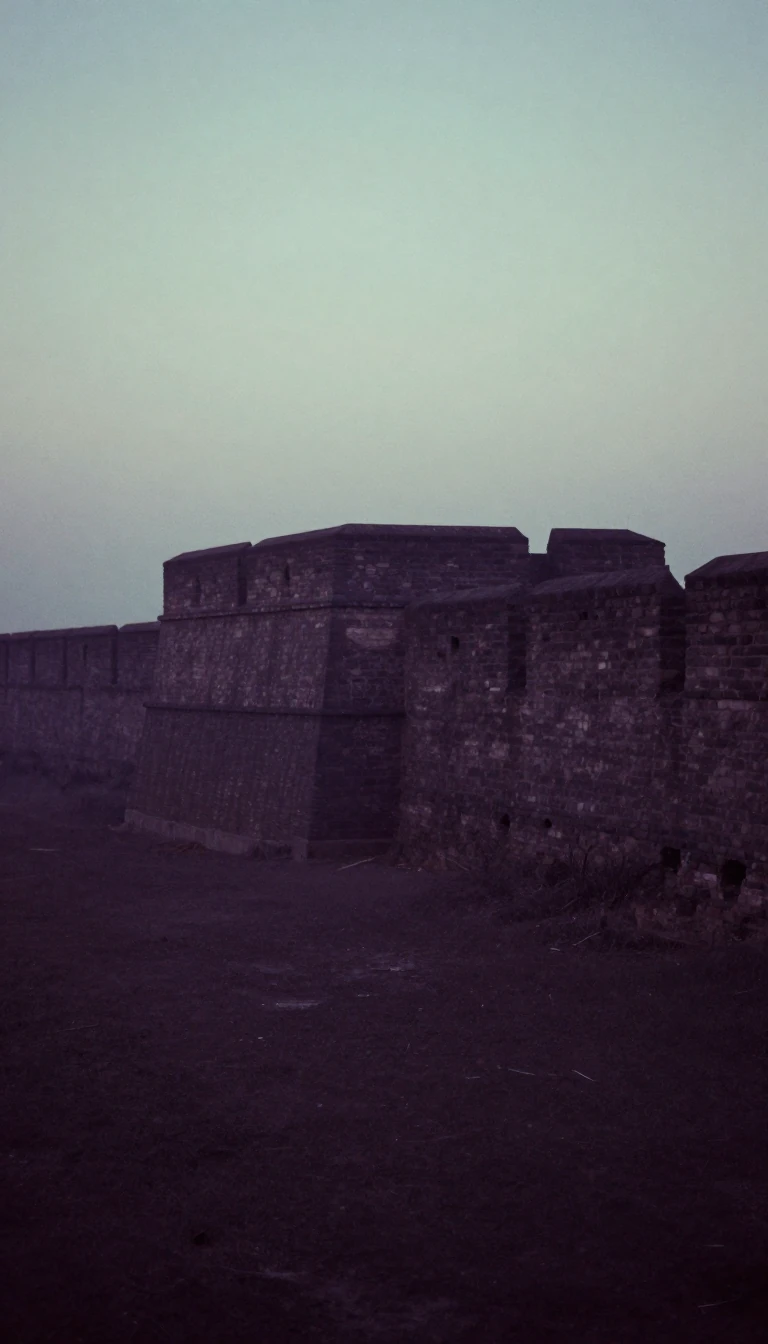
In short: Becoming missing in action is an occupational hazard of warfare as old as combat itself. From the fog of war to the total disintegration of remains by high-explosive munitions, identifying the fallen is a complex, often impossible task. Yet, modern forensic science and diplomacy continue to bring the lost home.
The classification of missing in action (MIA) encompasses combatants who are killed, wounded, captured, or deserted, provided their remains or graves have not been positively identified. Historically, this was a common outcome due to the lack of formal identification systems. Until the early 20th century, soldiers rarely carried ID tags, and battlefield clearance was often haphazard. Looting of the dead, rapid decomposition, and the use of mass graves further obscured the identities of those who fell in conflicts ranging from the Hundred Years' War to the Napoleonic Wars.
The First World War marked a turning point in how nations handled their dead. The sheer scale of mechanized warfare, exemplified by the 300,000 casualties at the Battle of the Somme in 1916, necessitated new approaches. While the introduction of metal ID tags and the influence of the Geneva Conventions improved record-keeping, the destructive power of modern artillery meant that many bodies were obliterated or buried in forgotten locations. Today, remains are still discovered during construction or agricultural work, often requiring advanced DNA testing and dental record comparisons to achieve identification.
The search for the missing remains a volatile intersection of science and geopolitics. In the Korean War, for instance, over 8,000 U.S. personnel were never recovered. Recovery efforts have been repeatedly stalled by shifting diplomatic relations between the United States and North Korea, with the Defense POW/MIA Accounting Agency (DPAA) sometimes facing criticism for its irregular record-keeping. Despite these hurdles, ongoing forensic work and international cooperation—such as the repatriation of remains from the Korean Demilitarized Zone—continue to provide closure to families, transforming 'unknown' soldiers into identified individuals long after the fighting has ceased.
Opens the Intellect+ feed with this card first. Swipe up for the next one.
Sources
- Summary by Intellect · source: Missing in action
To cite this card, link to https://intellectplus.co.uk/app/wars-missing-in-action.
How we source, check and correct cards: Editorial standards.
General information, not professional advice. Spotted an error? Flag the card or see corrections and complaints.
Intellect Plus is a visual educational discovery platform for exploring fascinating facts and ideas. Brain Food, Not Brain Rot. What is Intellect Plus?
Related
More in World wars era · More in Wars & Conflicts · Latest · A–Z · All topics
