How a small New Hampshire city became the unlikely stage for global peace treaties
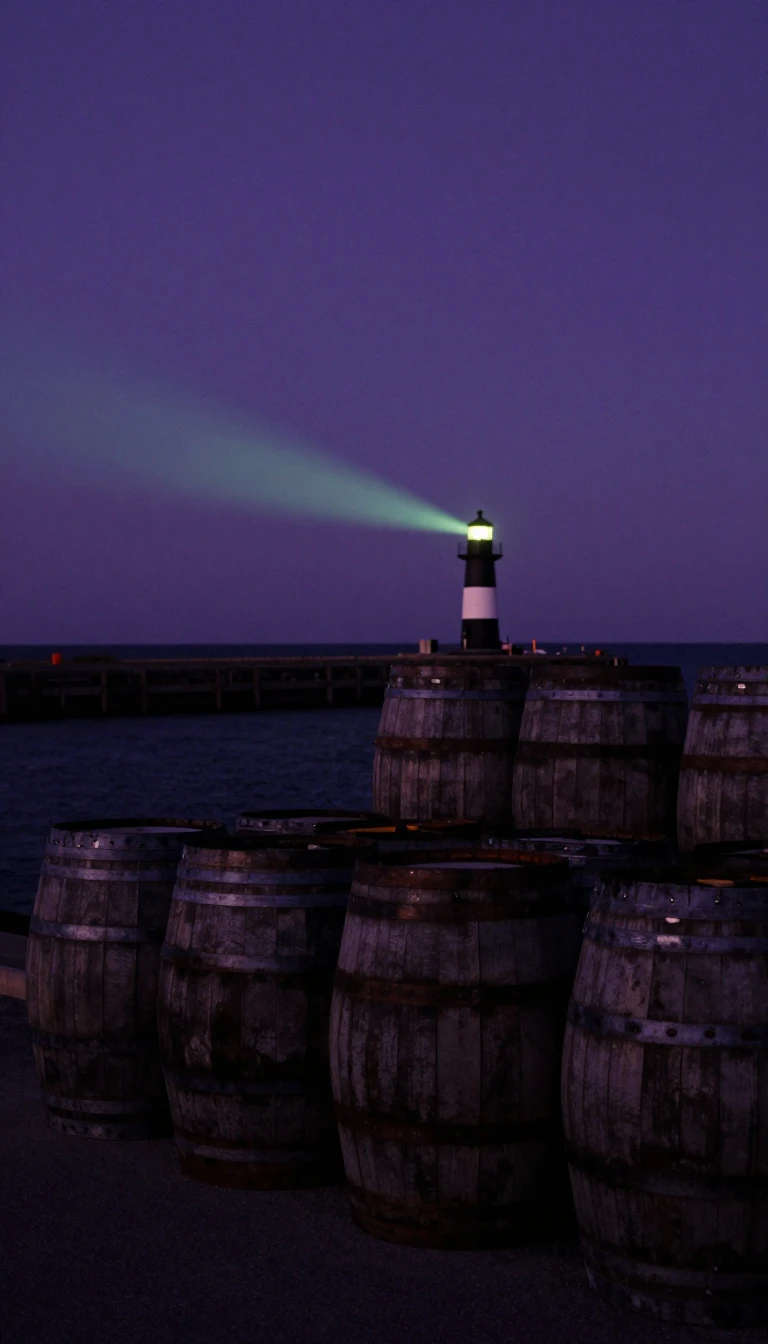
In short: Portsmouth, New Hampshire, is far more than a scenic coastal destination. Beyond its historic architecture and vibrant dining scene, this harbor city has served as a critical nexus for American naval power, revolutionary logistics, and high-stakes international diplomacy that reshaped the geopolitical map of the twentieth century.
Portsmouth’s strategic importance began early, rooted in its natural harbor on the Piscataqua River. By the time of the American Revolution, the city was already a vital hub, receiving essential military supplies like gunpowder and artillery to aid the Patriot cause. Its maritime identity was cemented in 1800 when the federal government established the Portsmouth Naval Shipyard on Seavey's Island, creating the nation's first facility of its kind. This shipyard later became a crucible for innovation, notably constructing the USS Albacore in 1953, an experimental submarine that pioneered the teardrop hull design now standard in modern naval vessels.
The city's role in global affairs reached a zenith in 1905. President Theodore Roosevelt selected the shipyard as the neutral ground for negotiations to end the Russo-Japanese War. Although Roosevelt did not visit the city himself, the resulting Treaty of Portsmouth earned him the 1906 Nobel Peace Prize. This tradition of hosting conflict resolution dates back to the 1713 Treaty of Portsmouth, which sought to stabilize relations between colonial settlers and the Abenaki people during the colonial era.
The twentieth century brought further transformation, particularly through the expansion of the local airport into Pease Air Force Base in 1956. As a key component of the Strategic Air Command, the base housed nuclear-capable bombers, including the 509th Bomb Wing, until its closure in 1991. Today, Portsmouth balances this heavy military and diplomatic legacy with aggressive historic preservation. While urban renewal efforts in the 1960s threatened to erase the city's colonial character, local advocacy saved key structures, ensuring that the dense, walkable downtown remains a living museum of the nation's past.
Opens the Intellect+ feed with this card first. Swipe up for the next one.
Sources
- Summary by Intellect · source: Portsmouth, New Hampshire
- Also: www.portsmouthnh.gov — City of Portsmouth, NH | Official Government Website & Community Resources
To cite this card, link to https://intellectplus.co.uk/app/wars-portsmouth-new-hampshire.
How we source, check and correct cards: Editorial standards.
General information, not professional advice. Spotted an error? Flag the card or see corrections and complaints.
Intellect Plus is a visual educational discovery platform for exploring fascinating facts and ideas. Brain Food, Not Brain Rot. What is Intellect Plus?
Related
More in Early modern wars · More in Wars & Conflicts · Latest · A–Z · All topics
