The post–Cold War era marked a shift from bipolar tension to uncertain global landscapes.
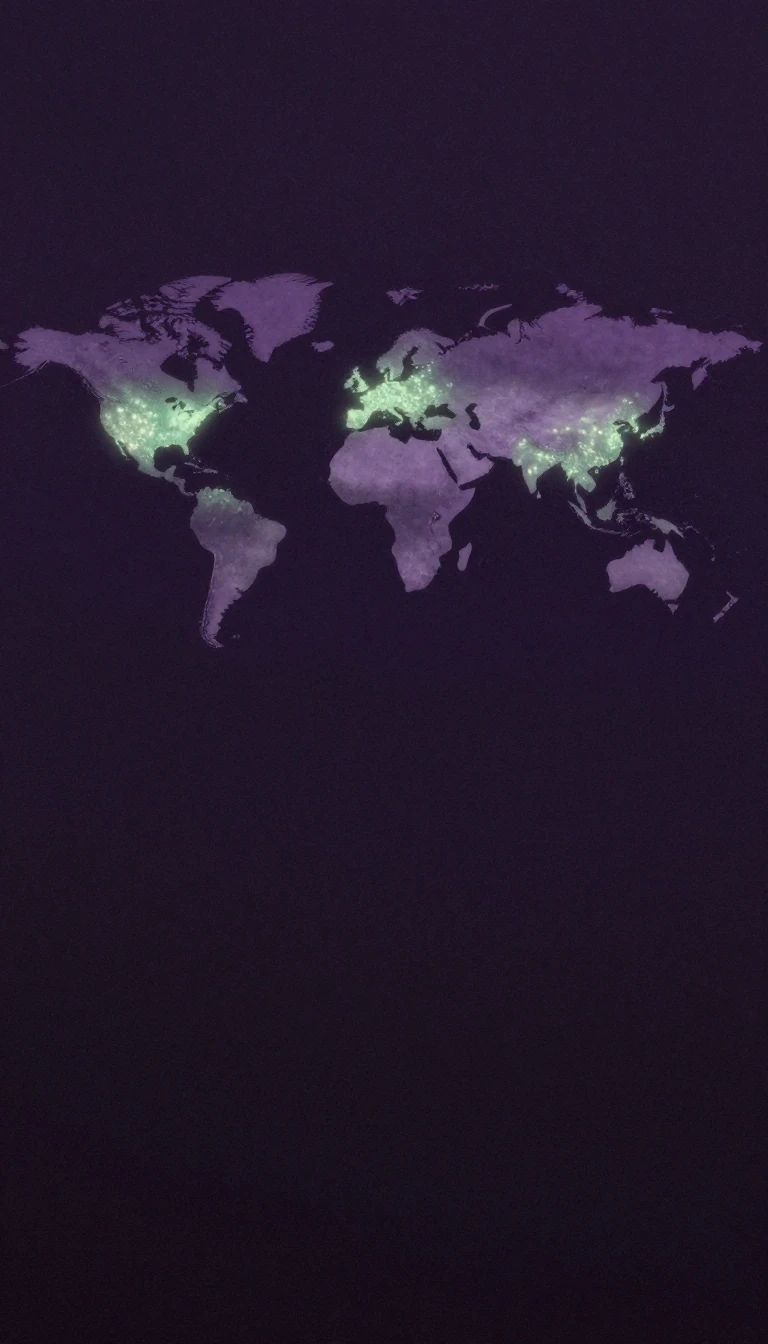
In short: When the Soviet Union dissolved by 1991, the world entered a period defined by the end of binary ideological conflict. While this transition promised stabilization and democratic expansion, it also introduced complex new threats, forcing scholars to rethink how nations pursue security in an increasingly interconnected and unpredictable international environment.
The post–Cold War era, beginning around 1991, fundamentally altered the global order that had been dominated by the United States and the Soviet Union since approximately 1947. As the Iron Curtain fell and communism collapsed across Eastern Europe, the United States emerged as the sole superpower. This transition was viewed by many as a victory for democracy and capitalism, prompting nations worldwide to adopt these values to gain international legitimacy. By 2023, only five countries remained under communist rule, including China, Cuba, and North Korea.
This new era was characterized by significant disarmament, including the reduction of nuclear stockpiles by both Russia and the United States. However, the period also introduced a series of geopolitical upheavals. Historian John Lewis Gaddis noted that the years 1989–1991 represented a rare 'punctuation' in history, where old patterns of stability dissolved before new ones could fully emerge. This instability manifested in various conflicts, ranging from the Gulf War and the Yugoslav Wars to the War in Afghanistan and the Iraq War, alongside emerging challenges like hybrid warfare and the AI boom.
Scholars like Barry Buzan argue that security remains a versatile analytical framework for understanding this landscape. In the post–Cold War environment, threats are no longer confined to military competition; they span economic, societal, and environmental domains. The interplay of these vulnerabilities requires a more nuanced approach to international relations than the rigid power dynamics of the previous era. As the global order shifts—with power moving from the G7 to the G20 and China asserting a greater role—the challenge lies in navigating a world where competitive relations remain inescapable.
While the post–Cold War era is often associated with these modern shifts, the impulse for international institutional cooperation has deeper roots. Following World War II, statesmen established a network of global institutions, including the United Nations, the IMF, and the World Bank, to replace outdated national diplomacy. These institutions, though sometimes limited, reflected a post-1945 commitment to multilateralism that continues to influence how states attempt to manage global crises today.
Opens the Intellect+ feed with this card first. Swipe up for the next one.
Sources
- Summary by Intellect · source: History of Europe - Postwar Recovery, Cold War, Integration | Britannica
- Also: Post–Cold War era
To cite this card, link to https://intellectplus.co.uk/app/wars-post-cold-war-era.
How we source, check and correct cards: Editorial standards.
General information, not professional advice. Spotted an error? Flag the card or see corrections and complaints.
Intellect Plus is a visual educational discovery platform for exploring fascinating facts and ideas. Brain Food, Not Brain Rot. What is Intellect Plus?
Related
More in Early modern wars · More in Wars & Conflicts · Latest · A–Z · All topics
