The town that burned its own homes to spite an army
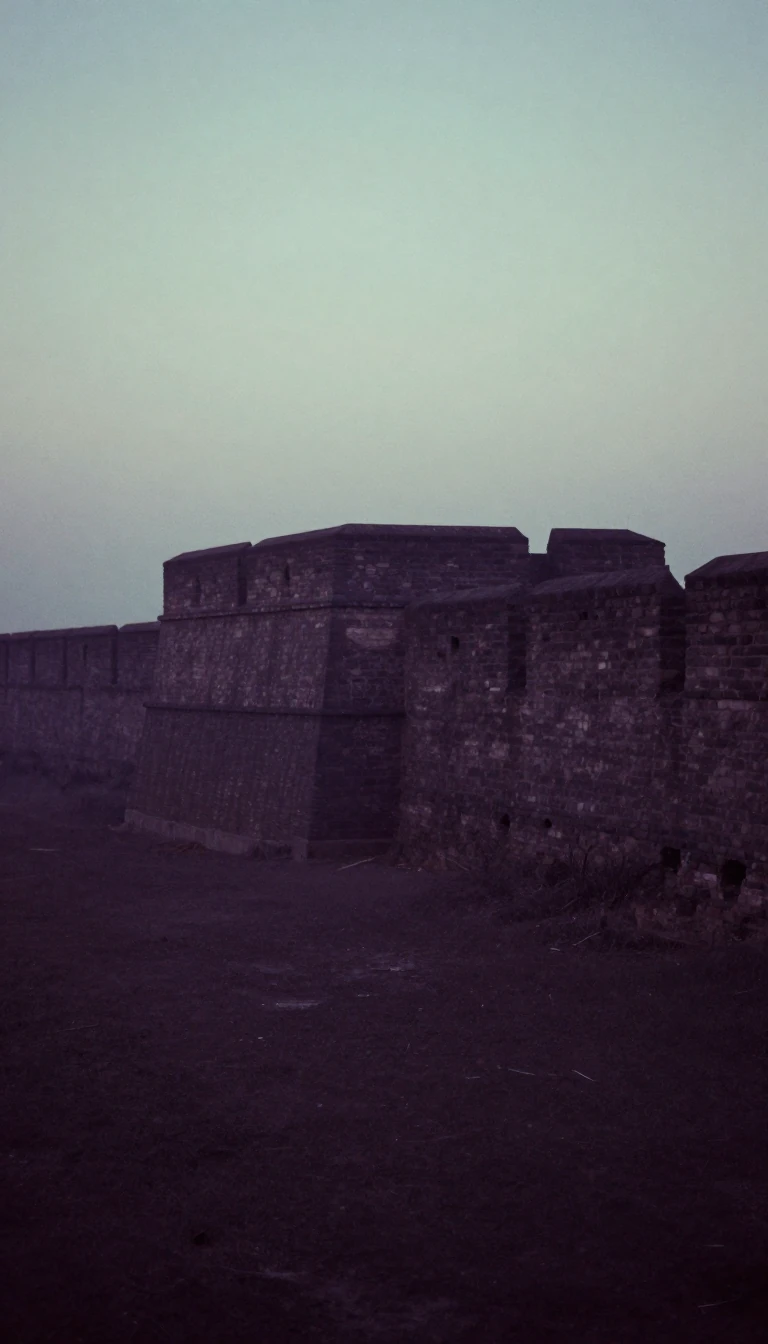
In short: During the American Civil War, the residents of Princeton, West Virginia, took a radical step to protect their supplies. Rather than letting the Union army seize their resources, the locals chose to torch their own homes, leaving a scorched landscape that served as a defiant statement of resistance.
Princeton's history is deeply tied to the conflict of the American Civil War. While it did not host major battles, it was the site of the Battle of Pigeon Roost (also known as the Battle of Princeton Courthouse) on May 17, 1862. This engagement resulted in a Confederate victory as they defended the Dublin railroad. However, the most striking local narrative occurred earlier, on May 1, 1862, when Captain Walter Jenifer of the CSA ordered the burning of the town to prevent Union forces from acquiring supplies.
Local history suggests a unique level of civilian cooperation: many residents reportedly torched their own homes and moved away, ensuring the Union army found nothing but ashes. This act of scorched-earth resistance was not a retaliatory strike by the military, but a community-led effort. The Robert McNutt house remains the sole surviving structure from that era, carrying the irony of having served as a Union army headquarters at one point.
The town's identity remained firmly pro-Confederate even after the war. Following the conflict, the community shunned Judge Nathaniel Harrison, who was viewed as a Confederate turncoat. While Princeton slowly rebuilt during Reconstruction, its modern identity was forged by the late 19th-century industrial boom. The region became a hub for bituminous coal, eventually leading to the development of the Virginian Railway in 1907, which established Princeton as a major headquarters for the New River Division.
Today, the town preserves this heritage through a replica of the original two-story Princeton Passenger Station and Offices. This museum stands as a tribute to a town that transitioned from a site of desperate wartime destruction to a cornerstone of the American railroad and coal industries.
Opens the Intellect+ feed with this card first. Swipe up for the next one.
Sources
- Summary by Intellect · source: Princeton, West Virginia
- Also: Princeton | Mountain Town, Coal Mining, Historic | Britannica
To cite this card, link to https://intellectplus.co.uk/app/wars-princeton-west-virginia.
How we source, check and correct cards: Editorial standards.
General information, not professional advice. Spotted an error? Flag the card or see corrections and complaints.
Intellect Plus is a visual educational discovery platform for exploring fascinating facts and ideas. Brain Food, Not Brain Rot. What is Intellect Plus?
Related
More in Early modern wars · More in Wars & Conflicts · Latest · A–Z · All topics
