Before the printing press, every line was a physical mark on the page
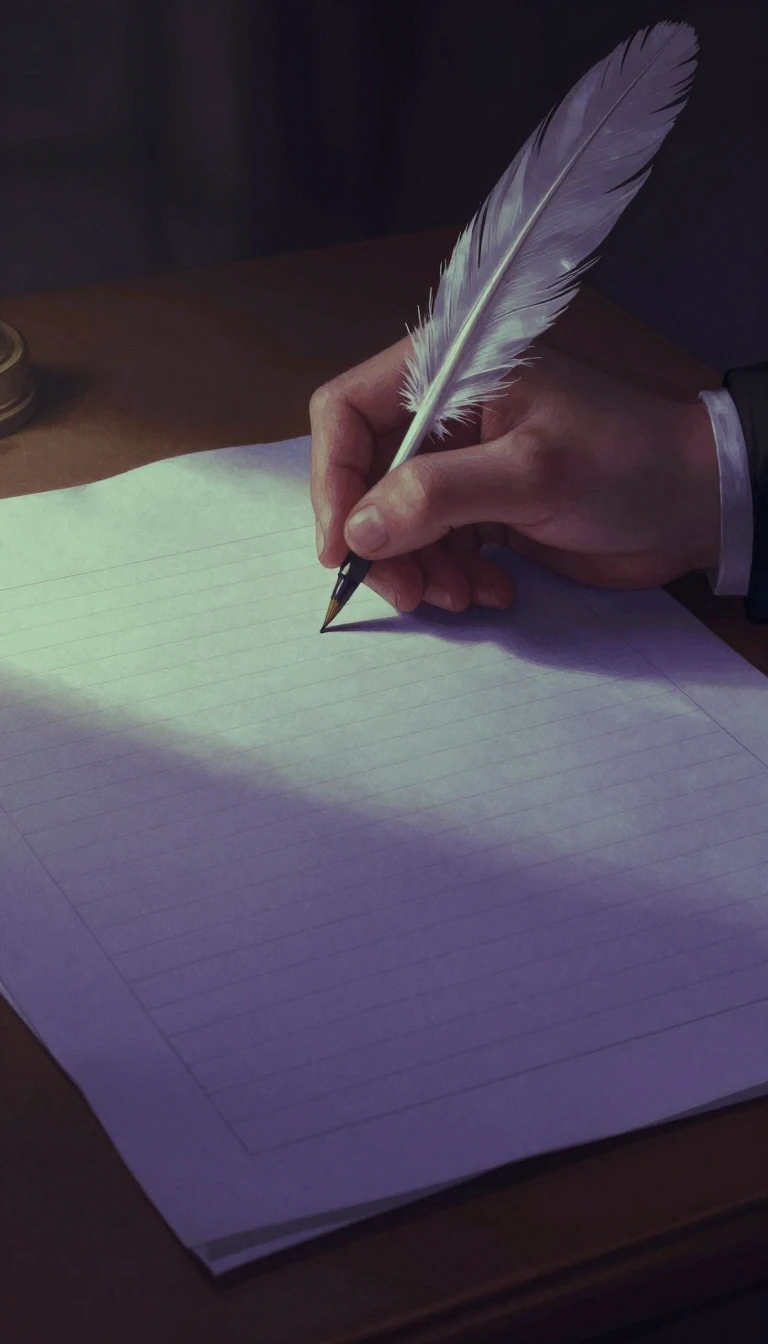
In short: Long before automated machines, scribes used sharp points or metal implements to emboss or color guides directly onto paper. This manual precision laid the groundwork for the standardized grids and specialized layouts that now govern everything from musical notation to complex mathematical plotting.
The history of ruled paper is a transition from manual artistry to mechanical precision. In the era of scribes, paper was ruled by hand using a 'hard point' to create embossed, colorless lines, or a 'metal point' that left colored marks similar to a modern graphite pencil. Industrial progress eventually superseded this hand-operated method, starting when John Tetlow, an English creator, secured a patent on 15 June 1770 for a device designed to rule various types of paper, including musical notation. Later, in the mid-19th century, William Orville Hickok developed another specialized ruling machine.
Today, the layout of ruled paper is rarely determined by paper size, but rather by the specific linguistic or technical purpose. For instance, the French Seyès ruling, often called 'grands carreaux,' uses heavy vertical lines spaced 8 mm apart with lighter intermediate lines. In East Asia, formats like Tianzige and genkō yōshi use boxes to help students master character proportions and Bopomofo pronunciation. Even mathematical tools like graph paper and quadrille paper rely on specific grid structures, sometimes using bolded lines every fifth or tenth interval to assist in data plotting.
Standardization has become a global necessity for education and commerce. The German Institute for Standardisation (DIN) updated its guidelines for school pupil paper in 2005, while New Zealand established its own stationery standards in 1984. From the wide-ruled paper used by American grade schoolers to the specialized Pitman and Gregg styles for stenography, these lines serve as a silent architecture, ensuring that whether one is writing music, performing long division, or practicing calligraphy, the hand remains disciplined and consistent.
Opens the Intellect+ feed with this card first. Swipe up for the next one.
Sources
- Summary by Intellect · source: Ruled paper
To cite this card, link to https://intellectplus.co.uk/app/wars-ruled-paper.
How we source, check and correct cards: Editorial standards.
General information, not professional advice. Spotted an error? Flag the card or see corrections and complaints.
Intellect Plus is a visual educational discovery platform for exploring fascinating facts and ideas. Brain Food, Not Brain Rot. What is Intellect Plus?
Related
More in Early modern wars · More in Wars & Conflicts · Latest · A–Z · All topics
