The White Tower was once a whitewashed symbol of Norman power and royal residence.
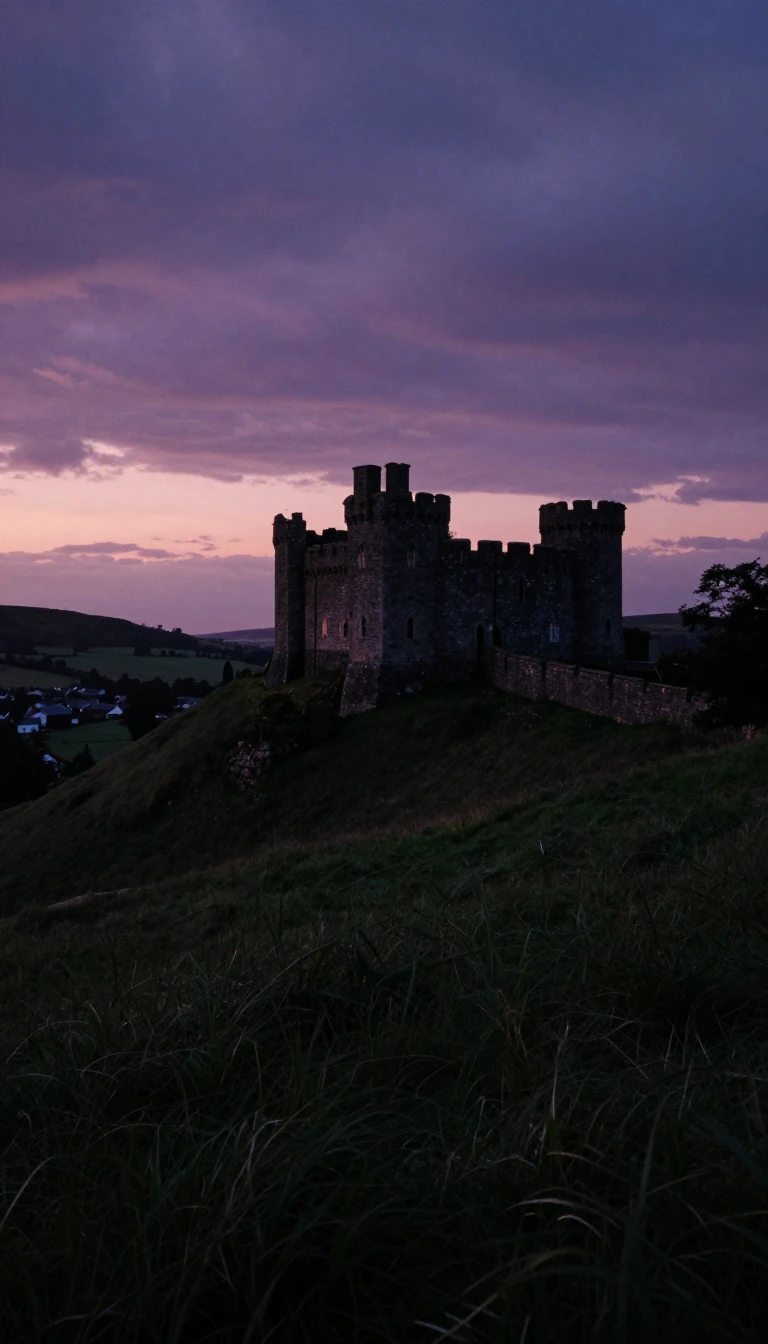
In short: Commissioned by William the Conqueror, this massive stone keep served as a military fortress, a royal palace, and eventually a repository for state records and armaments. Its history spans nearly a millennium, evolving from a symbol of conquest to a protected world heritage site and museum of British history.
Construction of the White Tower likely began around 1078, overseen by Gundulf, the Bishop of Rochester. As a central keep, it was designed to project authority and provide a secure residence for the king. The structure was built primarily of Kentish ragstone, with imported Caen stone from France used for decorative facing. Its design, featuring a semi-circular projection for St John's Chapel, remains a rare example of 11th-century architecture in Europe.
The building's function shifted significantly over the centuries. By the 14th century, it was increasingly used for storage rather than royal living. Henry III, who reigned from 1216 to 1272, initiated the tradition of whitewashing the exterior, a practice that gave the tower its name. Later, the structure became a hub for military administration, housing the Office of Ordnance and vast quantities of gunpowder, which necessitated structural reinforcements and safety measures like the 17th-century protective wall.
The tower has also been a site of tragedy and conflict. It is famously associated with the disappearance of the Princes in the Tower in 1483, and its walls have held numerous prisoners, including Ranulf Flambard and Richard II. In the modern era, the site has faced threats from bombings, including an incident in 1974, and has undergone extensive conservation efforts. Today, it stands as a Grade I listed building and a UNESCO World Heritage site, housing the Royal Armouries collections.
Opens the Intellect+ feed with this card first. Swipe up for the next one.
Sources
- Summary by Intellect · source: White Tower (Tower of London)
- Also: White Tower | tower, London, United Kingdom | Britannica
To cite this card, link to https://intellectplus.co.uk/app/wars-white-tower-tower-of-london.
How we source, check and correct cards: Editorial standards.
General information, not professional advice. Spotted an error? Flag the card or see corrections and complaints.
Intellect Plus is a visual educational discovery platform for exploring fascinating facts and ideas. Brain Food, Not Brain Rot. What is Intellect Plus?
Related
More in UK & Ireland: wars · More in Wars & Conflicts · Latest · A–Z · All topics
