The man who saw that all nature was a garden
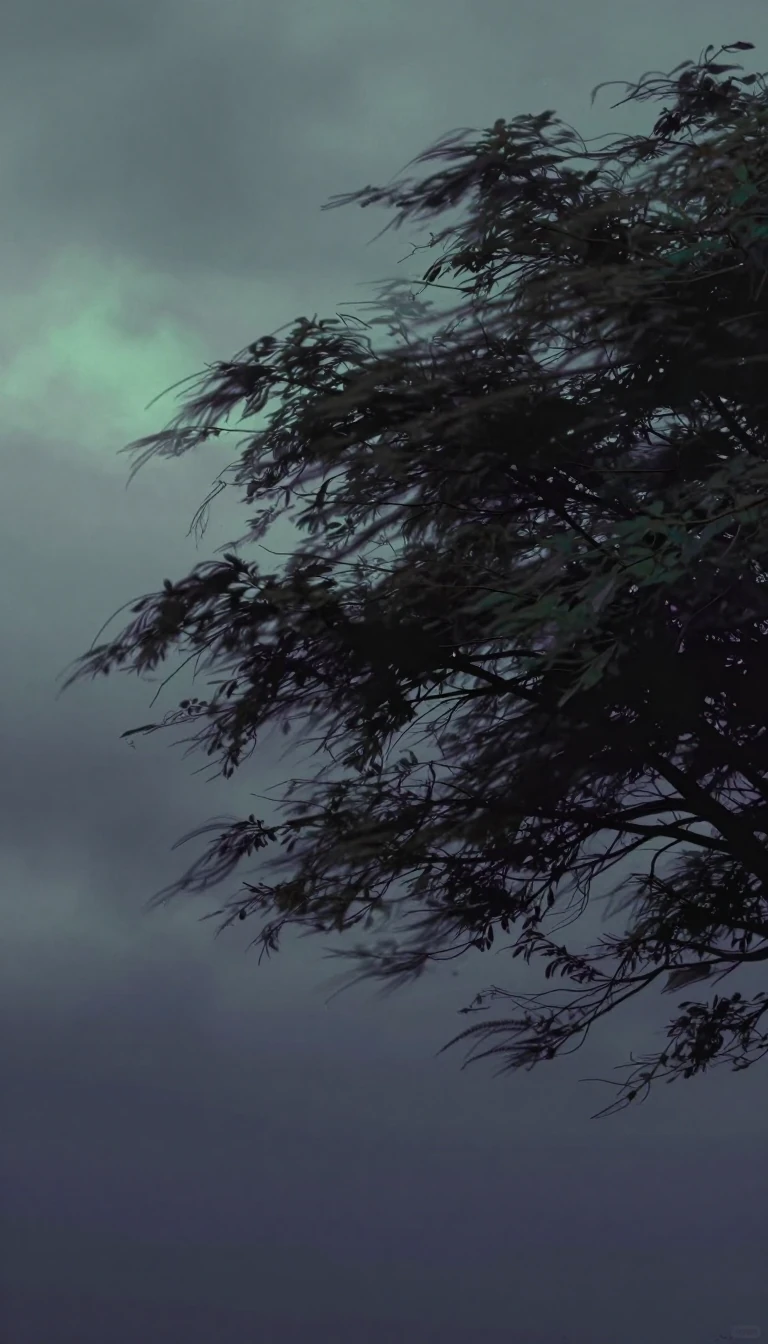
In short: Before William Kent, European gardens were exercises in rigid symmetry—manicured lines of hedges and fountains designed to conquer the wild. Kent broke this mold by creating 'informal' landscapes where winding paths and open vistas mimicked the natural world, fundamentally changing how we perceive the relationship between architecture and land.
William Kent (c. 1685–1748) was a polymath of design who transitioned from being a sign and coach painter to a principal master of English Palladianism. His career was pivotally shaped by his time in Rome (1709–1719), where he studied under Benedetto Luti and met Richard Boyle, 3rd Earl of Burlington. This association cemented Kent's commitment to the classical style of Andrea Palladio, leading him to design iconic structures like Holkham Hall and the Horse Guards Building in Whitehall.
While his buildings were defined by 'severe' proportions and classical precedent, Kent found his freest expression in landscape gardening. He pioneered the English landscape garden, a radical departure from the symmetrical precision of French gardens like Versailles. At sites such as Stowe House (c. 1730) and Rousham Hall (1738–41), he replaced geometric order with 'natural' landscapes featuring small classical temples nestled in wooded glades.
This duality—the strict geometry of Palladian architecture contrasted against the organic flow of his gardens—became a hallmark of British design. Kent was also an early pioneer of unified design, planning interiors and furniture to match his buildings. His influence was so profound that the English style he helped create eventually crossed the Channel, substantially impacting French landscape design in the second half of the 18th century.
Interestingly, some historians suggest that without Burlington's overpowering influence, Kent might have leaned toward the theatrical Baroque or even fanciful Gothic styles, as evidenced by his furniture designs. His legacy remains a cornerstone of Western aesthetics, proving that true beauty often lies in the balance between human order and natural wildness.
Opens the Intellect+ feed with this card first. Swipe up for the next one.
Sources
- Summary by Intellect · source: William Kent | British Landscape Architect & Designer | Britannica
- Also: William Kent
To cite this card, link to https://intellectplus.co.uk/app/wars-william-kent.
How we source, check and correct cards: Editorial standards.
General information, not professional advice. Spotted an error? Flag the card or see corrections and complaints.
Intellect Plus is a visual educational discovery platform for exploring fascinating facts and ideas. Brain Food, Not Brain Rot. What is Intellect Plus?
Related
More in Medieval wars · More in Wars & Conflicts · Latest · A–Z · All topics
