The Weald: A medieval forest fortress that once defied kings and shaped English history.
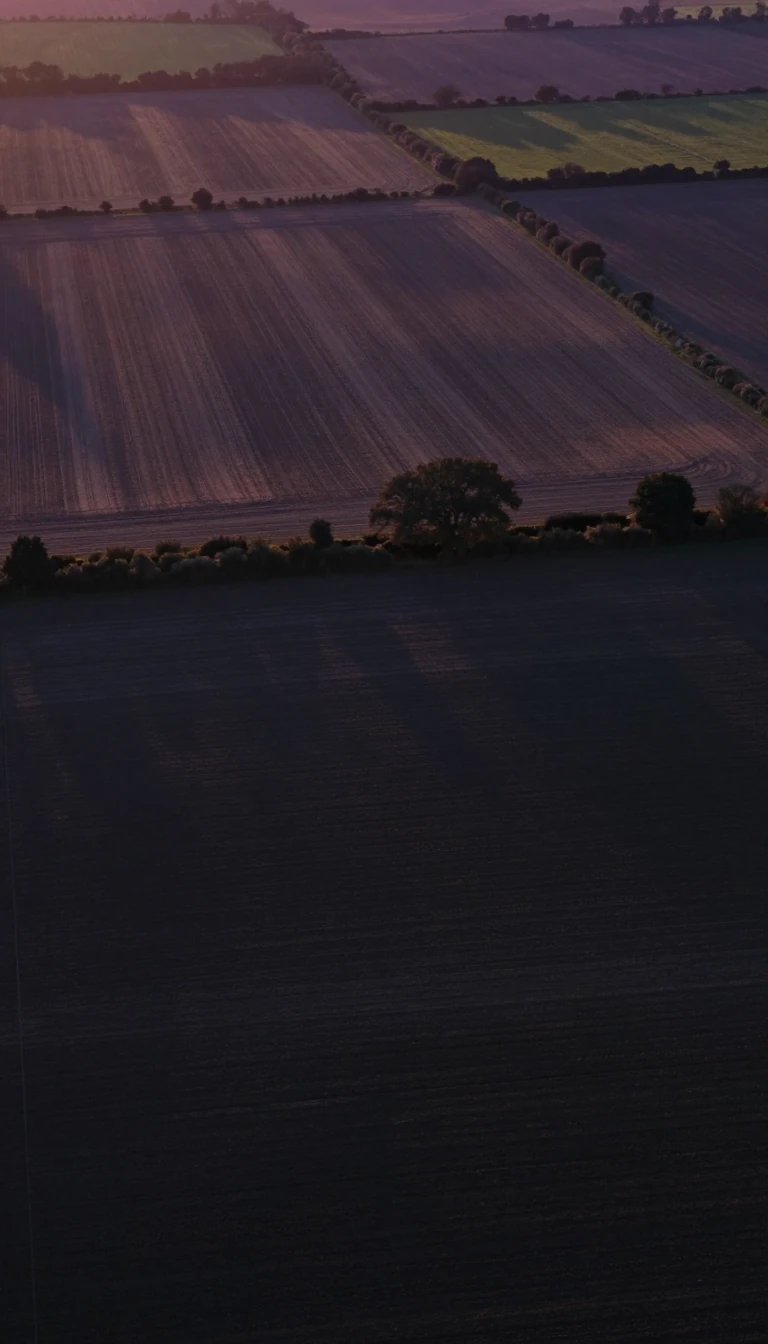
In short: Spanning across South East England, the Weald was once an impenetrable, forested sanctuary for refugees and a hotbed of guerrilla resistance. From medieval archers who humbled royal armies to the iron-rich soil that fueled centuries of industry, this rugged landscape remains a distinct, defiant pocket of the British countryside.
The Weald, a name derived from the Old English word for forest, is a geological anticline—a dome of ancient rock eroded over millions of years. Historically, this dense woodland served as a natural barrier and a place of refuge. During the Anglo-Saxon conquest of Sussex, native Britons were driven into the forest, known then as Andredesweald, to escape invading forces. Its reputation for being inhospitable and sparsely populated persisted for centuries, with the Domesday Book of 1086 suggesting only limited settlement, though modern historians suspect these early records may have undercounted the true number of inhabitants.
By the medieval period, the Weald had transformed into a site of fierce resistance. During the First Barons' War in 1216, a guerrilla force of local archers led by William of Cassingham, known as Willikin of the Weald, ambushed French occupying troops, forcing them to the coast. Decades later, in 1264, the region’s inhabitants again used guerrilla tactics against King Henry III’s royalist army. The king’s retaliation was brutal; he ordered the execution of captured archers, including the beheading of 300 men after a local killed his cook. Such defiance was matched by the area's industrial importance, as its abundant timber and ironstone made it the center of the British iron industry from the Iron Age until the early 19th century.
Beyond its martial history, the Weald has long been a source of intellectual and cultural inspiration. It was here that Charles Darwin once attempted to calculate the age of the Earth by estimating the erosion rates of the region's strata, a theory he later revised. The landscape also left its mark on literature and sport; the forest inspired A.A. Milne’s Winnie-the-Pooh stories, while the game of cricket is thought to have originated in the region before the 13th century. Today, the Weald remains a unique blend of protected heathland, agricultural tradition, and historical mystery, continuing to influence the identity of the counties it traverses.
Opens the Intellect+ feed with this card first. Swipe up for the next one.
Sources
- Summary by Intellect · source: Weald
To cite this card, link to https://intellectplus.co.uk/app/wars-weald.
How we source, check and correct cards: Editorial standards.
General information, not professional advice. Spotted an error? Flag the card or see corrections and complaints.
Intellect Plus is a visual educational discovery platform for exploring fascinating facts and ideas. Brain Food, Not Brain Rot. What is Intellect Plus?
Related
More in Medieval wars · More in Wars & Conflicts · Latest · A–Z · All topics
