The studio that survived a corporate buyout only to be sold again
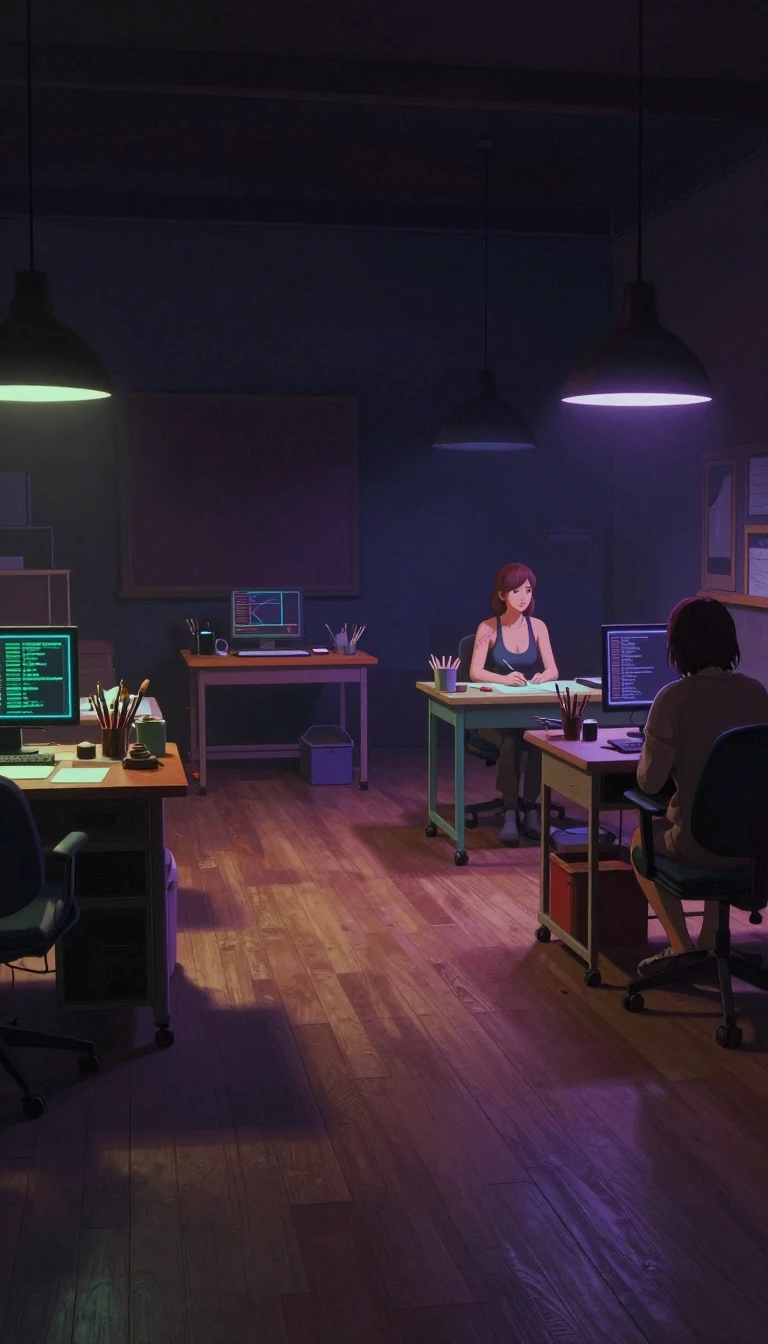
In short: Founded by horror legend Shinji Mikami to escape corporate constraints, Tango Gameworks faced early financial instability that led to a swift acquisition. The studio navigated a complex journey through ownership by ZeniMax and Microsoft before a controversial closure, eventually finding a new home under South Korean publisher Krafton.
Founded in March 2010 by horror legend Shinji Mikami, Tango Gameworks was born from a desire for creative independence. Mikami, who famously created the Resident Evil series at Capcom, wanted to explore genres beyond horror and escape the constraints of a massive corporate structure. However, the studio's first major project, a sci-fi survival adventure titled Noah, ran into immediate financial issues. This instability led to a swift acquisition by ZeniMax Media in October 2010, funded by a portion of the US$150 million ZeniMax had raised in private funding.
The studio's trajectory since then has been a series of high-profile corporate shifts. After being merged into ZeniMax Asia K.K., Tango developed notable titles like The Evil Within and Ghostwire: Tokyo. In March 2021, the landscape shifted again when Microsoft acquired ZeniMax Media for US$7.5 billion. This move made Tango the first Japanese studio in Microsoft Gaming's portfolio. Despite this prestigious backing, the studio faced a sudden and controversial closure by Microsoft in June 2024, a move that sparked significant backlash due to the critical success of their rhythm-action game, Hi-Fi Rush.
The studio's story took another turn in August 2024, when the South Korean publisher Krafton announced it had acquired Tango from Microsoft for an undisclosed amount. This transition included the rights to Hi-Fi Rush, while Microsoft retained the rights to The Evil Within and Ghostwire: Tokyo. As of June 2025, Tango has rebranded as a "creative workshop," focusing on a "hand-made" feel for future projects. The studio's history highlights the precarious balance between creative vision and the massive capital required to sustain AAA development in the modern era.
The studio's evolution reflects a broader trend in the industry: the movement of intellectual property and talent between global giants. While Mikami eventually departed to form his own studio, Kamuy, Tango remains a primary example of how a studio can be absorbed, closed, and resurrected through strategic partnerships and acquisitions.
Opens the Intellect+ feed with this card first. Swipe up for the next one.
Sources
- Summary by Intellect · source: Tango Gameworks
To cite this card, link to https://intellectplus.co.uk/app/wealth-tango-gameworks.
How we source, check and correct cards: Editorial standards.
General information, not professional advice. Spotted an error? Flag the card or see corrections and complaints.
Intellect Plus is a visual educational discovery platform for exploring fascinating facts and ideas. Brain Food, Not Brain Rot. What is Intellect Plus?
Related
More in Business stories · More in Wealth & Business · Latest · A–Z · All topics
