Neanderthals may have actively shaped their prehistoric landscapes through fire and activity
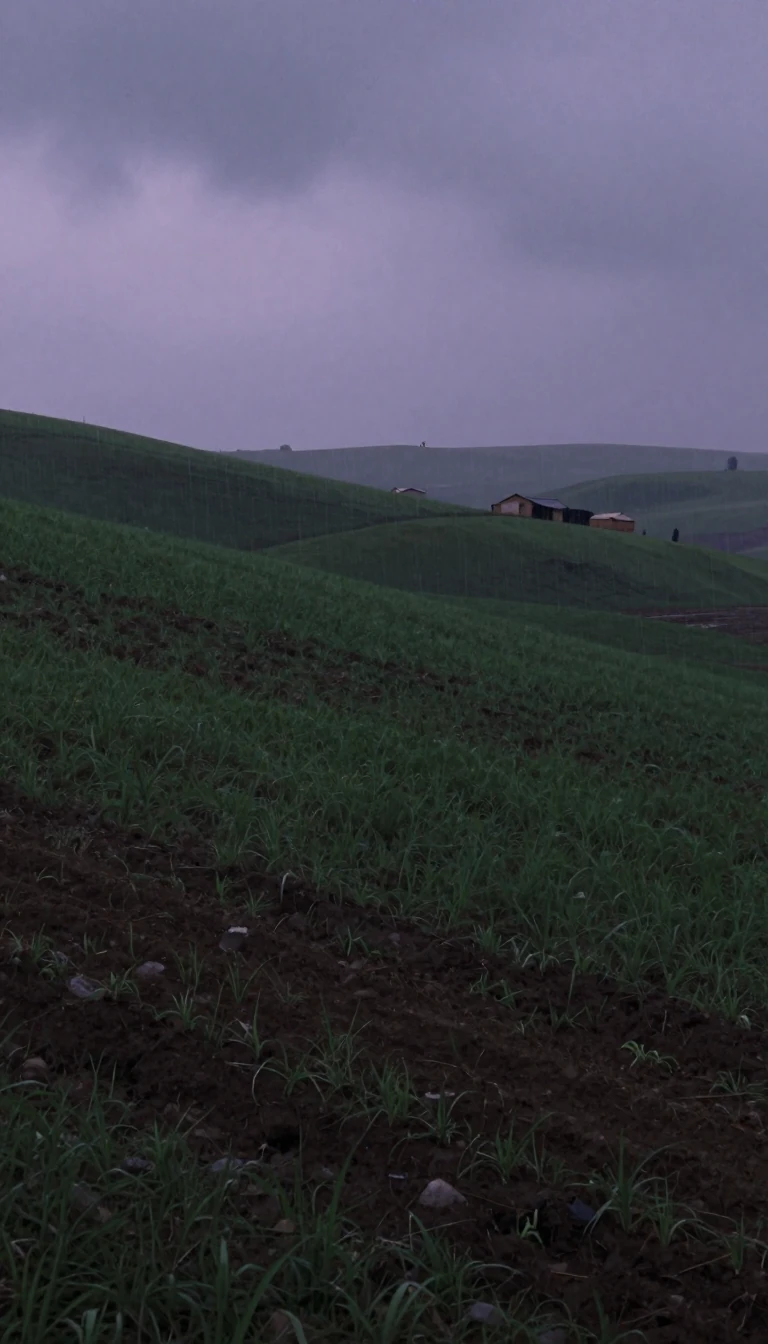
In short: Researchers analyzing high-resolution data from a 125,000-year-old site in Germany found evidence that Neanderthals left a distinct ecological footprint. By studying the Neumark-Nord lake landscape, the team observed that a continuous 2,000-year presence of hominins coincided with notably open vegetation and the use of fire.
The study compared paleoenvironmental and archaeological data from Neumark-Nord with other regional sites to identify human-driven changes. This provides an early example of how hominins contributed to vegetation transformation, though the researchers note that detecting such cause-effect dynamics in the deep past remains challenging.
Why it matters: Neanderthals were not just passive inhabitants but likely played a role in transforming their ecosystems.
Opens the Intellect+ feed with this card first. Swipe up for the next one.
Sources
- Source: Research: Roebroeks et al. (2021). Landscape modification by Last Interglacial Neanderthals. Science Advances. · cc-by
To cite this card, link to https://intellectplus.co.uk/app/culture-research-neanderthals-may-have-actively-shaped-their-prehistoric-land.
How we source, check and correct cards: Editorial standards.
General information, not professional advice. Spotted an error? Flag the card or see corrections and complaints.
Intellect Plus is a visual educational discovery platform for exploring fascinating facts and ideas. Brain Food, Not Brain Rot. What is Intellect Plus?
Related
More in Anthropology · More in Cultures · Latest · A–Z · All topics
