 Intellect Plus
Clothing and fashion
784 cards. Each one is a 40-second story with a five-minute read behind it. Page 13 of 14.
 How a forgotten word for salt created a multi-billion dollar blue empireIn 1958, Belgian artist Peyo was dining with a friend when he suddenly forgot the word for salt. Unable to find the term, he improvised a nonsense syllable. That single moment of …
 The Texas Rangers: From frontier militia to a legally protected state institutionOften romanticized as noble heroes of the Wild West, the history of the Texas Rangers is far more complex. Beyond the legends of the Lone Ranger lies a legacy of frontier defense,…
 The chemical weapon that is not actually a gasOften used by police to disperse crowds, tear gas is a misnomer. These substances are actually aerosolized solids or liquids that irritate your mucous membranes. While often viewe…
 How a wartime shortage sparked the infamous American nylon riotsIn 1939, DuPont introduced a miracle fabric that Americans bought by the millions. But when World War II redirected production to parachutes, the sudden disappearance of nylon sto…
- How Winston Churchill planned to set Europe ablaze with an underground armyIn 1940, a secret British organization was forged to wage a hidden war. Tasked with sabotage and subversion, the Special Operations Executive operated behind enemy lines, using ev…
 How a French perfume chain revolutionized the way we experience beauty retailBefore the era of digital shopping, beauty retail was often formal and restrictive. Then came a new model that invited customers to touch, test, and play. Discover how Sephora tra…
 The dangerous, flammable origins of the world's first man-made fiberBefore it was the soft, versatile fabric in your wardrobe, rayon was a highly flammable, explosive substance. Born from a quest to replicate silk, the history of this semi-synthet…
- The lethal politics of a hairstyle: why a single braid meant life or deathIn 17th-century China, your haircut was a political manifesto. For the Han Chinese, the Manchu-imposed queue was more than a fashion choice; it was a mandatory symbol of submissio…
- How a 1950s marketing pivot changed the way the world dressesBefore 1959, women relied on stockings and garter belts to cover their legs. Then, a new invention arrived on store shelves, designed not just as clothing, but as a clever way to …
 From Croatian mercenaries to the boardroom: the surprising evolution of the necktieWhat began as a small, knotted neckerchief worn by Croatian mercenaries during the Thirty Years' War eventually transformed into a global symbol of professional identity. This clo…
 How a Chinese capital became the blueprint for Japan’s first urban centerIn 710, the Japanese capital moved to Heijō-kyō, a city meticulously modeled after the Tang dynasty’s Chang'an. This wasn't just urban planning; it was a profound cultural pivot, …
 The equestrian origins of the world's most formal daytime dress codeModern morning dress is often viewed as a rigid symbol of ceremony, yet its silhouette was born from practical necessity. Originally designed for 19th-century gentlemen riding hor…
 From Viking warmth to Canadian identity: the many lives of the knit capWhether called a beanie, a watch cap, or a toque, this simple piece of knitted headwear is far more than just a winter essential. From 15th-century Welsh craftsmanship to symbols …
 The accidental evolution of the world's most iconic rebellionBefore they were a symbol of cinematic rebellion, jeans were purely utilitarian tools for manual labor. From the naval fleets of Genoa to the silver mines of the American West, di…
 It is not laziness: the neurological reality of excessive daytime sleepinessWhen you fall asleep repeatedly despite a full night's rest, it isn't a lack of willpower. Hypersomnia is a complex neurological disorder that can stem from everything from head t…
 From warehouse utility to global symbol: the complex history of the hoodieBorn in 1930s New York warehouses to protect laborers from the cold, the hoodie has traveled far beyond its utilitarian roots. Today, it oscillates between high-fashion staple and…
 How a Polish immigrant used sheep fat and pseudoscience to build a beauty empireIn 1896, Chaja Rubinstein arrived in Australia with no money and a suitcase of creams. By leveraging the pungent lanolin from local sheep farming and mastering the art of status a…
 The sweet, viscous liquid that once served as a vital wartime defense priorityIt is a colorless, odorless, and sweet-tasting liquid found in everything from your favorite cookies to life-saving medicines. While we know it as a common humectant, glycerol's c…
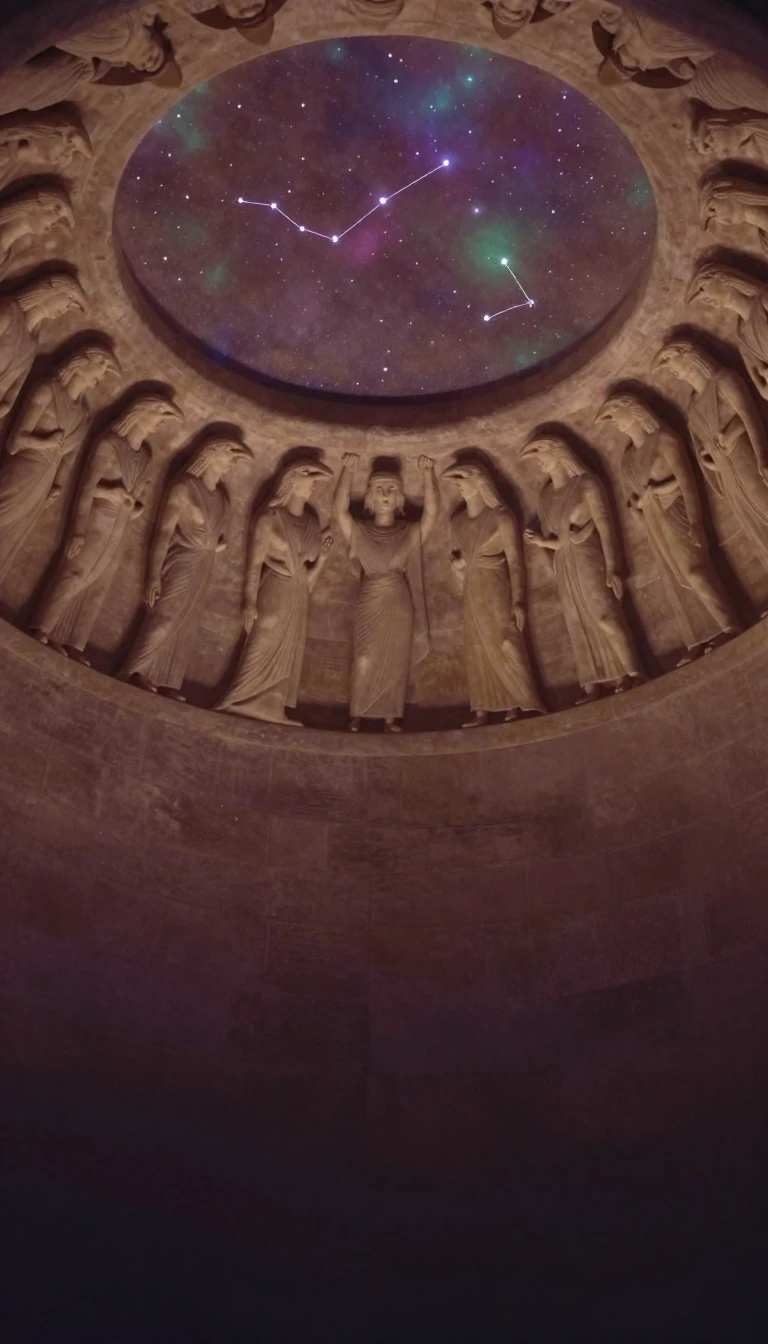 The celestial predator that became a symbol of national powerFrom the ancient Vedic hymns to the modern state emblems of Thailand and Indonesia, the figure of Garuda transcends myth. This divine, eagle-like being is more than just a legenda…
 From theatrical stage to street style: the unexpected evolution of the fedoraOnce a symbol of female empowerment and theatrical drama, the fedora transformed into the definitive uniform of 20th-century gangsters and Hollywood icons. Discover how a single 1…
 The invisible shield that protects electrical linemen from high-voltage deathFrom the windows of your microwave to the suits worn by power line workers, the Faraday cage is a silent guardian. This conductive enclosure redirects dangerous electrical current…
 The phantom thunder: why your brain might explode while you sleepImagine waking to the deafening roar of a gunshot or a sudden explosion, yet your room remains silent. This is the reality of Exploding Head Syndrome, a rare sleep disorder where …
- How a 1933 fashion trade offshoot became a pioneer of New JournalismBorn from a trade magazine for the garment industry, Esquire transformed from a high-priced fashion periodical into a literary powerhouse. It survived legal battles over 'lewd' il…
 How a wartime innovation became the ultimate tool for survivalFrom sealing ammunition boxes in 1943 to saving astronauts on Apollo 13, duct tape is more than a hardware store staple. This versatile adhesive, born from a soldier's letter to P…
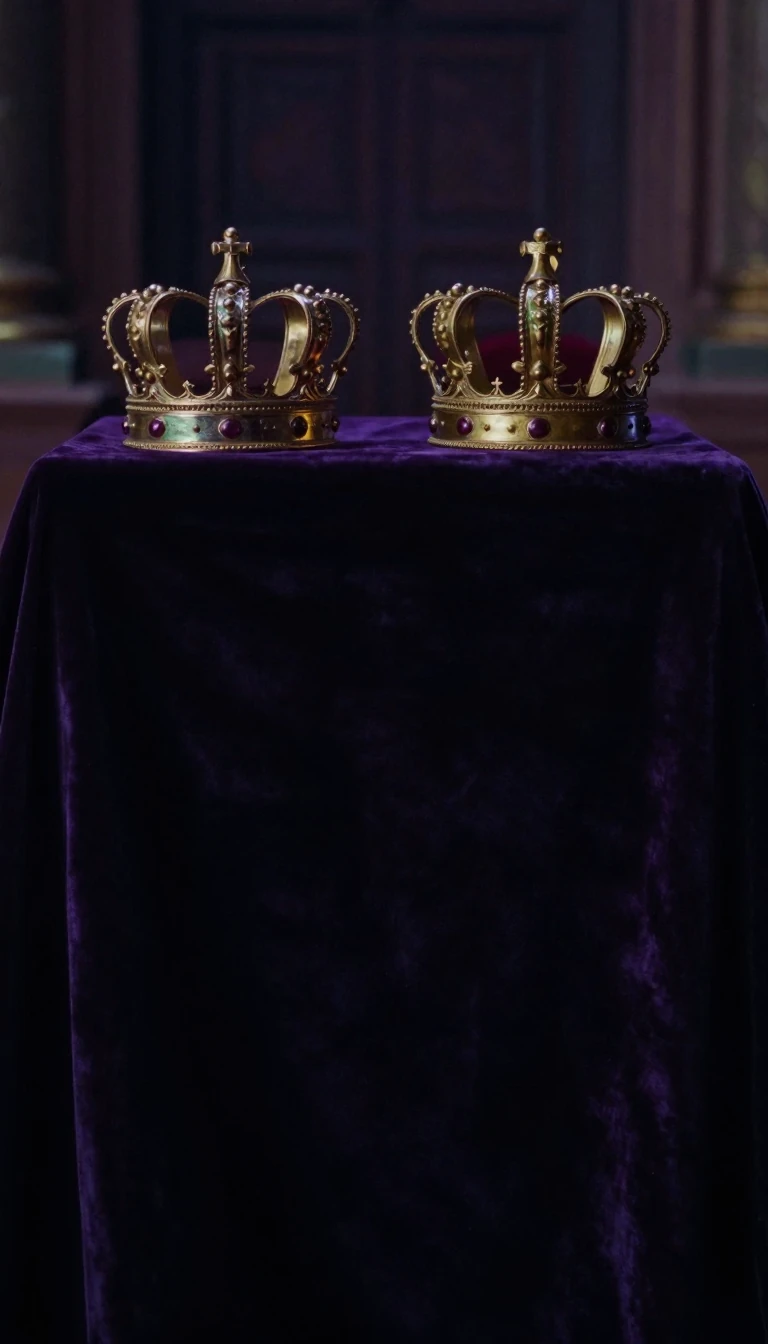 Beyond the throne: the many lives of the world's most powerful headgearA crown is rarely just a hat. From the gold ornaments of pre-colonial Philippines to the religious nuptial diadems of Eastern Orthodox weddings, these symbols of power, divinity, …
 The surprising 19th-century origin of the iconic leather chapsOften viewed as a timeless staple of the American West, chaps actually emerged much later than many believe. Far from being an ancient Spanish import, these sturdy leather over-pa…
- The hidden history of the cassock: from Roman tunics to clerical identityMore than just a religious robe, the cassock is a garment of deep historical layers. From its roots in ancient Roman and Greek undergarments to its linguistic ties to nomadic cava…
 How a 1908 sewing machine repair shop became a global electronics giantLong before they were known for printers and computers, the Yasui brothers were mastering the mechanics of thread and needle. From a small Nagoya workshop to a multinational empir…
 How a 1961 romantic comedy redefined cinematic style and fashionBeyond the enchanting melody of "Moon River" lies a film that fundamentally altered the landscape of Hollywood glamour. While the story drifted far from its literary origins, the …
 How a single day of sales changed the face of modern beautyIn 1991, a makeup artist expected to sell 100 lipsticks in a month. Instead, she sold them all in one day. This unexpected surge launched a brand that would eventually redefine th…
 The 'Bella Effect' and the power of a single fashion museWhen Bella Hadid walks for a brand, the numbers move. Beyond the runway, her presence has been shown to boost brand value by as much as 90%. But how does one model transform into …
 From sun protection to street style: the unexpected evolution of the baseball capOnce a simple tool for athletes to shield their eyes from the sun, the baseball cap has undergone a radical transformation. It has moved from the dusty playing fields of the 19th …
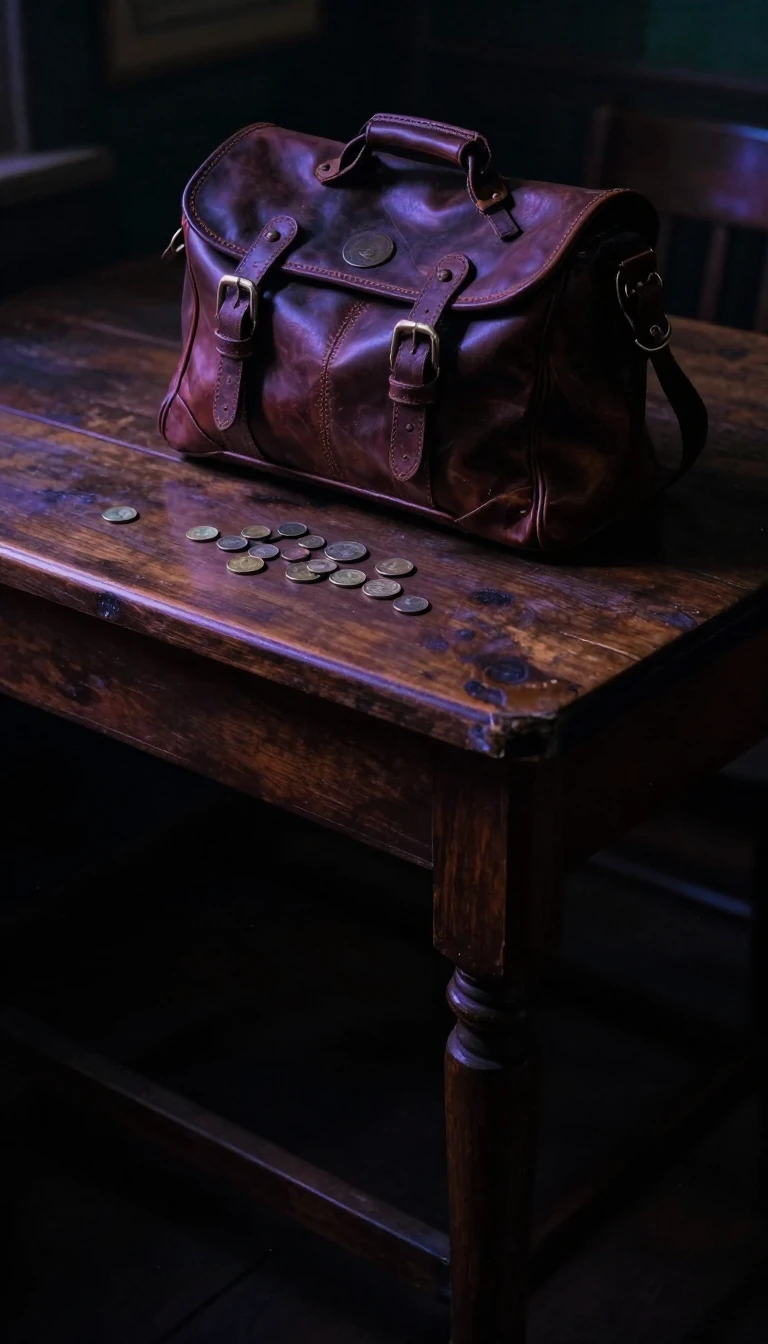 The complex legal reality of the money in your walletWhen you pay for coffee with a Scottish or Northern Irish banknote, you aren't actually using legal tender. While these notes share the same value as Bank of England currency, the…
 The engineering secrets behind the perfect heavy loadWe often think of backpacks as simple fabric sacks, but the evolution of the pack is a masterclass in physics. From 19th-century military patents to modern trekking gear, the true…
 Uniform literally means one form—then workplaces bend itFrom Latin unus and forma, a uniform is costume marking organizational membership during activity—most famously military and police dress. Retail clerks, nurses, and factory crews…
- Wallet once meant a knapsack, not a pocket for cardsToday's flat wallet holds cash, cards and IDs, but the word first appeared in late fourteenth-century English for a bag or knapsack, and Shakespeare's wallets were closer to backp…
- Egyptians wore wigs as sunscreen for shaved headsWigs—short for periwig from French perruque—cover heads with human, animal, or synthetic hair to hide baldness, change style, or mark costume. Ancient Egyptian men and women often…
 Zipper was a brand name for boots before it closed jacketsThe zipper—zip, zip fastener, once clasp locker—joins fabric edges with interlocking metal or plastic teeth guided by a Y-shaped slider. The name stuck in 1923 from rubber galoshe…
- Scarves marked Chinese officers centuries before runway looksA scarf is fabric for neck, shoulders or head—warmth, sun, fashion, faith or team colors. Nefertiti supposedly wore a tight headscarf around 1350 BC; Ashurnasirpal II’s ninth-cent…
- The oldest known shirt is Egyptian linen from about 3000 BCA shirt covers the upper body from neck toward waist. Flinders Petrie found the oldest preserved garment—a finely pleated linen shirt—in a First Dynasty tomb at Tarkan, dated arou…
 Shoes are a two-hundred-billion-dollar left-and-right industryFootwear usually comes in mirrored pairs to protect and comfort feet that already handle rough ground. Form followed function, then fashion—high heels for occasions, sandals to sn…
- Skirts run from micro hems to floor length—and not only on womenA skirt is dress-bottom or separate garment falling from the waist. Simplest forms are single draped cloths like pareos; most are waist-fitted then flared with darts, gores or gat…
- Feet can sweat a quarter pint a day—socks mop it upSocks cover feet and often ankles or calves, historically in leather or matted hair, now usually textiles under shoes. A foot may shed over 0.25 US pints (0.12 L) of sweat daily; …
- The oldest known trousers are three-thousand-year-old wool from XinjiangTrousers—also pants or slacks—cover both legs from waist toward ankle. Shorts stop near the knee. Wool trousers from Yanghai cemetery in Turpan, dated between the thirteenth and t…
 Umbrella comes from Latin for shade—rain came laterAn umbrella’s folding canopy on ribs and a pole blocks sun or rain. English umbrella traces to Latin umbra, shadow; the OED’s first sense citation is 1611. Parasol blends Latin pa…
- Braided hair shows up in art from 30,000 years agoHairstyles, whether cuts, dos, or coiffures, shape hair on the head, face, or body as grooming and fashion. The oldest known depictions are braids roughly thirty millennia old, an…
- Purse once meant coins; handbag swallowed the restIn North America 'purse' often means what others call a handbag: a handled, medium-to-large carryall for personal items. Historically a purse was a small coin bag, and in much of …
- Hats once broadcast rank before they became optionalA hat covers the head for weather, ceremony, religion, safety, or style. Official records before 3000 BC are scarce, yet hats were probably already common, and for centuries they …
 Shell beads from 100,000 years ago count as jewelleryJewellery, from brooches and rings to necklaces and earrings, adorns the body with gems, metals, beads, or organic treasures like amber and coral. Nassarius shell beads about 100,…
- English borrowed mask in the 1530s from French masqueMasks cover faces for protection, disguise, performance, ritual, or play, and have done so since antiquity. Art historians also call a bodiless sculpted face a mask when it is not…
- Moustache rode into English through French and GreekFacial hair grown above the upper lip defines a moustache, or mustache in the US. Styles have cycled for millennia, from Old Kingdom Egypt to Victorian soldiers, and the word itse…
 Perfume means to smoke through—then chemistry took overPerfume mixes scented oils or manufactured aroma molecules with a fixative and a solvent to make bodies, objects, or air smell good. Ancient texts and digs show early use, and one…
- Buttons began as jewellery, not shirt fastenersShell discs at Mohenjo-daro may be five thousand years old, yet they ornamented cloth long before anyone punched a buttonhole. Medieval Europeans still relied on toggles and lacin…
- The word cloak shares roots with clockMedieval Latin called a traveler's cape a bell-shaped garment—and that bell gave us both cloak and clock. From Roman citizenship togas to Aztec elite capes and Aboriginal possum-s…
 Body lice may—or may not—date our first clothesEvery human society wears something, yet when we started is surprisingly contested. Archaeologists found possible garments 120,000 years ago in Morocco while louse genetics once s…
- Coats outlasted capes when cloth got cheaperEnglish has called outer upper-body garments coats since about 1300, yet the fitted, front-fastening cut may be millennia older, turning up with the Tarim mummies and with Ötzi th…
 Cosmetics once poisoned wearers for pale skinThe Greek root kosmos meant order and ornament—technique of dress, not just lipstick. Renaissance ceruse and white lead rouge could swell eyes, rot teeth, and kill. A safer indust…
 A shower curtain launched the disposable diaper eraMarion Donovan stitched army-surplus nylon into the Boater cover and sold waterproof diapers at Saks in 1949—then sold her patent for one million dollars. Her paper disposable des…
- Medieval dresses once had sleeves wider than doorsEleventh-century European women wore loose ankle-length tunics over chemises, then laced slits tight at waist and arm. By century's end cuffs ballooned to several feet around. Fiv…
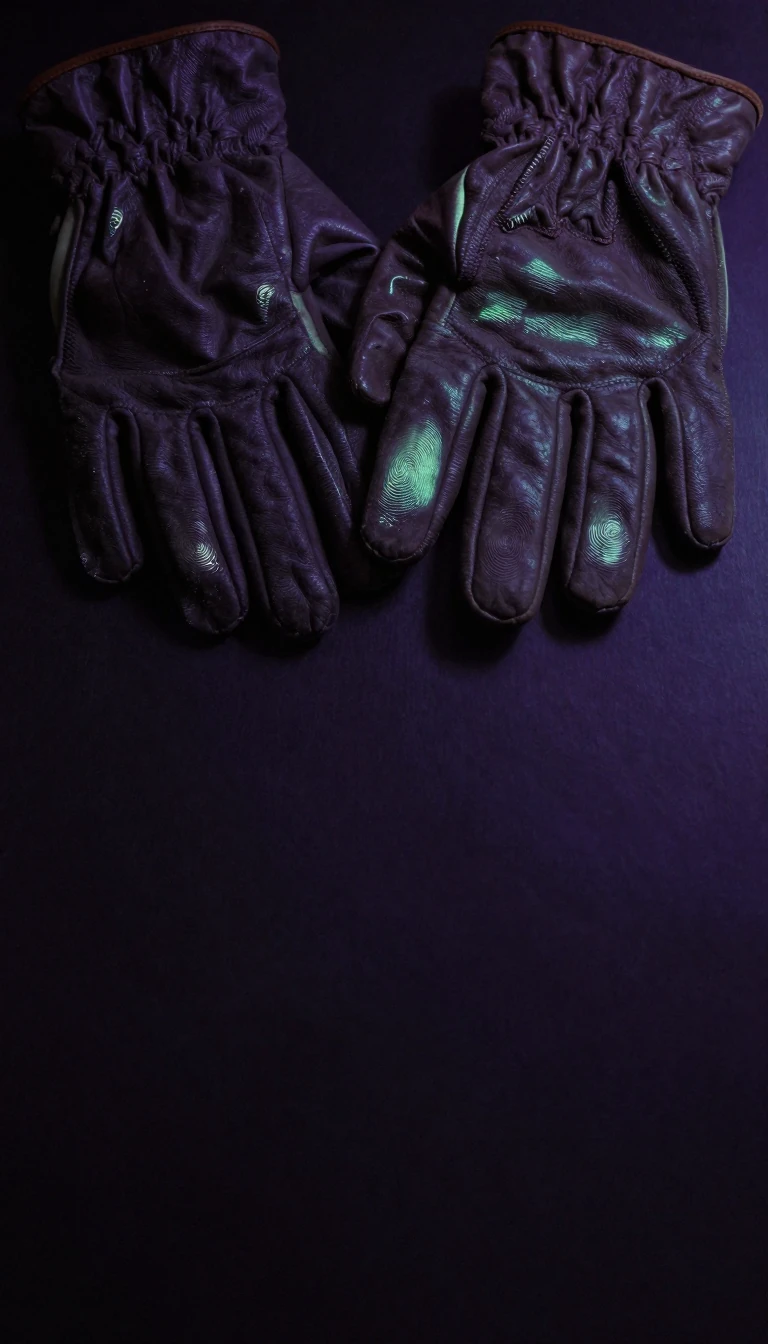 Gloves leave fingerprints as unique as skinCriminals don gloves to hide prints—yet the gloves themselves can identify them just as precisely. From Egyptian tomb paintings to Elizabeth I flaunting jewelled hands at court, t…