 Intellect Plus
Post-classical
612 cards. Each one is a 40-second story with a five-minute read behind it. Page 10 of 11.
 Shinobi were spies for hire, not movie assassins in blackPopular myth casts ninja as stealth assassins; historical evidence for that specialty is thin. In Sengoku Japan, Iga and Kōka jizamurai formed ikki leagues and sold mercenary spyi…
 Latin nobilis meant notable long before it meant blue bloodNobility ranks just below royalty in aristocratic societies, often as an estate with legal privileges. The word comes from Latin nobilitas—famous or notable—first an informal Roma…
 Viking settlers in Francia became Europe's freelance conquerorsNormans arose in the Duchy of Normandy from Norse settlers mixing with West Frankish locals after ninth-century coastal raids. Baptised into Romance Catholic culture, they exporte…
 Baltic pagans met crusading bulls meant for another holy landNorthern or Baltic Crusades aimed to Christianize peoples living around the southern and eastern Baltic rim—Baltic, Finnic, and West Slavic groups. Celestine III's 1195 call is th…
 Lord Novgorod the Great elected princes until Moscow said stopFrom the twelfth to fifteenth centuries, the Novgorod Republic—formally Lord Novgorod the Great—spanned Gulf of Finland to Urals. After deposing their prince in 1136, citizens use…
 Medieval German eastward settlement later armed nationalist mythsOstsiedlung names early and high medieval migration of Germans into Slavic, Baltic, and Uralic lands—Germania Slavica. Princes invited settlers; sometimes prior inhabitants were p…
 Osman's beylik became a tri-continental empire until 1922From a northwestern Anatolian principality founded by Osman I around 1299, the Ottoman Empire spanned Southeastern Europe, West Asia, and North Africa into the early twentieth cen…
 Verdun's western third became a kingdom that lasted to 1848Historians bundle medieval and early modern French polities as the Kingdom of France—an heir of Charles the Bald's share after the 843 Treaty of Verdun. Capetian election in 987 o…
 Daniel wore a papal crown while pledging to the Golden HordeRoman the Great fused Galicia and Volhynia around 1199; after Mongol storms of 1239–1241, Daniel of Galicia swore to Batu Khan in 1246 yet took a royal crown in 1253. The Kingdom …
 East Francia kept a Teutonic core inside a Roman empireMedieval writers spoke of a Regnum Teutonicum—the Kingdom of Germany—as the Holy Roman Empire's original core beside Italy and Burgundy. It grew from East Francia after Verdun, ye…
 Stephen's crown launched a millennium-long Central European realmAround the year 1000, Stephen I's coronation at Esztergom turned the Grand Principality into a Catholic Kingdom of Hungary that endured until 1946. Árpád rulers, Ottoman partition…
 Roger II's Palermo assembly coined a kingdom on Christmas 1130Norman Roger II had the Curiae Generales proclaim him King of Sicily in Palermo's royal palace in 1130—sometimes called an early parliament—and Antipope Anacletus II sanctioned th…
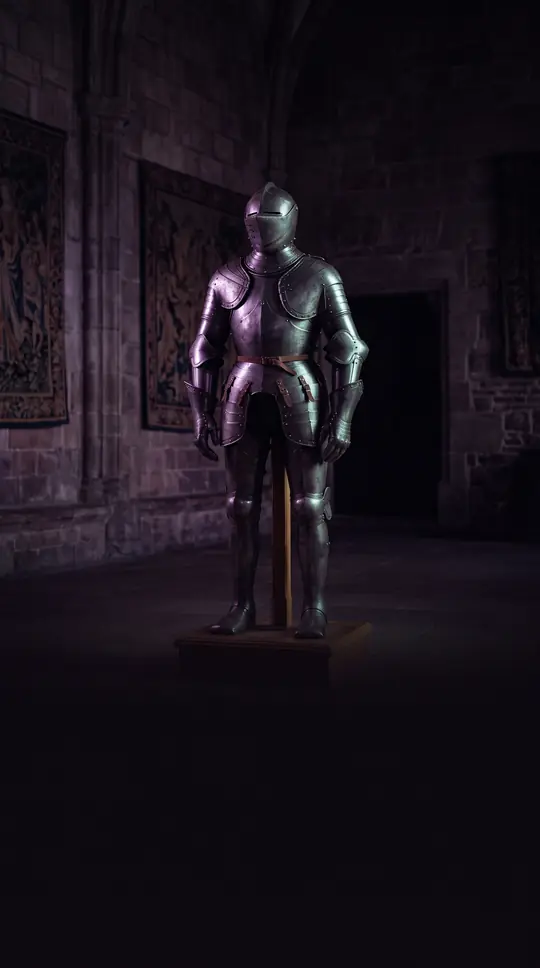 Old English cniht meant boy-servant before it meant armourKnighthood began as a title for mounted warriors and petty nobles, later an honorific granted by sovereigns or popes. The English word tracks Old English cniht—boy or servant—cous…
 A century of French succession fighting remade two crownsThe Hundred Years’ War (1337–1453) stitched Anglo-French feudal fights over Aquitaine to a claim on the French throne, becoming Western Europe’s longest military conflict once lat…
 Bohemian wagon forts and hand cannons beat five crusadesThe Hussite Wars (also Bohemian Wars) pitted followers of executed reformer Jan Hus against Emperor Sigismund, the papacy, and Catholic crusaders after 1415. Yeoman general Jan Ži…
 “Inquisition” began as a Roman-law inquiry, not a dungeon brandChurch courts once opened cases on their own initiative through a procedure called inquisitio—an inquiry revived from Roman law. Popular memory lumps that method with later heresy…
 Who crowned bishops nearly split empire from papacyThe Investiture Controversy (1076–1122) was a Church–state fight over appointing bishops and abbots, ignited between Pope Gregory VII and King—later Emperor—Henry IV. The Concorda…
 Baghdad’s House of Wisdom made “golden age” a later sloganScholars use Islamic Golden Age for cultural flowering from the eighth through fourteenth centuries, often from Harun al-Rashid’s Baghdad academies to the Mongol sack of 1258—some…
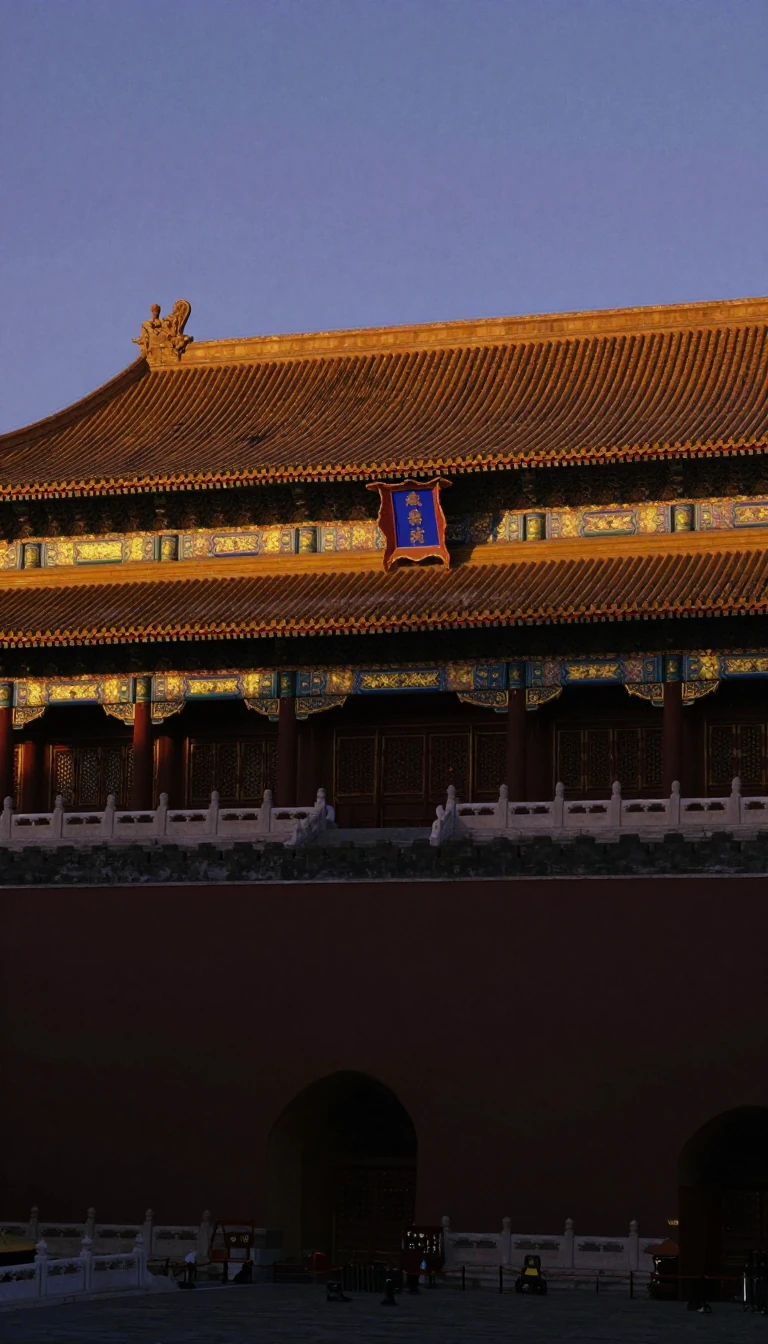 Jurchen “Golden” emperors taught Europe a Chinese dynastic nameGreat Jin (1115–1234) was a Jurchen Wanyan empire that rose against the Khitan Liao, pushed them west, and seized northern China from the Song. Mongol attacks beginning in 1211 en…
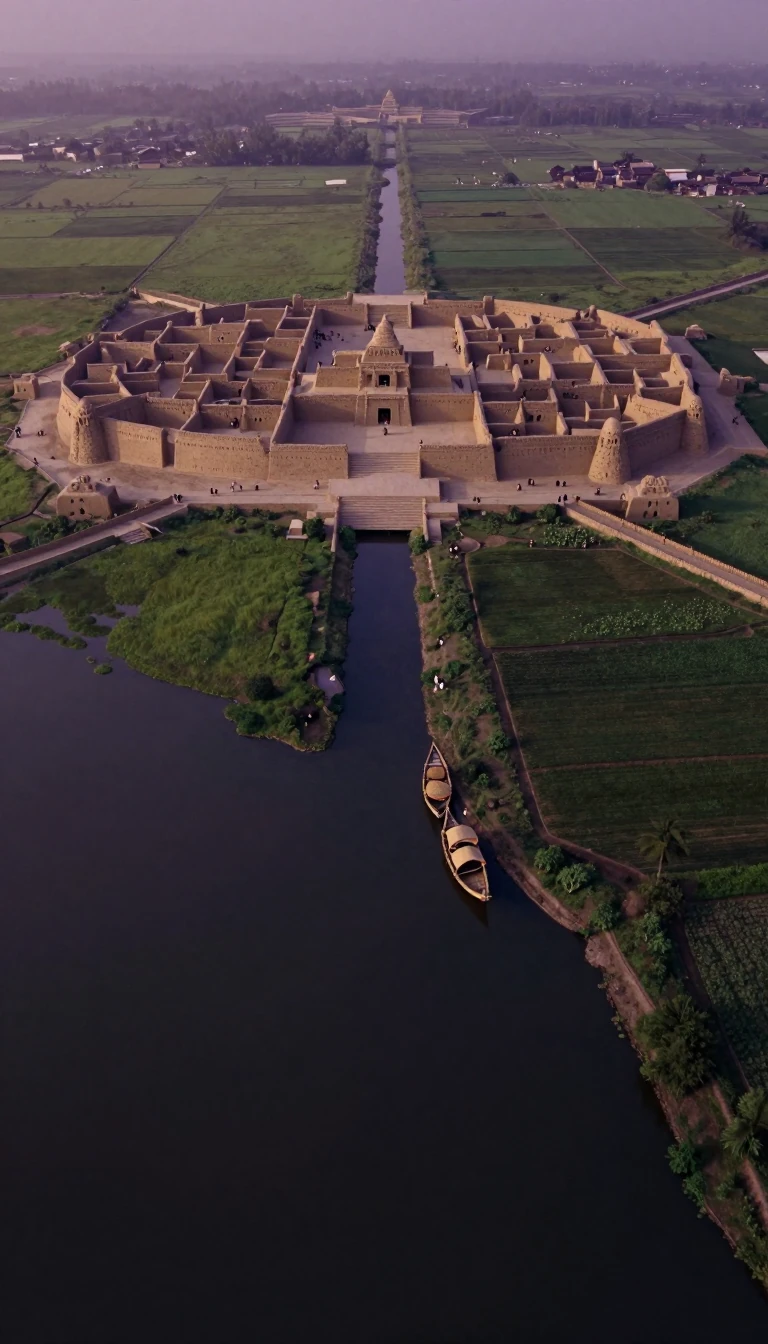 Lake Chad’s long empire kept shifting its capital southwardHistorians braid Duguwa, Sayfawa, and al-Kanemi realms around Lake Chad into the Kanem–Bornu story, a trans-Saharan power touching lands now in Nigeria, Niger, Cameroon, Libya, Al…
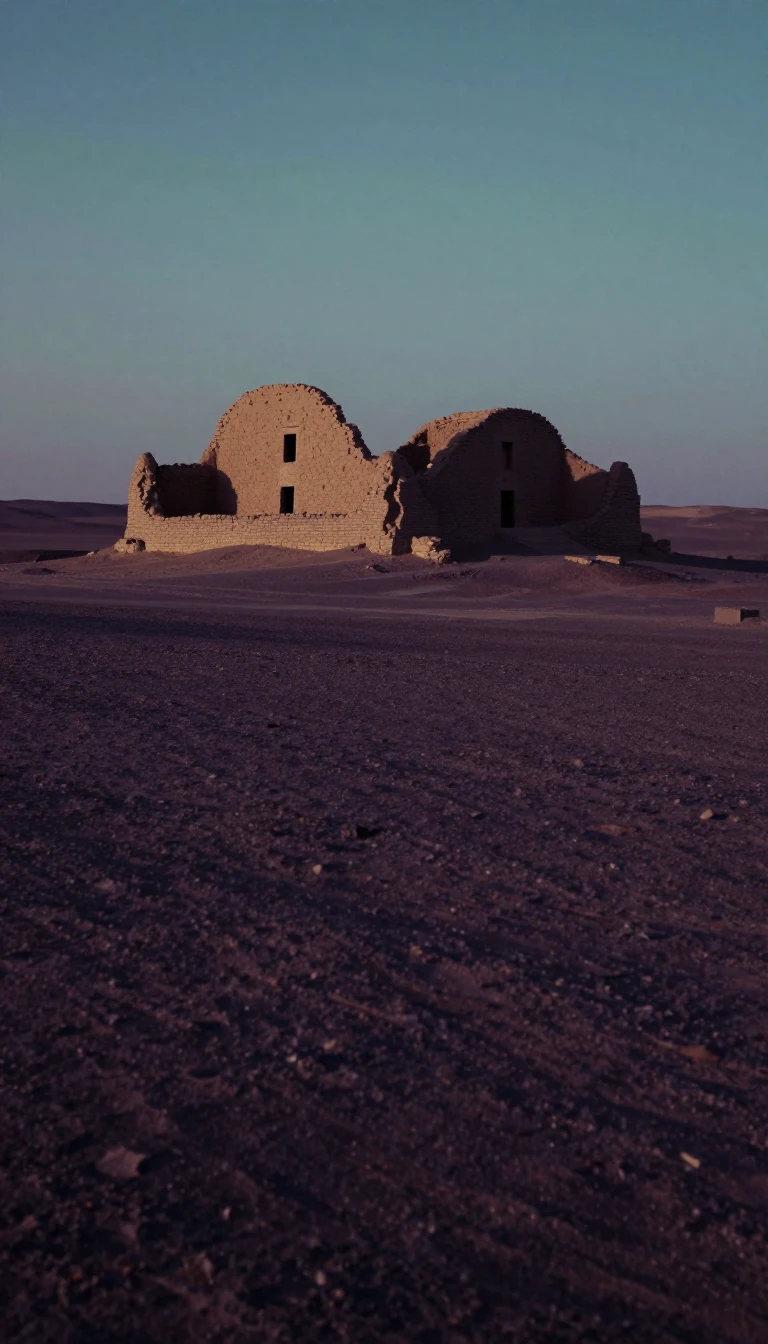 Steppe merchants made the Caspian the “Khazar Sea”Khazars forged a late-sixth-century commercial empire across southern Russia, Ukraine, and western Kazakhstan—the strongest polity to follow the Western Turkic breakup. Semi-nomad…
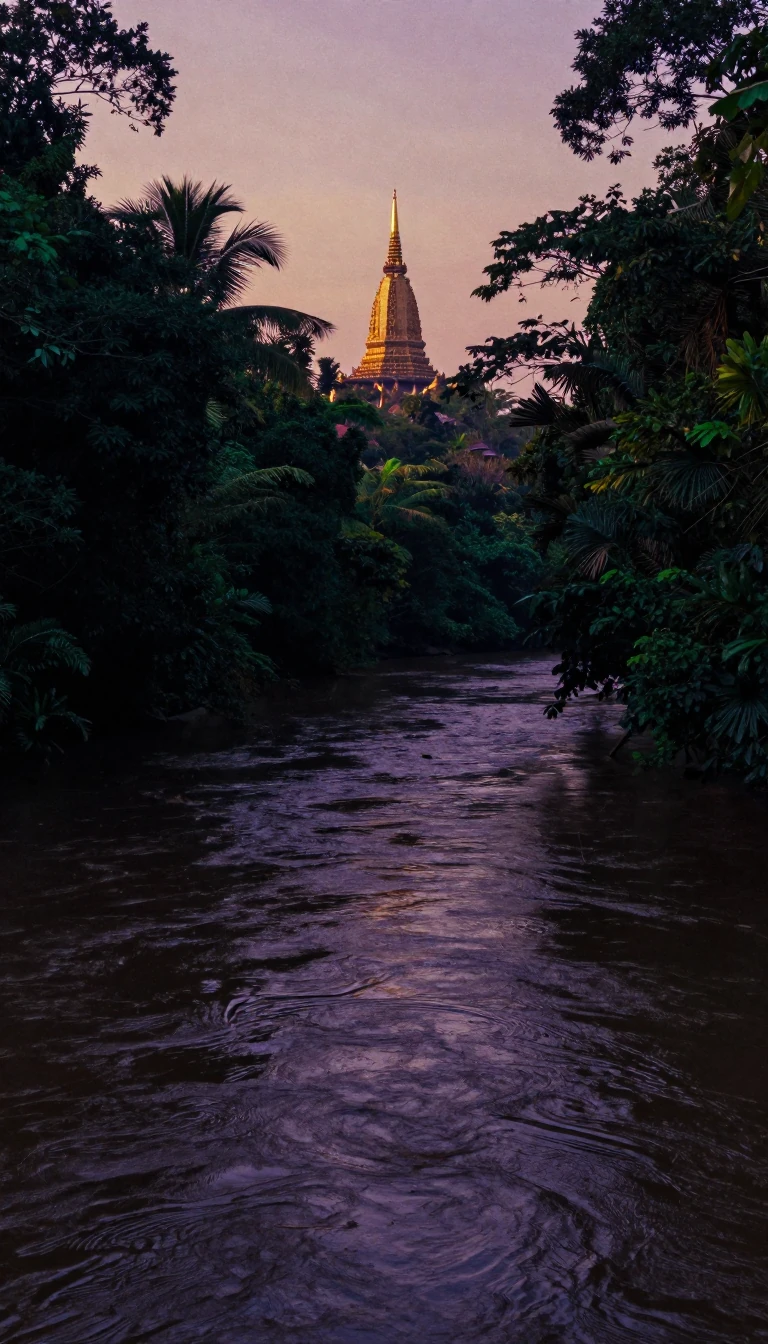 Angkor’s hydraulic cities crowned a thousand-year KambujaKhmer rulers built hydraulic cities across northern Cambodia under the name Kambuja, conventionally from Jayavarman II’s 802 universal-ruler rite on Phnom Kulen until 1431. Angkor…
 A mamluk shahdom fell to Genghis in two catastrophic yearsKhwarazm was a Persianate Sunni empire of Turkic mamluk stock under the Anushtegin line, holding swathes of Central Asia, Afghanistan, and Iran from 1077 to 1231. At its widest it…
 Varangian rowers gave their name to the first East Slavic stateKievan Rus’ knitted East Slavic, Norse, and Finnic societies into Eastern Europe’s first major East Slavic polity from the late ninth to mid-thirteenth centuries under Rurikid pri…
 A Pyrenean county grew into Spain’s Mediterranean crownAragon began as a Carolingian county around Jaca, slid under Navarrese vassalage, then became a kingdom that named the wider Crown of Aragon. When John II died in 1479, Aragonese …
 Přemyslid dukes turned Bohemia into an imperial electorateBohemia’s kingdom, ancestor of the Czech Republic, sat inside the Holy Roman Empire with its king among the prince-electors. Přemysl Ottokar I raised the duchy to kingdom in 1198;…
- Castle country on León’s frontier became Spain’s engineCastile began as León’s ninth-century eastern march, its “land of castles” name attested by 800 and mirrored in Arabic Al-Qila. Counts clawed autonomy, then kingship, pushing sout…
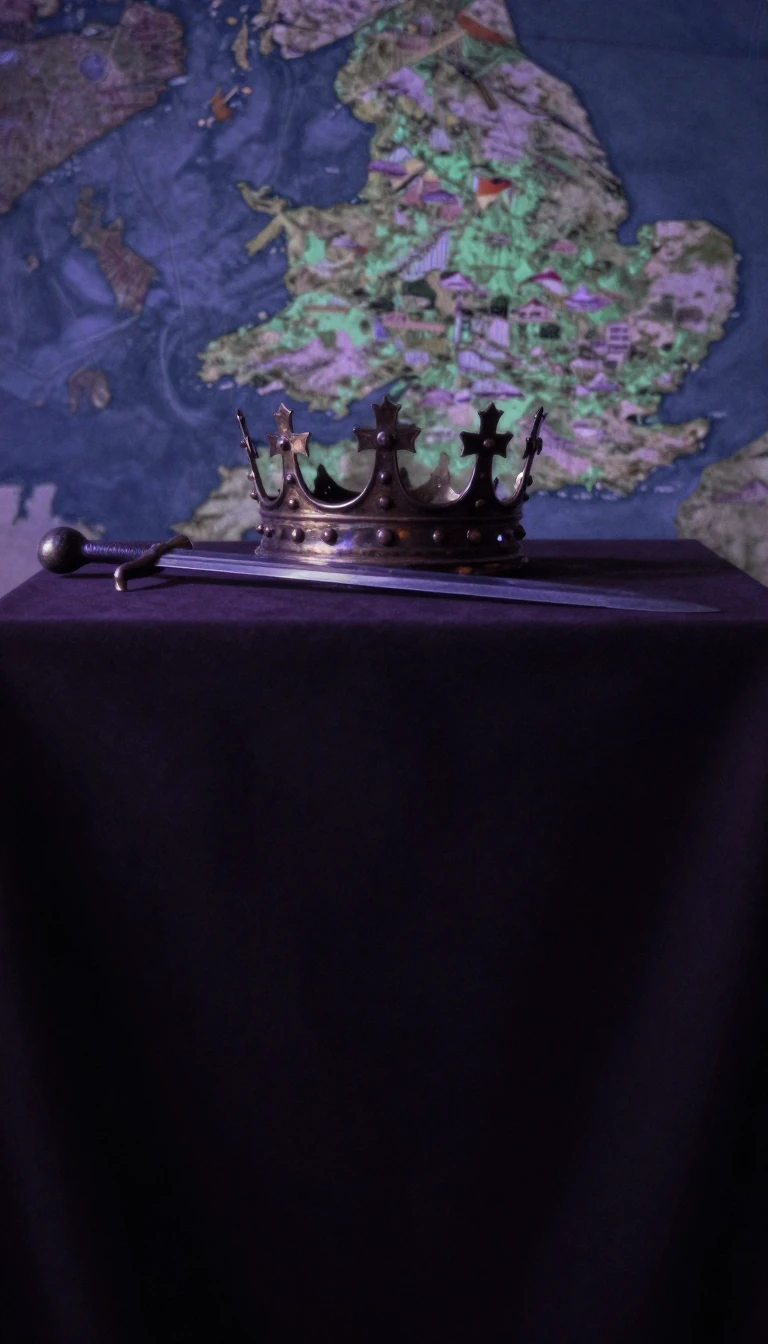 Æthelstan’s Englaland lasted until the 1707 British mergerEngland as a single kingdom runs from Æthelstan’s 927 gathering of Anglo-Saxon realms to 1 May 1707, when union with Scotland created Great Britain. Alfred’s capture of London in …
- Clovis’s Frankish patchwork became France and GermanyFrancia, the Kingdom of the Franks, was Western Europe’s largest post-Roman realm, founded when Clovis I welded Frankish tribes and seized Soissons in 486 and Aquitaine in 507. Co…
 “Frank” once meant Rhine war-bands, then free ChristiansThe Franks began in the third century as Germanic groups near the Lower Rhine and became a multilingual Catholic people ruling inside and beyond the old Roman west. By 870 their r…
 Blue Turks built the first pan-steppe Turkic khaganateThe Göktürks—Türük Bodun, Celestial or Blue Turks—were Inner Asian Turkic people who, under Bumin Qaghan (d. 552) and his heirs, forged the first expansive Turkic khaganate across…
 Wagadu’s “warrior kings” ruled the Sahel’s gold roadsThe Ghana Empire—also Ghanata or Wagadu—anchored the western Sahel in today’s southeast Mauritania and western Mali. Al-Khwārizmī mentioned its dynasty by 830; after centuries of …
- Jochi’s ulus kept Russia paying tribute for centuriesThe Golden Horde—Ulus of Jochi, self-named Ulug Ulus or “Great State”—began as the Mongol Empire’s northwestern share and Turkicized into a steppe khanate. Batu Khan expanded the …
 Wang Kŏn’s Goryeo gave Korea its modern English nameGoryeo, founded in 918 amid the Later Three Kingdoms, unified the peninsula until Joseon replaced it in 1392. General Wang Kŏn (Taejo) seized power from Taebong’s erratic Kung Ye;…
 Justinian’s Italian reconquest left a ruined pyrrhic prizeFrom 535 to 554 Justinian’s Byzantium fought the Ostrogoths across Italy, Dalmatia, and the western islands—the last Gothic war with the empire. Belisarius opened the first phase …
 A pagan Baltic duchy became Europe’s multiethnic giantThe Grand Duchy of Lithuania rose in the thirteenth century from the Kingdom of Lithuania and lasted until the 1795 partitions erased Poland–Lithuania. From Mindaugas’s 1253 Catho…
 Daniel’s forest appanage learned to tax for the khanThe Grand Principality of Moscow—Muscovy—grew from a thirteenth-century appanage into the leading Russian monarchy, capital at Moscow. Daniel (r. 1263–1303), youngest son of Alexa…
 Cyril and Methodius brought Slavic letters to Morava’s realmGreat Moravia was the first major predominantly West Slavic state in Central Europe, centered on the Morava River across today’s eastern Czech lands and western Slovakia. Under Ra…
 Italian cities kept fighting pope versus emperor for generationsGuelphs backed the pope and Ghibellines the Holy Roman Emperor across central and northern Italian city-states in the twelfth and thirteenth centuries. The feud grew from the Inve…
 Medieval guilds policed craft quality—and city politicsA guild is a professional association of artisans or merchants regulating a craft in a territory. Medieval Europe made them famous, yet Mesopotamian standards under Naram-Sin and …
- Lübeck’s loose merchant web once owned northern seasNorth German traders stitching Lübeck to Baltic and North Sea ports built the Hansa—a commercial and defensive web of guilds and towns from the late twelfth century. Even at its p…
- Kyoto’s peaceful name masked Fujiwara court captureJapan’s Heian period (794–1185) began when Emperor Kammu moved the capital to Heian-kyō—modern Kyoto—after Nara. Heian means “peace,” yet real power settled with the Fujiwara clan…
- Voltaire’s joke still haunts Europe’s elected empireThe Holy Roman Empire—after 1512 often “of the German Nation”—was a decentralized Central European polity headed by an elected emperor. Leo III crowned Charlemagne Roman emperor o…
- A Swiss hawk-castle name ruled half of Catholic EuropeThe House of Habsburg—House of Austria—took its name from Habsburg Castle, built in the 1020s in today’s Switzerland by Radbot of Klettgau. From 1440 until male-line extinction in…
 Florence’s wool bankers funded Michelangelo and popesThe Medici rose from Mugello farmers to Florence’s masters under Cosimo and Lorenzo the Magnificent, turning a 1397 bank into Europe’s envy until 1494. They became Dukes of Floren…
- Anjou’s broom-badge nickname belatedly labeled England’s kingsThe Plantagenets began as counts of Anjou and held England’s throne from Henry II’s 1154 accession until Richard III fell in 1485. Only late in the Wars of the Roses did Richard o…
 Seventy years of Chinese breakup after Tang fell in 907From 907 to 979 China lived through the Five Dynasties and Ten Kingdoms era: five short-lived dynasties racing across the Central Plain while more than a dozen regimes—ten famous …
 Romans who never called themselves Byzantines lasted to 1453The state we nickname the Byzantine Empire was simply the Roman Empire centred on Constantinople, surviving the fifth-century western collapse until Ottoman conquest in 1453. Its …
 Osman’s beylik ate Byzantium one fortress at a timeAfter Greeks clawed Constantinople back from Latin rule in 1261, the rebuilt empire faced Serbian pressure, restless Latin duchies, and Turkish ghazi beyliks filling the vacuum of…
 Hugh Capet’s house quietly grew into Europe’s oldest crownThe Capetians—also called the House of France—spring from Hugh Capet and the older Robertian line, with Carolingian blood through women. From a modest Île-de-France demesne they r…
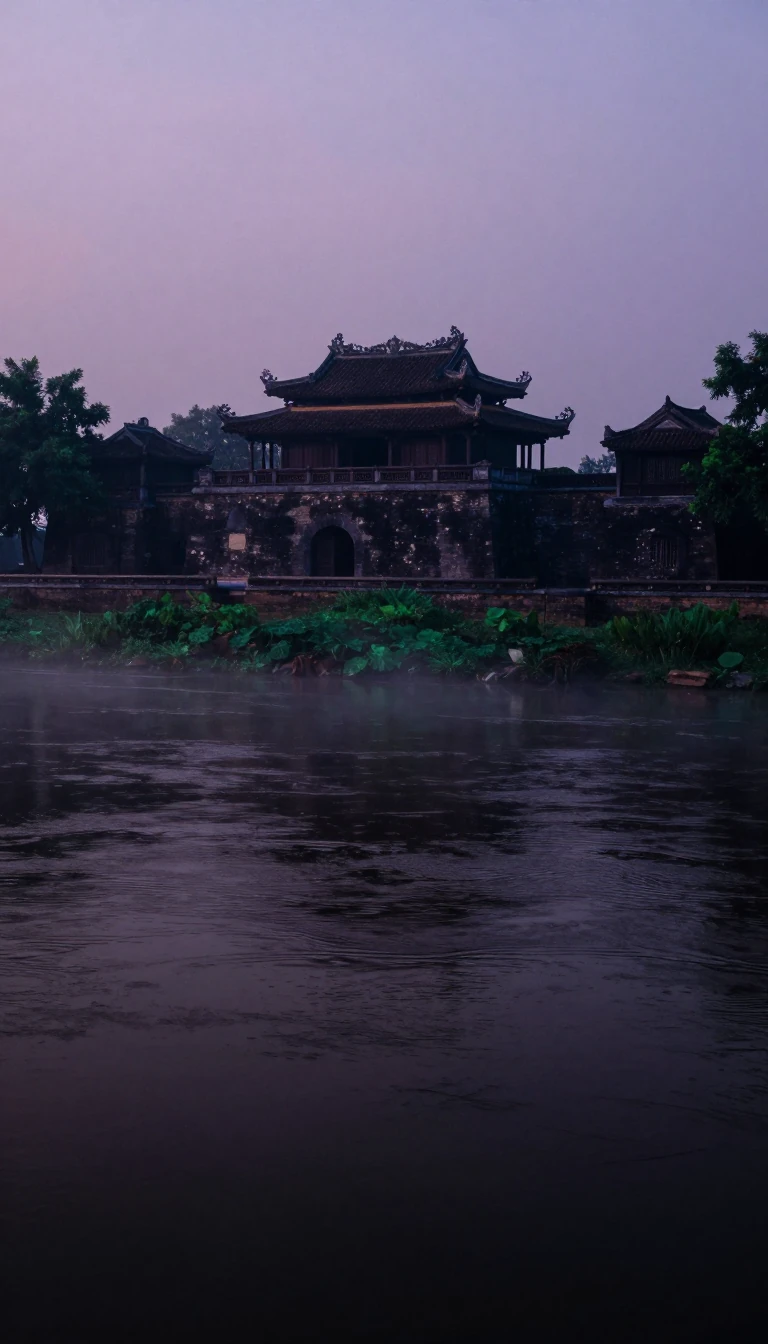 Cham sea kingdoms lined Vietnam’s coast for 1,600 yearsChampa was not one kingdom but a string of Austronesian Cham polities along what is now central and southern Vietnam, lasting from roughly the second century until 1832. Hindu tem…
 Chimú lords of Chan Chan fell to the Inca around 1470Chimor, the Chimú Empire, rose on Peru’s north coast about 900 CE after the Moche and became the largest Andean power before the Inca. Topa Inca Yupanqui conquered it around 1470—…
 Chivalry’s polished code was invented after the crusadesBetween about 1170 and 1220, French society forged an informal code later called chivalry, wrapping knighthood in Christian manners and romance. The word began as horse soldiery—c…
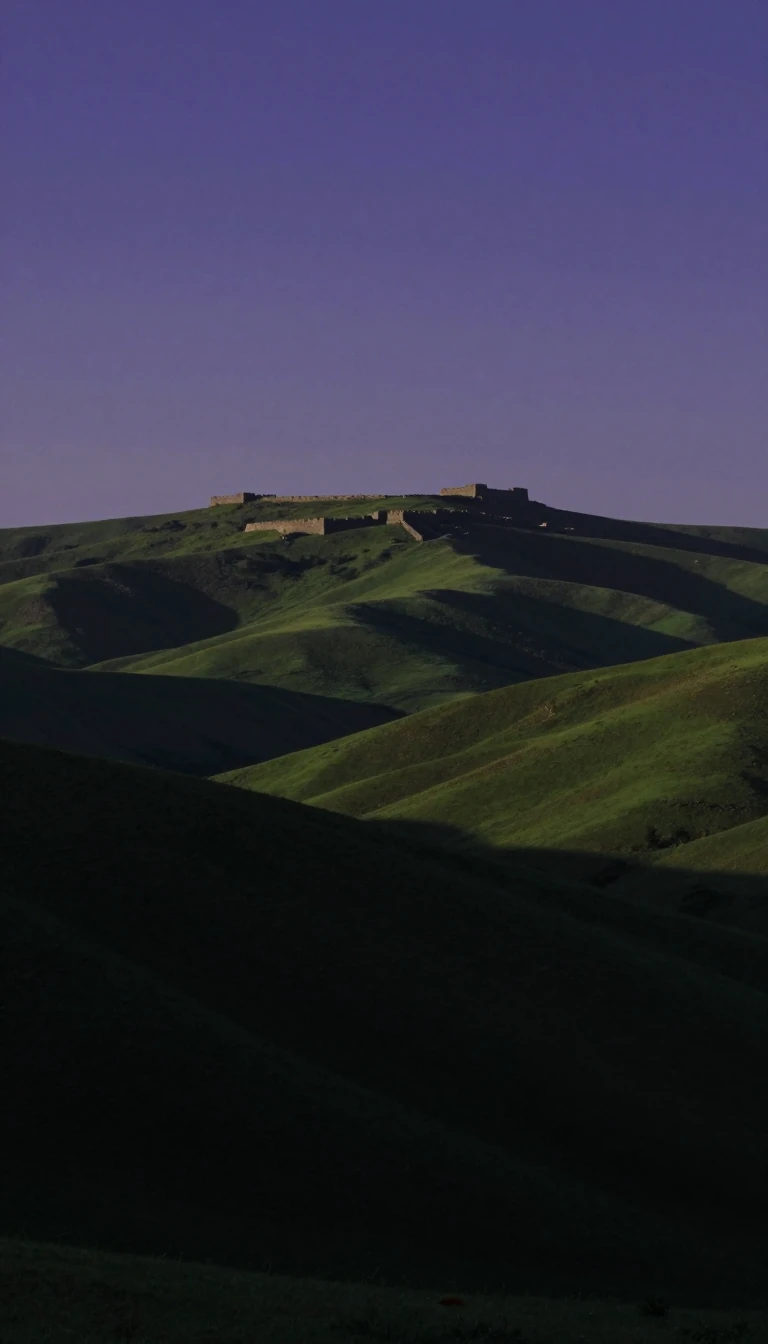 Four Catholic Outremer states clung to the Levant until 1291From 1098 to 1291, four feudal Catholic polities—Edessa, Antioch, Tripoli, and Jerusalem—held strips of the Levant and southeastern Anatolia. Born from the First Crusade preached …
 Urban II’s 1095 sermon launched two centuries of holy warAt Clermont in November 1095, Pope Urban II called western Christians to retake Jerusalem, promising spiritual rewards. Papally backed campaigns for the Holy Land then ran, with i…
 Steppe Cumans became kingmakers from Hungary to GeorgiaThe Cumans, western wing of the Cuman–Kipchak confederation, were Turkic nomads of Cumania north of the Black Sea and along the Volga. Rus’ writers called them Polovtsy, westerner…
 Five dynasties made Delhi a three-century Indo-Islamic capitalFounded in 1206 on Ghurid conquests, the Delhi Sultanate ruled large parts of the Indian subcontinent for over three hundred years through Mamluk, Khalji, Tughlaq, Sayyid, and Lod…
 Valois Burgundy died with Charles the Bold at Nancy in 1477The Duchy of Burgundy was a French feudal giant, distinct from the neighbouring Free County (Franche-Comté). Capetian dukes rooted it in the modern Bourgogne heartland; Valois duk…
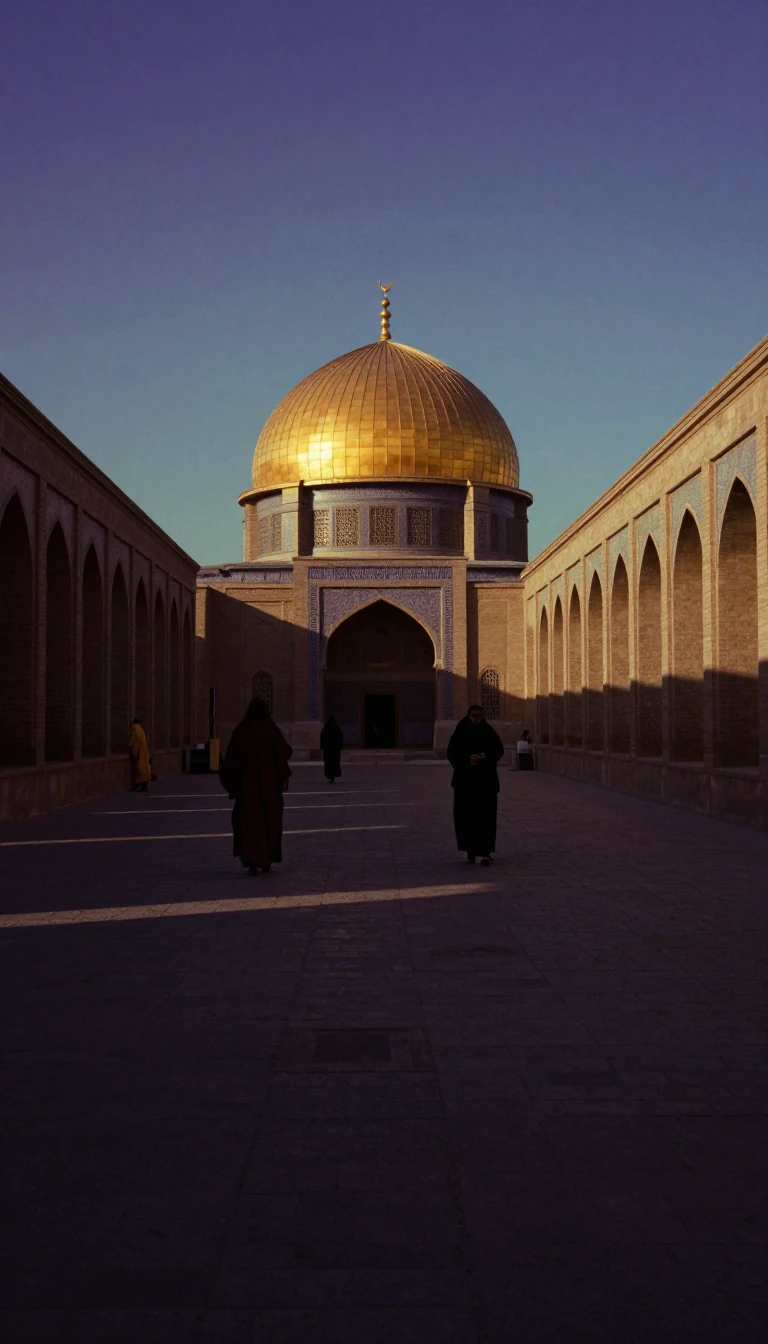 A human tsunami hit two exhausted empires after 622From Medina’s first Islamic polity in 622, Muslim armies erupted from Arabia in wars begun under Muhammad and continued by his successors. Within decades they toppled the Sasanian…
- The 1054 anathemas never fully healed Christendom’s splitSince 1054 the Catholic and Eastern Orthodox churches have lived out of communion—the East–West or Great Schism. Decades of Greek–Latin tension over theology, rite, and geopolitic…