 Intellect Plus
Post-classical
612 cards. Each one is a 40-second story with a five-minute read behind it. Page 7 of 11.
 How a melting pot of ancient tribes and nomadic warriors forged the Bulgarian peopleThe modern Bulgarian identity is not a single lineage but a complex synthesis of disparate cultures. From ancient Thracian roots to Slavic migrations and the arrival of Turkic-spe…
 How a series of trading ports evolved into the colonial structure of British MalayaBritish interest in the Malay Peninsula began as a quest for Chinese trade, not territorial conquest. Yet, through a mix of strategic acquisitions, local political instability, an…
 The Ghassanids: How an Arab Dynasty Became the Byzantine Empire's Most Powerful Frontier ShieldIn the 6th century, the Ghassanids emerged as a formidable Arab dynasty serving as a crucial Byzantine ally. Acting as a strategic buffer against desert Bedouins and Sasanian Pers…
 The Borjigin clan defined Asian history for centuries through a golden lineage of rulers.Founded in the 10th century, the Borjigin clan became the bedrock of Mongol power. From Genghis Khan to the last aristocrats executed in the 20th century, this lineage held a uniq…
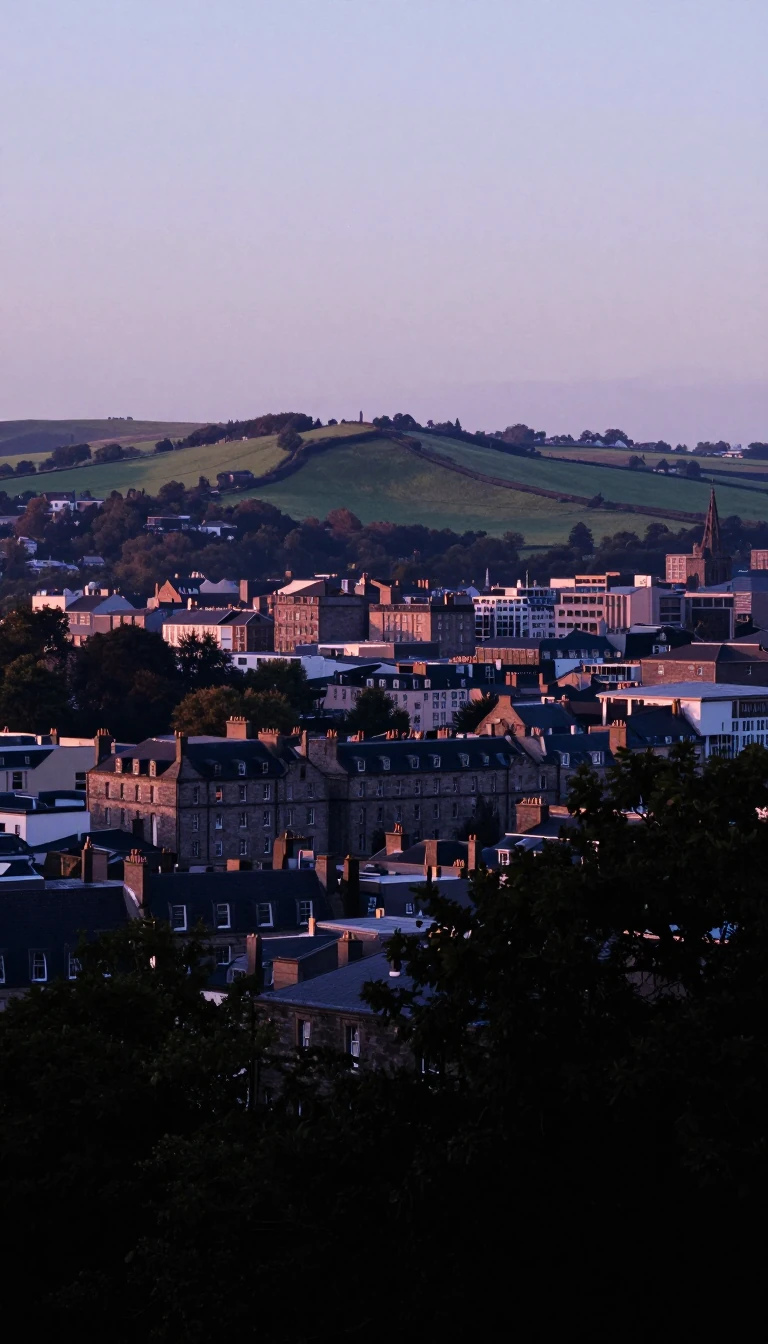 How a rural English county became the unlikely birthplace of the Paralympic GamesBuckinghamshire is more than a commuter belt for London. From its ancient Saxon roots to the creation of a modern city in the 1960s, this region has evolved from a deeply rural la…
 Why Bulgarian is the most radical outlier among all modern Slavic languagesBulgarian defies the rules of its Slavic family. It abandoned case declensions, dropped the infinitive, and pioneered an evidential verb system to mark the source of information. …
 The Sultan in a Cage: Fact vs. Folklore of a Fallen EmpireIn 1402, the Ottoman Sultan Bayezid I—known as 'the Thunderbolt'—was defeated and captured by the Turco-Mongol conqueror Timur. While European legends depicted him as a humiliated…
 The King Who Spent His Reign Defending Other KingdomsWhile most monarchs focus on their own borders, Baldwin II of Jerusalem spent much of his reign acting as a regional stabilizer. To save the Crusader states from collapse, he freq…
 The regent who rose from the secret police to the Russian throneHe began as an archer in Ivan the Terrible’s guard and ended as Tsar. Boris Godunov navigated a landscape of regicide, suspicious deaths, and famine, only to see his dynasty colla…
 How a barber's son became the Green Patriarch of the Orthodox worldBorn on a small Turkish island to a coffee shop owner, Bartholomew I has risen to become the longest-serving leader of the Eastern Orthodox Church. Beyond his religious duties, hi…
 The president who refused security met a violent end in BuffaloWilliam McKinley was the architect of American imperialism, leading the nation into a global empire and a period of industrial prosperity. Yet, his presidency was cut short by a s…
 The King who ruled a kingdom while his body failed himAscending the throne at just thirteen, Baldwin IV of Jerusalem faced a dual onslaught: the rising power of Saladin and the progressive disfigurement of leprosy. Despite losing sen…
 The hidden linguistic survival of Western Europe's most ancient tongueWhile most languages in Western Europe were swept away by the expansion of Indo-European tribes, one distinct lineage survived. Deep in the hills of Aquitaine, a prehistoric langu…
 The era when the Catholic papacy moved to FranceFor nearly 70 years, the seat of papal power sat far from Rome. Often called the 'Babylonian Captivity,' this period saw seven successive French popes governing from Avignon, spar…
 The 'religion for the elite' that weaponized science and science fictionIn the 1990s, a Japanese cult of university graduates turned yoga and anime-inspired mysticism into a terrifying chemical weapons program. They didn't just seek spiritual truth; t…
 Before 1948, Jewish opposition to Zionism was often a matter of faithLong before the modern geopolitical conflict, many Jews viewed the creation of a sovereign state as a theological impossibility or a threat to their integration. From Orthodox rab…
 The warrior who switched sides to build a dynastyIn 1333, Ashikaga Takauji was sent to defend the Hōjō government. Instead, he turned his army against them. This sudden betrayal didn't just collapse a regime; it launched the Ash…
 The celestial spies sent to break the power of the godsIn ancient Hindu and Buddhist myths, the Apsaras were more than mere dancers. These shapeshifting spirits were often deployed as divine agents of distraction, tasked with seducing…
 Is imperialism driven by national pride or by the pursuit of profit?While many view empire-building as a quest for glory, influential theorists argue the true engine is economic. From the 1902 insights of John A. Hobson to Lenin’s theories on capi…
 The Roman survivor who became a legend of British resistanceIn the 5th century, as the Anglo-Saxon invasions devastated Britain, one man emerged from the wreckage. Known as the 'Last of the Romans,' Ambrosius Aurelianus led a desperate res…
 How a calculated coup and a holy oath saved a collapsing empireIn 1081, the Byzantine Empire was fracturing under the weight of invasions and internal revolt. Yet, through a daring conspiracy, a strategic marriage, and a dramatic standoff in …
 The 'All Men' who reshaped the map of EuropeThey were not a single nation, but a shifting confederation of tribes. Known to the Romans as the Alemanni—meaning 'all men'—this Germanic group rose from the shadows of the Rhine…
 Was the Holy Roman Emperor known as the Arch-Sleepyhead actually a strategic genius?Frederick III, who reigned for 41 years, was often mocked for his sluggish, indecisive style. Yet, this supposedly sleepy ruler laid the groundwork for the massive Habsburg Empire…
 How a Roman label for foreign tribes became the name of a modern nationThe term Germania was not a native identity but a Roman invention, used to categorize diverse peoples living beyond the Rhine. While Rome struggled to conquer these lands, the nam…
 How France attempted to rule Morocco without erasing its thousand-year-old traditionsUnlike the assimilationist approach used in Algeria, French colonial rule in Morocco sought to preserve traditional society. By enlisting the existing nobility and maintaining the…
 Was the Garden of Eden a literal place or a royal Persian garden?The Garden of Eden is a foundational biblical narrative, yet its physical location remains a mystery. Scholars debate whether it was a real Mesopotamian site, a symbolic reflectio…
 The Gepids: A Shadowy Germanic Tribe That Once Toppled the Hunnic EmpireLong considered a footnote in the migration period, the Gepids were a formidable Germanic power that rose from obscurity to dominate the Carpathian Basin. After helping to shatter…
 How a World War II Radar Base Transformed into a Modern Research PowerhouseFlorida Atlantic University rose from the remnants of a military airfield to become a major research institution. Today, this sprawling university system spans seven campuses, ser…
 How a refugee state in Anatolia kept the Byzantine dream alive for decadesAfter the 1204 Sack of Constantinople, the Byzantine aristocracy fled to Nicaea. This rump state became the most powerful successor, successfully navigating wars against Crusaders…
 How a desperate military outpost in Italy accidentally birthed the medieval Italian city-state.Established in 584 to defend Byzantine Italy against Lombard invaders, the Exarchate of Ravenna centralized military and civil power. Yet, as imperial authority waned, local milit…
 How a small group of British intellectuals shaped global politics through patient, gradual reform.Named after a Roman general who defeated Hannibal through attrition, the Fabian Society rejected violent revolution in favor of cautious, evolutionary change. By influencing the B…
 How a manga about wizard guilds became a global phenomenon with 72 million copiesHiro Mashima’s Fairy Tail evolved from a simple pilot into a massive franchise spanning 63 volumes and multiple anime adaptations. By blending standard shonen tropes with genuine …
 Ferdinand II: The Emperor Who Tried to Force an Entire Empire Into One FaithFerdinand II was a man of contradictions: a pious, music-loving hunter who believed his divine mission was to eradicate religious dissent. His uncompromising zeal for the Counter-…
 The Final Solution was not a single decision but a prolonged, incremental process of genocide.The Nazi plan to exterminate Europe's Jewish population was not born from one specific order. Instead, it evolved over 25 months of war, shifting from forced emigration and ghetto…
 How a fractured Carolingian empire birthed the medieval kingdom of GermanyWhen the Carolingian Empire split in 843, the eastern portion faced a unique challenge: it lacked the traditional royal regalia and symbols of power. Forced to innovate, its ruler…
 How a Warlord's Domain Transformed the Yangtze Delta into a Chinese PowerhouseEastern Wu began as a collection of regional military fiefdoms but evolved into a sophisticated imperial state. By mastering river transport and expanding trade across the seas, t…
 Eleftherios Venizelos: The Cretan Revolutionary Who Became the Maker of Modern GreeceFrom a hilltop rebel in Crete to an eight-term Prime Minister, Eleftherios Venizelos reshaped the Greek state. He navigated the collapse of the Ottoman Empire, survived internal c…
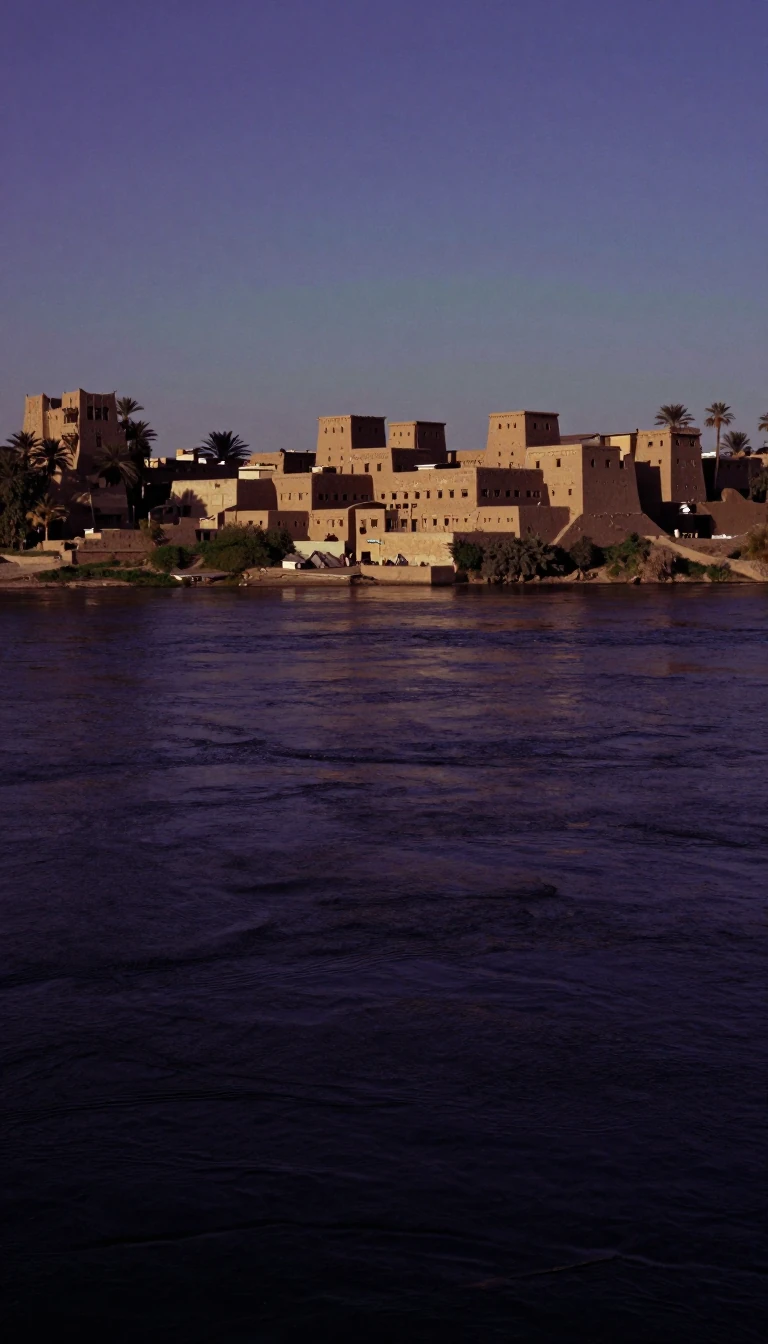 Why the Nile Valley's ancient inhabitants remain the most rooted people on EarthFor millennia, the Egyptian identity has been anchored to the fertile banks of the Nile. Despite waves of foreign rule, from Persians to Romans, this hinterland society maintained…
 Beyond inheritance: how elective monarchies have shaped global power for thousands of yearsWhile we often associate crowns with bloodlines, history reveals a different path. From ancient Roman assemblies to the modern Vatican, elective monarchies have frequently bypasse…
 Was Edgar the Peaceful actually a golden-age monarch or just a lucky opportunist?Edgar reigned as King of England from 959 to 975, a period later chroniclers mythologized as a golden age of peace. Yet, modern historians find him an elusive figure, debating whe…
- The Russian Emperor was more than a king; he was a divinely ordained father figure.From 1721 to 1917, the Russian monarch held a title that fused absolute political power with supreme religious authority. Unlike Western counterparts, the tsar was viewed as a lit…
- In 1915, China’s President declared himself Emperor, triggering a collapse that birthed the warlord era.Yuan Shikai, China’s president, attempted to restore the monarchy in 1915, rebranding himself as the Hongxian Emperor. He argued that republicanism was unsuitable for China’s cond…
- The last Habsburg emperor was a man of peace in a world at warCharles I of Austria inherited a crumbling empire during the First World War. While his contemporaries pursued total victory, he secretly sought a path to peace. His attempts to s…
 The government-in-exile that manages a diaspora without holding sovereign territoryBased in Dharamshala, India, the Central Tibetan Administration functions as a government-in-exile for roughly 100,000 Tibetan refugees. While it lacks international recognition a…
 Why this ancient jade-colored pottery was once the most coveted treasure in the worldCeladon is a ceramic marvel defined by its pale, jade-like glaze. Originating in China, this technique relies on precise iron oxide chemistry and high-temperature firing in a redu…
- Why Genghis Khan denied his own son the throne of the Mongol EmpireChagatai Khan was a master of Mongol law and a key architect of the empire's stability. Yet, his own father, Genghis Khan, deemed him too inflexible to rule. Discover the story of…
 Did a royal wedding massacre haunt the French King to his early grave?Charles IX of France ascended the throne at age ten, but his reign was defined by the brutal religious wars between Catholics and Huguenots. His attempt to broker peace through a …
- Did a simple door frame really end the reign of King Charles VIII?Charles VIII of France conquered Italy with revolutionary artillery, only to lose everything and die in a bizarre accident. While history long blamed a fatal collision with a door…
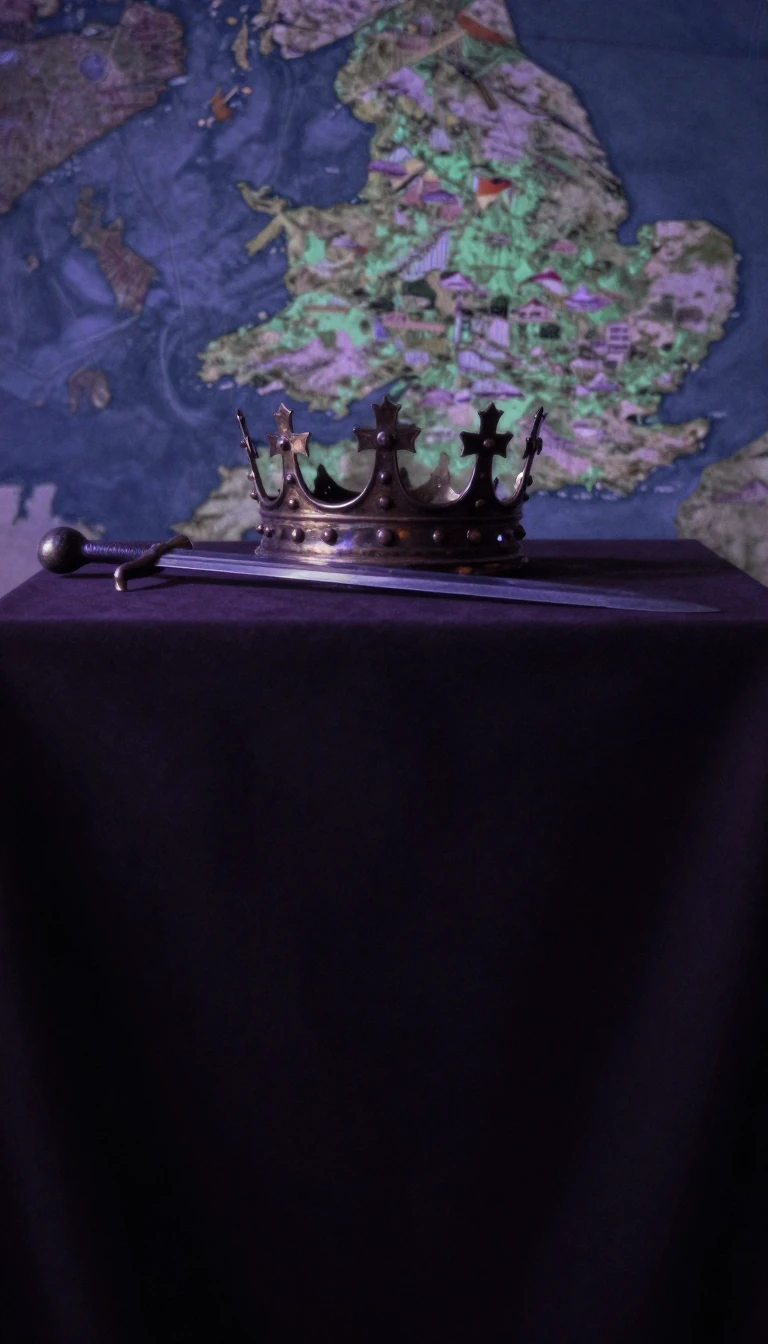 Eadred, the King who solidified England by mastering the volatile Northumbrian frontier.Succeeding his brother in 946, Eadred inherited a kingdom defined by fragile borders and Viking rivals. While his health failed him in his final years, his reign marked a pivotal …
 How a Roman client king built the Mediterranean's largest artificial harbour in the open sea.Herod the Great transformed a modest Phoenician trading village into a monumental Roman capital. By importing thousands of cubic metres of volcanic ash from Italy, his engineers p…
- Burgundy was once a European superpower that rivaled the French crown itselfLong before it became synonymous with fine wine, Burgundy was a formidable medieval state. Stretching from the Alps to the North Sea, the Valois-Burgundian realm operated as a wea…
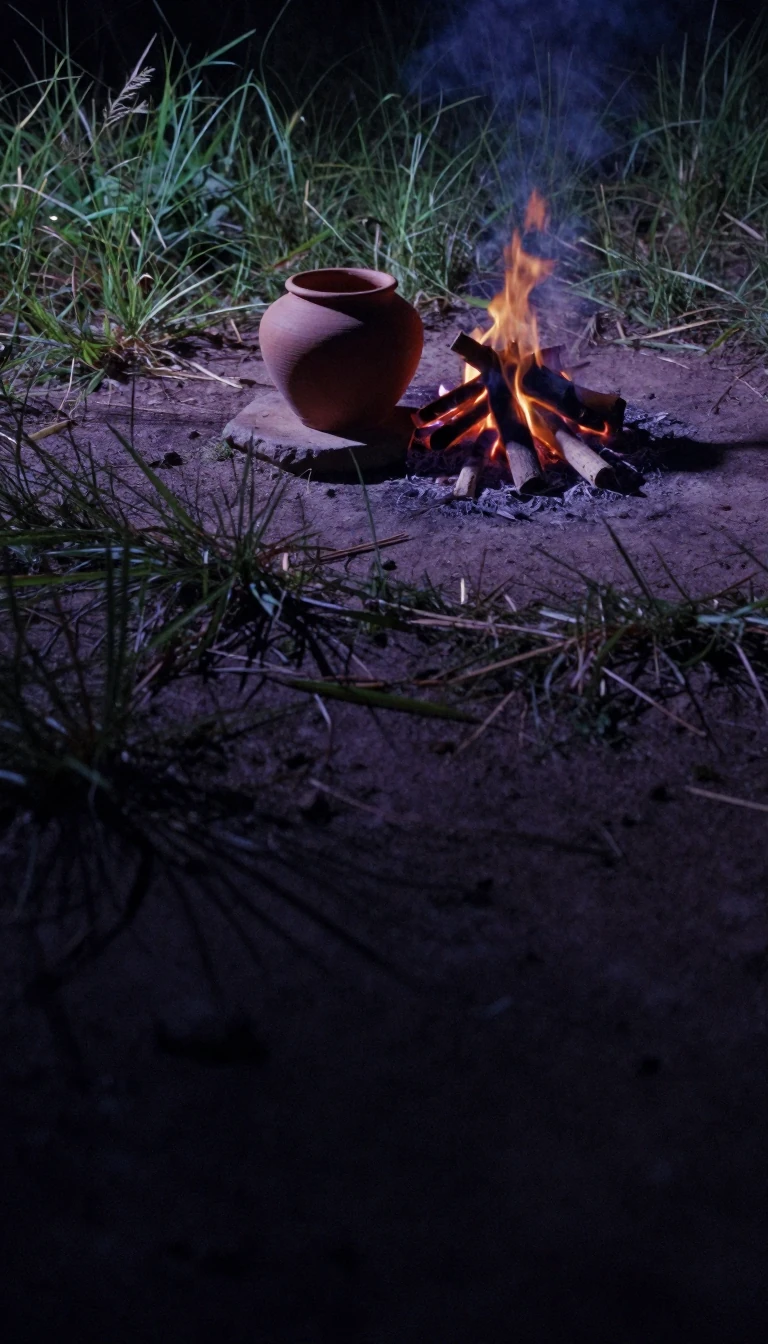 Some chicha is brewed with the help of human salivaAndean corn beer can be made the familiar way, by sprouting maize to free its sugars. But some brewers skip that step: they chew ground maize or cassava, and enzymes in saliva tur…
 Christian apologetics has nothing to do with saying sorryIn ancient Greek, an apologia was a courtroom defence, the kind Socrates mounted against charges of corrupting the young. Early Christians borrowed the form to answer emperors and…
 The Chuvash speak the last survivor of a whole Turkic language branchTurkic languages split into two main branches, and one of them, Oghuric, now has a single living member: Chuvash, spoken mainly in a Russian republic on the Volga. It sounds so un…
 The pharaohs' language survives, spelled in Greek letters, in Coptic church servicesEgyptian may have the longest recorded history of any language, stretching from just before 3200 BC into the Middle Ages. Its final stage, Coptic, dropped hieroglyphs for the Gree…
- A count was originally just the king's companionThe noble title count comes from the Latin comes, meaning companion or attendant: someone sent to stand in for the ruler. England never adopted it and used earl instead, yet becau…
 The last Aztec emperor's supposed grave may be an elaborate hoaxCuauhtémoc, whose name means descending eagle, took the Aztec throne at about 25 while Spanish forces and smallpox ravaged Tenochtitlan. He held out for months, was captured in 15…
 Rome renamed this Italian city because its old name meant bad windThe Samnite town the Romans captured sounded to Latin ears like Maleventum, bad wind, an unlucky omen. So when they planted a colony there in 268 BC they flipped it to Beneventum,…
 There is no single Bible: 24, 39 or 46 books, depending who asksJews count 24 books in the Tanakh. Protestants split the same material into 39 for their Old Testament, while Catholics include 46, adding texts they call deuterocanonical. The Sa…
 William the Conqueror's youngest son inherited cash, not land, and still became kingWhen William the Conqueror died in 1087, Normandy went to his eldest son and England to the next. Henry, the youngest, got money, reportedly 5,000 pounds, and no territory. Within…