 Intellect Plus
Post-classical
612 cards. Each one is a 40-second story with a five-minute read behind it. Page 9 of 11.
 The Suebi left their name on Swabia and a kingdom in north-west SpainJulius Caesar met the Suebi as a single tribe between the Rhine and the Elbe. Within a few centuries the name covered a web of peoples who would found a kingdom in north-west Iber…
 Iron and copper turned thinly populated Sweden into a Baltic superpowerFor about a century Sweden ruled most of the Baltic shoreline, an empire more than twice the size of the modern country but home to only around 2.5 million people. Its rise was pa…
- The Pope's famous striped uniforms were designed in 1914, not the RenaissanceThe Vatican's Swiss Guard looks like a painting come to life, all red, blue and yellow stripes and plumed helmets. Yet that costume was worked out by a commander who studied 16th-…
 Before the katana, Japanese warriors carried the tachi, worn with its edge pointing downMost Japanese swords named National Treasures are not katana at all. About 70 percent are tachi, the longer, more curved blades that samurai slung from the waist edge-downward. Th…
 A dead prince kept coming back to claim Russia's throneTsarevich Dmitry was officially reported dead in 1591, killed by his own knife during a seizure. Yet within a decade a man claiming to be him marched out of Poland-Lithuania, took…
 Japan's longest-ruling shoguns may have invented their own noble ancestryOnly descendants of the Seiwa Genji line could traditionally become shogun. Tokugawa Ieyasu duly claimed that lineage, tracing his family back through the Nitta to the Minamoto. H…
 Japan's last shogun gave up power, then took up photography and cyclingTokugawa Yoshinobu never once entered Edo Castle as shogun. Within a year of taking the title he handed power back to the emperor, fled a battle his side outnumbered, and retired …
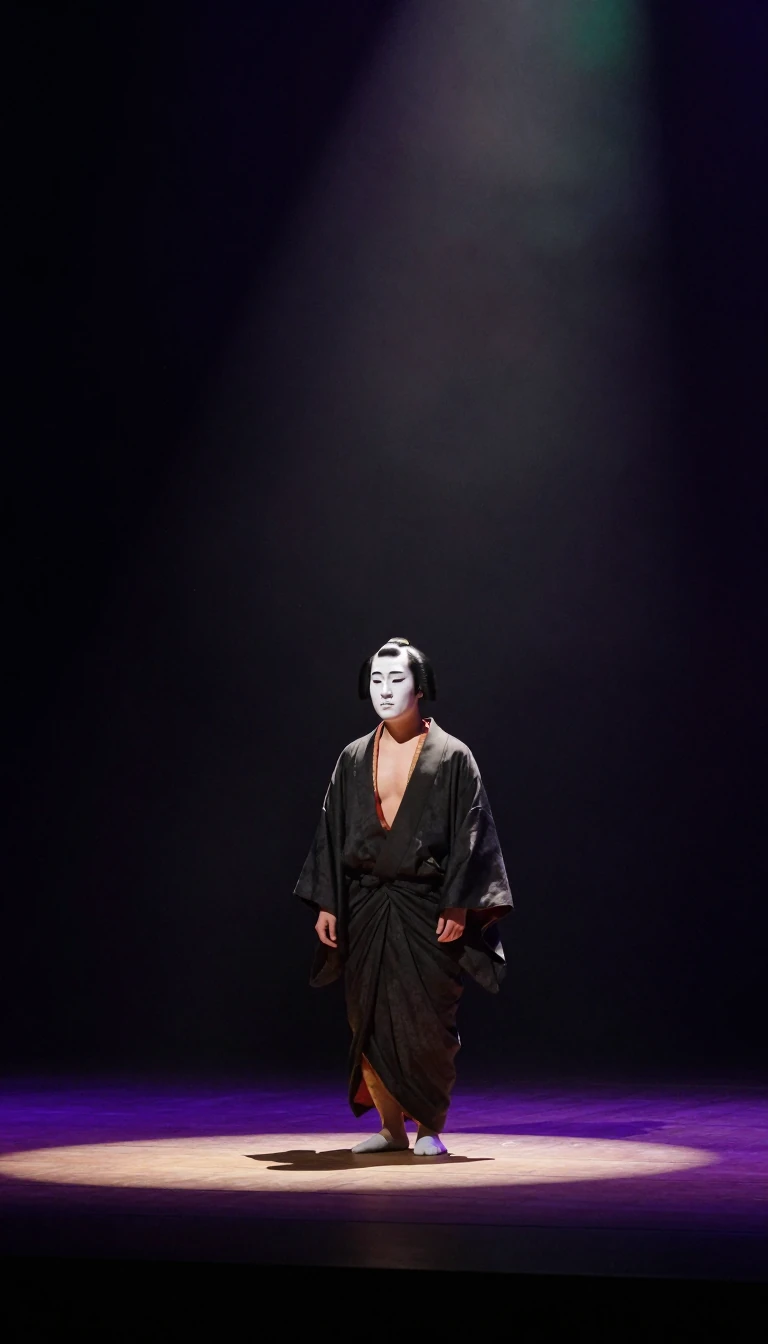 Godzilla was a man in a suit stomping a miniature city, by designJapan's special-effects tradition, tokusatsu, rests on a gloriously physical trick: put an actor in a monster costume, surround him with scaled-down buildings and film from just t…
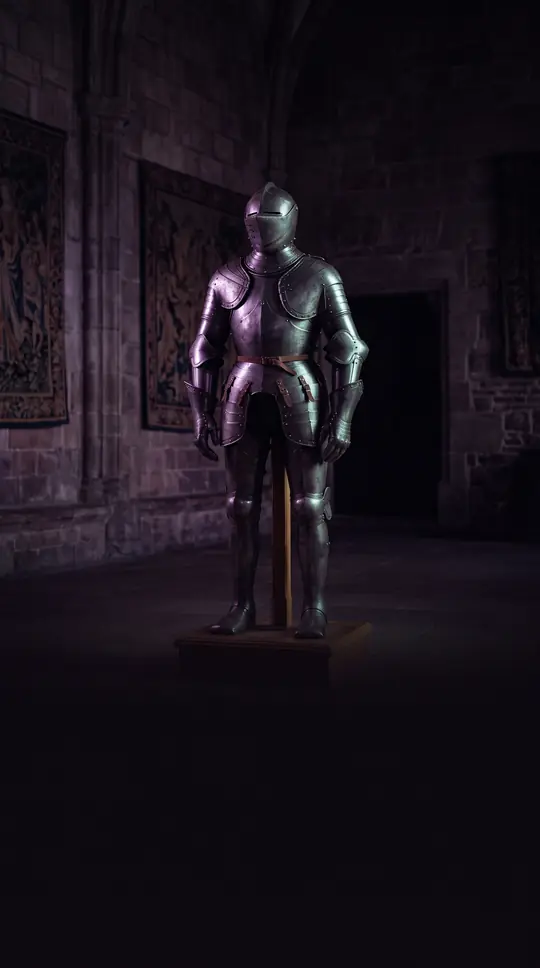 Hospital knights from Acre built a Baltic crusader stateFounded around 1190 at Acre by Bremen and Lübeck merchants, the Teutonic Order began as pilgrims’ hospitalers. Invited by Konrad of Masovia against Old Prussians, they forged an i…
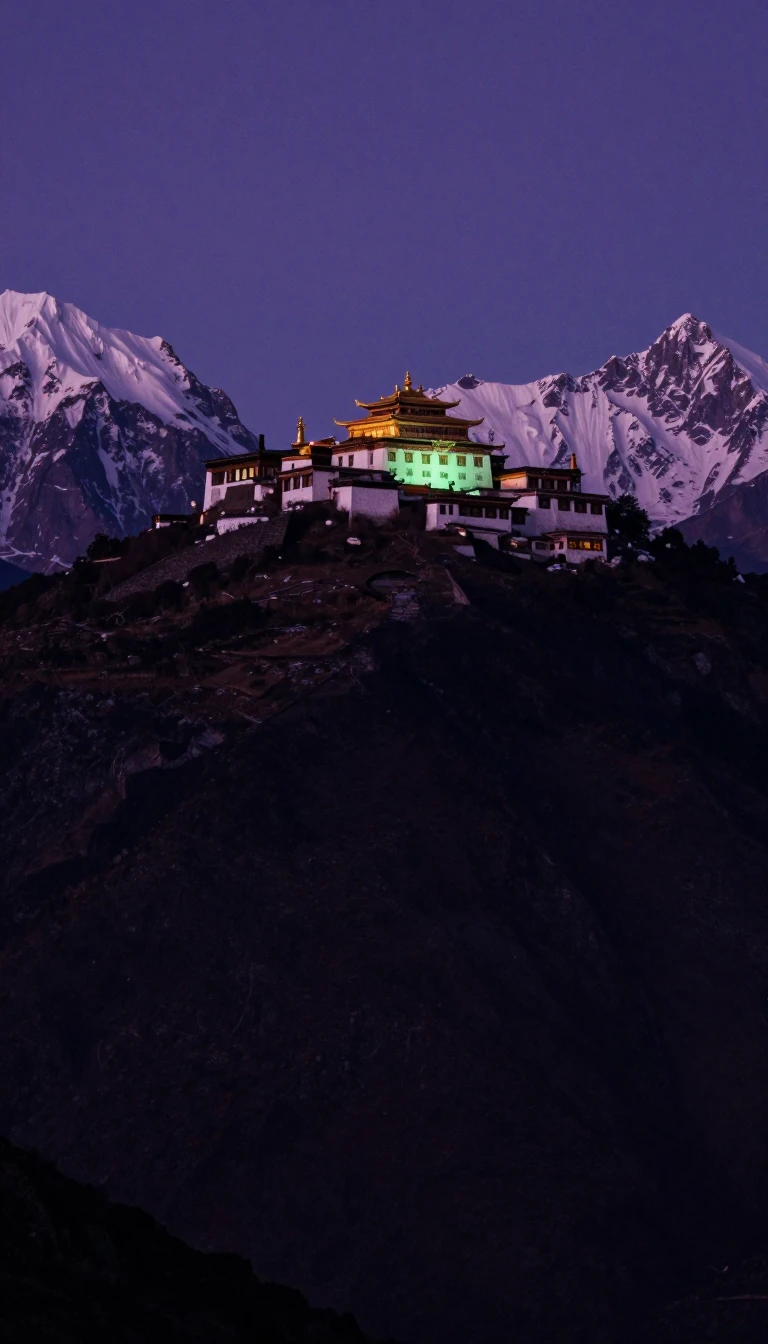 Songtsen Gampo turned a valley kingdom into Great TibetUnder Yarlung king Songtsen Gampo in the seventh century, Tibet leapt from the Yarlung Valley to a plateau empire later stretched by Trisong Detsen and Tritsuk Detsen. Chinese pri…
 Timur called his realm Turan while claiming Mongol gloryFrom 1370 to 1405 the Turco-Mongol warlord Timur built a Persianate Muslim empire across Iran, Central Asia, and beyond. He styled himself restorer of Genghis’s order—yet lacking …
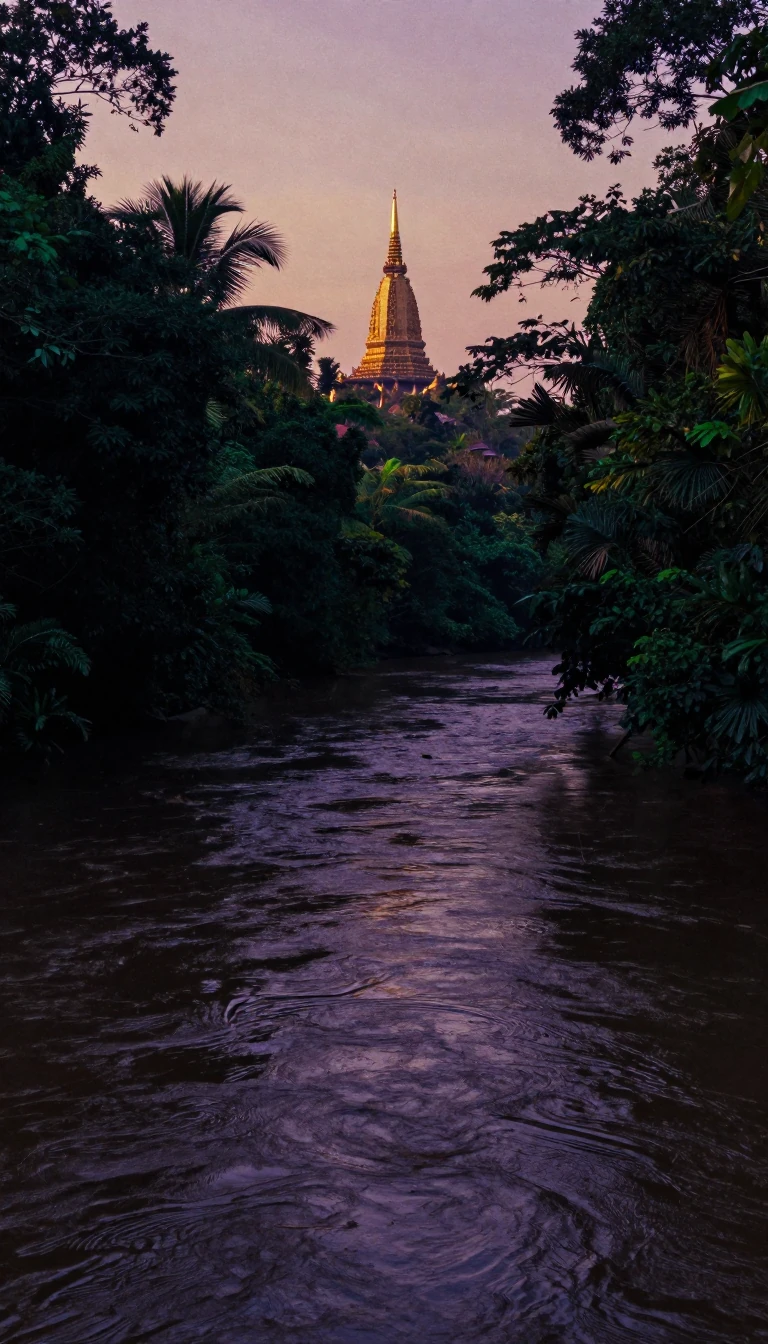 Trần Vietnam beat Mongols and invented local paper cashThe Trần dynasty ruled Đại Việt from 1225 to 1400 after Trần Thủ Độ engineered a child empress’s marriage and abdication. They improved Chinese gunpowder, vassalized Champa, issue…
 Camels and salt mines stitched Africa across the SaharaTrans-Saharan trade linked North Africa to the Sahel from prehistory and peaked between the eighth and early seventeenth centuries. Fernand Braudel argued that only outsized profi…
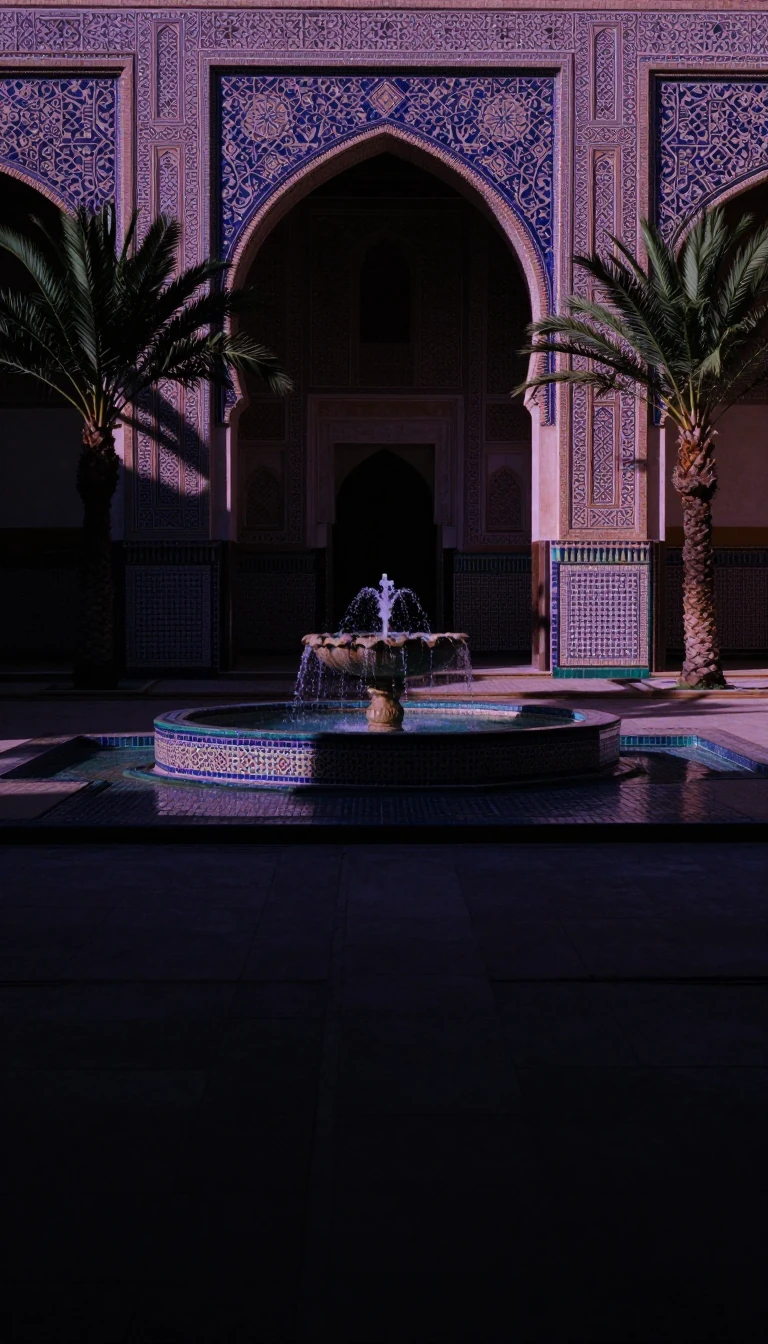 Umayyads built one of history’s largest land empiresFrom 661 to 750 the Umayyad Caliphate, Islam’s second caliphal house, ruled from Damascus after the Rashidun caliphs. At its widest it covered an estimated 13 to 15 million square…
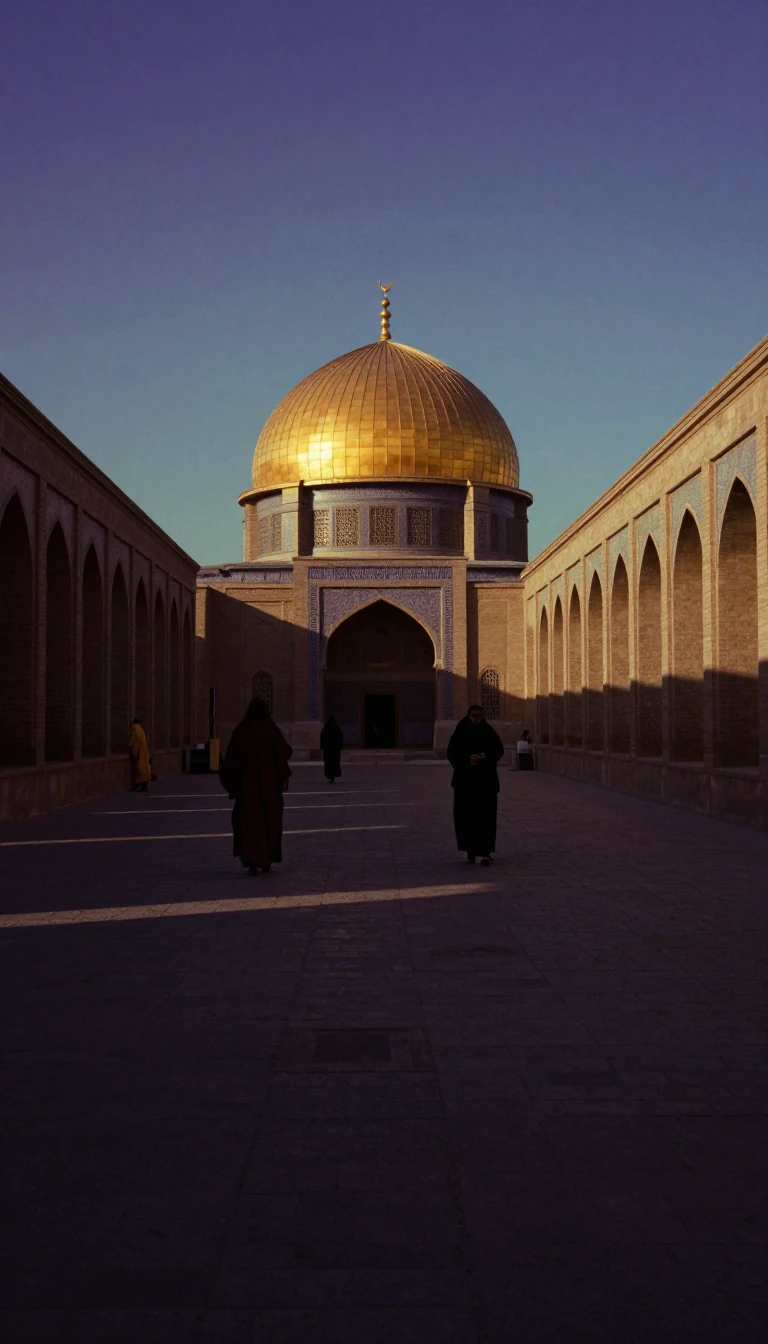 A fleeing Umayyad prince made Córdoba a rival caliphateFrom 756 to 1031 an Umayyad state ruled most of Iberia as the Emirate, then after 929 the Caliphate, of Córdoba. Abd al-Rahman I escaped Abbasid slaughter in Syria and built a cap…
 Uyghur riders saved Tang capitals—then ruled the steppeFor about a century in the mid-eighth and ninth centuries the Uyghur Khaganate, the Toquz Oghuz “Nine Tribes,” dominated Inner Asia. After Tang’s 751 Talas defeat, Uyghurs filled …
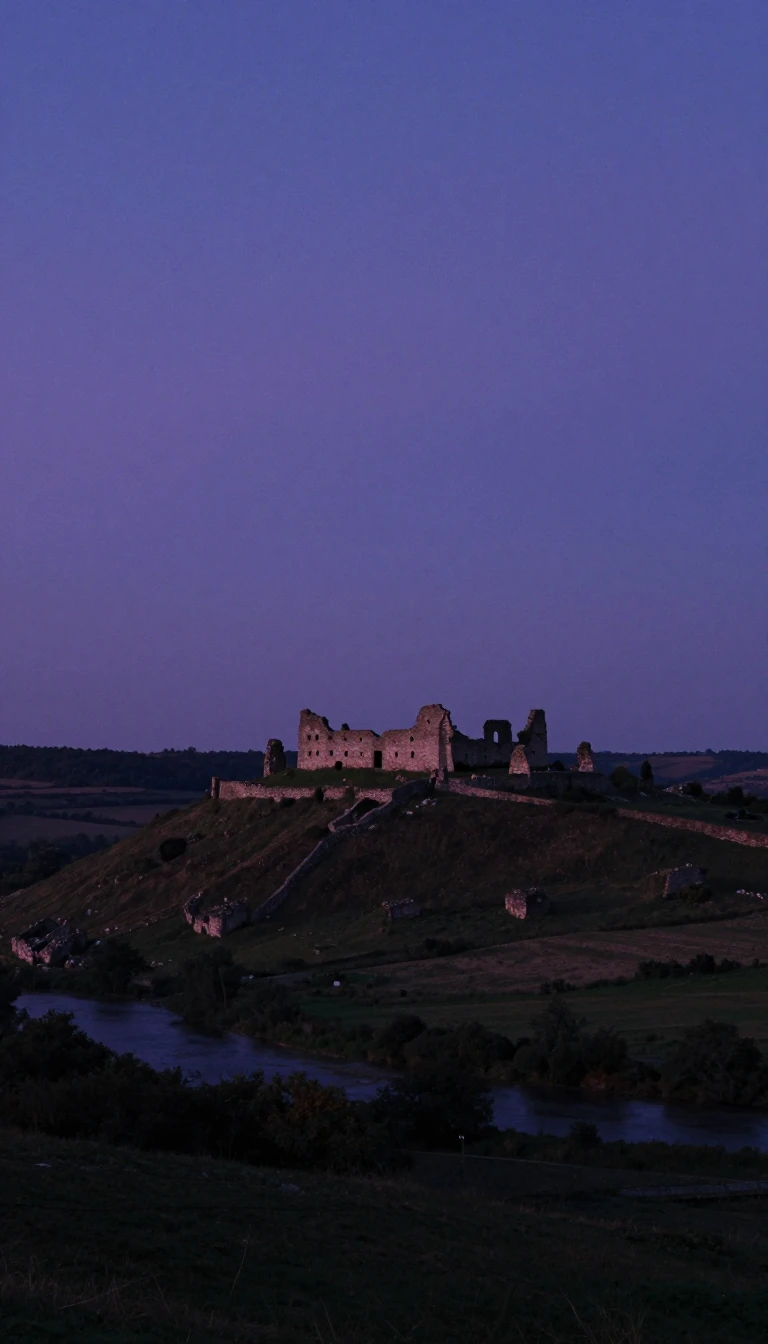 City of Victory ruled south India until TalikotaFounded in 1336 by Sangama brothers Harihara I and Bukka Raya I, the Vijayanagara—or Karnata—Empire shielded southern Hindu courts after Delhi’s raids. Under Krishnadevaraya it pe…
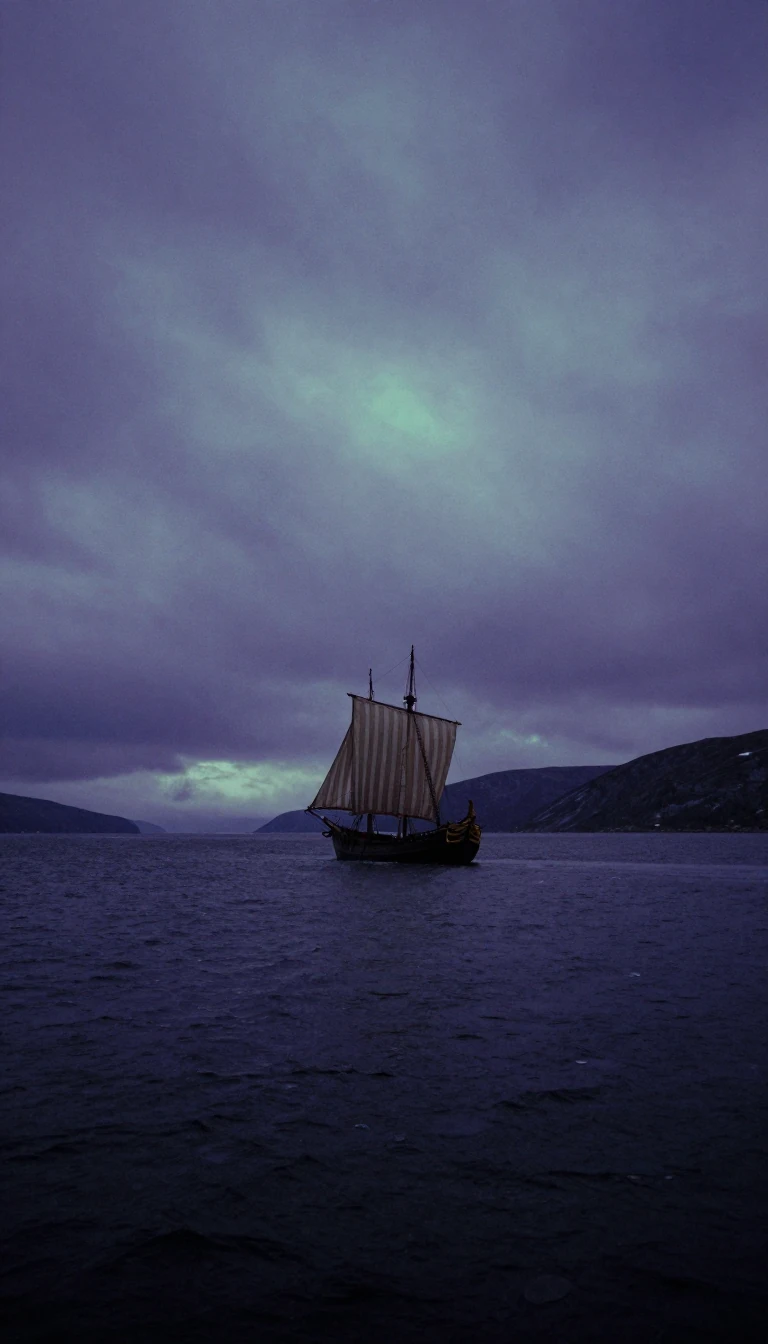 Lindisfarne’s 793 raid still marks the Viking Age’s bangFrom about 800 to 1050 CE, Scandinavian seafarers raided, traded, and settled from North America to the Volga. In England the age is usually dated from 8 June 793, when Norse atta…
 Visigoths lost Gaul to Franks but kept Iberia for centuriesFrom the fifth to eighth centuries the Visigothic Kingdom held southwestern France and Iberia as a Roman successor state. Franks tore away most of Gaul early on, leaving Septimani…
 Andrey moved Rus’ power to Vladimir and sacked KievBefore 1157 it was the Principality of Suzdal; afterward the Grand Principality of Vladimir anchored northeastern Rus’. Yury Dolgoruky shifted from Rostov to Suzdal in 1125, and h…
 Volga Bulgars chose Islam sixty-six years before Rus’Between the ninth and thirteenth centuries Volga–Kama Bulgaria taxed the middle Volga’s Europe–Asia trade. In 922 it adopted Islam as state religion—sixty-six years before Kievan …
 Wari built Peru’s first highland empire with knotted cordsFrom about 500 to 1000 CE the Wari (Huari) flourished across Peru’s south-central Andes and coast, forming an early expansive state. Their capital sat eleven kilometres northeast …
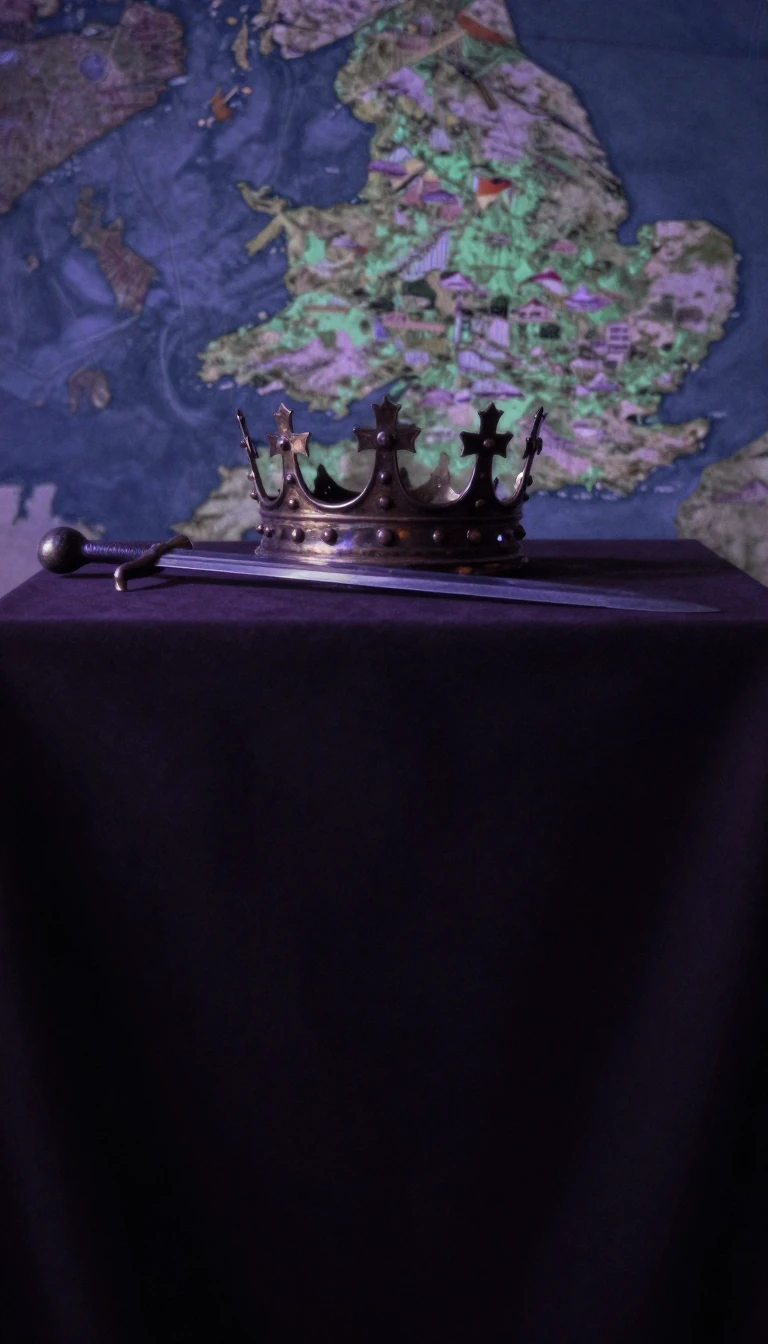 England’s rose wars were named centuries after the fightingFrom 1455 to 1487 York and Lancaster factions bled for England’s crown in what contemporaries simply called the Civil Wars. The catchy “Wars of the Roses” label bloomed in the 180…
- Wend was a shifting German label for many Slav neighbours“Wends” never named a single people. Medieval Germans and Scandinavians applied it to assorted Slavs, from the Obotrites of the Baltic coast to the Slovenes of the Alps, and today…
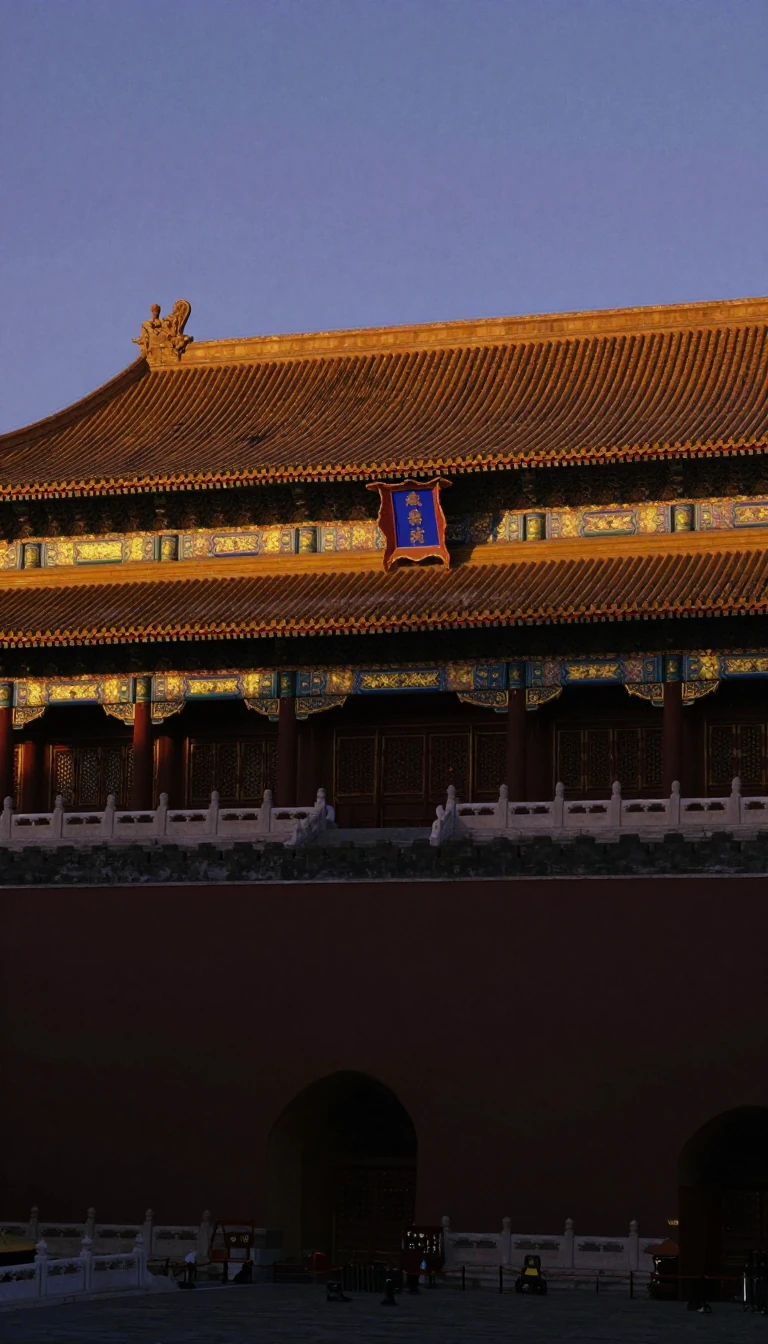 Kublai waited until 1271 to declare a Chinese-style YuanMongols ruled northern China for decades after Ögedei destroyed the Jin in 1234, yet Kublai Khan only proclaimed the Great Yuan dynasty in 1271, claiming the Mandate of Heaven and…
 World population roughly doubled between 500 and 1500Historians now call the centuries after classical empires “post-classical”—about 500 to 1450 or 1500 CE. In that span, Earth went from roughly 210 million people to some 461 milli…
 Americas’ first farmers reshaped half the world’s cropsBefore Columbus’s 1492 landfall, millennia of Indigenous societies built cities, earthworks, and hierarchies across the Americas. Paleo-Indians entered via Beringia, and later far…
 Black Sheep Turkomans ruled from Van to BaghdadThe Qara Qoyunlu—Black Sheep Turkomans—were a Persianate Muslim dynasty of Oghuz stock who held lands spanning today’s Azerbaijan, Armenia, northwestern Iran, eastern Turkey, and …
- Medieval Iberians never called their wars ReconquistaFrom Asturias’s stand at Covadonga around 718 or 722 to Granada’s fall in 1492, northern Christian kingdoms clawed Iberia back from Muslim al-Andalus. Yet no medieval writer ever …
 Genoa’s republic lasted from crusade fleets to NapoleonFrom 1099 to 1797 the Republic of Genoa ruled Liguria’s coast as a Mediterranean and Black Sea trading giant, later a banker to kings. Nicknamed La Superba, it planted colonies fr…
 Venice’s serene republic claimed eleven centuries of dogesTradition dates Venice’s founding to Paolo Lucio Anafesto in 697. Over roughly 1,100 years the Most Serene Republic grew from a Byzantine lagoon duchy into a Mediterranean power r…
 Rurik’s line ruled Rus’ lands for over seven centuriesFrom legendary Varangian Rurik at Novgorod in 862 to Tsar Feodor I’s death in 1598, the Rurikids spanned more than 700 years and twenty-one male generations—one of Europe’s longes…
 Samurai began as tax-dodge bodyguards, not eternal knightsSamurai means “one who serves.” Japan’s professional warriors trained from childhood in sword, bow, and horse, yet the word names retainers—not every bushi warlord. Their path fro…
 Bulgaria’s second empire crushed Latins at AdrianopleBetween 1185 and 1396 the Second Bulgarian Empire revived Balkan power after more than a century and a half of Byzantine rule. Under Kaloyan and Ivan Asen II it dominated the peni…
 Seljuk Turks turned Manzikert into Anatolia’s open doorFounded in 1037 by brothers Tughril and Chaghri, the Great Seljuk Empire stretched some 3.9 million square kilometres of Turco-Persian power. Their 1071 triumph at Manzikert crack…
- Serfs were bound to land, not sold like chattel slavesSerfdom tied peasants to manors in debt-like bondage across medieval Europe, lingering in places into the mid-nineteenth century. Unlike slaves, serfs usually could not be traded …
 Song China invented lasting paper money and a standing navyRuling 960 to 1279, the Song dynasty reunited China after the Five Dynasties scramble and split into Northern (Kaifeng) and Southern (after 1127) eras. It issued the world’s first…
 Songhai outgrew Mali then fell to Moroccan gunsIn the fifteenth and sixteenth centuries the Songhai Empire dominated the western Sahel and ranked among Africa’s largest states. Sonni Ali conquered, Askia Muhammad organised and…
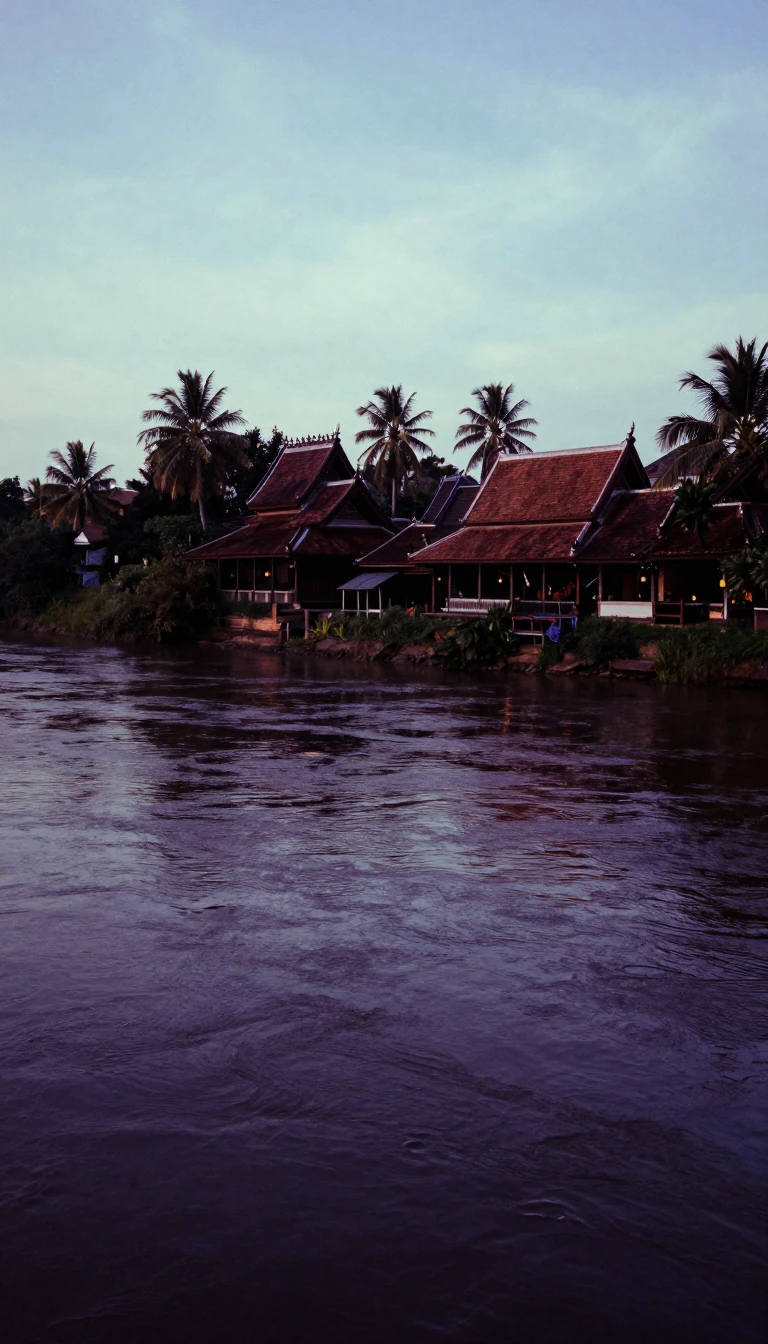 Sumatra’s Srivijaya was rediscovered from Chinese diariesSrivijaya, a Malay power rooted on Sumatra, steered Southeast Asian seas and Buddhist learning from the seventh to eleventh centuries. Tang monk Yijing stayed six months in 671—ye…
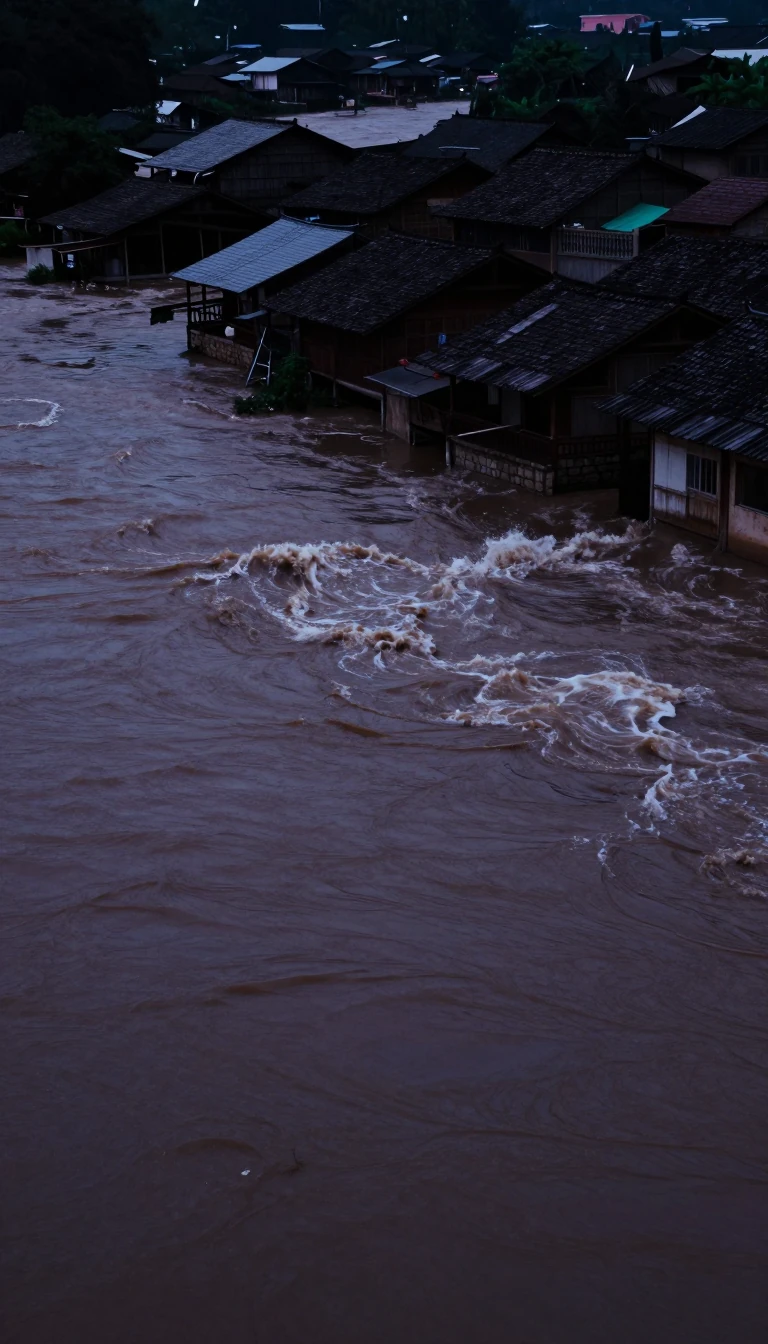 Sui reunited China in decades—then Goguryeo broke itFrom 581 to 618 the Sui dynasty ended centuries of north–south split, dug the Grand Canal, and rebuilt walls and Luoyang. Failed wars on Goguryeo and ruinous projects sparked revo…
 Rum’s sultans held Anatolia until Mongols cameAfter Manzikert in 1071, Seljuk Turks carved the Sultanate of Rum from Byzantine Anatolia—Rum meaning Rome. From Nicaea then Konya it peaked in the twelfth and thirteenth centurie…
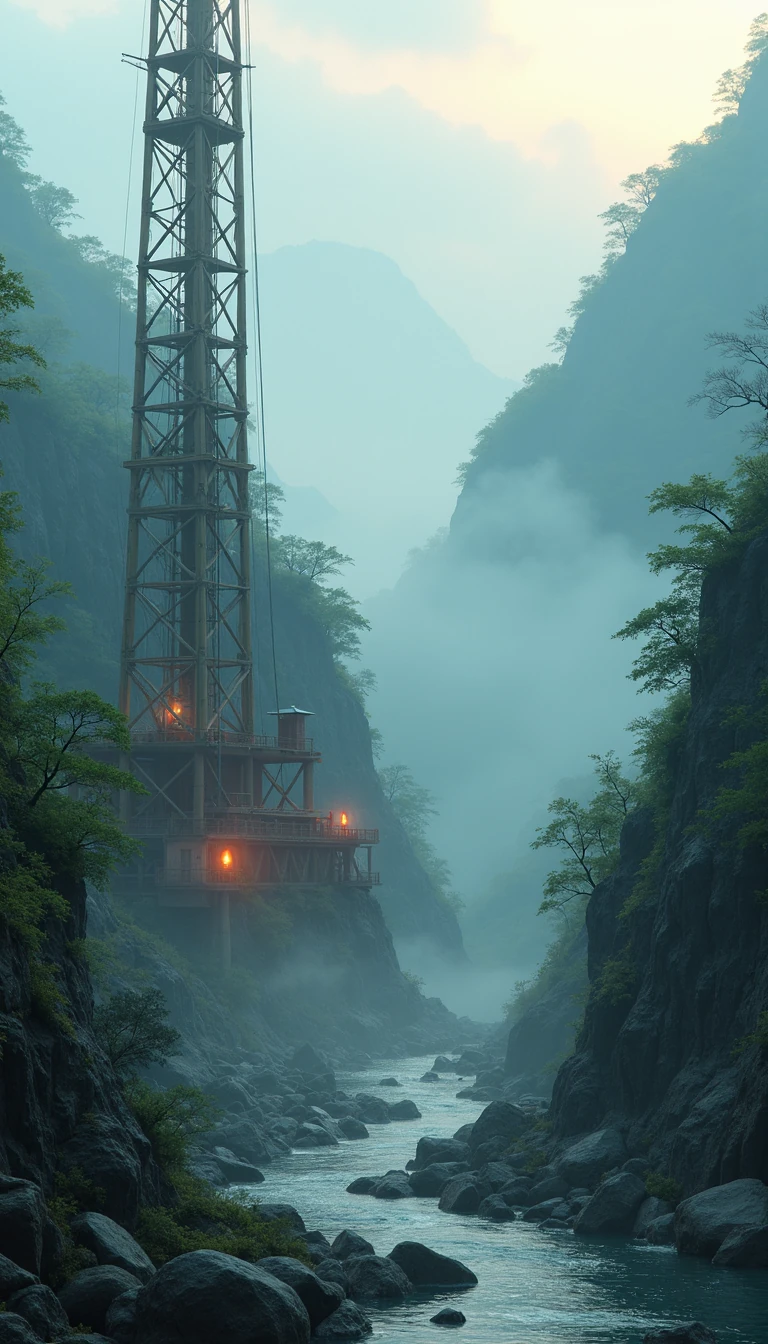 Tang Chang’an was the world’s busiest medieval megacityFrom 618 to 907—with Wu Zetian’s Zhou interruption from 690 to 705—the Tang dynasty became China’s cosmopolitan high-water mark. Chang’an topped global population charts while emp…
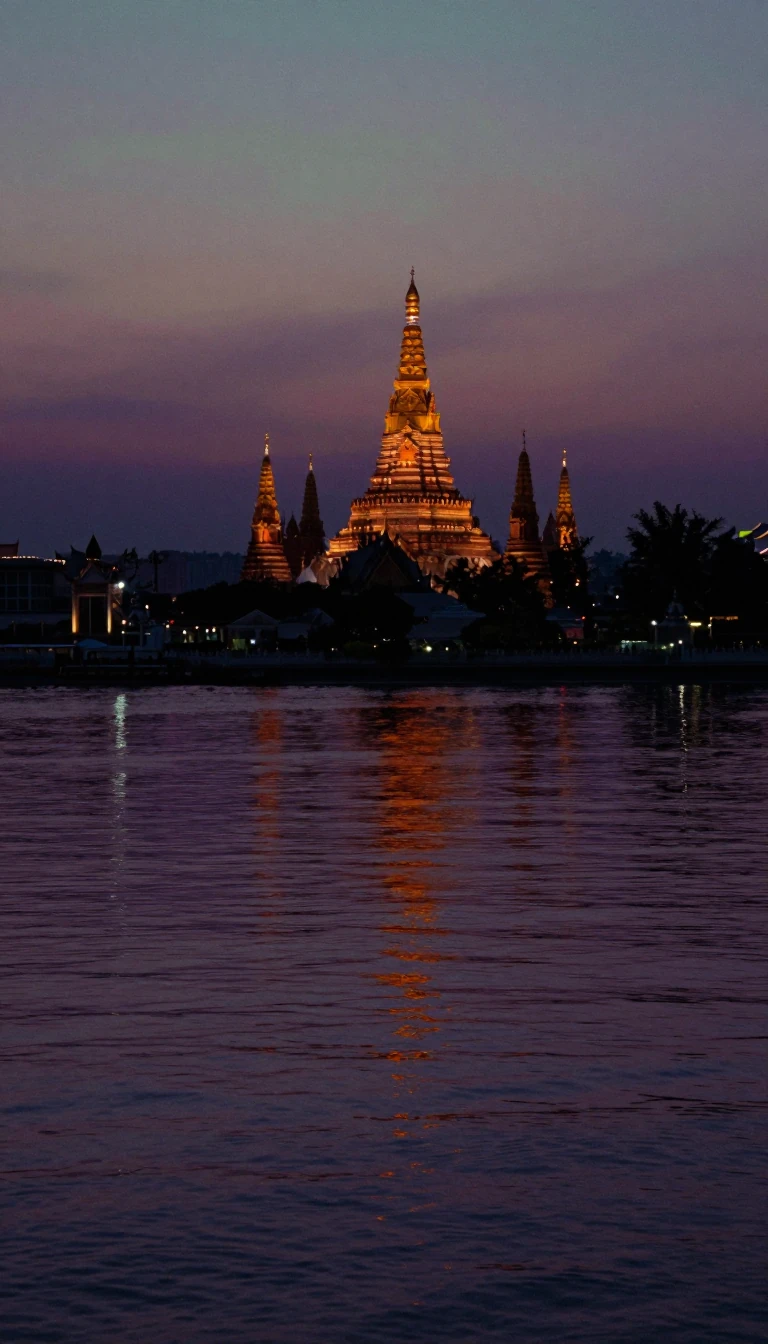 Anawrahta's Bagan welded the first Burmese empire from dry-zone bricksThe Pagan—or Bagan—Kingdom was the first Burmese state to unify lands of later Myanmar, growing from a ninth-century Mranma settlement. King Anawrahta's mid-eleventh-century conqu…
 DNA now ties Danube Avars to ancient Northeast Asian migrantsPannonian Avars—distinct from Caucasian Avars—were a Eurasian nomad confederation that settled the Carpathian basin. Byzantine writers called them Pseudo-Avars or Varchonitai; Rus…
 Pepin's gift made the pope a territorial king until 1870From 756 to 1870 the Papal States—State of the Church—put Italian lands under the pope's sovereign rule. Pepin the Short granted Stephen II former Lombard holdings atop older epis…
 Grunwald's 1410 bloodletting broke Teutonic supremacy for goodThe Great Teutonic War of 1409–1411 pitted the Teutonic Knights against Poland and Lithuania after a Samogitian uprising. When truce expired in June 1410, Grunwald—one of medieval…
- Khitan emperors ruled northern China as Great Liao until 1125Abaoji proclaimed a Chinese-style Khitan dynasty in 916; successors renamed it Great Liao as non-Khitan subjects multiplied. Jurchen Jin forces captured Emperor Tianzuo in 1125, y…
 Long-beards walked from the Elbe to rule half of ItalyLatin Langobardi—often explained as long beards—named a Germanic people who left northern homes, paused on the Middle Danube, then conquered much of Italy between 568 and 774. Alb…
 Bitter maja fruit named Java's last great Hindu-Buddhist empireRaden Wijaya founded Majapahit in 1292 after Mongol invaders left Java; under queen Tribhuvana and son Hayam Wuruk in the mid-fourteenth century, conquests radiated across Southea…
- A 1400 port made Classical Malay the sea's lingua francaConvention dates Malacca's founding to about 1400 under Parameswara, also called Iskandar Shah, a Singapura king in exile. The sultanate turned a strait harbour into an Islamic le…
 Sundiata's heir Mansa Musa made West African gold legendaryFrom about 1235 to 1610 the Mali Empire, founded by Sundiata Keita, grew into West Africa's largest realm. Mansa Musa's wealth dazzled outsiders; Ibn Khaldun, Ibn Battuta, and Leo…
 Owned soldiers became the lords who ran medieval EgyptMamluk means one who is owned: non-Arab slave-soldiers—often Turkic, Circassian, Caucasian, Mongol, or Southeast European—who formed knightly castes across Islamic societies. In E…
 Long-haired Frankish kings lost power to palace mayorsMerovingians ruled the Franks from the mid-fifth century until Pepin the Short took the crown in 751. Named for Merovech, father of Childeric I, they were the long-haired kings, a…
 A 1469 Latin phrase invented Europe's thousand-year middleEurope's Middle Ages run roughly from the fifth to late fifteenth centuries—between classical antiquity and modernity. The label itself appears in Latin in 1469 as media tempestas…
 Cahokia planned a city of 22,400 on the Mississippi floodplainFrom the late tenth to the sixteenth century, Mississippian cultures raised maize-fed chiefdoms across the Southern United States and Eastern Woodlands. Cahokia, founded in 1050, …
- Peru's desert canals fed a culture that cast its wars in clayAlong northern Peru from about 100 to 800 CE, Moche polities built dense irrigation webs and temples while painting hunting, combat, and sacrifice on ceramics. Many scholars see a…
- Temüjin's orphans built history's largest contiguous empireThirteenth- and fourteenth-century Mongol conquests forged the Mongol Empire (1206–1368), by 1260 spanning much of Eurasia from Pacific approaches toward Central Europe. Temüjin—f…
- A 1206 kurultai crowned a world-empire that later ate itselfUnifying Mongol tribes, a council proclaimed Temüjin as Genghis Khan in 1206; at its height the realm stretched from the Sea of Japan to Eastern Europe. Succession wars among his …
 Exhausted Sasanians fell to Rashidun armies in eighteen yearsBetween 633 and 651 the Rashidun Caliphate toppled the Sasanian Empire as early Muslim conquests begun under Muhammad in 627/628 reached Iran. A Byzantine–Sasanian war to 628, Kho…
- From Ghurids to Mughals, centuries of Indo-Muslim rule reshaped IndiaMain Muslim conquests across the subcontinent ran from the thirteenth through eighteenth centuries, after earlier Umayyad probes into the northwest. The Ghurid state became the De…