 Intellect Plus
Post-classical
612 cards. Each one is a 40-second story with a five-minute read behind it. Page 5 of 11.
 How a medieval power struggle over church appointments reshaped the map of EuropeFor decades, kings and popes battled over who held the right to install bishops. This clash, known as the Investiture Controversy, pitted the authority of the throne against the r…
 The Italian mercenaries who turned the art of war into a profitable business ventureBetween the 14th and 16th centuries, Italian city-states outsourced their survival to condottieri—contracted military leaders who treated warfare as a calculated economic pursuit.…
 Was the late Middle Ages a total collapse or just a long, painful stalemate?Europe in the 14th and 15th centuries faced a perfect storm of climate shifts, mass famine, and the Black Death. While historians often label this era a systemic crisis, some argu…
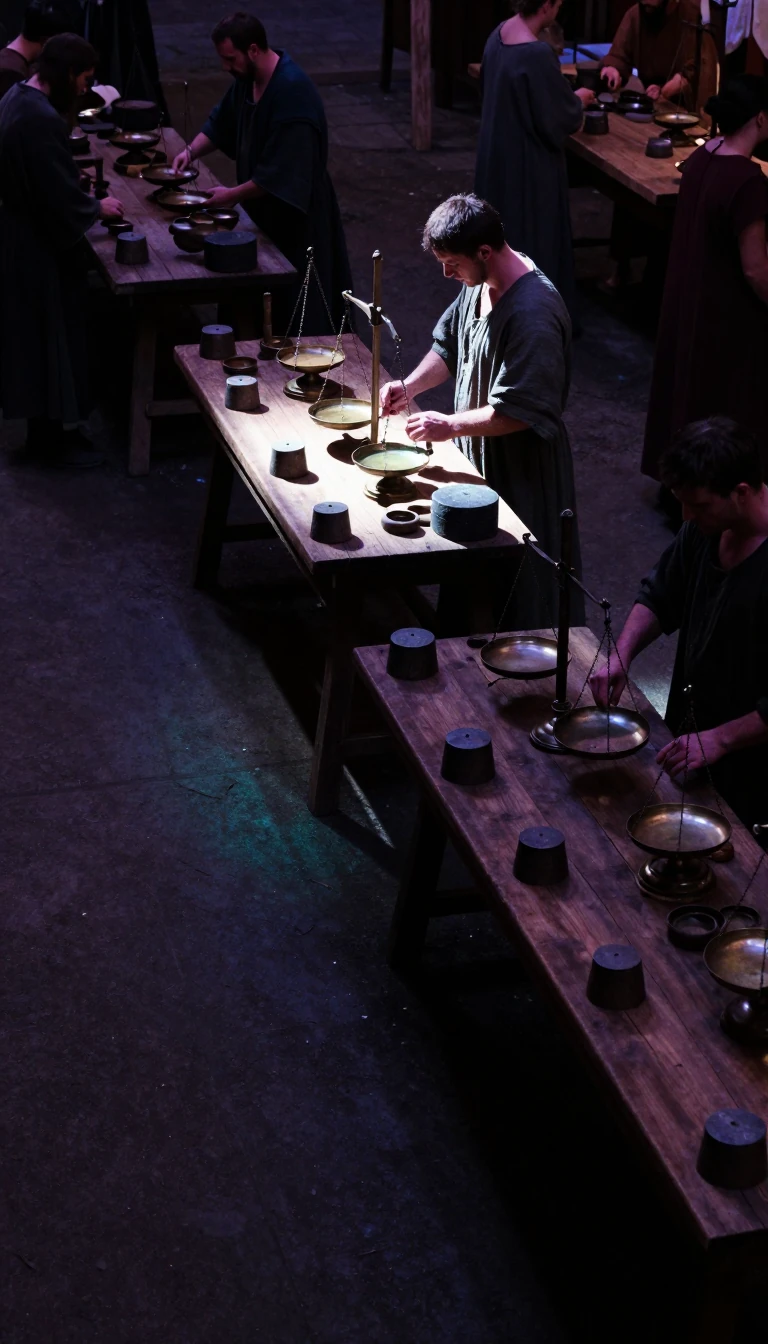 Why medieval rulers taxed their own people to pay off invading Viking raidersThe Danegeld was not just a ransom paid to Vikings to stop them from ravaging the land. It evolved into a sophisticated, permanent national land tax that funded standing armies an…
 How a scattered collection of lands shaped the fate of the Holy Roman EmpireThe Electoral Palatinate was never a single, unified territory, but a fragmented collection of lands spanning the Rhine. Yet, its rulers held immense power, electing emperors and …
 How a medieval bishopric became a powerhouse of the Holy Roman EmpireThe Electorate of Cologne was an ecclesiastical principality where the archbishop wielded both spiritual and secular power. From the 10th century until the early 19th, this state …
 The Electorate of Mainz was the most prestigious state in the Holy Roman EmpireAs the archchancellor of Germany and Primate of the German Church, the Archbishop-Elector of Mainz held a rank second only to the Emperor. This influential state, spanning non-con…
 How a small duchy became the powerhouse of the Holy Roman EmpireThe Electorate of Saxony rose from an insignificant territory along the Elbe to become the second most influential state in the Holy Roman Empire. Through strategic alliances, sil…
 How medieval Europe divided its people into three rigid, divinely ordained social orders.For centuries, European society was structured into three distinct estates: those who prayed, those who fought, and those who labored. This rigid hierarchy, which dictated everyth…
 When medieval armies were laid off, they turned into roving, pillaging corporations of war.Between the 12th and 14th centuries, mercenary groups known as free companies operated independently of any government. When peace treaties left these soldiers unemployed, they di…
 How tiny, self-governing cities held the same constitutional weight as powerful imperial princesIn the Holy Roman Empire, a handful of cities achieved a rare status: imperial immediacy. Subordinate only to the Emperor, these independent urban centers functioned as sovereign …
 How Medieval Frisians Built a Stateless Society Without Feudal Lords or KingsFor centuries, the Frisian coast thrived as a rare European anomaly: a region that rejected feudalism, serfdom, and central rule. By electing their own judges and governing throug…
 How a massive, centuries-long translation effort fueled the Islamic Golden Age in BaghdadBetween the eighth and tenth centuries, the Abbasid Caliphate launched a monumental project to translate secular Greek, Persian, and Indian texts into Arabic. This intellectual en…
 Why the seven kingdoms of Anglo-Saxon England were never actually sevenThe term Heptarchy suggests a neat, stable division of early England into seven distinct kingdoms. In reality, this label is a historical convenience that obscures a chaotic lands…
 The Hohenstaufen dynasty ruled the Holy Roman Empire and redefined medieval statecraft for centuries.Rising from a Swabian castle to command the Holy Roman Empire, the Hohenstaufen dynasty—or Staufer—shaped medieval Europe. From Frederick Barbarossa’s struggle to restore imperial…
 Could a stateless society function without a central executive or public police force?Between 930 and 1262, Iceland operated as a unique political experiment: a stateless society with no executive branch, no public police, and no central budget. Chieftains competed…
 How the Holy Roman Empire survived decades without a central authorityFollowing the death of Frederick II in 1250, the Holy Roman Empire descended into the Great Interregnum. For over two decades, Germany lacked a universally recognized monarch, for…
- Was East Anglia the birthplace of the English language?Long before it was a quiet corner of England, East Anglia was a powerhouse of the early Anglo-Saxon world. Home to the legendary Sutton Hoo ship burial and the powerful Wuffingas …
- Why did the Kingdom of Essex, a major Anglo-Saxon power, vanish into obscurity?The Kingdom of Essex was a foundational Anglo-Saxon power, yet it left behind no chronicles and few charters. Often subservient to neighbors like Mercia or Kent, its history remai…
 How the Kingdom of Gwynedd became the final bastion of the Roman EmpireEmerging in the 5th century, the Kingdom of Gwynedd was the most resilient of the post-Roman Welsh states. Its rulers clung to the prestige of imperial Rome for centuries, navigat…
 How a desperate search for lost knowledge triggered a medieval intellectual revolutionIn the 12th century, European scholars faced a poverty of philosophy and science. Their solution was an ambitious, cross-cultural hunt for ancient texts hidden in Arabic and Greek…
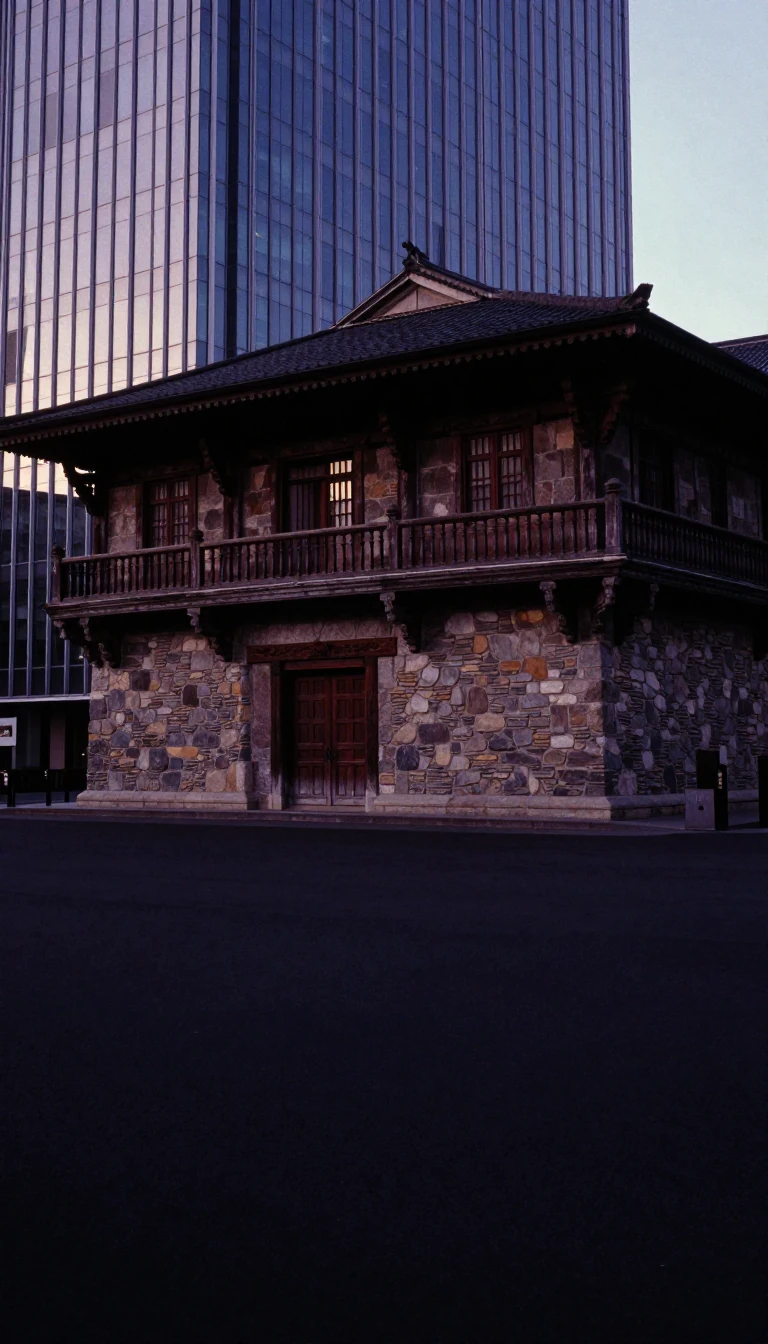 How medieval towns traded feudal chains for self-governing power and communal defenseDuring the Middle Ages, European towns emerged from the shadow of rural lords to become autonomous hubs of power. By swearing oaths of mutual defense and securing legal charters, …
 Were the Middle Ages actually a series of renaissances rather than a dark age?Historians once dismissed the medieval era as a cultural void. Yet, scholars now identify multiple periods of intellectual renewal, from the Carolingian era to the 12th century. T…
 How the Mongol Empire built the largest contiguous land polity in human historyThe Mongol army conquered vast swaths of Asia and Europe by mastering extreme mobility and advanced logistics. By rotating horses, utilizing composite bows, and integrating divers…
 Neustria: The forgotten western kingdom that defined the early medieval Frankish power struggleFor centuries, the Frankish realm was split between the eastern Austrasia and the western Neustria. This rivalry, marked by brutal dynastic warfare and shifting borders, shaped th…
 The Old Prussians were a Baltic people who never formed a unified nationInhabiting the southeastern Baltic coast, the Old Prussians were a collection of independent tribes defined by their pagan traditions and fierce resistance to crusaders. Though th…
- How a Saxon family transformed Germany into Europe’s preeminent power for over a centuryThe Ottonian dynasty rose from Saxon nobility to become the architects of a formidable military machine. By unifying German tribes and reviving the imperial title, these rulers es…
 How the Mongol Empire created the first truly globalized trade network in historyFollowing the brutal conquests of Genghis Khan, the Mongol Empire forged a period of unprecedented stability across Eurasia. By standardizing trade routes, protecting merchants wi…
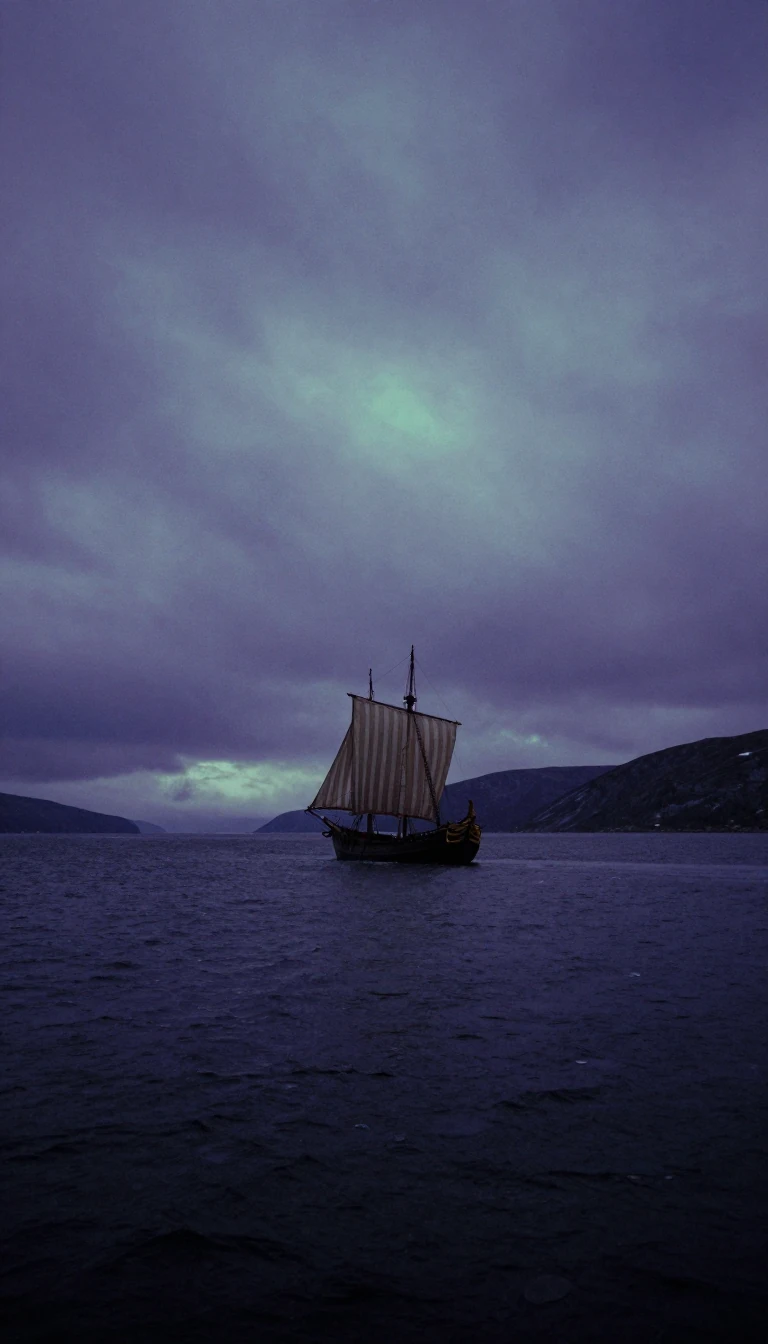 Before Norway was a unified nation, it was a patchwork of dozens of petty kingdoms.Long before the 872 unification, Norway was a fragmented landscape of small, independent realms. Rulers held power over territories ranging from mere village clusters to entire co…
 How Viking merchants connected the Baltic Sea to the heart of the Byzantine EmpireFor centuries, a vast network of rivers and portages linked Scandinavia to Constantinople. This vital artery, known as the route from the Varangians to the Greeks, allowed Viking …
 Royal marriages were once the primary tools of statecraft, diplomacy, and territorial expansion.For centuries, royal dynasties treated marriage not as a romantic union, but as a strategic asset. By marrying into foreign houses, monarchs secured alliances, guaranteed peace, o…
- The ancient Frankish code that barred women from inheriting the throne of FranceNamed after the Salian Franks, Salic Law began as a civil code but evolved into a rigid tool for royal succession. While originally a collection of Frankish customs, it eventually…
- Did Vikings eradicate the native population of Scotland's islands or simply integrate with them?From the 8th to the 15th centuries, Norse settlers transformed the periphery of Scotland. While place names suggest a total cultural replacement, modern genetic evidence and the e…
 Ancient trade routes were not just for goods; they were the arteries of civilization.Long before modern globalization, ancient trade networks connected distant empires, moving more than just cargo. From the Amber Road to the Maritime Silk Road, these pathways faci…
- How the lost wisdom of Ancient Greece survived through the Middle AgesFor centuries, the original Greek texts of philosophers like Aristotle were largely unknown in Western Europe. Their survival depended on a complex relay race involving Syriac, Ar…
- From hit-and-run raiders to kings of England: the Viking transformation of the British IslesBetween the 8th and 11th centuries, Scandinavian visitors evolved from opportunistic coastal raiders into permanent settlers and monarchs. This shift fundamentally altered the pol…
- In 536, the sun lost its brightness, triggering a global catastrophe and years of darkness.Imagine a world where the sun turns pale, shadows vanish at noon, and summer heat disappears. In 536, a mysterious atmospheric veil plunged the Northern Hemisphere into a brutal, …
 How Viking merchants built a massive silver-fueled trade network across medieval EurasiaLong before globalized commerce, Viking traders connected the Baltic Sea to Baghdad. By navigating the Volga River, these merchants exchanged furs and captives for vast quantities…
 The pious Pope whose weak leadership bankrupted the Papal StatesBenedict XIII was a man of deep asceticism and religious devotion, but he was a disastrous administrator. While he focused on charity and monastic ideals, his lack of political sa…
 The underground movement that fought to unite Cyprus with GreeceIn 1955, a guerrilla campaign began in the mountains of Cyprus. Led by a Greek army officer, EOKA sought to end British colonial rule and achieve Enosis—the union of the island wi…
 Beyond Spanish: the diverse linguistic landscape of the Iberian PeninsulaWhile Spanish is spoken by nearly 99% of the population, it is far from the only tongue in Spain. From the linguistic isolate of Basque to the whistled codes of the Canary Islands…
- The illegitimate duke who seized an empire and reshaped the Carolingian worldBorn outside of wedlock and facing a fractured empire, Arnulf of Carinthia rose from a regional duke to become Holy Roman Emperor. Through strategic warfare and political maneuver…
- How a North African general transformed the Roman Empire into a military autocracyIn 193 CE, the Roman world shifted. The rise of the Severan dynasty saw the Senate’s traditional authority erode as power migrated toward the legions. Driven by military might and…
 The moment the French Revolution was blown into spaceIn October 1795, a royalist army marched on Paris. The Republic stood on the brink of collapse until one young general seized control of the cannons. This clash didn't just save t…
 The thirty-year insurgency that ended with a tsunami and a peace treatyFrom the discovery of massive gas reserves to a devastating natural disaster, the Free Aceh Movement’s struggle for independence shaped a province. After decades of brutal counter…
 For nearly forty years, the Catholic Church was split between two, then three, popes.From 1378 to 1417, the Western Schism fractured Christendom. Rival factions in Rome and Avignon—and later Pisa—simultaneously claimed the papacy, driven by political allegiances a…
 The Tangut Empire: A vanished superpower that once held the Silk Road's keysBetween 1038 and 1227, the Western Xia dynasty dominated the Silk Road in north-central China. Though their unique script and architecture were nearly erased by the Mongols, this …
 The Short-Lived Slovak Republic Was a Puppet State Built on Collaboration and PersecutionBetween 1939 and 1945, a client state emerged in Central Europe under the shadow of Nazi Germany. Led by Jozef Tiso, this regime participated in the invasion of Poland and the Sov…
 When the rain refused to stop, Europe’s medieval population faced a total societal collapse.Between 1315 and 1317, relentless storms devastated Northern Europe, triggering a famine that shattered the era's prosperity. With crops rotting and livestock dying, the continent…
 In late 2025, Iran faced its most significant nationwide uprising since the 1979 revolution.Triggered by a collapsing currency and severe economic distress, millions of Iranians took to the streets in a leaderless movement that rapidly evolved from demands for financial …
- The griffin was a global icon of power long before it reached Greek shores.Part lion, part eagle, the griffin is often remembered as a Greek invention. Yet, this hybrid predator stalked the art of Mesopotamia and Egypt thousands of years before the Greek…
 Saigō Takamori: The Last True Samurai and the Tragic Hero of Modern JapanSaigō Takamori was a central architect of the Meiji Restoration who eventually led a doomed rebellion against the very government he helped create. His death in 1877 marked the en…
- The guillotine was designed as a humane, egalitarian alternative to gruesome, class-based executions.Far from a mere instrument of terror, the guillotine was born from Enlightenment ideals. It aimed to replace the agonizing, imprecise methods of the Ancien Régime with a swift, re…
 Beyond the call to prayer: the surprising political origins of the mosque minaretWhile we associate minarets with the daily call to prayer, their history is far more complex. Early Islamic mosques functioned without these towers for centuries. When they finall…
 From Roman Courthouses to Sacred Sanctuaries: The Surprising Evolution of the BasilicaThe term basilica once described bustling Roman marketplaces and judicial halls. Today, it denotes a prestigious title of honor for Catholic churches. How did a secular structure …
 The Bedouin lifestyle was defined by seasonal migration and a strict hierarchy of tribal loyalty.For centuries, Bedouin tribes navigated the harsh deserts of the Middle East and North Africa as nomadic herders. Their society, built on patriarchal structures and ancestral prid…
 How a Displaced Duke Became the Last Non-Habsburg Holy Roman EmperorFrancis I was born a Duke of Lorraine, but geopolitical maneuvering forced him to trade his ancestral lands for the Grand Duchy of Tuscany. His marriage to Maria Theresa of Austri…
 How a strategic marriage created a powerhouse state between France and the Holy Roman EmpireIn the 14th century, powerful Flemish cities sought stability by marrying their count's daughter to a French duke. This union sparked the rise of the Burgundian Netherlands, a sop…
 The Queen Who Ended a Dynasty and Changed a Nation's FaithIn 1384, Jadwiga was crowned "King" of Poland—a title chosen specifically to underscore her sovereign authority. Her marriage to a pagan Lithuanian prince didn't just unite two te…
 The vanishing language that once thrived on the shores of Lake LadogaOnce a unified force in the Iron Age, the Karelian language is now a fragmented landscape of dialects. As its speakers dwindle and its borders shift, this Finnic tongue faces a pr…