 Intellect Plus
Eastern philosophy
31 cards. Each one is a 40-second story with a five-minute read behind it.
 Two worldviews, two different ways of seeing the selfWhile Western and Eastern philosophies are infinitely nuanced and often overlap, they frequently represent opposing cultural poles. This video explores how these distinct traditio…
 Why Chinese culture views rocks as vessels of philosophical wisdomIn Chinese culture, rocks are far more than mere geological formations. This video explores how these stones serve as profound objects of beauty and spiritual insight, offering a …
 The foundational pillars of Eastern thought in under 15 minutesExplore the diverse landscape of Eastern philosophy through a concise overview of its major traditions. This video distills complex spiritual and ethical systems into a digestible…
 Does a problem exist if there is no one to perceive it?This video explores a core principle of Eastern philosophy: the idea that problems are not inherent in reality, but are products of human perception. It challenges you to consider…
 Why the ancient values of order and tradition still matter todayThis video explores the enduring relevance of Confucius, a philosopher who championed the structural pillars of society that many modern cultures have moved away from.
 Philosophy is not just a thought, but a way of livingWhile Western philosophy often centers on abstract logic, Eastern traditions frequently embed wisdom into physical actions. This video explores how rituals like tea ceremonies and…
 How geography and history shape the way we thinkPhilosophy is not just abstract logic; it is a reflection of the social and historical contexts that shape human behavior. This video explores how these different environments pro…
 The invisible psychological blueprints of the modern worldMost of our social and personal behaviors are rooted in ancient frameworks. This video explores how eight influential Eastern philosophers built the psychological foundations that…
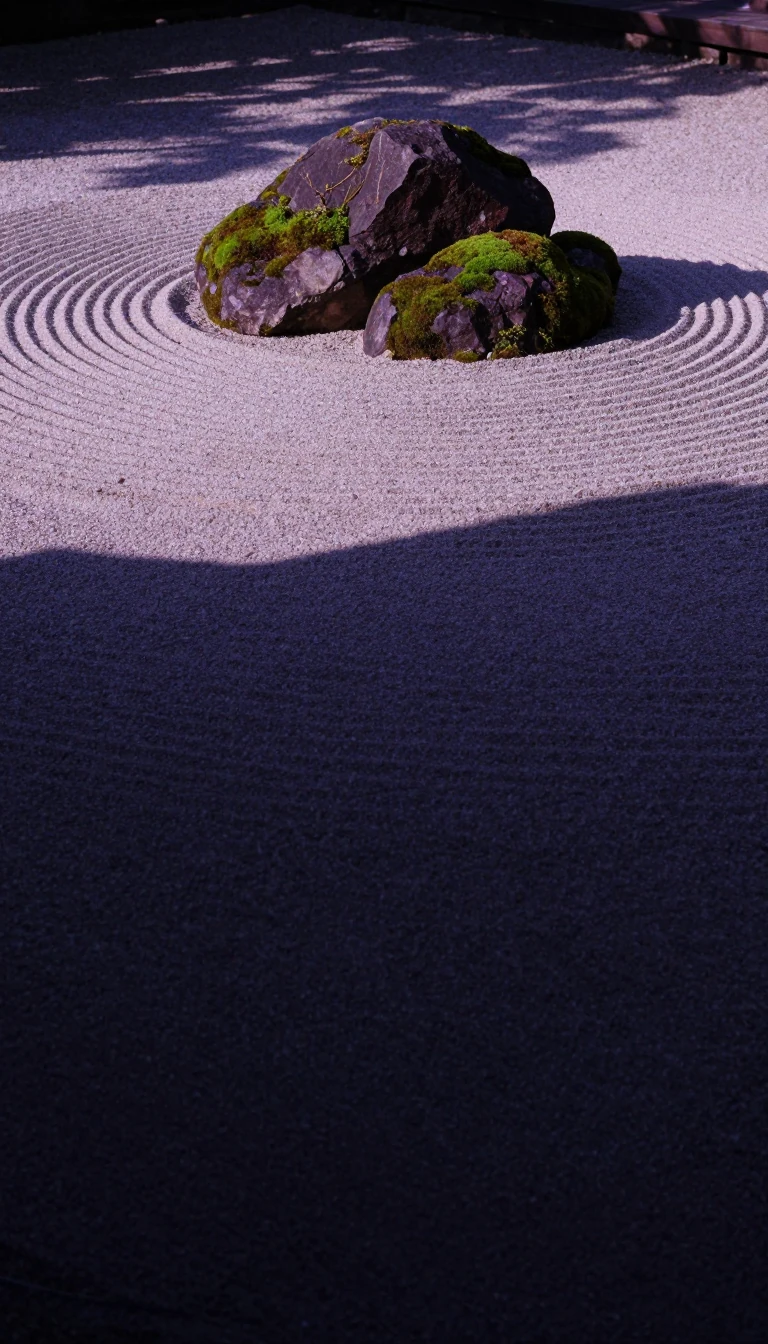 Beyond recycling: the ancient Japanese philosophy of regret and reverenceWe often use the word 'wasteful' to describe inefficiency. But the Japanese concept of Mottainai carries a much heavier weight. It is not just about the loss of a resource, but a …
 Why Buddhism views the concept of a creator as a logical trapIn Buddhist philosophy, the existence of a creator deity isn't just a matter of faith—it is treated as a logical contradiction. From the doctrine of dependent origination to the p…
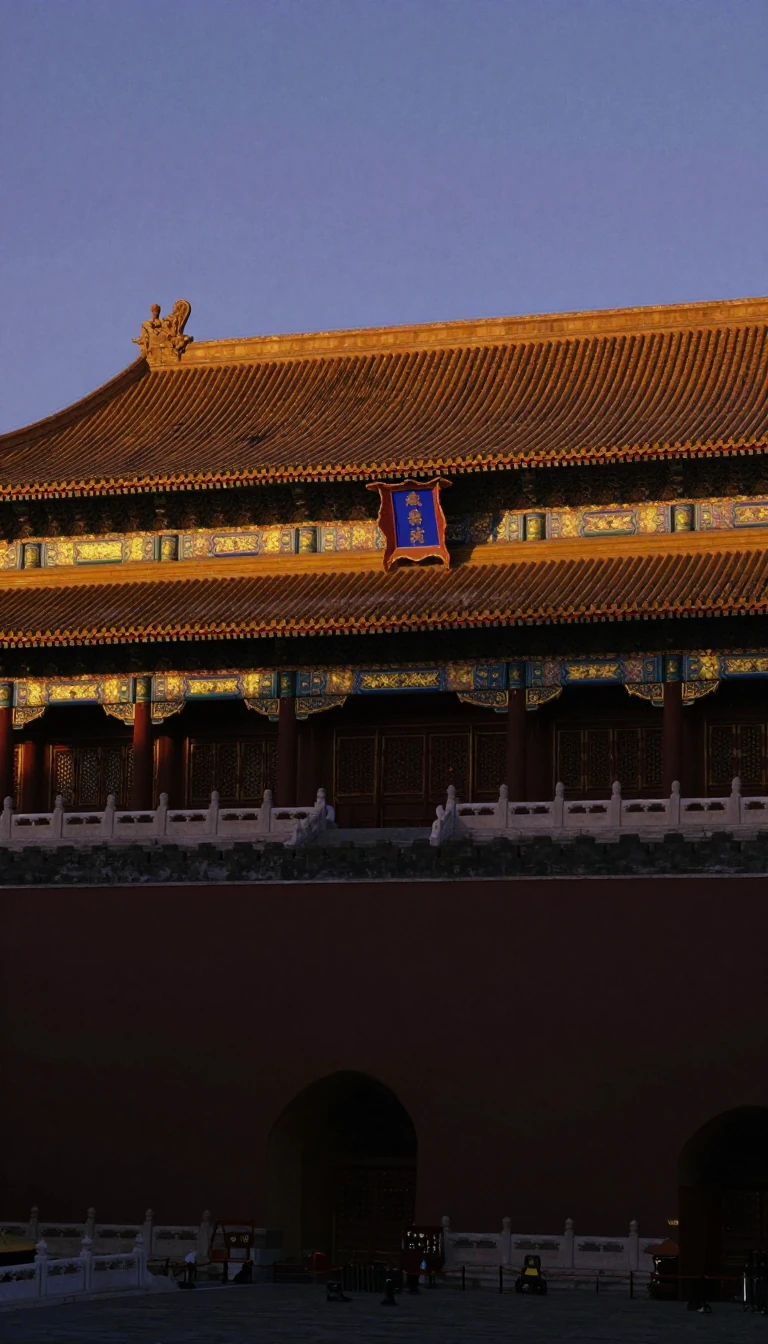 When the center of civilization moves, who gets to keep the crown?For centuries, the concept of 'China' was not a fixed geography but a cultural standard. When the Manchu-led Qing dynasty took power, neighboring nations like Korea, Vietnam, and …
 How a group of Japanese academics bridged the gap between East and WestIt was not a formal academy, but a loose gathering of thinkers at Kyoto University. Emerging in the early 20th century, the Kyoto School sought to weave the profound insights of Z…
 To find the Japanese heart, scholars first had to purge a millennium of Chinese influenceDuring the Edo period, a radical intellectual movement sought to strip away 1,000 years of foreign philosophy to uncover a 'pure' national essence. They believed that by excavatin…
 The invisible threads that weave the fabric of realityIn ancient Indian philosophy, nothing exists in isolation. Instead, everything is composed of three fundamental forces known as guṇas. These are not just abstract qualities, but t…
 How ancient mathematical harmonics shaped the sounds of the Silk RoadLong before Western equal temperament, Chinese musicology used complex mathematical ratios to define its scales. From the harmonic series of the Guqin to the twelve-tone lü system…
- Beyond the physical: the five elements that structure the Japanese universeWhile many know the classic four elements, Japanese Buddhist philosophy introduces a fifth: the void. Known as Godai, this system classifies everything from solid stone to subatom…
 The divine right to bring the entire world under one roofIn 1940, a Japanese political slogan transformed a spiritual metaphor into a blueprint for global conquest. Hakkō ichiu—meaning "eight crown cords, one roof"—was weaponized to jus…
 The Tamil Veda: How 4,000 verses democratized the divineIn the 9th century, a theologian named Nathamuni compiled a collection of hymns so profound they were dubbed the "Dravida Veda." These weren't just poems; they were a revolutionar…
- How a Chinese philosophy became the blueprint for Tokugawa JapanIn the 17th century, the Tokugawa shogunate adopted Neo-Confucianism to stabilize a nation. Moving away from the mysticism of Zen Buddhism, this rationalistic framework introduced…
- Three distinct philosophies, one harmonious cultural aggregateIn Chinese culture, Confucianism, Taoism, and Buddhism are often viewed as a single, harmonious tapestry. While they offer vastly different views on life—ranging from strict socia…
 Why did Buddhism emerge in its specific historical moment?This video explores the origins of Buddhism by examining the unique geographical and temporal conditions that allowed it to rise. It places the faith within a broader historical f…
 Why the most 'fun' stories are often the most serious toolsWe often dismiss fairy tales as mere escapism for children. However, in traditional Korean society, these stories served a much heavier purpose. By blending magic and adventure wi…
 The spiritual impetus behind the sacred art of Buddha's relicsExplore the profound historical and spiritual context of Asian reliquary art. This lecture examines how the sanctity of Buddha's remains shaped some of the region's most significa…
- How sacred relics shaped the spiritual landscape and art of AsiaThis lecture explores the profound significance of Buddha's relics, examining how these sacred icons function within Asian traditions and their broader historical and spiritual im…
 How sacred relics shaped the spiritual landscape of Asian artThis lecture explores the profound significance of Buddha's relics, examining how these sacred icons function within Asian traditions and their broader historical and spiritual im…
 How ancient manuscripts reveal the lost evolution of Buddhist thoughtHidden within birch bark and clay in the Gilgit region of Kashmir lies India's oldest surviving manuscript collection. These fragments do more than preserve scripture; they trace …
 Why do we find stillness more relatable than suffering?German photographer Thomas Struth examines the profound quietude of Chinese Buddhist sculpture within The Met's collection, exploring why certain moments of calm resonate more dee…
 How Ancient Indian Art Transformed Ethical Teachings Into A Global ReligionExplore the formative era of Buddhist art through a virtual tour of The Met's exhibition. This collection reveals how early imagery helped a core set of ethical teachings evolve i…
- Listen to the ancient chants of the New York Buddhist Vihara monksThis video captures Buddhist monks from the New York Buddhist Vihara Foundation performing a traditional blessing of suttas. These chants, preserved through the Sri Lankan traditi…
 A Royal Buddhist Landmark Standing in the Heart of LondonDiscover the origins of the Buddhapadipa Temple, a significant Buddhist center in London. This video features an introduction by Phramaha Bhatsakorn Piyobhaso, offering a glimpse …
- Can you escape the cycle of suffering through the teachings of the Buddha?Buddhism is often framed as a way to navigate existence, comparing the cycle of suffering to being trapped in a frustrating video game. By examining the Buddha's core teachings, f…