 Intellect Plus
Music
3,611 cards. Each one is a 40-second story with a five-minute read behind it. Page 57 of 61.
Subtopics: Acoustics · Blues · Classical music · Deafness · Electronic music · Film & TV music · Folk & country music · Hearing · Heavy metal & punk · Hip hop · Illusions · Improvisation · Instruments · Jazz · K-pop & world music · Mathematics · Measurement · Memory · Modernism · Music · Music technology · Music theory · Musical instruments · Musicians and composers · Notation · Opera · Pop music · Renaissance · Rock music · Silence · Soul, R&B & reggae · Sound · UK & Ireland: music · World music
 Bach’s Brandenburgs nearly burned on a wartime trainIn 1721 Johann Sebastian Bach hand-copied six concertos for Margrave Christian Ludwig of Brandenburg—music probably written earlier. Forgotten after Bach’s death, rescued in 1849,…
 Brass means buzzing lips, not always brass metalA “brass” instrument speaks when lips vibrate into a tube—so wooden alphorns and cornetts count, while metal saxophones do not. Valves, slides, and embouchure pick harmonics from …
 Carmen shocked Paris—then conquered the worldGeorges Bizet’s four-act Carmen premiered at the Opéra-Comique on 3 March 1875 and scandalized listeners with factory girls, smugglers, and onstage murder. Bizet died after the th…
 Carnatic music puts the singing voice firstSouth India’s classical system—Karnāṭaka saṅgītam—centers on voice even when violins or veenas play in gāyaki style. Built on śruti, svara, rāga, and tala from Samaveda roots, it …
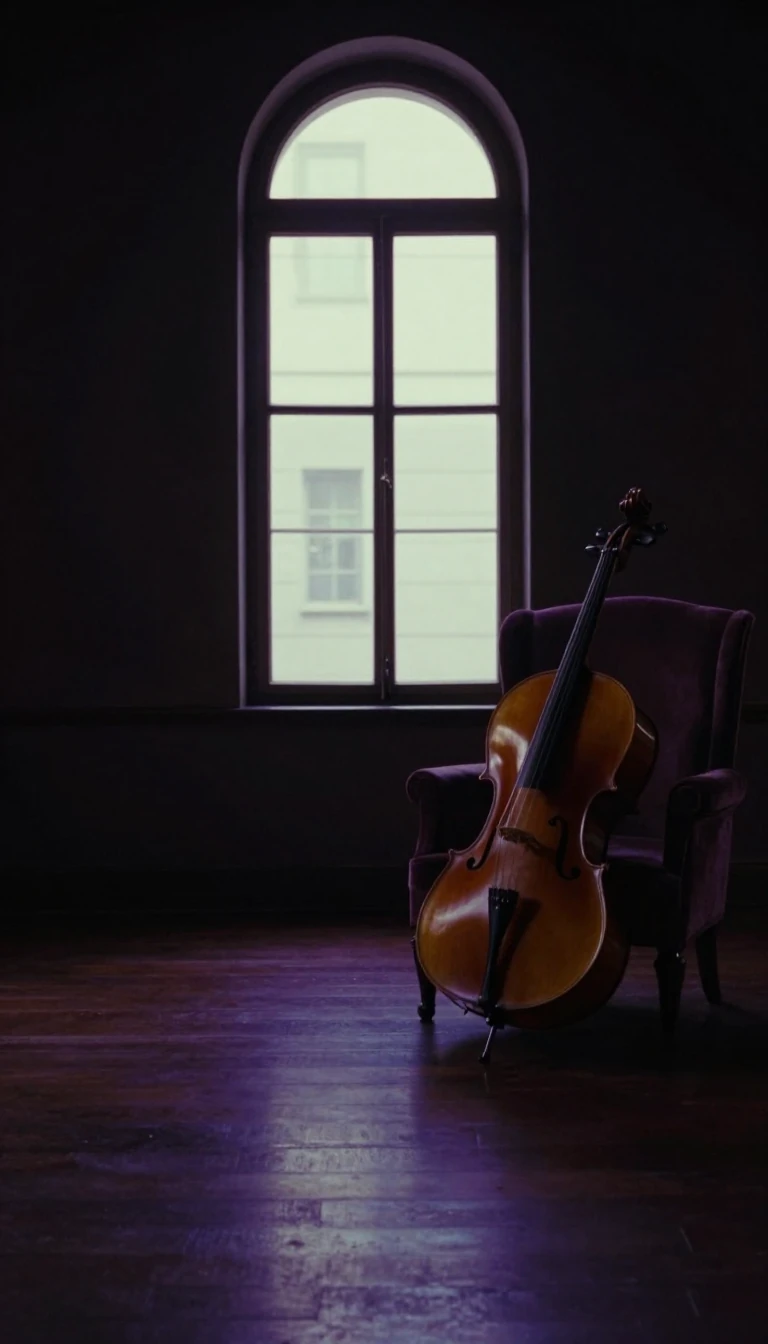 The cello is a little big viola—tuned an octave downVioloncello means “little violone,” yet the cello is the violin family’s mid-low voice: four strings in fifths, C–G–D–A, an octave under the viola. It sings Bach’s solo suites, ho…
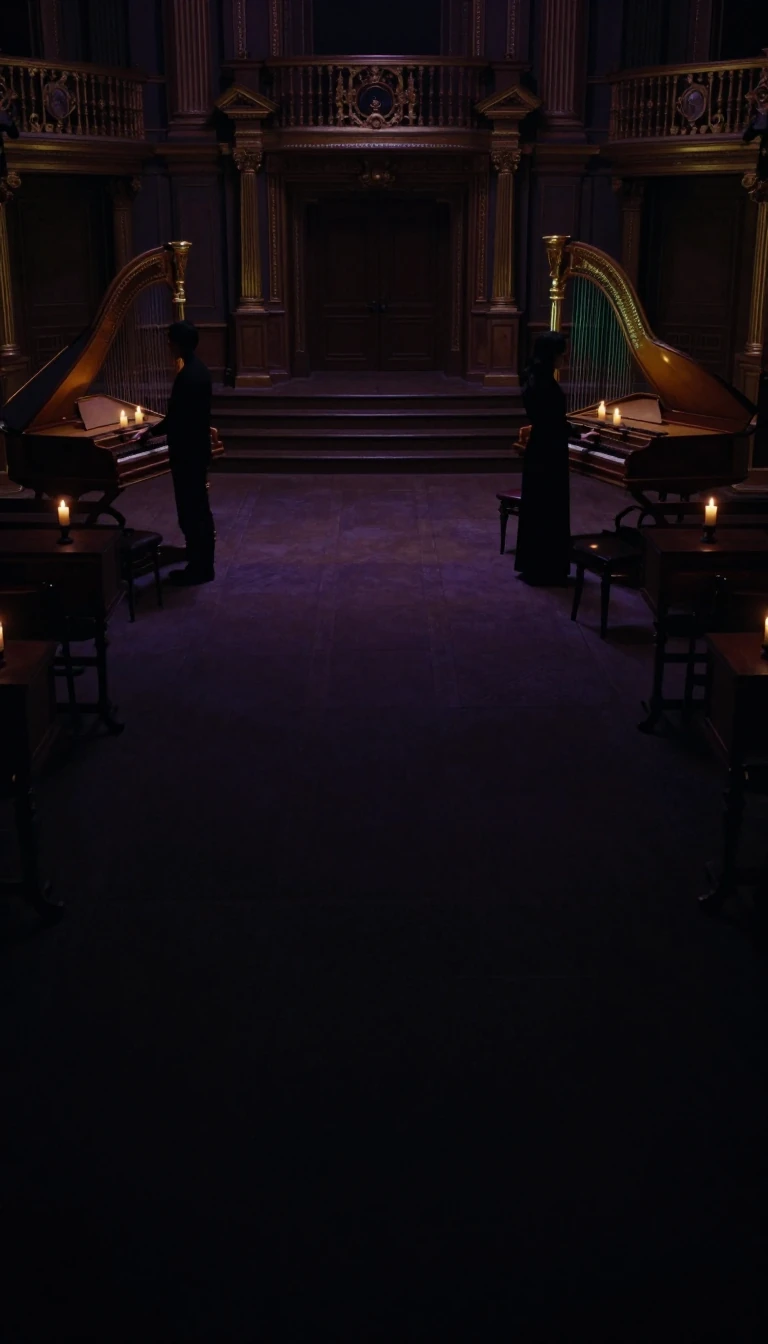 Chamber music is conversation among equalsChamber music fits a palace room: one player per part, no conductor-sized army. Goethe heard string quartets as “four rational people conversing,” and for more than a century amat…
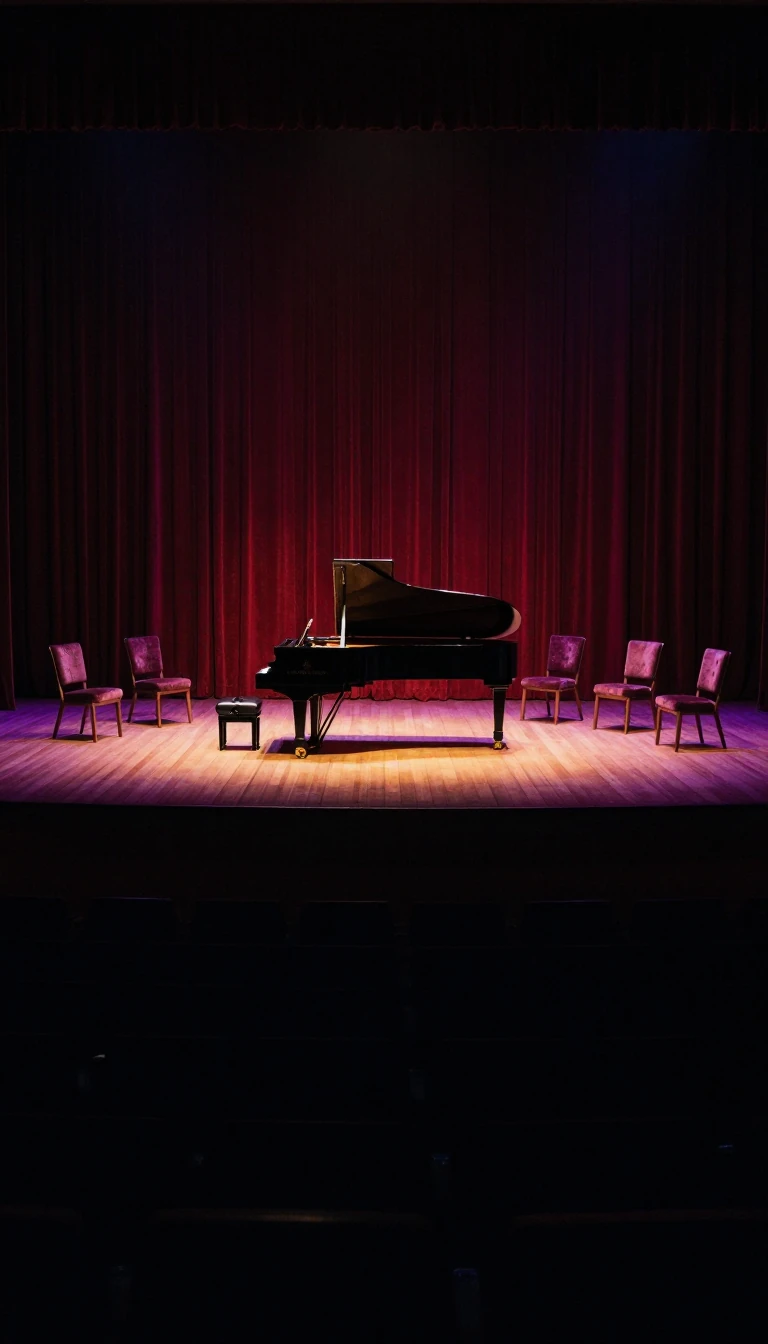 A choir is many voices guided by one pair of handsChoirs—also choruses or chorales—are ensembles of singers, usually led by a conductor’s gestures. Most sing four-part harmony, yet Tallis wrote forty parts and Penderecki forty-ei…
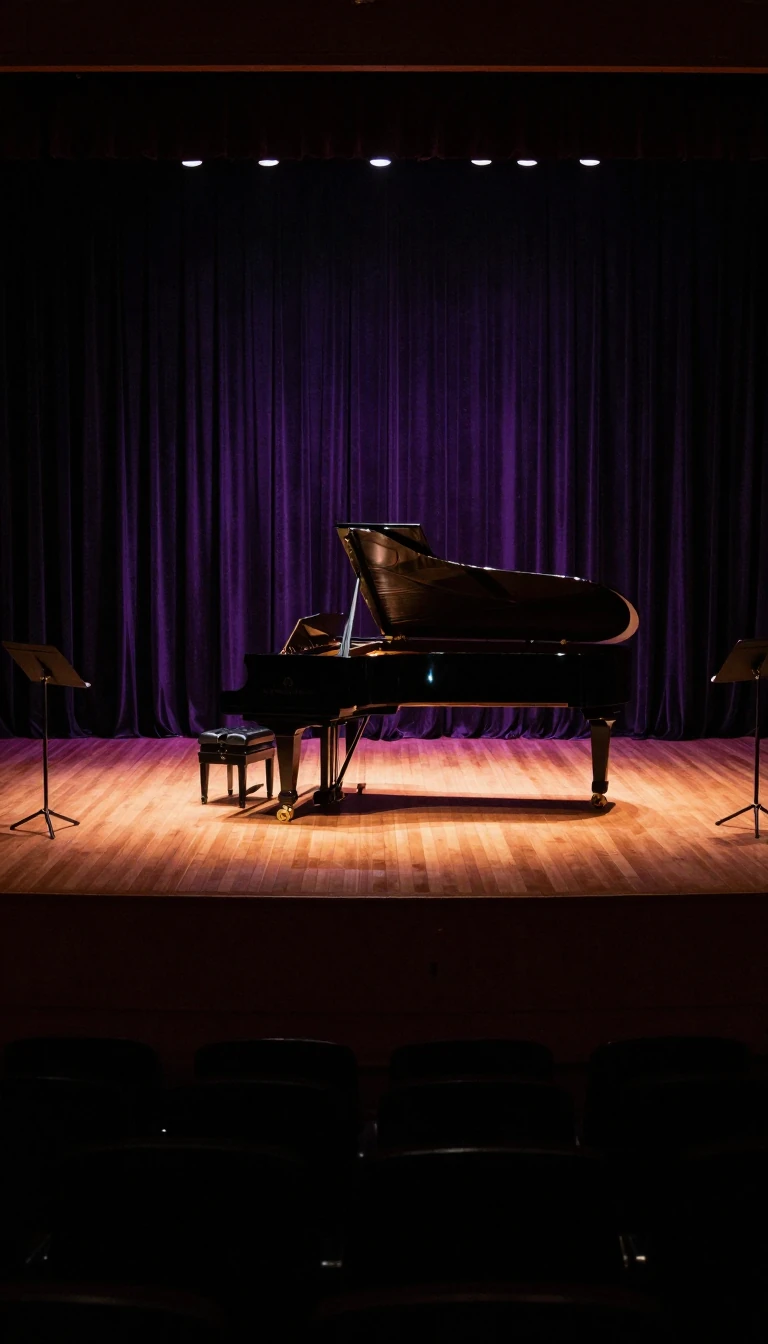 No single style ruled twentieth-century classical musicWestern art music written from 1901 to 2000 shattered the old common-practice consensus. Modernism, impressionism, neoclassicism, serialism, electronic sound, and minimalism all c…
- One hand plays chords while the other squeezes airThe accordion is a bellows-driven free-reed aerophone that packs melody on the right and ready-made bass chords on the left. Patented in Vienna by Cyrill Demian in 1829 after Berl…
 Albums began as books of three-minute shellac discsBefore the LP, an "album" was literally a bound book of 78 rpm sides—each holding about three minutes—sold like a photo album. Columbia's 1948 33⅓ rpm long-play vinyl folded a who…
 College-radio outsiders became the 1990s mainstreamAlternative rock grew from the 1970s independent underground and late-punk DIY ethos, then exploded when 1990s grunge, Britpop, and shoegaze proved corporate rock had gone stale. …
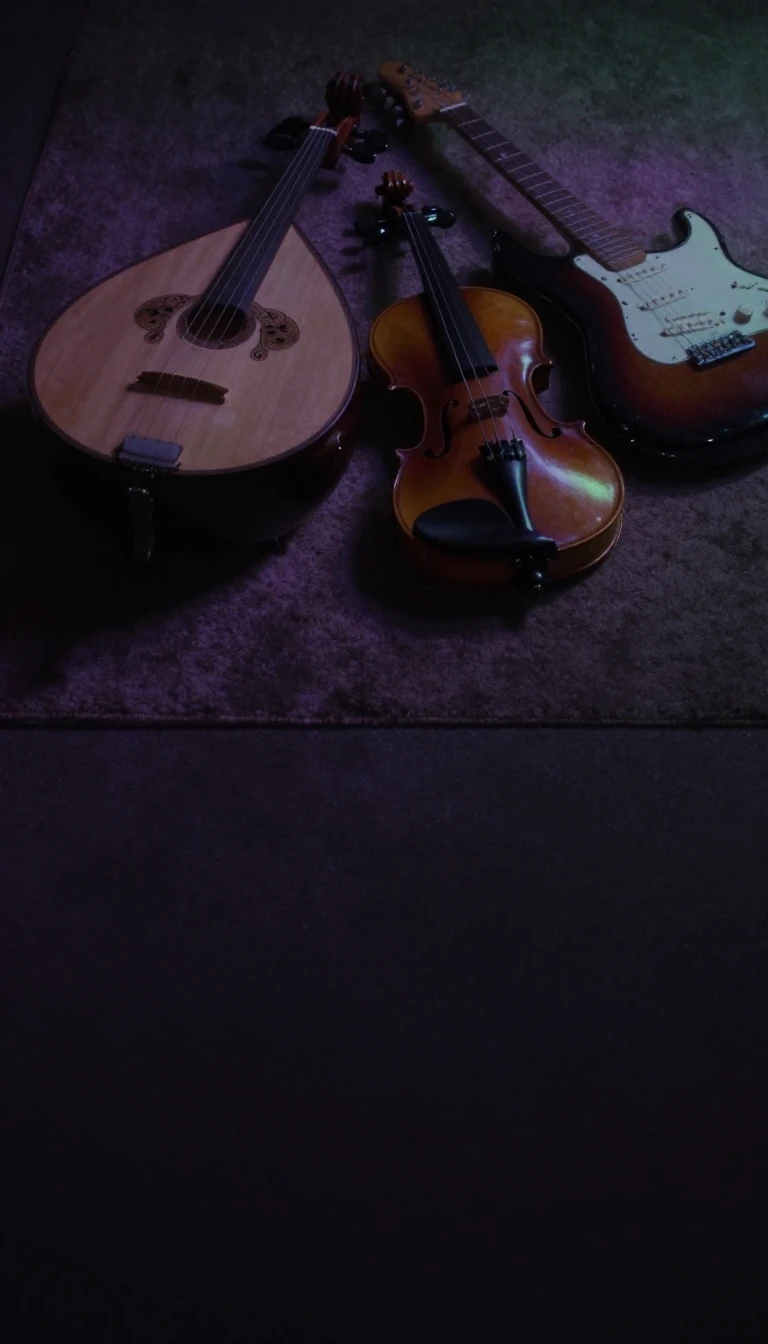 Maqam melodies shaped lutes, violins, and surf guitarArabic music spans the Arab world's dialects and styles, built on the maqam system of melodic modes without fixed rhythm. Medieval theorists such as al-Kindi and al-Farabi mapped …
- Opera's showpiece song began as a simple "air"An aria is a self-contained piece for one voice—usually inside opera, oratorio, or cantata—meant to pour out feeling while recitative pushes the plot. From late-seventeenth-centur…
 Bags of air let pipers play without ever stoppingBagpipes feed enclosed reeds from a constant air reservoir, so the melody chanter rarely rests—ornaments must fake the accents. Scotland's Great Highland pipes are famous, yet rel…
 Story songs danced before they filled broadsidesBallads began as medieval French dancing songs—ballare means to dance—then became Europe's favorite narrative verse-and-tune. From Robin Hood broadsides to Child's 305 English and…
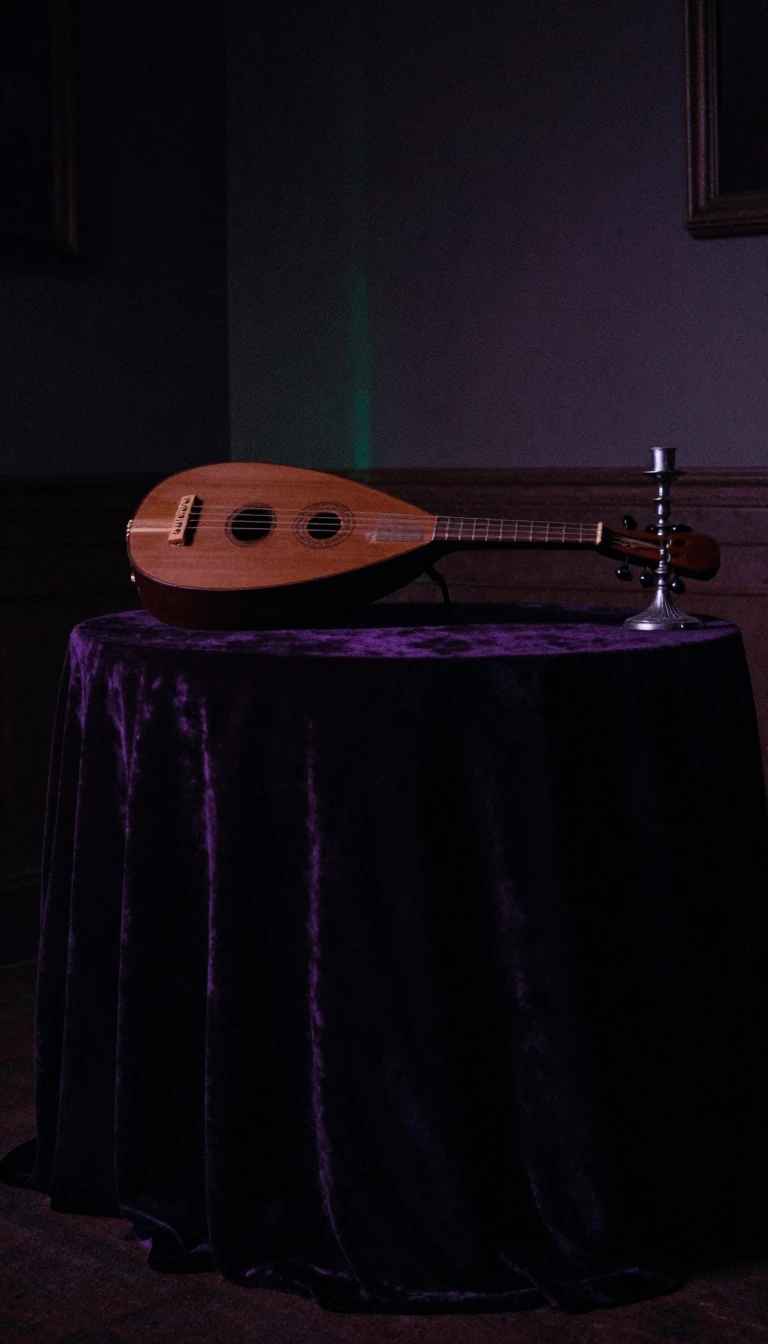 Baroque first meant a jagged pearl of confusing harmonyBaroque music—roughly 1600 to 1750—gave Western classical practice tonality, opera, the concerto, and the modern orchestra's roots. Yet the label began as an insult: a 1734 critic…
- Fender's Precision Bass freed bands from the uprightThe electric bass guitar—usually four strings tuned E–A–D–G an octave below a guitar's lowest strings—was built mid-century to replace the bulky double bass onstage. Lighter, fret…
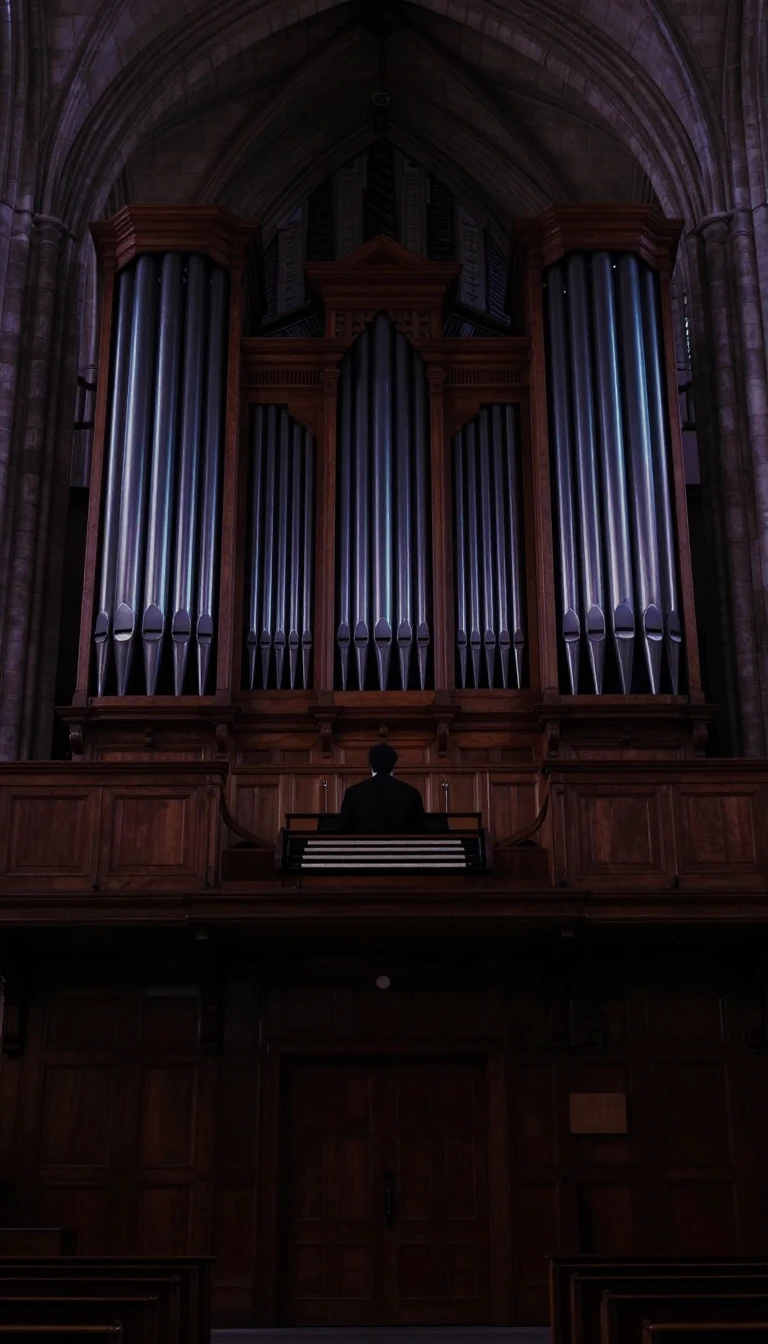 A doubled wooden tube that acts eight feet tallThe bassoon—woodwind of tenor and bass, usually maple—stands about 1.34 meters high yet sounds a 2.54-meter conical bore folded back on itself. Players vibrate a double reed of Ar…
 Thriller sold about seventy million and rewrote popMichael Jackson’s sixth studio album, Thriller, dropped 29 November 1982 on Epic, produced by Quincy Jones on a $750,000 Westlake budget. It spent a record thirty-seven non-consec…
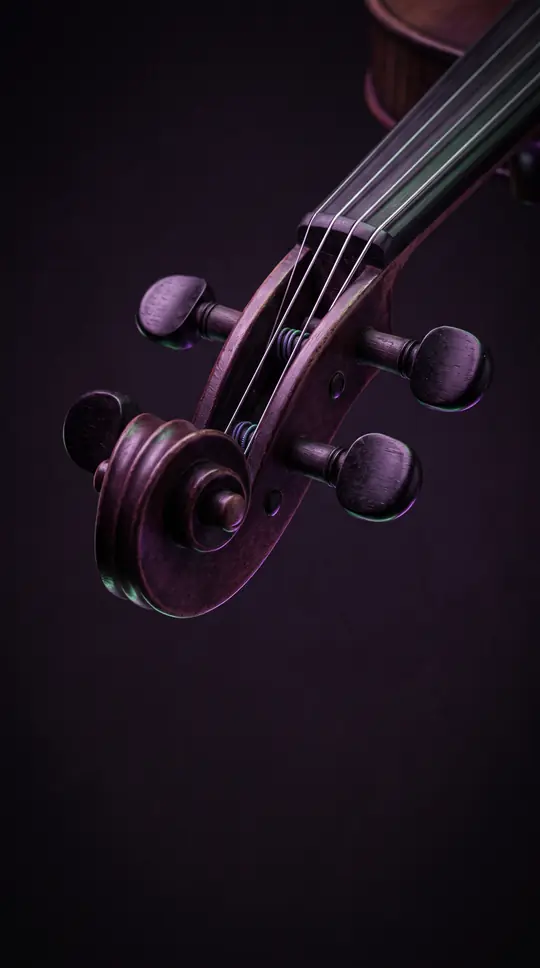 The alto voice between violin and cello since the 1700sThe viola sits slightly larger and lower than the violin: typical tuning C3–G3–D4–A4, a perfect fifth below violin and an octave above cello’s pitch layout. Since the eighteenth c…
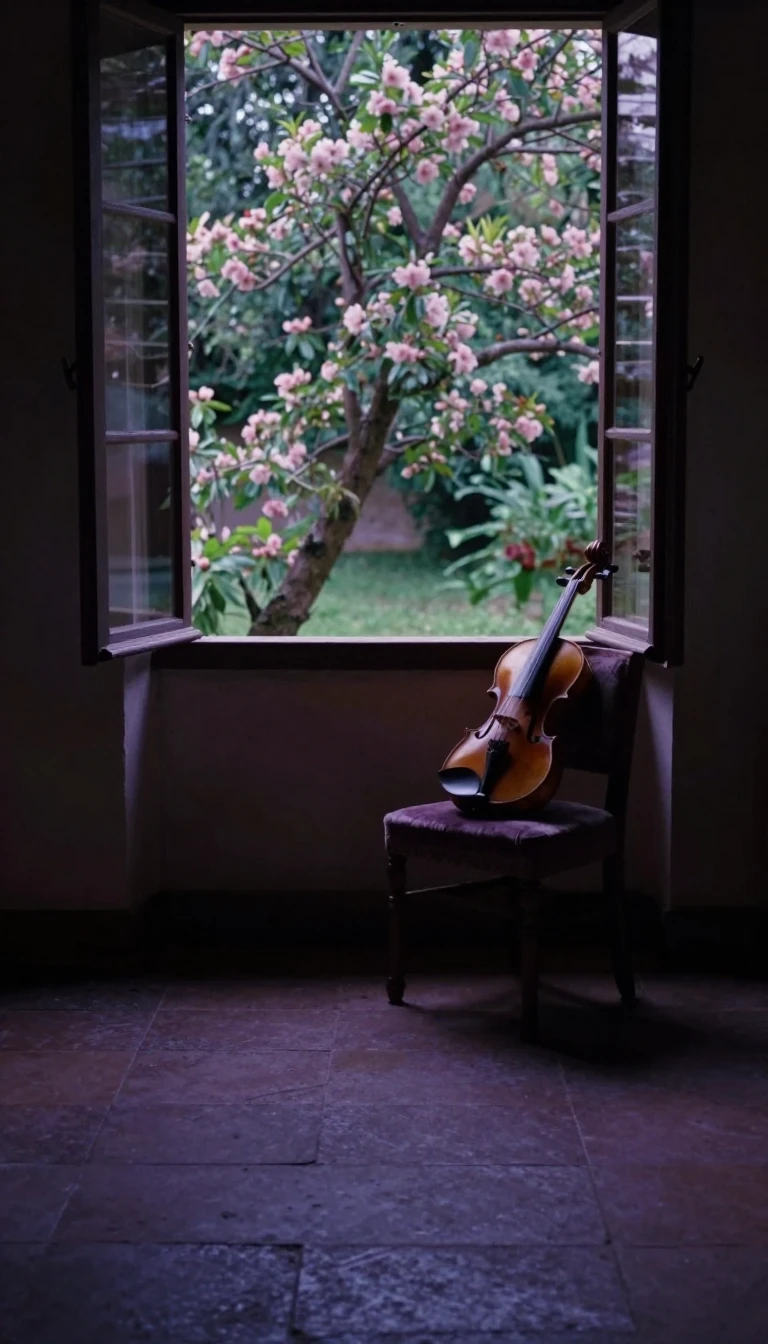 Cremona’s four-string soprano still rules the orchestraThe violin—also called a fiddle—is the smallest, highest regular member of its family: usually four strings tuned G3–D4–A4–E5 in fifths, bowed or sometimes plucked. Born in sixtee…
- West Side Story began as a Jewish-Catholic Romeo rewriteBefore Puerto Rican Sharks faced Polish-Irish Jets on Manhattan's Upper West Side, Jerome Robbins imagined East Side Story: Catholic Jets versus Jewish Emeralds around Easter and …
- Boehm's 1847 patent still shapes the silver flute you hearSide-blown concert flutes look ancient, yet their linked keys, large tone holes, and metal tube mostly follow Theobald Boehm's 1847 design. Centuries earlier, keyless wooden "Germ…
 Woodwinds need not be wood—reeds and edges decideCall them woodwinds and many still imagine maple tubes, yet gold flutes and brass saxophones belong for how they speak. Sound either splits on a sharp edge—open transverse flutes,…
- Orchestral xylophones speak an octave higher than writtenIts Greek name means sound of wood, yet toy "xylophones" with metal bars are really glockenspiels. Concert instruments use rosewood, padauk, or synthetics across three-and-a-half …
- Mozart finished his Jupiter Symphony on a single August day in 1788On 10 August 1788 Wolfgang Amadeus Mozart completed Symphony No. 41 in C major, K. 551—his longest and final symphony. It closed a summer burst that also produced Nos. 39 and 40. …
 Fate's four notes premiered in a four-hour Vienna marathonBeethoven's Symphony No. 5 in C minor, Op. 67, written between 1804 and 1808, opens with the short-short-short-long figure often nicknamed fate knocking. It premiered on 22 Decemb…
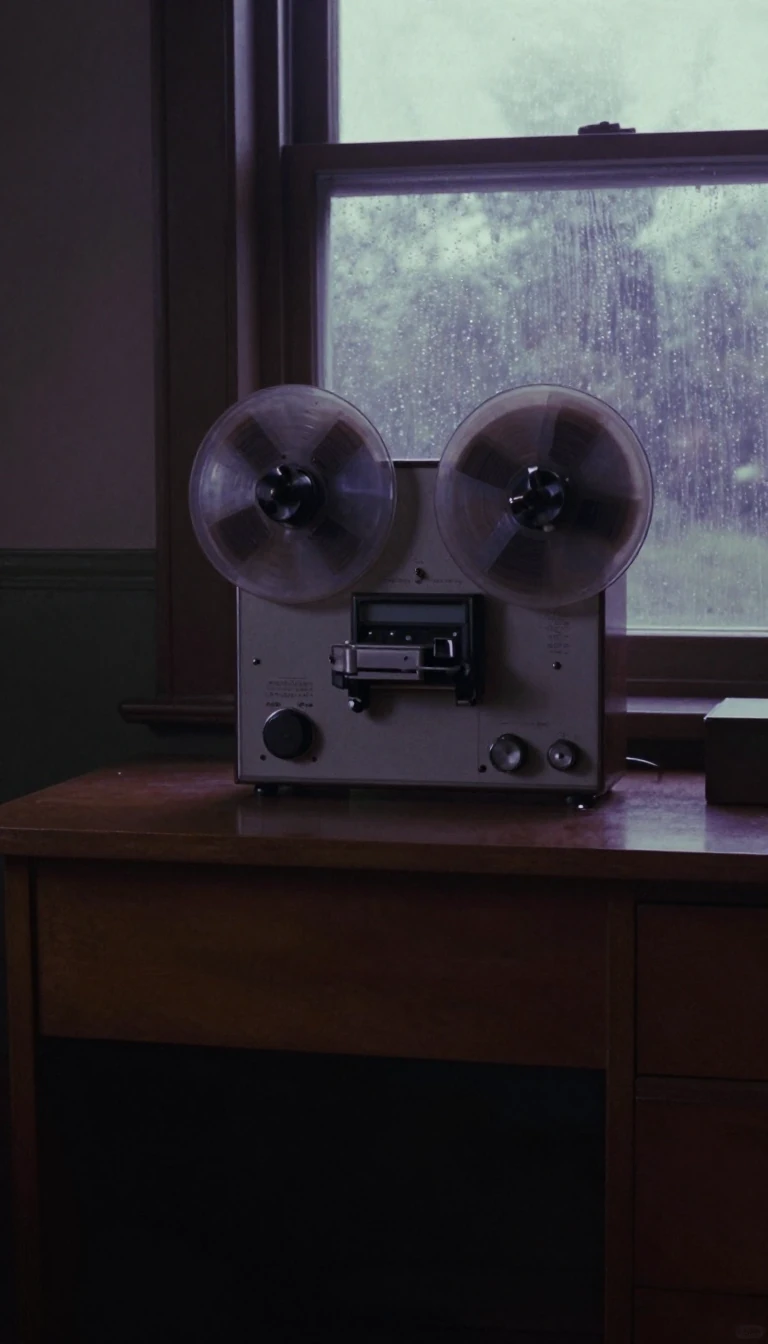 From punch-card labs to MIDI, the synth remade popular soundA synthesizer generates audio electronically—via subtractive, additive, FM, and related methods—rather than vibrating strings or air columns. Mid-century lab machines such as the …
- Vivaldi scored barking dogs and storms into four violin concertosAntonio Vivaldi's The Four Seasons—four violin concertos painted as spring, summer, autumn, and winter—were written roughly 1718–1723 and published in Amsterdam in 1725 inside Op.…
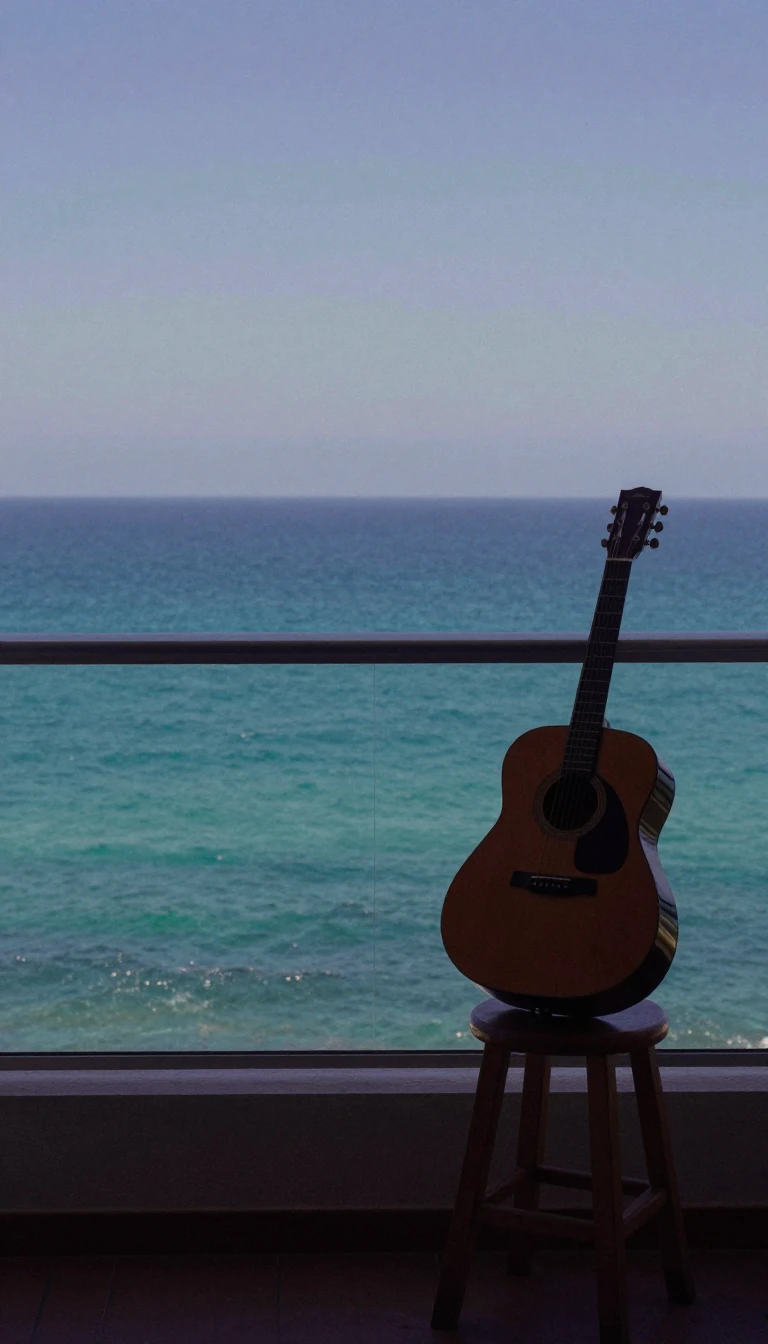 A teenager's beach walk became bossa nova's global signatureGarota de Ipanema—The Girl from Ipanema—was written in 1962 by Antônio Carlos Jobim with Portuguese words by Vinícius de Moraes and later English lyrics by Norman Gimbel. The Stan…
- Mozart's last opera mixed fairy tale, freemasonry, and spoken linesDie Zauberflöte, K. 620, is Mozart's two-act Singspiel to Emanuel Schikaneder's German libretto—sung numbers plus spoken dialogue. It opened on 30 September 1791 at the Freihaus-T…
- Mozart turned a banned French comedy into opera's sharpest farceLe nozze di Figaro, K. 492, is Mozart's 1786 four-act opera buffa with Lorenzo Da Ponte's Italian libretto after Beaumarchais's 1784 play. It premiered at Vienna's Burgtheater on …
 Tchaikovsky's Christmas ballet flopped in 1892, then ruled DecemberThe Nutcracker, Op. 71, is Tchaikovsky's 1892 two-act ballet-féerie on Hoffmann's tale via Dumas, choreographed by Marius Petipa and Lev Ivanov. It shared its 18 December 1892 Mar…
 Lloyd Webber's Phantom ran longer on Broadway than any other showAndrew Lloyd Webber's The Phantom of the Opera, with lyrics by Charles Hart and Richard Stilgoe after Gaston Leroux's 1910 novel, reached London audiences in 1986 and New York sta…
- Bach mapped all twenty-four keys so every door would open in tuneThe Well-Tempered Clavier, BWV 846–893, is Johann Sebastian Bach's two books of prelude-and-fugue pairs in all twenty-four major and minor keys. Book 1's 1722 title page announced…
 Beethoven's Eroica opened with two chords that rewrote the symphonyWritten mostly in 1803–1804, Symphony No. 3 in E-flat major, Op. 55—the Eroica—helped launch Beethoven's middle period. A private run came on 9 June 1804; the public premiere foll…
 A scale is a ladder of steps that divide one octaveMusic theory treats a scale as a stepwise climb of pitches spanning one octave. Latin scala means ladder, so each scale is known by its step-pattern. Common-practice melodies and …
 Sgt. Pepper turned a studio album into a cultural eventReleased in the UK on 26 May 1967, the Beatles' eighth studio album Sgt. Pepper's Lonely Hearts Club Band helped invent the album era. Musicologists call it an early concept LP th…
 Singing turns lungs, larynx, and cavities into one instrumentSinging is making music with the voice—often called humanity's oldest instrument. Definitions range from tuneful word sequences to pitched vocal tones. Unlike rapping, which histo…
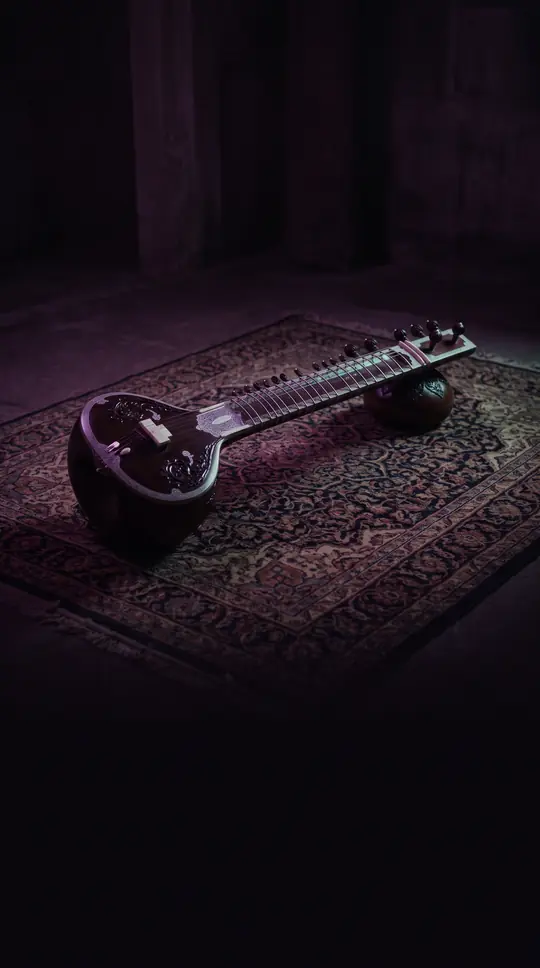 Scholars credit Khusrau Khan, not Amir Khusrow, for the sitarThe sitar is a plucked Hindustani classical instrument that took shape in eighteenth-century Mughal India from the Persian setar. Modern research names court figure Khusrau Khan a…
 Sonata shifted from vague label to classical music's master planA sonata today usually means a three- or four-movement instrumental work, yet the word once covered many Baroque shapes. By the early nineteenth century it named a principle for o…
- A song is voice music—unless it is Songs Without WordsA song is a musical composition for the human voice, usually carrying melody through patterns of sound and silence. Structure often repeats sections, as in ABA form; without instr…
 Soul fused gospel heat with secular R&B pride in the sixtiesSoul music arose in African-American communities in the late 1950s and early 1960s, mixing gospel, rhythm and blues, and jazz. Handclaps, call-and-response, tense vocals, and impr…
- Chordophones sing when strings vibrate—by pluck, bow, or strikeString instruments, or chordophones, make sound from vibrating strings that players strum, pluck, strike, or bow. Guitars take fingers or picks; violins take rosined horsehair; ha…
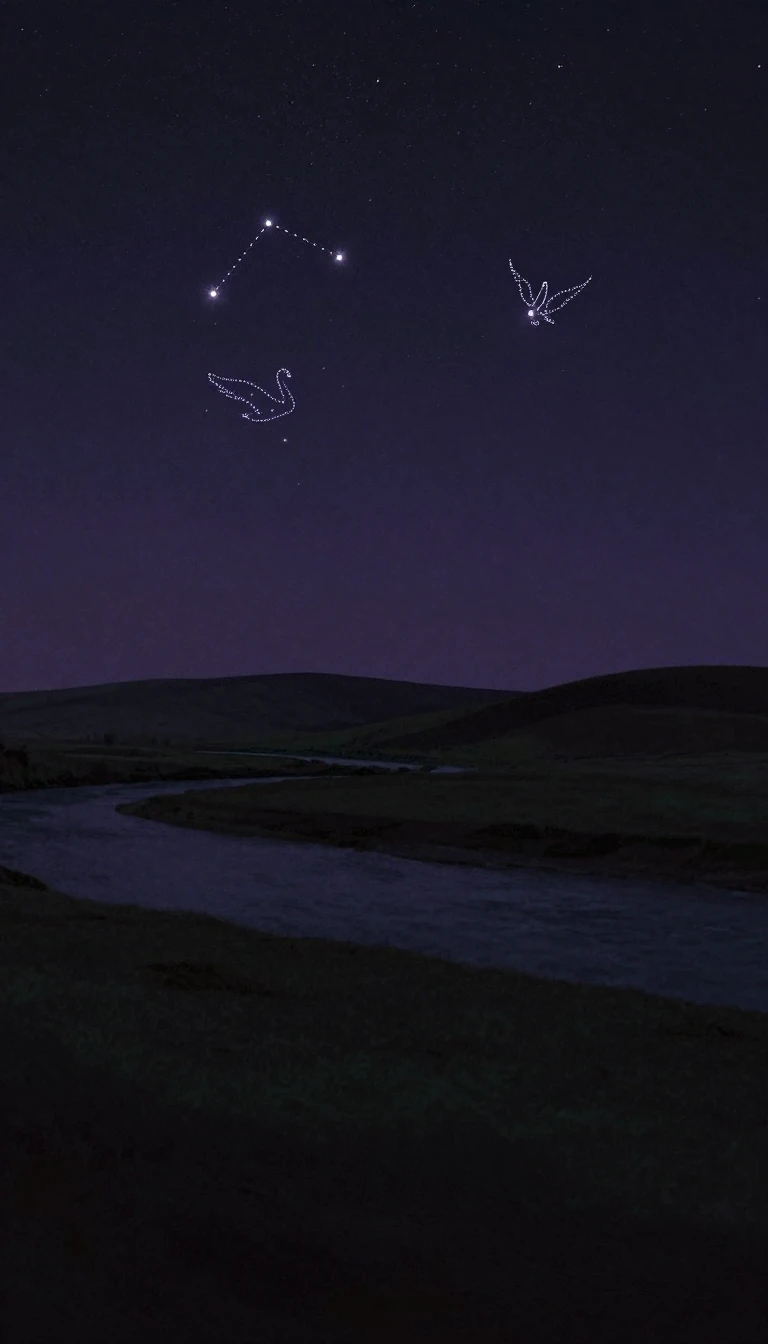 Swan Lake flopped in 1877—then Petipa and Ivanov made it immortalPyotr Ilyich Tchaikovsky wrote Swan Lake in 1875–76; the Bolshoi premiered it on 4 March 1877 to chilly reviews that called the score too Wagnerian. Most companies now dance the 1…
 Symphony once meant accord of sound—now a multi-movement orchestra epicA symphony today is an extended Western classical piece, usually for orchestra in three or four movements with a sonata-form opener. Forces run roughly thirty to one hundred playe…
- Mahler's Resurrection Symphony began as a funeral tone poemGustav Mahler's Symphony No. 2 in C minor, the Resurrection, occupied him from 1888 to 1894 and premiered in 1895. Lasting some eighty to ninety minutes, it was among his greatest…
- England called it recorder centuries before school plasticRecorders lead Western classical music’s duct flutes, set apart by an upper-hand thumb hole plus seven finger holes. Common sizes today run soprano, alto, tenor, and bass. Europe …
- Do the Reggay named Jamaica’s slow-downbeat sound in 1968Reggae rose in late-1960s Jamaica from mento, ska, and rocksteady, then travelled with the diaspora. Toots and the Maytals’ 1968 single Do the Reggay first put the word on a hit. …
- Renaissance harmony embraced thirds medieval ears called roughMusic historians usually date Renaissance music to Europe’s fifteenth and sixteenth centuries—later than Renaissance painting timelines. Early style tracks Guillaume Du Fay’s cant…
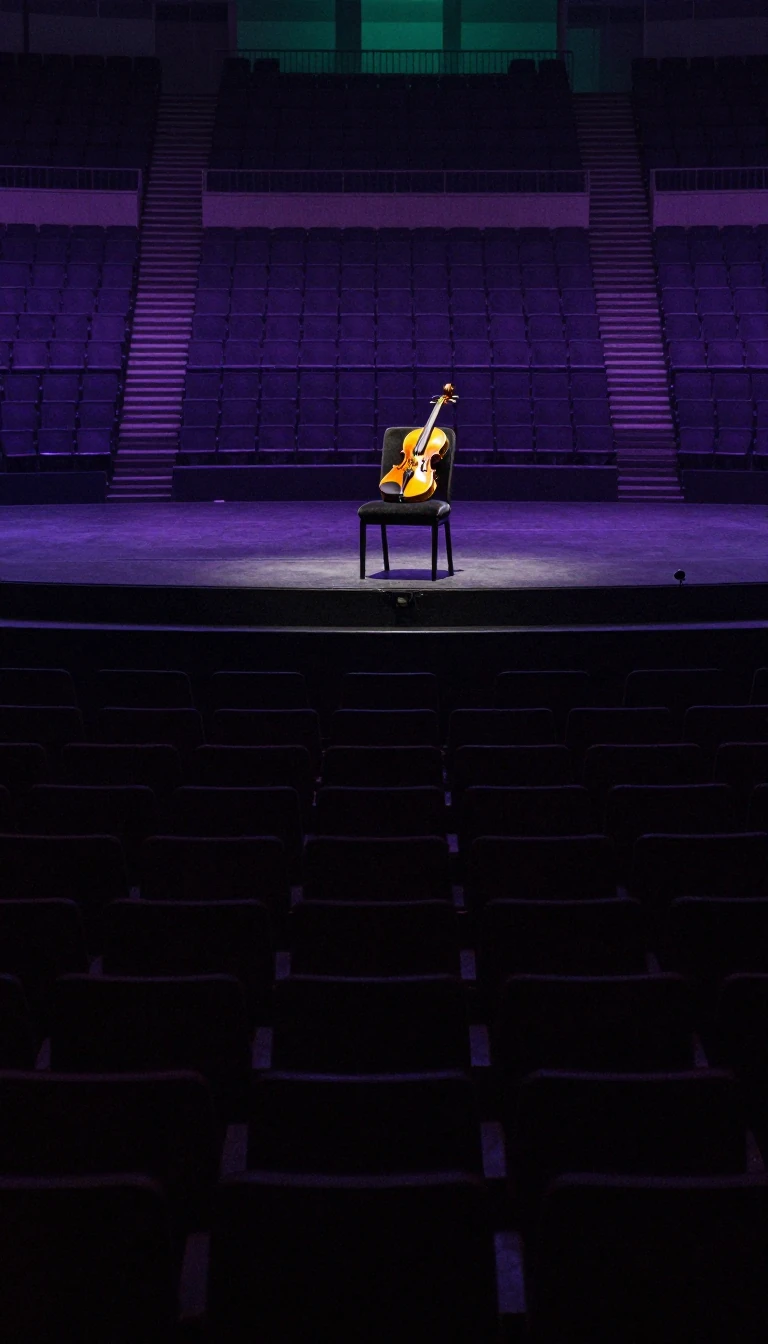 Gershwin finished Rhapsody in Blue in five frantic weeksGeorge Gershwin’s 1924 Rhapsody in Blue for piano and jazz band premiered 12 February at Aeolian Hall in Paul Whiteman’s An Experiment in Modern Music. Whiteman commissioned it af…
 Only humans truly lock bodies to an external beatRhythm, from Greek rhythmos for recurring motion, is patterned succession of strong and weak elements in time. In performance it times sounds, silences, dance steps, and verse str…
 Billboard’s Harlem Hit Parade became Rhythm and Blues in 1949Rhythm and blues grew inside African American communities in the 1940s as labels marketed rocking, insistent Black music. Jerry Wexler is often credited with coining the phrase at…
 Rocket 88 is often called first rock—Turner called it R&BRock and roll took shape in the United States in the late 1940s and early 1950s by blending African American rhythm and blues with gospel, jazz, boogie-woogie, jump blues, swing, …
 Rock ruled Western pop from the sixties into the 2010sWhat began stateside as rock-and-roll after World War II soon split into British and American branches and a sprawling style family. Songs usually sit in four-four with verse–chor…
- Hoffmann crowned instrumental music the Romantic artformRomantic music names the nineteenth-century Classical style tied to broader Romanticism flourishing roughly 1798–1837 in literature and art. Composers chased individual emotion, d…
 Tito Puente said the only salsa he knew was ketchupSalsa labels Caribbean dance music shaped by Cuba, Puerto Rico, the Dominican Republic, Colombia, Venezuela, and U.S. scenes where African, European, and Indigenous strands meet. …
 Rio’s Estácio samba of the late 1920s set the modern beatSamba names many Afro-Brazilian rhythms born in Bahia’s Black communities in the late nineteenth and early twentieth centuries. Modern urban Carioca samba crystallised in late-192…
- Adolphe Sax patented his brass reed hybrid on 28 June 1846The saxophone is a single-reed woodwind with a conical brass body: a mouthpiece reed launches the wave while keys open and close tone holes to retune the tube. Belgian maker Adolp…
- A 65-centimetre reed instrument that tunes the whole orchestraThe oboe is a double-reed woodwind, usually wooden though plastics appear too. The common soprano in C runs about 65 centimetres with metal keys, a conical bore and a flared bell,…