 Intellect Plus
Music
3,611 cards. Each one is a 40-second story with a five-minute read behind it. Page 58 of 61.
Subtopics: Acoustics · Blues · Classical music · Deafness · Electronic music · Film & TV music · Folk & country music · Hearing · Heavy metal & punk · Hip hop · Illusions · Improvisation · Instruments · Jazz · K-pop & world music · Mathematics · Measurement · Memory · Modernism · Music · Music technology · Music theory · Musical instruments · Musicians and composers · Notation · Opera · Pop music · Renaissance · Rock music · Silence · Soul, R&B & reggae · Sound · UK & Ireland: music · World music
 Florence's 1598 Dafne lit the fuse for sung Western dramaOpera is Western theatre in which music is fundamental and singers carry the dramatic roles; the Italian word simply means work. It began in late sixteenth-century Italy with Jaco…
 Orchestra first named the space in front of a Greek stage kept for the chorusAn orchestra is a large ensemble, classical or jazz, that combines instrument families into one sound: strings, woodwinds, brass and percussion, with harp, keyboards and even elec…
 Percussion is probably music's oldest family, yet scientists don't treat it as oneA percussion instrument sounds when it is struck, scraped, shaken or rubbed, by a beater, by hand, or against a twin. It is thought to include humanity's oldest instruments, and i…
 Beethoven's Hammerklavier was thought unplayable until Liszt performed itBeethoven wrote thirty-two mature piano sonatas between 1795 and 1822, never meaning them as a set. Yet together they became what Hans von Bülow called the New Testament of the pi…
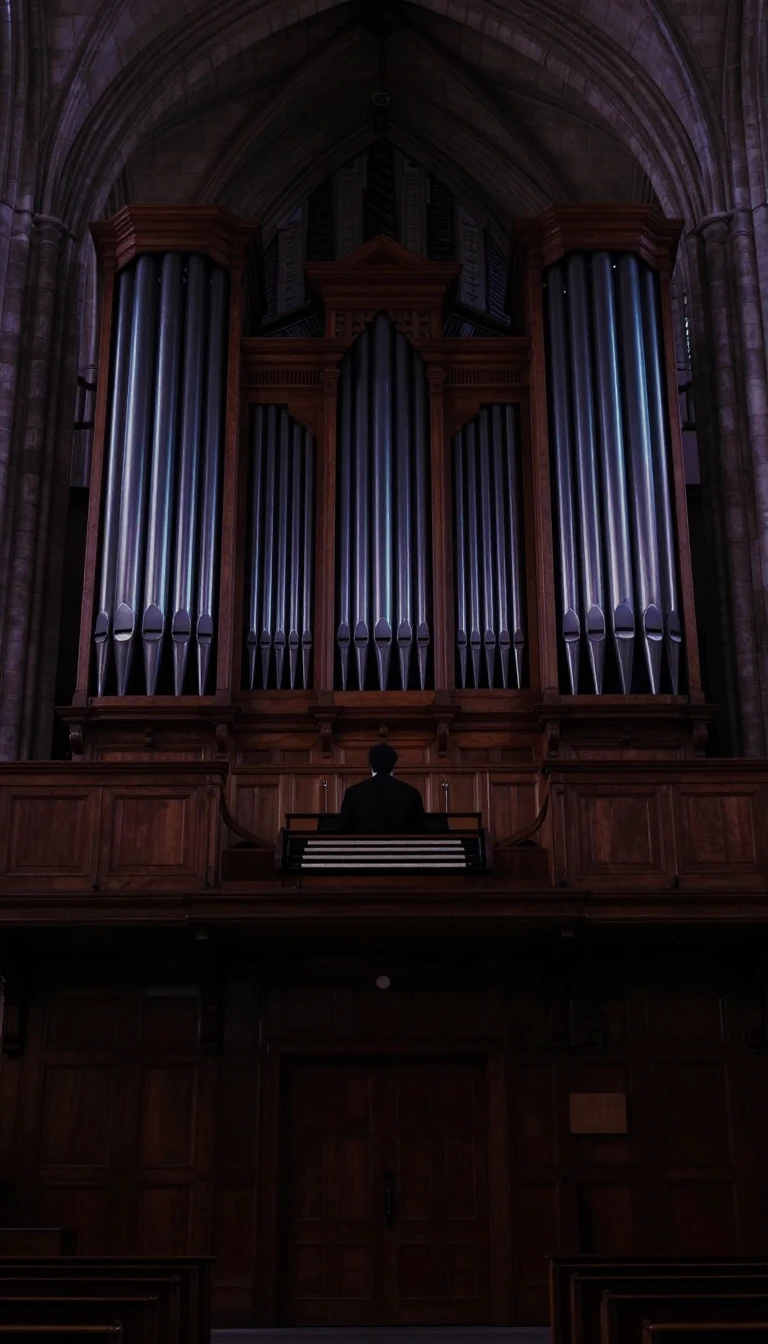 The pipe organ was humanity's most complex machine until the telephone exchangeA pipe organ sounds by forcing pressurised air, called wind, through pipes chosen from a keyboard. Its ancestor ran on water pressure in ancient Greece, and by the 1600s it had be…
 Until the late 1960s, pop and rock meant roughly the same thingPop music took its modern shape in mid-1950s America and Britain, and for over a decade the word simply covered rock and roll and the youth styles it spawned. Only around 1967 did…
- A 1795 feminist anthem borrowed the tune of God Save the KingA protest song is tied to a movement for social change, making it one branch of the wider family of topical songs. Abolitionists, suffragists, trade unionists and civil rights cam…
 A 1976 fanzine drew three chords and told readers to start a bandPunk rock erupted in the mid-1970s from 1950s rock and roll and 1960s garage bands, rejecting bloated arena rock for short, fast, rough songs and a do-it-yourself ethic. By 1977 i…
 The word rap has been in English since at least 1541Rapping, also called flowing, spitting or MCing, is vocal delivery built on rhyme, rhythmic speech and often street slang. It took shape in the Bronx in the early 1970s, but its r…
 Notation writes only what a tradition decides mattersMusical notation is any visual system for capturing sound, and each tradition writes down only what its players need. Classical musicians read staves and noteheads, Nashville sess…
 Musicology researches music without needing to perform itMusicology is the research-based academic study of music, as opposed to composing or performing it. It draws on psychology, sociology, acoustics, neurology and computer science, a…
- France made La Marseillaise the first official anthemNational anthems are patriotic songs celebrating a country's history, usually written as marches or hymns. Royal anthems came first—God Save the King was first performed in 1619—b…
- Chopin's twenty-one nocturnes perfected Field's night pieceFrédéric Chopin wrote 21 piano nocturnes between 1827 and 1846, and they remain concert staples. He did not invent the form—the Irish composer John Field did—but Chopin popularise…
 Genre is social rules, not just a sound paletteA music genre groups pieces that share a tradition or conventions—distinct from form or style, even when people blur the three. Franco Fabbri's 1982 definition, now treated as the…
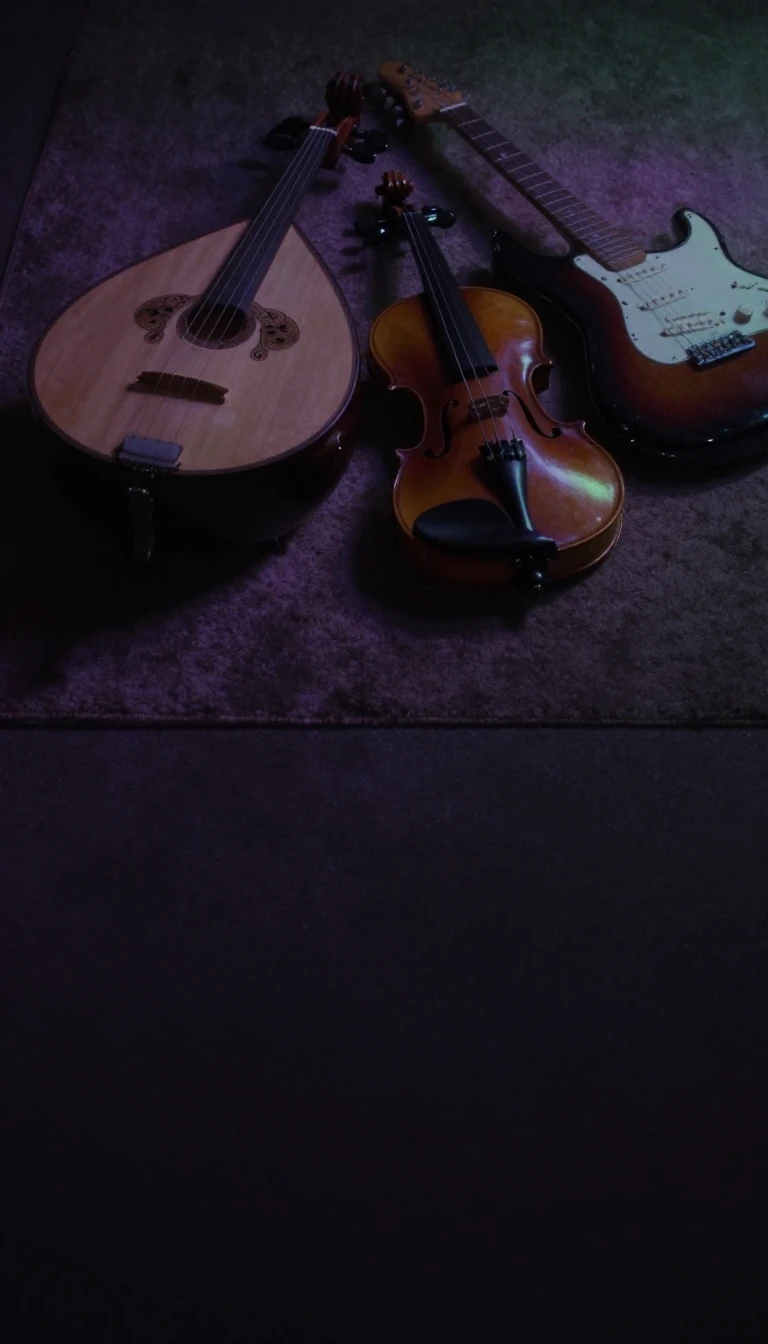 African polyrhythm and call-and-response remade the AmericasAfrica's musics are vast—highlife, jùjú, mbube, afrobeat, taarab and many more—yet shared traits recur: layered rhythms such as three-against-two, and phrases tossed between voice…
 Bone flutes in Henan sound nine thousand years oldChinese music spans many ethnic traditions, instruments and languages inside one modern state. Zhou-dynasty sources already show a developed court musical culture, while bone flut…
- Music theory names both practice tools and academic scienceMusic theory maps frameworks for how music works—from the rudiments needed to read a score, to scholars' ideas across history, to the search for general principles. Its oldest wri…
 Music videos sold songs long before MTV owned the nightA music video pairs a track with images, mostly to sell recordings. Musical shorts arrived with sound film in the 1920s and promotional clips spread in the 1960s, but the form onl…
 Lullabies swing in triple time like a womb’s rocking gaitCradle songs soothe children—and sometimes adults—with simple contours, high pitch, long pauses, and usually no instruments. The English word appears around 1560 from Middle Engli…
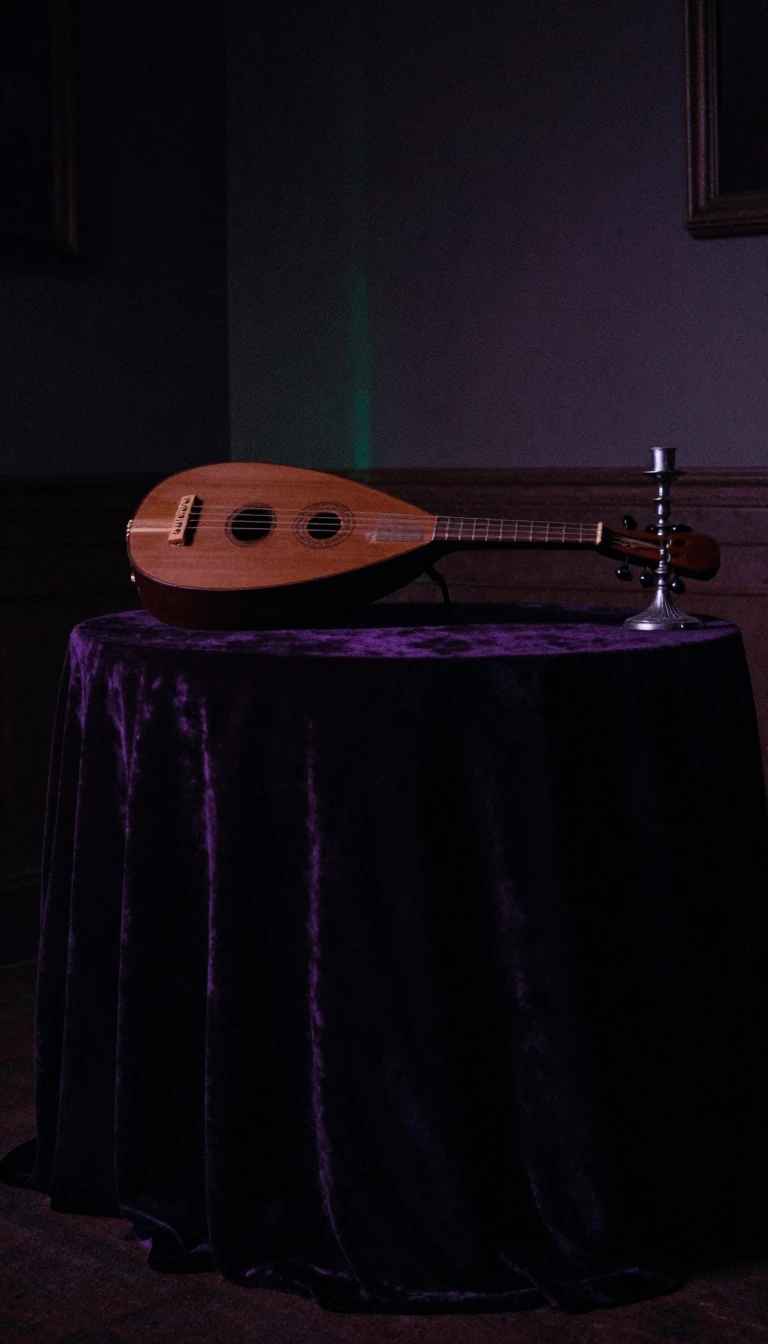 Europe’s lute and the oud share a forked family treeA lute is a plucked necked instrument with a deep round back and hollow body. European lutes, cousins of short-necked Gandharan types, ruled Renaissance secular music. The words l…
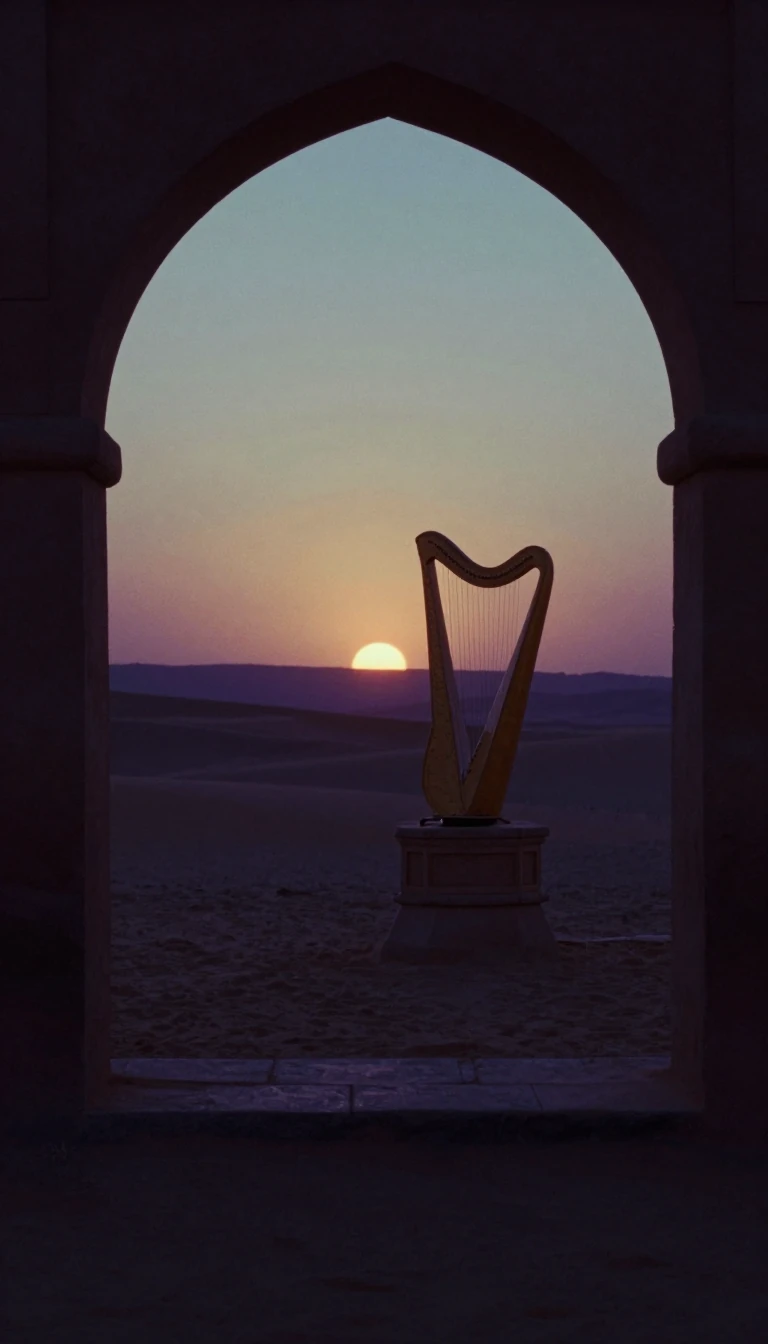 Lyres appear in Mesopotamia by about 2700 BCEOrganologists classify the lyre as a yoke lute: its strings run to a crossbar held between two arms, level with the soundboard. Cultures ringing the Mediterranean played lyres for…
- Mandolins grew louder when metal strings replaced gutThe mandolin—“small mandola”—is a lute-family instrument usually plucked with a pick, often with four unison courses for eight strings. Neapolitan bowl backs, carved archtops, and…
- Bach finished his B-minor Mass the year before he diedJohann Sebastian Bach completed the Mass in B minor, BWV 232, in 1749, recycling earlier music such as a 1724 Sanctus into a full Latin Ordinary. His son C. P. E. listed it as the…
- Medieval Europe invented notation while still singing by memoryMedieval music covers Western Europe’s sacred and secular sounds from roughly the sixth to fifteenth centuries—the longest classical era before the Renaissance. Gregorian chant an…
- Melody is the line listeners hear as one musical thoughtFrom Greek melōidía for singing, a melody is a succession of tones perceived as a single entity—pitch plus rhythm, sometimes more. Phrases and motifs repeat and transform. Forkel …
 Handel drafted Messiah in 1741 for a Dublin Easter premiereGeorge Frideric Handel’s English oratorio Messiah, HWV 56, sets a Charles Jennens libretto drawn from the King James Bible and Coverdale Psalter. Dublin heard it first on 13 April…
 Music is a cultural universal with no single tight definitionMusic arranges sound into form, harmony, melody, rhythm, or other expressive patterns, and every known society has it. English music traces to Greek mousiké technē, “art of the Mu…
- Anything can be an instrument once purpose turns noise into musicA musical instrument is a device made or adapted to produce musical sound; intention, not physics alone, draws the line. The oldest candidates are simple flutes some fifty to sixt…
 Raga and tala split north and south classical pathsIndian classical music—Shastriya or Marg Sangeet—rests on raga melody and tala rhythm, rooted in Vedic and Natyashastra traditions. Hindustani north favors improvisation; Carnatic…
 Japanese pops replaced kayōkyoku with Beatles DNAJ-pop—Japanese popular music mainstream since the 1990s—grew from 1960s rock bands like Happy End blending Beatles and Beach Boys with native song, through Yellow Magic Orchestra …
 New Orleans call-and-response grew a century of stylesJazz arose in late nineteenth-century African-American New Orleans from blues, ragtime, spirituals, marches, and European harmony—swing, blue notes, and improvisation its hallmark…
 Chuck Berry's country boy guitar still rings worldwideChuck Berry wrote and sang Johnny B. Goode in 1958—a Hot R&B number two and pre-Hot-100 eight—about a possibly illiterate New Orleans guitarist who might see his name in lights. B…
 Idol factories turned Korean rap-dance into global exportK-pop—Korean popular music—crystallized in 1990s youth culture via Seo Taiji and Boys rap-dance fusion, then Lee Soo-man's idol system spawning H.O.T. and S.E.S. BTS and Blackpink…
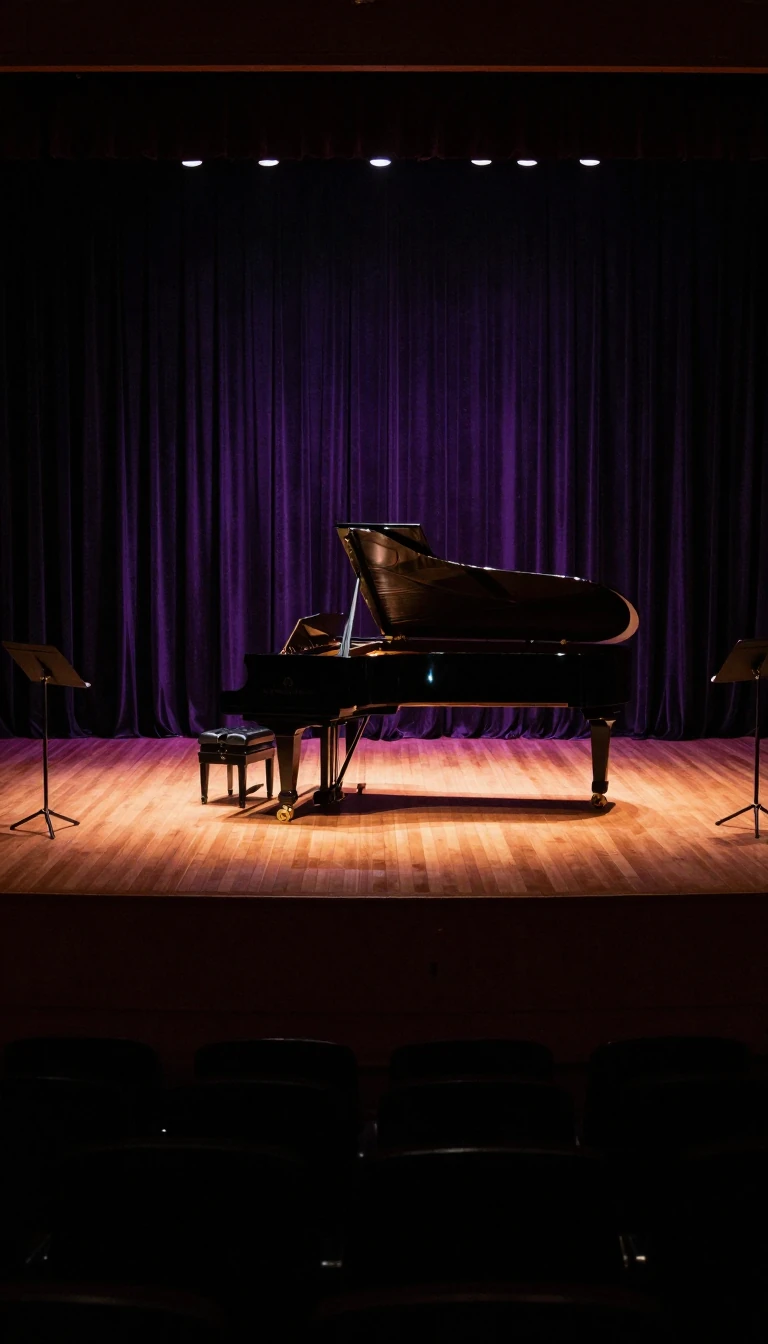 From hydraulis pipes to piano touch and synth desksA keyboard is simply a row of finger levers, yet it drives instruments as different as the pipe organ, the celesta, the harpsichord and the synthesizer. The idea goes back to a Gr…
 Miles Davis recorded modal freedom in two 1959 daysKind of Blue—Miles Davis sextet with Coltrane, Adderley, Evans, Chambers, Cobb—was taped March 2 and April 22, 1959 at Columbia's 30th Street Studio. Modal sketches replaced bebop…
 Puccini's Paris garret lovers conquered opera overnightLa bohème—Puccini 1893–1895, libretto Illica and Giacosa from Murger's Scènes de la vie de bohème—premiered 1 February 1896 in Turin under twenty-eight-year-old Toscanini. Rodolfo…
- Verdi's camellia courtesan survived a disastrous Venice nightVerdi's La traviata, adapted by librettist Francesco Maria Piave from The Lady of the Camellias by Dumas fils, flopped at Venice's La Fenice on 6 March 1853, when parts of the hou…
- Dylan's six-minute sneer rewired folk into rock stardomBob Dylan cut Like a Rolling Stone in June 1965 at Columbia Studio A—opening Highway 61 Revisited after distilling a ten-page verse draft. Columbia balked at length and electric s…
 Brewster-Douglass teens became Motown’s premier girl groupThe Supremes began in Detroit in 1959 as the Primettes—Florence Ballard, Mary Wilson, Diana Ross, and Betty McGlown from the Brewster-Douglass projects. They became Motown’s most …
 Afeni named Tupac for global revolutionaries, not a block aloneTupac Shakur (1971–1996), also 2Pac and Makaveli, was born in East Harlem to Black Panther parents and raised by mother Afeni, who wanted a name tied to indigenous revolutionaries…
 Tyagaraja composed Carnatic devotion across four Maratha reignsSaint-composer Tyagaraja (1767–1847), born Kakarla Tyagabrahmam in Thiruvarur, wrote the Carnatic repertoire still central to South Indian classical performance. He lived through …
 Horowitz left Soviet Russia with dollars sewn into shoesVladimir Horowitz (1903–1989), Kiev-born pianist often ranked among history’s greatest, fled via Germany in December 1925—ostensibly to study with Schnabel, secretly packing curre…
 Vysotsky’s gravel songs became the USSR’s unofficial diaryVladimir Vysotsky (1938–1980), Moscow-born singer-songwriter, poet, and actor, stamped Soviet culture with hoarse ballads of war, prisons, and everyday nerve. A wartime childhood,…
 Okemah’s Dust Bowl bard wrote hundreds of people’s songsWoody Guthrie (1912–1967), named for Woodrow Wilson in Okemah, Oklahoma, became American folk’s touchstone. Dust Bowl Ballads fixed migrant hardship in song; Huntington’s disease,…
 Teresa Teng recorded seventeen hundred songs across eight tonguesTaiwanese singer Teresa Teng (1953–1995) dominated East and Southeast Asian pop for nearly thirty years. She cut more than 1,700 songs in Mandarin plus Hokkien, Cantonese, Shangha…
- Hawthorne’s Wilson brothers sold over a hundred million recordsThe Beach Boys formed in Hawthorne, California, in 1961 around brothers Brian, Dennis, and Carl Wilson, cousin Mike Love, and friend Al Jardine. Brian’s writing and studio craft d…
 Four Liverpool players became history’s top-selling actThe Beatles—Lennon, McCartney, Harrison, Starr—formed in Liverpool in 1960 and are widely called the most influential rock band ever. Estimated sales exceed 600 million units, unm…
- Blues-obsessed Dartford teens outlasted six decades of rockThe Rolling Stones formed in 1962 and remain among rock’s longest-running giants, with more than 250 million albums sold and a Rock and Roll Hall of Fame berth. Jagger and Richard…
 A Barranquilla poet became Latin pop’s global crossoverBorn 2 February 1977 on Colombia’s Caribbean coast, Shakira Isabel Mebarak Ripoll signed with Sony’s Colombian arm at fourteen. Her first English album in 2001 moved more than thi…
 Blind from infancy, Wonder signed to Motown at elevenBorn Stevland Hardaway Judkins in Saginaw on 13 May 1950, he lost sight to retinopathy of prematurity after arriving six weeks early. Motown’s Tamla roster billed him Little Stevi…
- A mostly self-taught Odessa pianist stunned the centuryBorn in Zhytomyr in 1915, Sviatoslav Richter is routinely ranked among the twentieth century’s greatest pianists for depth, technique, and repertoire. His first public program—all…
 The eldest Carnatic Trinity wrote jewels for KamakshiSyama Sastri (1762–1827) was the eldest of the Carnatic Trinity, alongside Tyagaraja and Muthuswami Dikshitar. He wrote only about three hundred pieces, mostly hymns to the goddes…
 Named for James Taylor, she rewrote the pop album economyTaylor Alison Swift arrived on 13 December 1989 in West Reading, Pennsylvania, and grew into the highest-grossing live act and wealthiest woman in music. Diary-like writing plus c…
- Seven months of sessions remade the blues foreverRobert Johnson (1911–1938) cut his landmark sides in just two Don Law sessions—San Antonio 1936 and Dallas 1937—yielding 29 issued takes. Street corners and juke joints never made…
 A 1943 cowboy musical rewired Broadway storytellingComposer Richard Rodgers and lyricist Oscar Hammerstein II wrote Oklahoma!, South Pacific, Carousel, The Sound of Music and The King and I. Their shows and films earned 34 Tony Aw…
- Hollis sneakers and sparse beats made hip-hop platinumThree friends from Queens—Darryl McDaniels, Jason Mizell, and Joseph Simmons—launched Run-DMC in 1983. They became the first rap crew to go gold, then platinum, then multi-platinu…
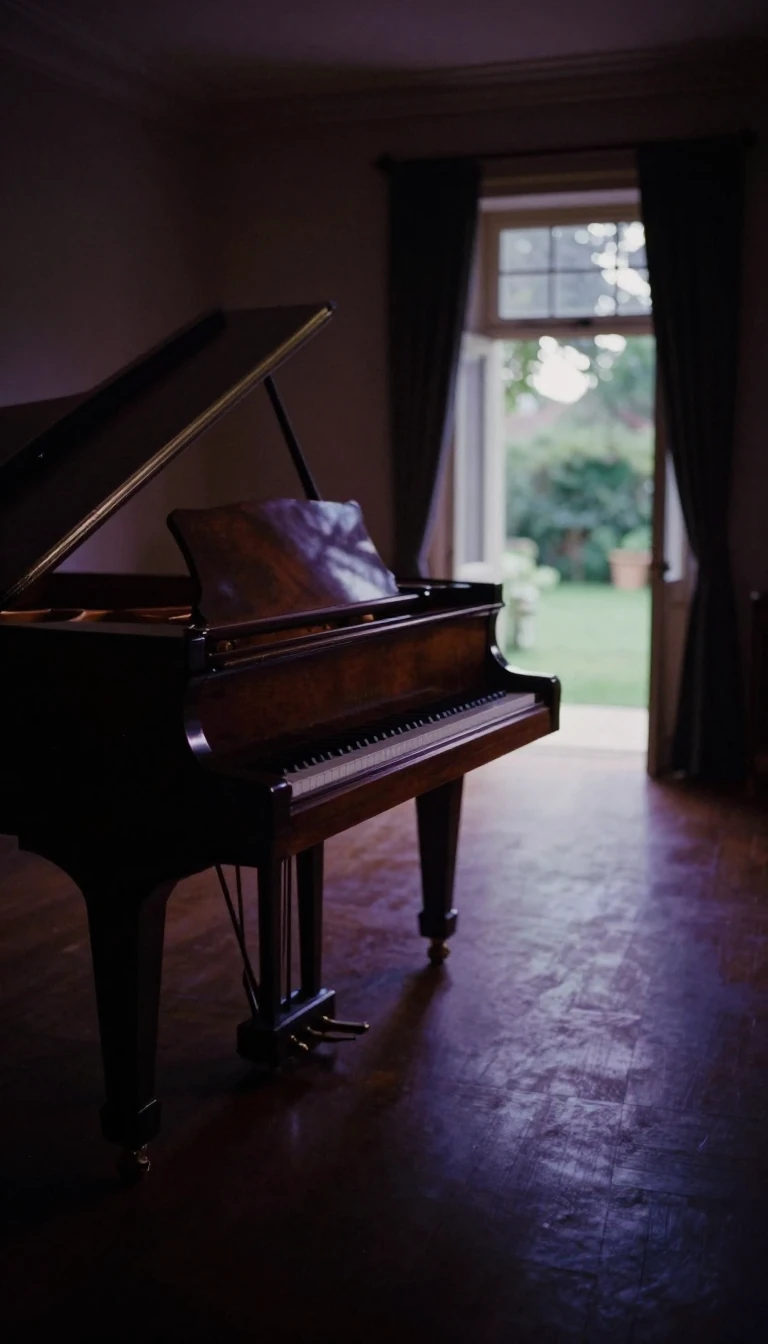 Maple Leaf Rag crowned a Texarkana railroad laborer’s sonScott Joplin, who died in 1917 after a life begun around 1868, earned the ragtime crown with dozens of piano pieces, a ballet, and two operas. His Maple Leaf hit defined the craze…
- A wartime yellow star haunted France’s pop provocateurLucien Ginsburg, later Serge Gainsbourg, arrived in Paris on 2 April 1928 and left more than 550 songs that other artists have covered over a thousand times. His death in March 19…
 Engineer's son Boulez rebuilt how new music gets heardPierre Boulez (1925–2016), born in Montbrison to an engineer father, studied with Messiaen and became both a fierce modernist composer and a globe-circling conductor. In Paris he …
- Pink Floyd began as architecture students plus Syd BarrettFormed in London in 1965 by Barrett, Mason, Waters, and Wright—with Gilmour arriving as Barrett faded—the band sold more than 250 million records. Dark Side of the Moon and The Wa…