 Intellect Plus
Music
3,611 cards. Each one is a 40-second story with a five-minute read behind it. Page 56 of 61.
Subtopics: Acoustics · Blues · Classical music · Deafness · Electronic music · Film & TV music · Folk & country music · Hearing · Heavy metal & punk · Hip hop · Illusions · Improvisation · Instruments · Jazz · K-pop & world music · Mathematics · Measurement · Memory · Modernism · Music · Music technology · Music theory · Musical instruments · Musicians and composers · Notation · Opera · Pop music · Renaissance · Rock music · Silence · Soul, R&B & reggae · Sound · UK & Ireland: music · World music
 Focus yodelled their way from a Dutch Hair pit band to Hocus PocusBefore they were famous, the Dutch rockers Focus earned their living as the pit band for a Dutch production of the musical Hair, six shows a week. Two years later their album Movi…
 Marillion began as a Tolkien tribute and pioneered fan-funded recordsA band from Aylesbury took its name from Tolkien's The Silmarillion, then trimmed it to Marillion. In the mid-1980s it scored a British number-one album with Misplaced Childhood. …
 How a West African gourd transformed into a global musical phenomenonFrom the split calabashes of West Africa to the high-society parlors of Victorian England, the banjo’s journey is one of profound transformation. Once a handheld folk instrument p…
 Six minutes of Like a Rolling Stone rewrote the pop singleIn 1965 Bob Dylan released a six-minute single that stretched what a hit song could be. Like a Rolling Stone sat beside albums that plugged folk into electric rock and unsettled f…
- Island Records heard a rock rebel inside reggae's rhythmWhen the Wailers met Chris Blackwell in London, they meant to talk royalties. Island's Jimmy Cliff had just left, and Blackwell saw in Bob Marley the face that could carry Jamaica…
- A self-described non-musician coined ambient as ignorable musicBrian Eno wanted electronic pieces that were as ignorable as they were interesting. Ambient 1: Music for Airports (1979) named the genre and, for Pitchfork, defined its peak. The …
- Decca's misspelling permanently renamed Charles HolleyWhen Decca signed the Lubbock teenager, the contract wrote Holly instead of Holley. Charles Hardin Holley kept the typo as his stage name. Locked out of releasing the same songs u…
 Azúcar became salsa's most recognizable shoutCelia Cruz sold more than thirty million records and earned the title Queen of Salsa, yet audiences still wait for one word: ¡Azúcar!—Sugar! The Cuban-born guaracha star carried A…
 Eight decades at the piano, Chopin without peerArthur Rubinstein (1887–1982) played publicly for eighty years, from a child prodigy Joseph Joachim endorsed to a final Wigmore Hall bow at eighty-nine. Many held him peerless in …
 A nineteen-year-old cellist seized the podium and never left itIn Rio de Janeiro in 1886, when a conductor quit hours before Aida and the crowd booed his replacement off the stage, Arturo Toscanini rose from the cello section, took the baton,…
 Nadia Boulanger told him to stop hiding the tangoAstor Piazzolla almost abandoned the bandoneon for classical respectability. In Paris, Nadia Boulanger heard his earnest concert pieces, then lit up when he played the tango Triun…
 Lucille was named after a fight he ran back into fire forIn Twist, Arkansas, a brawl over a woman named Lucille set a club ablaze. B. B. King escaped, then rushed back for his guitar. He named every treasured instrument Lucille afterwar…
 Lester Young nicknamed her Lady Day; she called him PrezBillie Holiday sang as if she were another horn in the band—bending phrase and tempo the way improvising instrumentalists do. Tenor saxophonist Lester Young heard a shared mind on…
 He bankrolled tape so radio could be edited like filmAfter seeing a German reel-to-reel recorder that John T. Mullin brought to America, Bing Crosby put fifty thousand dollars into Ampex to build copies. He then convinced ABC to let…
 A horror film across the street renamed a blues band foreverIn Birmingham, a cinema opposite the rehearsal room was packing lines for Mario Bava's Black Sabbath. Bassist Geezer Butler wondered why people paid to be scared—then he and Ozzy …
 ABBA’s divorce years rewrote their brightest popFour Stockholm musicians—Agnetha Fältskog, Björn Ulvaeus, Benny Andersson, Anni-Frid Lyngstad—formed ABBA in 1972 and became one of history’s bestselling acts. At their peak they …
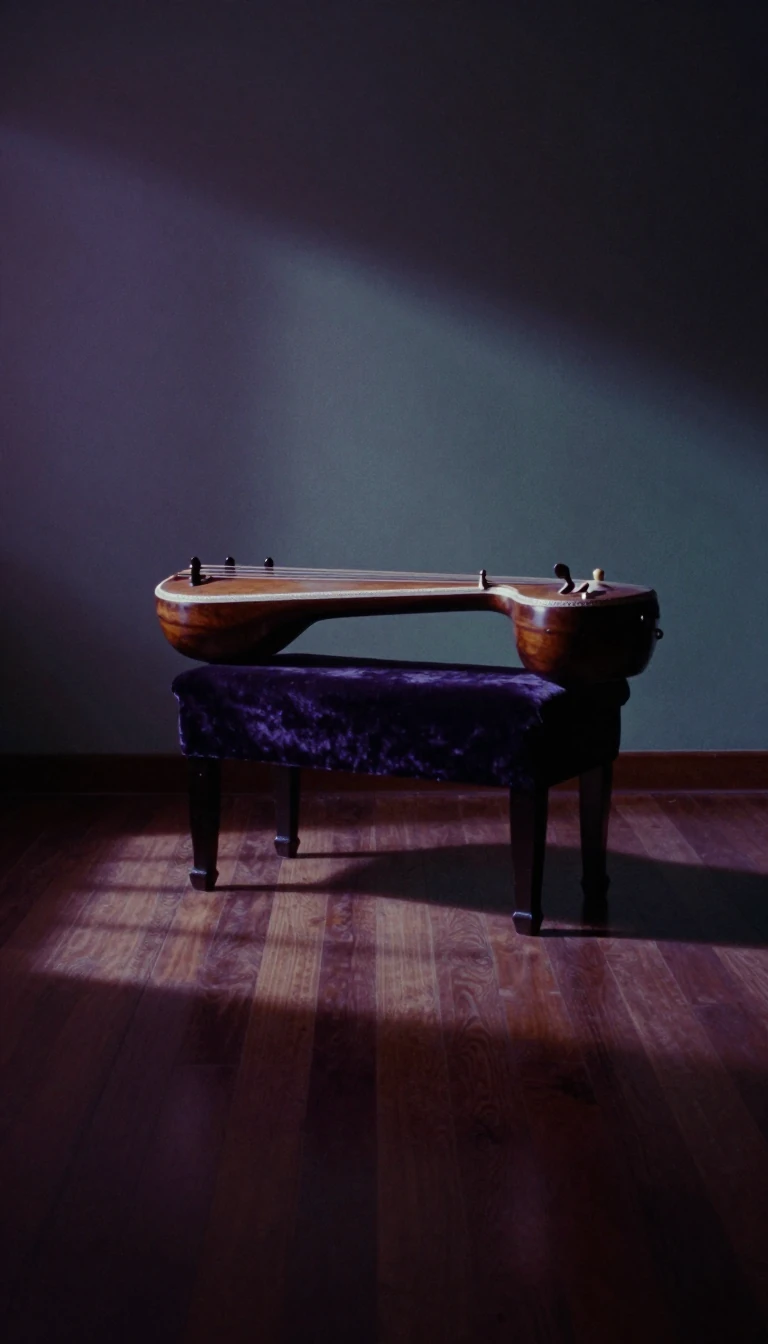 Eighteen-hour days forged a sarod master for the WestAli Akbar Khan’s father, Allauddin Khan, began lessons before dawn and could stretch them to eighteen hours. That Maihar discipline produced a sarod virtuoso who, invited to Ameri…
 A school choir request launched a Broadway empireAndrew Lloyd Webber was seventeen when Tim Rice, twenty, became his lyricist. Their biblical pop cantata for a London school choir—paid a hundred-guinea Novello advance—grew into …
 One Ipanema song helped a jazz album sweep GrammysAntônio Carlos “Tom” Jobim fused samba with cool jazz and helped invent bossa nova. His “Garota de Ipanema” has been recorded more than 240 times. When it anchored Getz/Gilberto i…
 Atlantic, not Columbia, unlocked the Queen of SoulAretha Franklin left Columbia owing the label money when her contract expired in November 1966. Producer Jerry Wexler brought her to Atlantic and leaned into the gospel fire her f…
- Torres’s fan bracing still defines the modern guitarThe guitar—usually six or twelve fretted strings, strummed or plucked against the body—grew from medieval Iberian cousins into Antonio Torres Jurado’s mid-nineteenth-century redes…
- One chamber holds both a blow reed and a draw reedThe harmonica—also French harp or mouth organ—is a free-reed pocket orchestra for blues, folk, jazz, country, and rock. On a typical ten-hole diatonic “blues harp,” twenty reeds s…
- Harmony is vertical sound meeting horizontal timeHarmony stacks pitches so they become chords, textures, and tonalities—then moves those stacks through time. Western theory obsesses over the blend, yet Carl Dahlhaus insisted har…
- Pedals turn one harp string into three pitchesA concert harp’s seven foot pedals do not just decorate the column. Each one retunes every string of one pitch class, so a single course of strings can sound flat, natural, or sha…
 Press a key, a quill plucks—volume never changesOn a harpsichord, how hard you strike the key barely matters. The jack rises, a quill or plastic plectrum plucks, and the note blooms at a fixed loudness. That mechanical honesty …
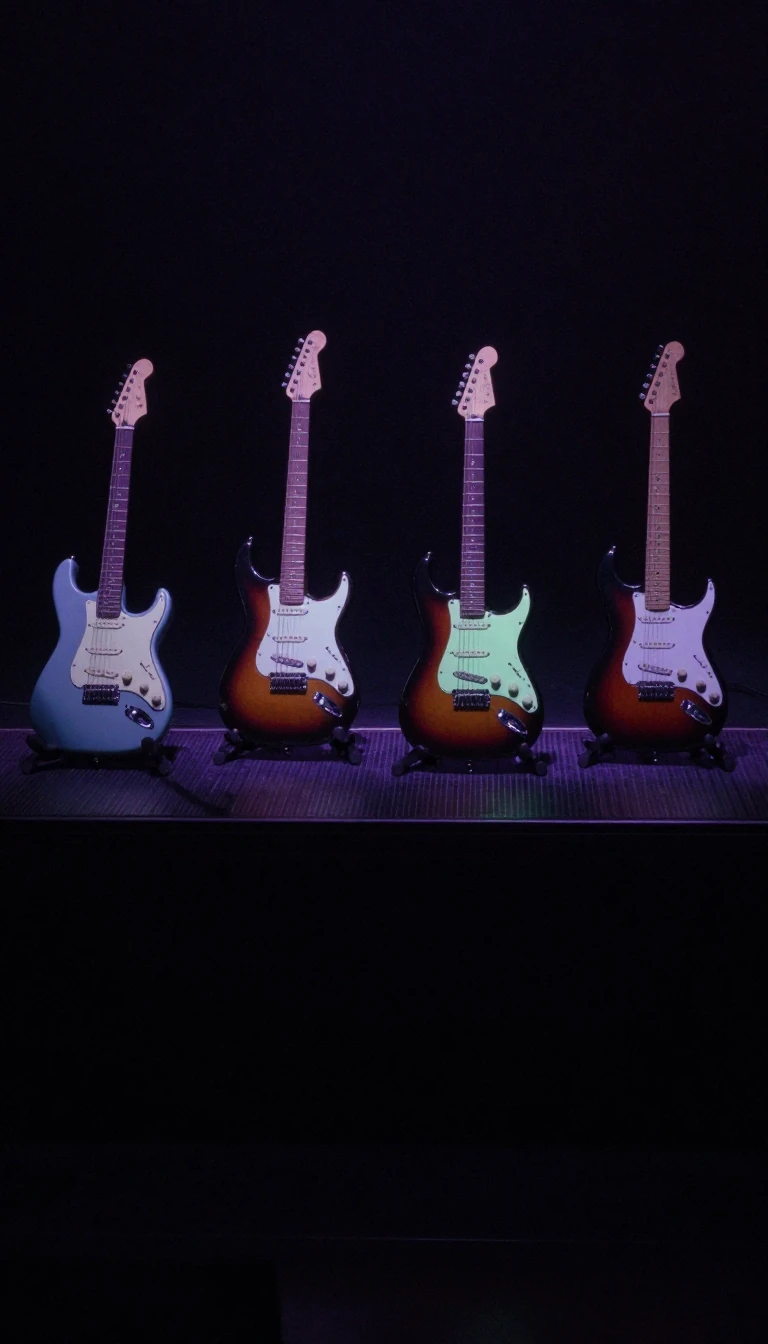 Metal’s ‘devil’ interval was once banned in theory booksHeavy metal grew from late-1960s blues-rock and psychedelia into a monument of distortion, solos, and sheer volume. One of its favourite intervals—the tritone, three whole tones s…
 Hip-hop began when Bronx DJs stretched the breakBefore the genre ruled charts, it was a block-party craft in the Bronx. DJs noticed dancers erupted during instrumental breaks, so they looped those passages—often from disco and …
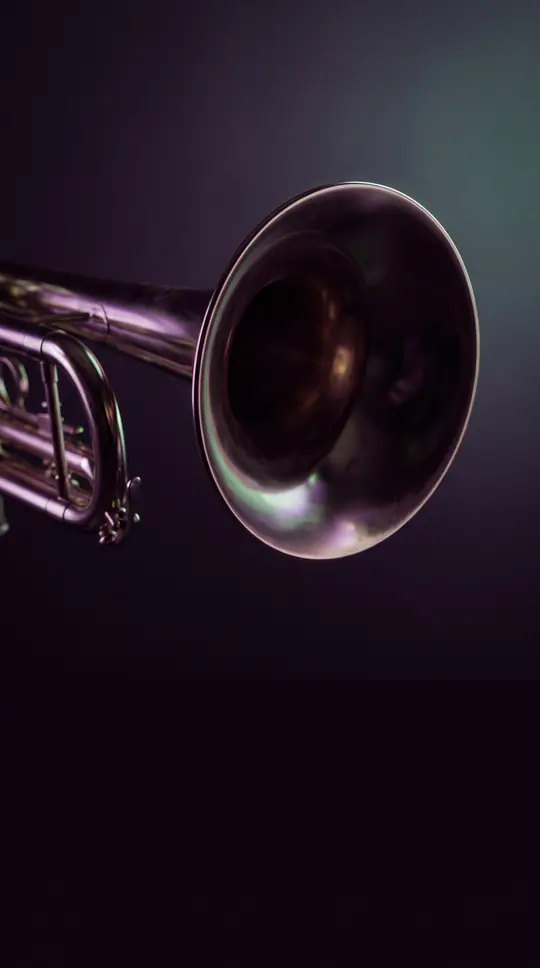 Valves made the horn fully chromatic—players still resistedAnimal horns came first: the Jewish shofar still is one. Metal tubes later copied that flare, yet for centuries players could sound only the harmonic series of a chosen length. Cr…
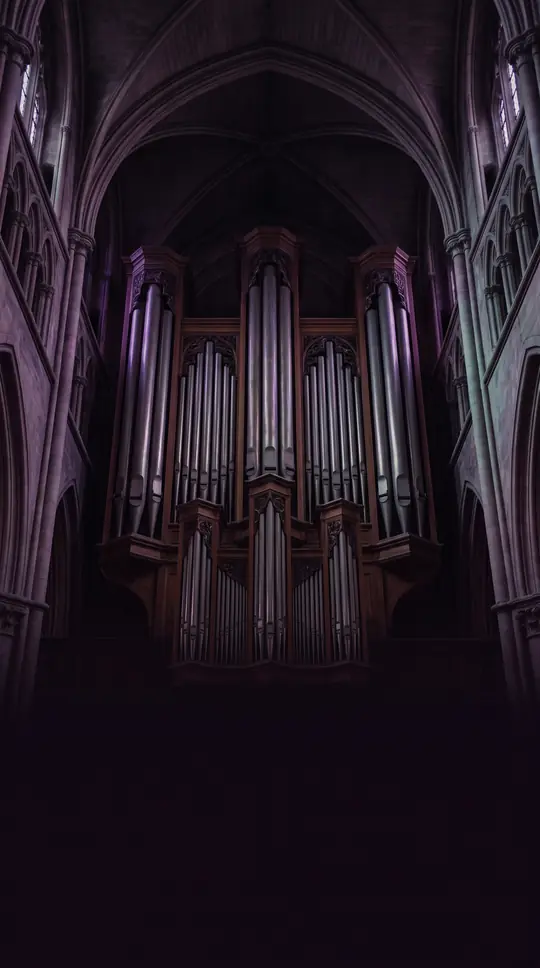 Before churches, hymns already filled kings’ tombsEnglish speakers often hear “hymn” and think Sunday pews. The Greek hymnos simply meant a song of praise, and some of the oldest notated melodies anywhere are Greek sacred texts. …
 Electrophones: sound born in circuits, not vibrating woodAn electronic musical instrument—musicology’s electrophone—makes sound with circuitry, sending a signal to an amp and speaker. Keyboards often control pitch, yet modern setups spl…
 Bone flutes from Ice Age caves still sound like beginningsA flute is an edge-blown woodwind aerophone: air splits across an opening and a column vibrates. Paleolithic examples from Germany’s Swabian Jura, tens of thousands of years old, …
 Folk once meant anonymous songs; then Dylan shared the nameFolk music covers both traditional songs passed by ear and the twentieth-century revival that turned “folk” into a popular genre. Definitions stress oral transmission, unknown aut…
 A fugue is a chase: one subject flees through many voicesFrom Latin fuga—“flight” or “escape”—a fugue is imitative counterpoint for two or more voices built on a subject that enters in imitation and keeps returning. Baroque composers tr…
 Funk put the weight on “the One” and freed the bassFunk arose in mid-1960s African American scenes as dance music that sidelined busy chord progressions for interlocking grooves: electric bass and drums locked in a hypnotic pocket…
 Psy’s horse dance made K-pop’s first true global smashReleased 15 July 2012 by YG Entertainment, Psy’s “Gangnam Style” mocked Seoul’s flashy Gangnam district lifestyle while riding a cheesy horse-trot dance. The video exploded online…
- Gregorian chant was a Carolingian remix, not Gregory’s soloGregorian chant is Western plainchant: monophonic, unaccompanied sacred song in Latin (sometimes Greek) for the Roman Catholic liturgy. Legend credits Pope Gregory I, yet scholars…
 Four-on-the-floor left the underground for Studio 54Disco grew from late-1960s Black, Latino, and Italian American nightlife in New York, Philadelphia, and Baltimore—a dance counterpunch to rock’s dominance. By the late 1970s its h…
 A goblet drum that can outshout a jackhammerThe djembe—a rope-tuned West African goblet drum played bare-handed—can exceed 105 dB at solo pitch, about as loud as a jackhammer. Mandinka players say a master “makes the djembe…
 Mozart finished Don Giovanni the night before Prague opened itIl dissoluto punito, ossia il Don Giovanni—Mozart’s K. 527, words by Lorenzo Da Ponte—premiered at Prague’s National Theatre on 29 October 1787, the ink barely dry from the day be…
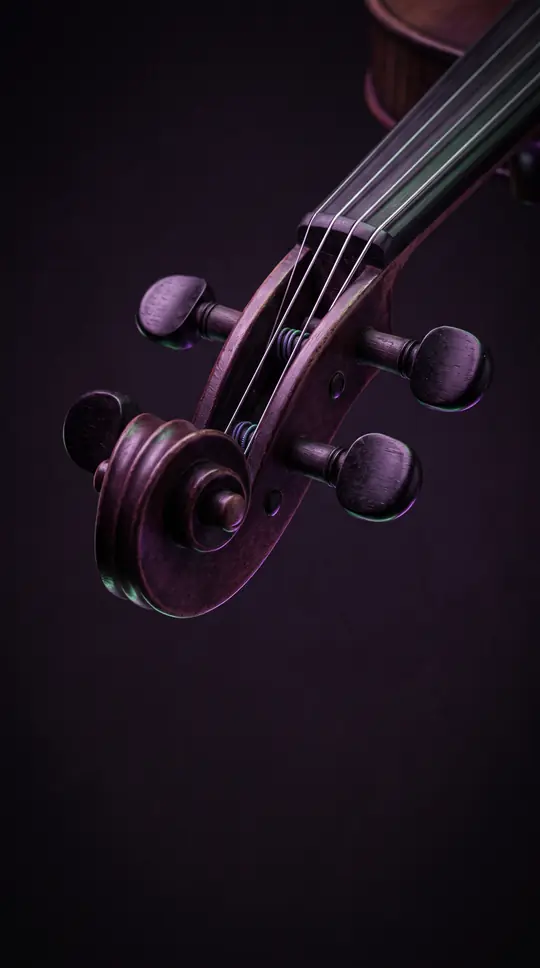 The orchestra’s giant is tuned in fourths, not fifthsThe double bass—also upright, contrabass, or bull fiddle—is the modern symphony’s largest, lowest regular string instrument. Alone among today’s bowed orchestral strings it is usu…
- A stretched skin over a hollow shell still rules rhythmClassed as a membranophone, a drum needs only one taut head struck by hand, stick, or pedal. That simple geometry—skin over shell—is among the oldest instruments humans keep using…
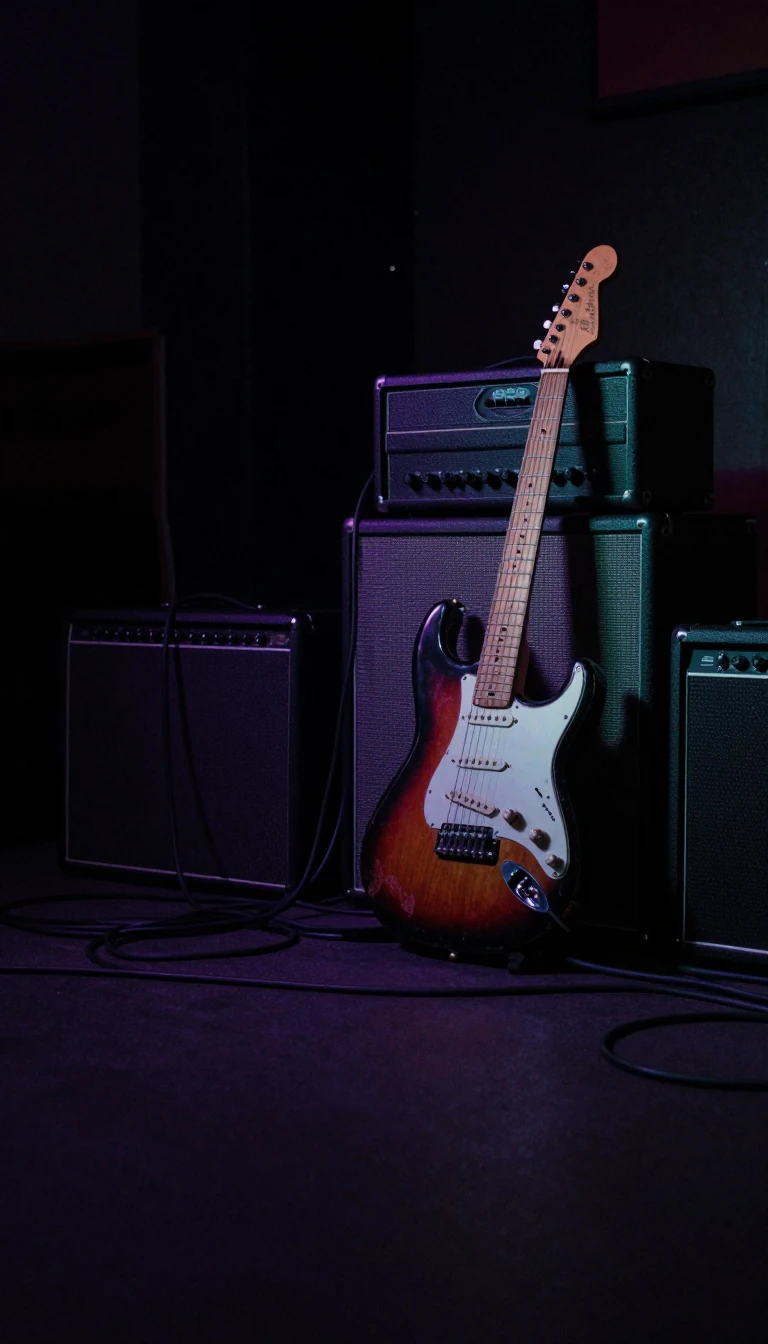 Pickups turned a quiet guitar into popular music’s engineUnlike an acoustic, an electric guitar needs amplification: pickups turn string vibration into signals for speakers. Born commercially in 1932 for jazz solos in loud bands, it bec…
- Club music’s DJ mix grew from dub desks and Roland boxesElectronic dance music—also called dance or club music—is a family of beat-driven electronic styles made for nightclubs, raves, and festivals. DJs string tracks into seamless mixe…
- From Telharmonium demos to Stockhausen’s tape studiosElectronic music covers genres built with circuitry, software, or computers—whether pure oscillators and synthesizers or electromechanical hybrids like the Hammond organ and elect…
- Chords began as accidents of singing linesA chord is two or more notes sounding together—yet until the Middle Ages "harmony" meant any pair, and Renaissance ears only slowly treated three-note stacks as the unit. Between …
- Christmas carols began as harvest party songsBefore they belonged to December churches, carols were communal festival songs for seasons like harvesttide. English examples surface in John Awdlay's 1426 list of twenty-five "ca…
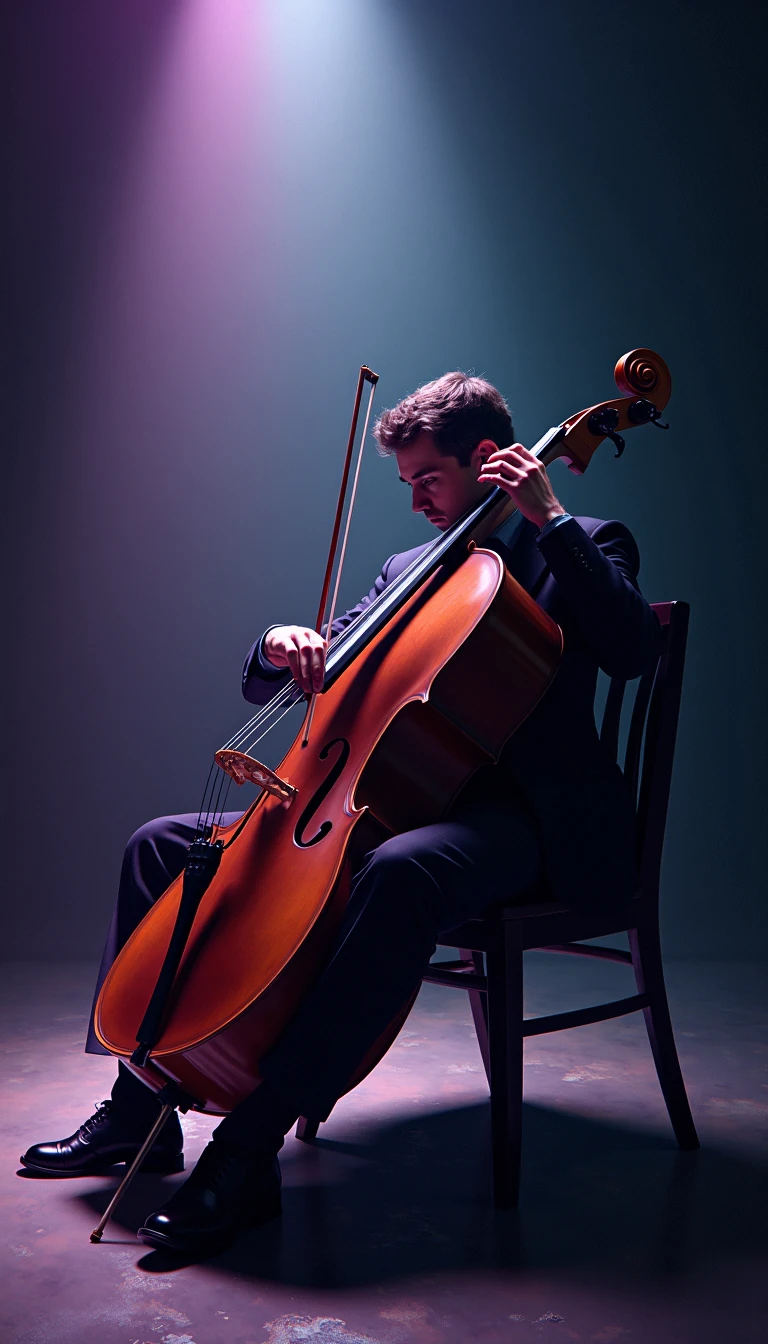 The clarinet’s overblown twelfth reinvented the reedAround 1700, Nuremberg maker Johann Christoph Denner (or his son Jacob) added a register key to the chalumeau. Unlike flutes that jump an octave, the new clarinet spoke a twelfth …
 “Classical” once meant Handel nights in London pubsWestern classical music is a written art tradition since at least the ninth century—yet the label "classical" as a performance canon first stuck in eighteenth-century England, whe…
- The Classical era traded fugal thickets for clear tunesRoughly 1750–1820, European art music shifted from Baroque layered counterpoint toward homophony: one singing melody over clear chordal support. Style galant prized light elegance…
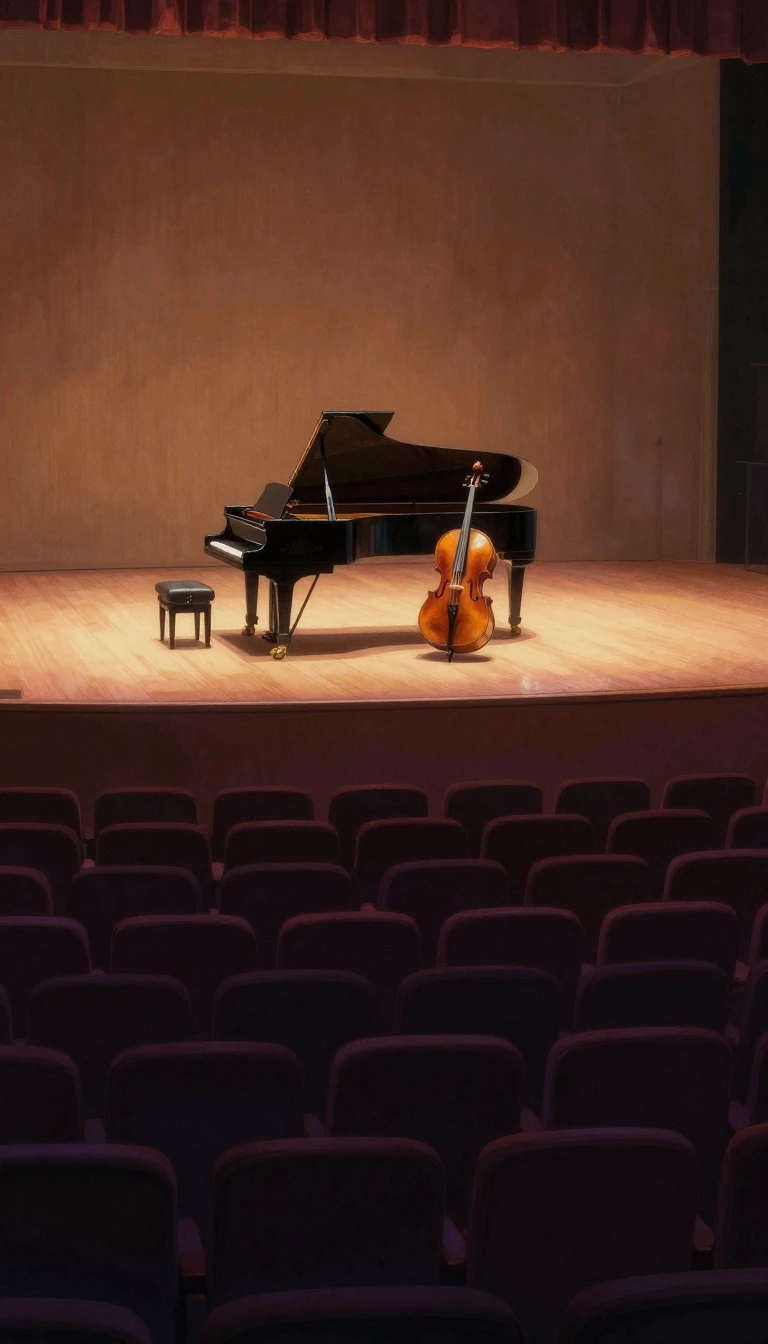 Ticketed concerts began in a London violinist’s roomsBefore discs and streams, live concerts were how most people heard musicians. The first known admission-charging shows opened at John Banister's Whitefriars home in 1672; six year…
- Concerto means battle: soloist versus the crowdFrom Latin concertare—to contend—the Italian concerto began as vocal music with independent instruments (title print 1587). By the late Baroque it meant soloist against orchestra,…
- After Webern, composers split: total control or none"Contemporary classical" once meant post-1945 music after Anton Webern—serialism, electronics, chance procedures, and minimalism. Some modernists ordered every musical parameter t…
- Counterpoint is melody arguing with melodyFrom Latin punctus contra punctum—"note against note"—counterpoint joins lines that depend harmonically yet stay free in rhythm and shape. Bach remains the touchstone; Mozart's Ju…
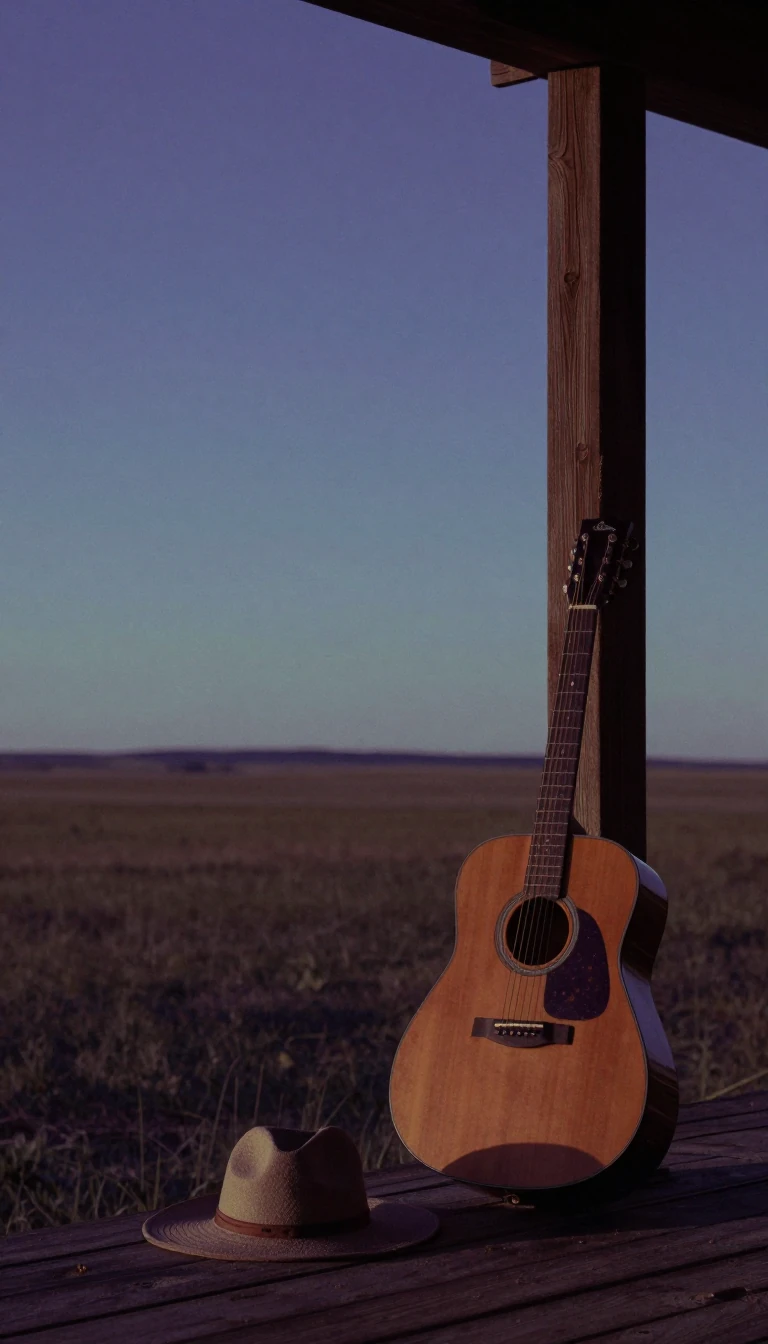 Country music was hillbilly until radio renamed itBorn in the American South from British Isles folk, Appalachian old-time, African American spirituals, cowboy ballads, and more, the style was sold as "hillbilly" until "country" …
- Cymbals once scared armies before they coloured symphoniesThin copper-alloy discs—usually indefinite in pitch—clash in war epics from the Shahnameh to janissary bands. By the mid-eighteenth century they sat in European orchestras; drum k…
 Fifteen hours, four nights, one cursed golden ringRichard Wagner spent roughly twenty-six years, from 1848 to 1874, writing both words and score for Der Ring des Nibelungen—four German music dramas he called a stage festival play…
- Bronze bells tune themselves like singing chordsA bell is a struck cup that rings as its own resonator—usually bronze “bell metal” of roughly four parts copper to one tin. Western founders chase harmonic tuning so hum, strike, …
- Blues grew from freedom songs, not just sorrowBorn among African Americans in the Deep South after slavery’s end, blues fused spirituals, work songs, and hollers into twelve-bar grooves, blue notes, and AAB verses. Historians…
 Queen’s mock opera nearly titled Mongolian RhapsodyFreddie Mercury built “Bohemian Rhapsody” as a five-part suite—ballad, opera, hard rock, coda—without a chorus. Recorded across five studios in 1975 with nearly 200 overdub tracks…
- Bossa nova is samba whispered on one guitarIn late-1950s Rio, João Gilberto thinned samba’s batucada onto nylon strings—thumb as surdo, fingers as tamborim—while Jobim’s harmonies and Vinicius lyrics cooled the groove. Jaz…