 Intellect Plus
Ecology
391 cards. Each one is a 40-second story with a five-minute read behind it. Page 7 of 7.
 Moth Larvae Use Head-Banging to 'Jump' for ShadeThe seemingly whimsical hop of the Mexican jumping bean has a precise, biological imperative. It is not a novelty; it is a survival mechanism. Discover how a larva engineers its e…
 The California floater mussel uses fish as a mobile nursery to survive and thriveMost bivalves lead sedentary lives, but the California floater mussel is a nomad. To reach maturity, its larvae must hitch a ride on a fish, clamping onto fins or gills to absorb …
- Meet the tiny, strange creatures shaping our world in surprising waysThis screening highlights the hidden lives of small organisms, from silk-spinning caterpillars to beach-cleaning crustaceans. You will learn how specific mites are deployed by dro…
 Why these zebra-striped sea slugs are the unsung heroes of our underwater meadowsEelgrass sea hares look like tiny, gelatinous blobs, but they are vital environmental cleaners. By grazing on algae that coats seagrass, they ensure sunlight reaches the plants, a…
 Why Yellowstone is considered one of the world's most spectacular remaining wilderness areasYellowstone National Park spans an area larger than some American states, serving as a sanctuary for diverse wildlife. This video highlights the park's status as a premier wildern…
 How the four seasons dictate the survival strategies of life across our planetEvery year, Earth undergoes a spectacular transformation as the seasons shift. From the frantic race for resources in spring to the final survival preparations of autumn, life mus…
 How a tiny fly uses a taste test to bypass plant defensesThose squiggly, pale marks on your arugula aren't just random patterns. They are the tracks of hungry larvae performing a high-stakes biological heist, navigating a landscape of t…
- Why Hermit Crabs Are Obsessed With Stealing Snail Shells for Their Soft BodiesHermit crabs are iconic tide pool scavengers, but their survival depends on a constant search for real estate. Because their abdomens are soft and vulnerable, these crustaceans re…
 Can autonomous technology drive ecological restoration instead of destruction?Impact investor Tom Chi explores a provocative new vision: using the same AI and robotics that power our economy to actively repair the planet. This video examines how advanced au…
 Two decades of witnessing the planet's most dramatic natural spectaclesCelebrate 20 years of iconic natural history. This compilation revisits the most striking footage from the Planet Earth series, capturing rare encounters and the raw power of the …
 The stunning, single-celled architects of our oxygen-rich atmosphereExplore the intricate beauty of diatoms, microscopic organisms that shape our world. This video reveals the breathtaking complexity of their glass-like structures and their vital …
 The terrifying, alligator-like transformation of the world's most beloved insectBefore they become the iconic, polka-dotted symbols of spring, ladybugs are actually prickly, miniature monsters. These tiny predators emerge from their eggs with an insatiable hu…
 The multi-thousand-mile mystery of the monarch butterfly migrationWitness one of the world's most iconic wildlife spectacles. Photographer Jaime Rojo explores the mesmerizing journey of monarch butterflies through Mexico's remote mountains and e…
- Reflecting on the survival of our species and the human nicheIn this special mailbag episode, the hosts of PBS Eons gather to look back at the history of life. They reflect on their own survival experiences and address audience questions re…
 Witnessing the profound process of ecological regeneration in BrazilExplore the vital work of restoring ecosystems through this National Geographic feature. This film examines the active efforts to build a lasting environmental legacy within the B…
 Your cells' power plants were once free-living bacteriaSymbiosis is not just clownfish and anemones. Biologists think it built the complex cell itself, when ancient bacteria were absorbed and became mitochondria and chloroplasts. Part…
 More than 80 percent of the world's species live in forestsForests shelter the great majority of known species, so clearing them wipes out homes on a vast scale while also feeding climate change. Deforestation is only one of many pressure…
 The word 'ecosystem' was coined on request, for a mentor, in 1935Ecosystem feels like an ancient idea, but the word first appeared in print in 1935. The British ecologist Arthur Tansley wanted a term for the traffic of materials between living …
 What exactly makes a species 'endangered'? The IUCN has hard numbersEndangered is not a vague alarm word. The IUCN Red List applies specific thresholds: a population down 20 percent in five years with fewer than 2,500 breeding adults qualifies, an…
 More than five billion species have already vanished from EarthExtinction is the normal fate of life: a typical species disappears within about 10 million years of first appearing, and over five billion have died out. What is unusual now is t…
 Bacterial spores survived being heated to 420 degrees CelsiusMicrobes turn up in sediment at 120 degrees Celsius more than a kilometre beneath the seabed, in a lake sealed half a mile under Antarctic ice, and at the bottom of the Mariana Tr…
- One butterfly lives on every continent but Antarctica; another needs antsA habitat is not just a place but a specific set of conditions one species needs. The small white butterfly thrives almost anywhere with mixed plants. The large blue butterfly is …
 Are wild horses in North America native or invaders? Scientists arguedHorses evolved in North America, spread into Eurasia, then died out in their homeland. When Spanish conquistadors brought them back, they returned to the continent of their ancest…
 A parasite, originally, was someone who ate at another person's tableThe Greek parasitos meant a dinner guest who fed at someone else's expense, a social insult long before it became biology. Today the word covers malaria protozoa, hookworms, lice,…
- Biologists use at least 30 words for a group of animalsPopulation sounds like the simplest idea in biology: a bunch of the same species living in one place. In practice, biologists disagree on the definition so often that more than 30…
 No country meets its people's needs within the planet's limits, experts saySustainability is everywhere in policy talk, yet some experts point out an awkward finding: no nation currently delivers what its citizens need without breaching the planet's biop…
- An ecological niche was named after the alcove that holds a statueNiche originally meant a recess in a wall where a statue stands, probably from a French verb meaning to nest. Ecologists borrowed it to describe a species' place in nature, and ha…
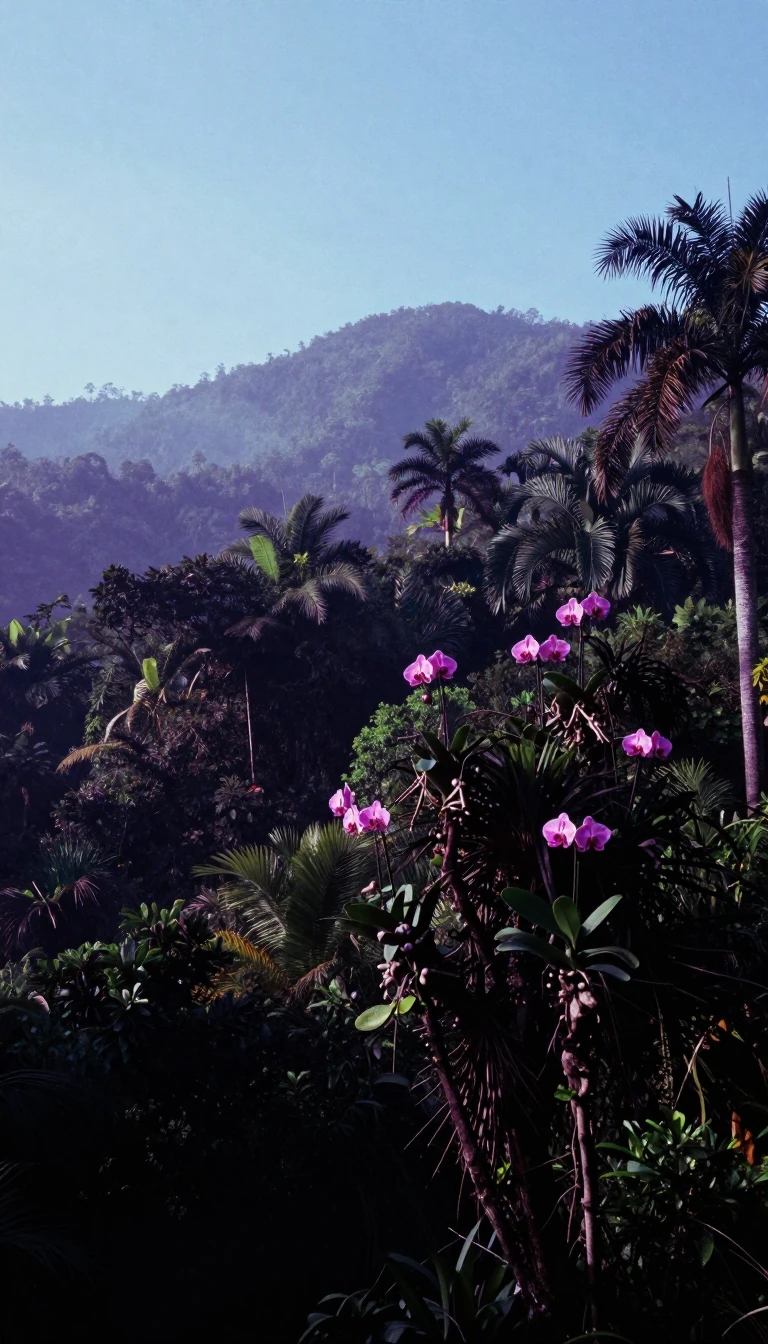 Tropical forests cover under a fifth of land but hold half of all speciesLife is spread very unevenly. Warm, productive tropical forests occupy less than one-fifth of Earth's land yet shelter roughly half its species. Scientists estimate around 8.7 mil…
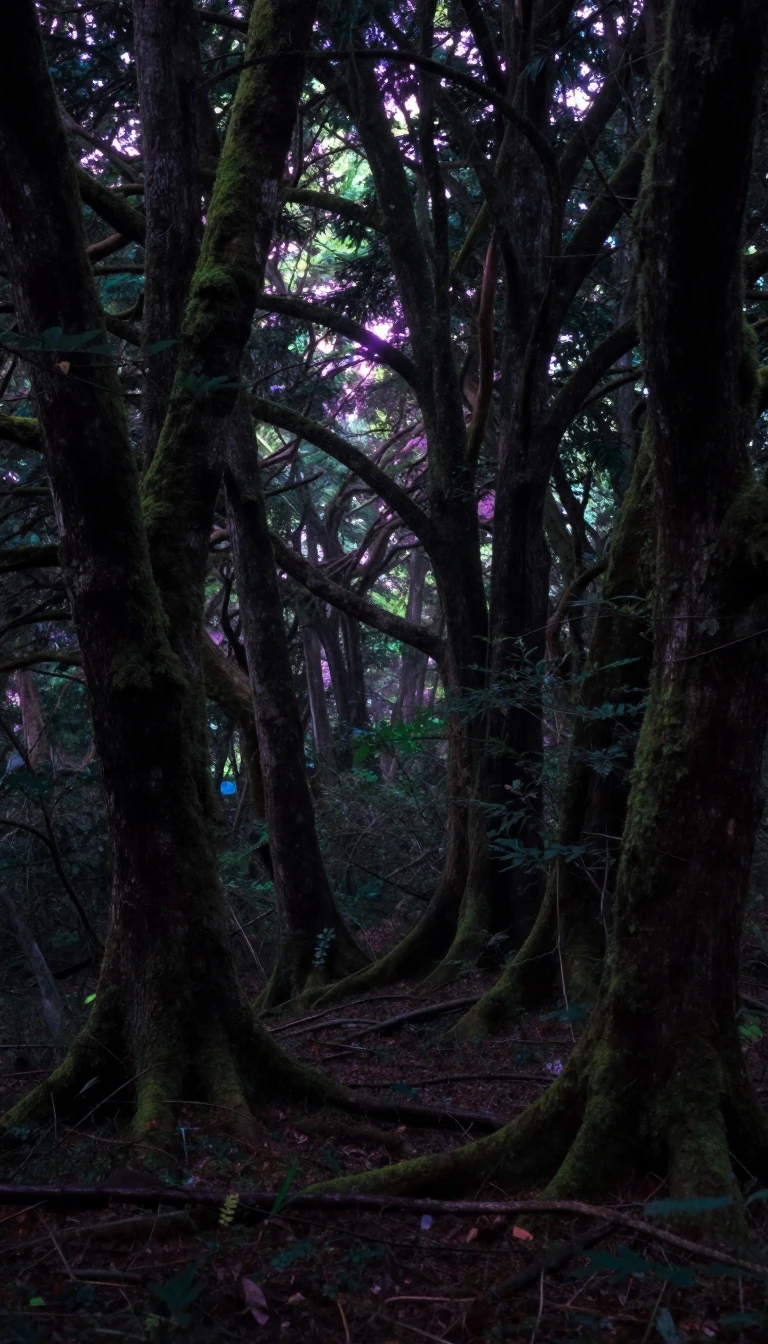 Biome boundaries are drawn arbitrarily, because nature refuses sharp edgesMaps show deserts, grasslands and forests as neat coloured patches, but real landscapes blend gradually from one to the next, with small-scale variation everywhere. Ecologists adm…
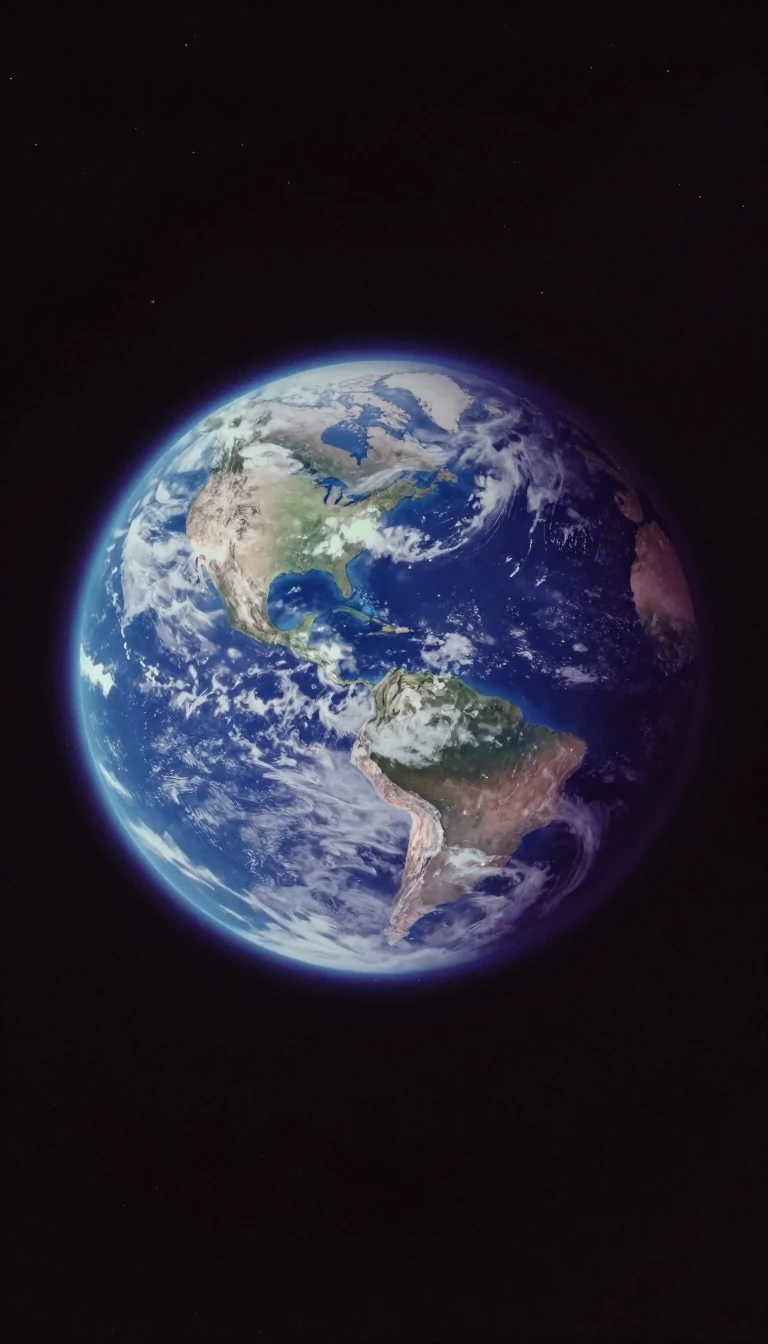 Earth holds more living cells than there are stars in the observable universeRoughly ten to the power of 30 cells are alive on Earth right now, a million times more than the estimated stars in the observable universe. Life fills this thin shell almost ever…
 Some ants win by blocking rivals' nest entrances with pebblesCompetition in nature is not always a head-on fight. The ant Novomessor cockerelli plugs the entrances of red harvester ant colonies with small rocks to stop them foraging, and ma…