 Intellect Plus
Ecology
391 cards. Each one is a 40-second story with a five-minute read behind it. Page 6 of 7.
 Climate change poses a pervasive threat to the structural basis of coastal ecosystemsA review of marine foundation species, such as corals, kelps, and mangroves, found that climate change is already severely impacting the organisms that provide the structural habi…
 Repeated droughts create a microbial memory that helps soil maintain its functionsA long-term field study in an Austrian mountain grassland found that recurrent droughts leave a lasting legacy on soil health. By comparing areas exposed to ten years of repeated …
 European butterfly populations and species richness have faced significant declinesA review of long-running monitoring data across Europe reveals a troubling trend for butterflies. Researchers found that in parts of the United Kingdom and the Netherlands, overal…
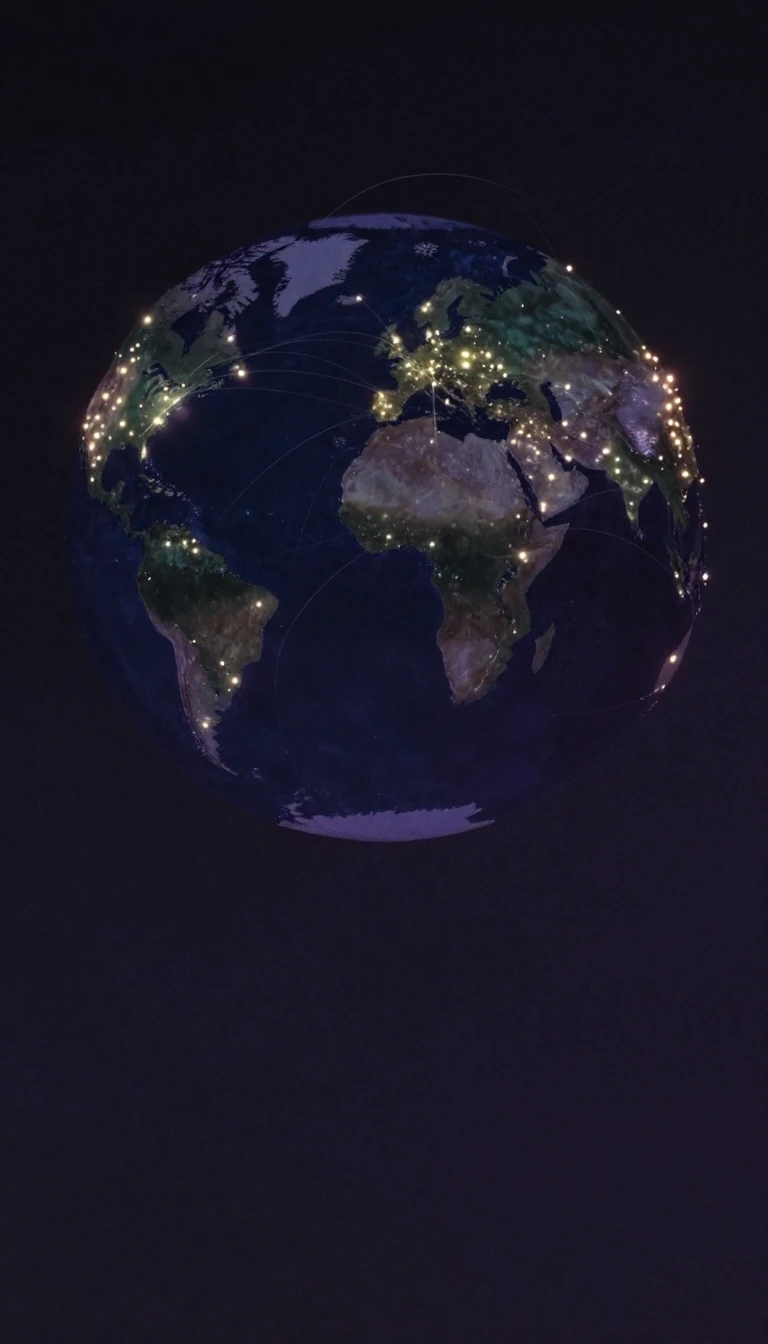 Most marine life shifts are moving in line with climate change trendsA large-scale meta-analysis of 1,735 marine biological responses found that between 81% and 83% of observations align with the predicted impacts of a changing climate. The study t…
- Agricultural intensification and climate change are driving rapid insect biodiversity lossA review of documented declines since the end of World War II found that the spread and intensification of agriculture is directly related to massive losses in insect biomass and …
 Witness the extraordinary ways wildlife adapts to Earth's most extreme environmentsExperience a cinematic journey through the world's most iconic landscapes. This 4K ultra-high definition footage captures the intense struggles and triumphs of animals across ever…
 How tortoises survive the sun's attempt to boil them aliveIn extreme heat, tortoises face a lethal threat: being boiled inside their own shells. This film follows their desperate mass migration to find shade and escape the sun.
 From Frozen Seas to Coral Reefs: Japan's Diverse Wild FrontiersExplore how wildlife and humans coexist across Japan's crowded archipelago. This BBC Earth journey reveals the country's surprising ecological range, from northern ice to subtropi…
 Why hippos are far more than just large, cuddly animalsExplore the hidden complexity of one of nature's most misunderstood creatures. This BBC Earth collection captures rare, dramatic moments that reveal the strength and intelligence …
 The brutal reality of survival on the Serengeti plainsWitness the high-stakes struggle for life in the Serengeti, where newborn wildebeest face immediate threats from the world's densest predator populations.
- Witness the powerful forces and perfect adaptations of the natural worldExperience high-definition footage of animals navigating extreme environments. This collection, featuring scenes from A Perfect Planet, showcases how life survives against the wor…
 Bees provide a massive economic and nutritional foundation for global agricultureA review of agricultural systems found that animal-mediated pollination is a cornerstone of global food security. Specifically, crops pollinated by bees account for about a third …
 Why Indigenous groups are fighting fire with fire to save the American WestFor decades, government policy focused on total fire suppression, famously championed by Smokey Bear. Today, as climate change intensifies wildfire seasons, Indigenous tribes in t…
 Scaling Guyana's Tepuis: A Quest to Discover Life on Isolated Sky IslandsBiologist Bruce Means leads an expedition to the summit of Weiassipu, a remote tepui in Guyana. This journey explores how teams of climbers and indigenous guides navigate sheer cl…
 How a vital river ecosystem struggles with the heavy burden of plastic wasteFollow a local fisherman navigating the Ganges to understand the complex relationship between his community and the plastic nets they rely on. This National Geographic expedition …
- Hidden peatlands in the Angolan Highlands are vital to the Okavango River Delta's health.Scientists surveying the Angolan Highlands have uncovered peat deposits that act as a natural filtration system for the Okavango River Delta. This video explores the ecological si…
 What happens when a fungal expert and a chef explore old-growth forests together?Fungal ecologist Korena Mafune joins chef Melissa King in the old-growth forests of Olympic National Park to hunt for wild mushrooms. This excursion highlights the intersection of…
 Are the penguins of Georgia Island safe from their dangerous neighborhood predators?This documentary explores the precarious lives of penguins on Georgia Island. It examines the threats posed by their local neighbors and questions whether their nesting grounds ca…
 Why the humble banana slug is a master of chemical warfareThe banana slug survives the redwood forest floor without a shell by utilizing a sophisticated, multi-purpose slime. This video examines how this liquid crystal ooze functions as …
 Tiny ocean drifters fuel a global explosion of life that sustains us all.Plankton are often viewed as simple, wandering organisms. However, when ocean currents and winds align, these tiny drifters create a massive surge of vitality that impacts life ac…
 Listen to the rare and elusive maned wolf roaming the South American grasslandsExperience the natural soundscape of South America through an immersive audio journey. This video highlights the maned wolf, a rare and elusive creature, offering a moment of calm…
 Why do elusive snow leopards risk approaching human villages in the dead of winter?Snow leopards typically avoid human contact, but extreme winter weather forces them into lower altitudes. This video explores the desperate reality of life in high-altitude mounta…
 How the annual cycle of four seasons dictates the rhythm of life on EarthThis video explores the dramatic transformations across the planet as seasons shift. From the frantic awakening of spring to the survival strategies required for winter, it reveal…
 How giant snails maintain the health of South America's vast Pantanal wetland ecosystemExperience the immersive soundscape of the Pantanal, a tropical wetland in South America. This video highlights the vital role giant snails play in sustaining this environment, of…
- Experience the auditory landscape of the world's largest tropical wetland, the Pantanal.Immerse yourself in the natural soundscape of the Pantanal. This collection captures the ambient environment where jaguars, snakes, and rodents coexist, offering a unique auditory…
 Yellowstone: The volcanic wilderness that rivals the plains of Africa in wildlife diversityExplore the dramatic lives of Yellowstone's iconic inhabitants in this look at the world's first national park. Spanning over 3,000km, this vast landscape sits atop an active volc…
- How do rare animals survive in Asia's most extreme and crowded environments?BBC Earth filmmakers document the hidden behaviors of Asia's rarest wildlife. From glowing organisms navigating urban Mumbai to red pandas inhabiting the high Himalayas, this foot…
 Discover the vast ecological range hidden within India's diverse mountain and forest landscapes.This video explores the remarkable variety of India's natural environments, stretching from the high-altitude floral landscapes of the Himalayas to the lush tropical forests found…
 How wildlife survives the intense, fleeting summer season in Yellowstone National ParkYellowstone experiences a summer that is as brief as it is demanding. This video examines the specific survival strategies employed by butterflies, hummingbirds, and pikas as they…
 How the annual thaw in Yellowstone triggers a massive, life-sustaining predator showdownAs winter recedes in Yellowstone, the emergence of billions of insects initiates a dramatic ecological chain reaction. This video documents the intense struggle for survival as ap…
 How humans and predators share the landscape along the sacred Ganges RiverThis BBC Earth feature explores the precarious coexistence between local communities and wildlife near the Ganges. It highlights the daily struggle for survival where humans and p…
 Discover the diverse and dramatic wildlife found across the unique landscapes of JapanExplore the natural wonders of Japan in high-definition, from playful monkeys interacting with local agriculture to the elegant displays of red-crowned cranes. This visual journey…
 What happens when lizards approach a lion's feast?Witness the unexpected scavengers that emerge during a predator's meal. This footage from the 201s series 'Africa' captures the intricate interactions between lions, flies, and li…
 Why nations rich in natural resources often struggle to achieve lasting economic prosperityThe resource curse suggests that countries blessed with abundant natural wealth often suffer from slower economic growth, increased corruption, and higher rates of conflict. While…
 Smog is a toxic cocktail of sunlight, chemistry, and trapped urban pollution.Smog is more than just dirty air; it is a complex atmospheric reaction. Whether it is the winter haze of coal-burning cities or the summer photochemical smog triggered by sunlight…
- Two rival lemur troops fight for survival in a shrinking Madagascar forestIn a small protected reserve in southern Madagascar, two distinct ring-tailed lemur troops compete for limited resources. This video examines the territorial conflict between the …
- Can the Japanese concept of Satoumi reshape our relationship with the ocean?This National Geographic feature explores Satoumi, a traditional Japanese approach to marine stewardship. By examining how local communities interact with coastal environments, th…
- Regenerative agriculture is about restoring the living systems that sustain our food supply.This video explores how regenerative farming practices are being implemented at Waitrose Farms. It highlights the shift from focusing solely on crop yields to actively rebuilding …
 What defines rarity in a world where organisms vastly outnumber human beings?In the microcosmos, populations shift rapidly, with the contents of a single pool of water changing from day to day. This video explores the elusive definition of rarity among mic…
 Nature's grim reapers: five animals that thrive on the cycle of decay and death.This compilation explores five distinct species that play essential roles in ecosystems by interacting with death. From scavengers to predators, these creatures demonstrate how mo…
- Why the invasive spotted lanternfly is a destructive guest in our ecosystemsSpotted lanternflies are bold, invasive insects that hitchhike on human transport to spread rapidly. This video explores their impact on trees and crops, the damage caused by thei…
 Why do so many creatures evolve to look like aggressive green tree ants?Green tree ants are fierce, territorial insects found across tropical forests from India to Australia. Their reputation for aggression is so formidable that various other species …
 Witness the extraordinary survival stories of wildlife across Japan and China in 4KThis showcase of high-definition footage highlights the diverse ecosystems of Japan and China. From ancient forests to rugged coastlines, it captures the unique behaviors of anima…
- How invasive yellow crazy ants overwhelm native red crabs with chemical warfareThis footage captures a brutal confrontation between two species on Christmas Island. It highlights the devastating impact of invasive yellow crazy ants, which utilize chemical at…
 Why Appalachian salamanders are the ultimate indicators of our environmental healthCaretakers from the Smithsonian's National Zoo venture into the Appalachian wilderness to study diverse salamander populations. This exploration reveals why these amphibians are e…
 Why these small, charming lizards are changing our understanding of evolutionary biologyAnoles are more than just charismatic reptiles. Found throughout the American and Caribbean tropics, these lizards have become essential model organisms for scientists studying ho…
- Why Caribbean islands serve as the ultimate outdoor laboratories for evolutionary researchAnole researchers use small Caribbean islands as controlled environments to study evolution and ecology. This video explores why these islands are ideal for observing species inte…
 How do isolated island ecosystems drive rapid evolutionary changes in lizard populations?Researchers are studying anoles on islands to understand how environmental factors like diet, habitat, and predation pressure trigger behavioral and physical adaptations. This vid…
 Why following scavengers is the golden rule for finding Montana wildlife actionWildlife expert Casey Anderson reveals his strategy for locating activity in the Montana wilderness. By tracking ravens and magpies, he discovers how these birds act as natural in…
 How leveeing the Mississippi River is destroying Louisiana's vital wetlands and bird habitats.Albertine Kimble, a lifelong resident and duck hunter in Plaquemines Parish, explains the environmental consequences of altering the Mississippi River's natural flow. Through her …
- How human environmental changes forced mosquitoes to evolve into our specialized urban pestsSix millennia ago, an ecological shift in Africa's Sahel region triggered a transformation in mosquito behavior. This video explores how environmental changes drove these insects …
- Can a single dandelion really influence the outcome of a massive flood?This video explores the concept of the butterfly effect through the lens of nature, questioning how small, seemingly insignificant elements like a dandelion might contribute to la…
 How Andean bears act as the secret architects of the Amazon rainforestFollow the journey of water from the Andes to the Atlantic in this exploration of the Amazon. Discover how scientists and local guides are tracking elusive wildlife to understand …
- What happens when a river becomes the lifeblood of an entire ecosystem?National Geographic explores the vital role of rivers in sustaining life and environments. This video highlights the intricate connections between natural water systems and the wo…
- Why the world's hottest reefs are struggling to survive extreme environmental conditionsThe Gulf is home to magnificent coral reefs that face a precarious future. This video explores the intense environmental pressures threatening these underwater ecosystems, reveali…
- Tiny crustaceans often serve as living landscapes for other microscopic organisms to inhabit.Copepods are small crustaceans found in oceans and lakes that sometimes act as mobile surfaces for other life forms. This video explores how these creatures function as both indep…
- The vicious, microscopic world of predators and preyStep into a hidden realm where organisms, mere fractions of a millimeter in size, act as both residents and food in a relentless cycle of predation.
- The hidden world thriving in the tiny gaps between grains of sandSand is more than just beach debris. It is home to a microscopic ecosystem of single-celled organisms known as interstitial ciliates. This video examines the composition of sand i…
 How a tiny beetle forces a mighty pine tree into a sticky, fatal standoffWhen western pine beetles bore into a ponderosa pine, the tree fights back with a sophisticated internal plumbing system. It floods the invaders with viscous resin, hoping to trap…
- How millions of migrating salmon act as a vital fertilizer for coastal forestsEvery year, millions of salmon leave the ocean to swim upstream, spawn, and die in ancestral forest streams. While this migration is famous for its difficulty, scientists have dis…