 Intellect Plus
Ecology
391 cards. Each one is a 40-second story with a five-minute read behind it. Page 4 of 7.
 The devastating power of nature's smallest and most destructive swarmsSmall size does not equate to small impact. This video explores how insects and arachnids coordinate to exert massive, destructive force on their environments.
 Global wildfire risk is rising as climate change dries out vegetation fuelResearchers analyzing global fire data found a widespread drying trend in vegetation moisture across various regions. By examining burned areas and weather patterns from 1979 to 2…
 The nocturnal glider that helps forests breathe through fungiThe northern flying squirrel is more than just a nimble acrobat of the North American taiga. By consuming specific underground fungi, these nocturnal rodents act as essential ecol…
 The Big Thicket: A biological crossroads of 2 to 3 million acresImagine a landscape where southeastern swamps, central plains, and dry sandhills collide. This isn't just a forest; it is an American ark. The Big Thicket of Texas serves as a bio…
 Climate change may flip wetlands from carbon sinks to emission sourcesA review of experimental wetland research found that rising temperatures and altered water levels could fundamentally change how these ecosystems function. While wetlands typicall…
 Wildlife are increasingly shifting their active hours to avoid human presenceA global meta-analysis of 76 studies involving 62 different species found that human activity significantly alters the daily schedules of wildlife. The researchers discovered that…
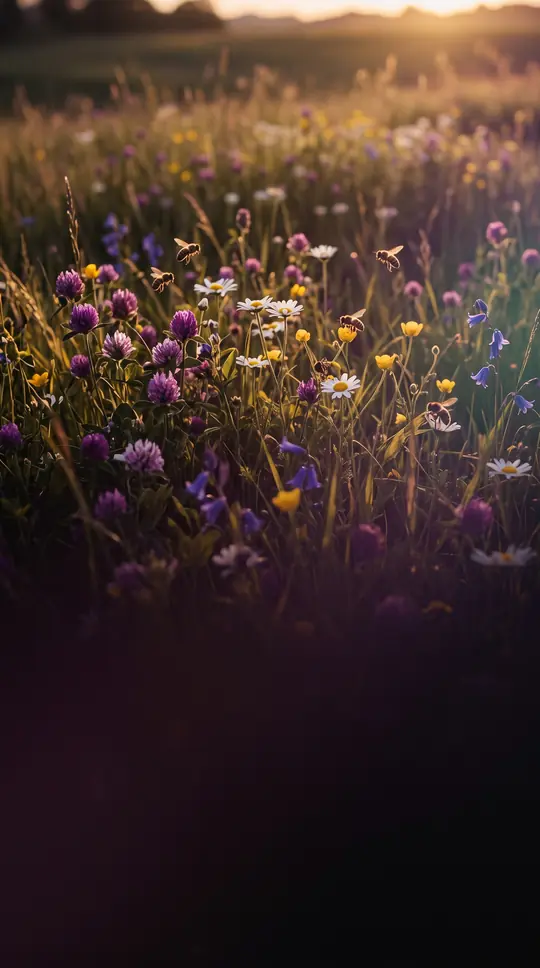 Bee community composition in the northeastern US shifts as specific traits face declineResearchers analyzing over 140 years of museum records for 438 bee species in the northeastern United States found that while overall native species richness has only slightly dip…
 Human consumption and population growth have created a global environmental crisisResearchers have highlighted how the unprecedented rise in human population and consumption during the 20th century has triggered environmental crises unlike any seen in human his…
- Biodiversity acts as a shield for kelp forests against environmental collapseA review of kelp forest ecosystems found that high biodiversity provides a critical buffer against deforestation. While overfishing of apex predators often triggers sea urchin pop…
- Kelp forests respond to global change in diverse regional waysResearchers conducted a global analysis of kelp forest trends over the last 50 years to understand how these productive ecosystems are shifting. They found that kelp abundance doe…
 How coastal reefs balance life and algae in North CarolinaIn the intertidal zones of the North Carolina coast, oysters act as more than just shellfish; they are architects of the seafloor. By creating hard surfaces in soft sediment, they…
- The hidden ecological cost of an invasive fruit treeIn the forests of Mauritius, a single invasive species is quietly dismantling the island's natural regeneration system. While it may look like a lush woodland, the Strawberry Guav…
 Some seeds only germinate after a trip through an animal's gutFor many plants, fruit is a bribe for transportation. By offering sugary pulp, they trick animals into carrying their offspring away from the parent tree. But for some species, th…
 The stars are disappearing behind a veil of human-made lightAstrophysicist Kelsey Johnson explores why our artificial glow is erasing the night sky and how it disrupts life on Earth. She offers five simple actions anyone can take to help r…
 Exploring the complex web of life within the Pacific OceanThis BBC Earth feature explores the intricate dynamics of the Pacific Ocean's food chain, revealing how a dense and complicated ecosystem supports a vast array of marine life.
 The wolf that transformed the American landscapeThis video explores the life of Lobo, a wolf whose existence and impact fundamentally altered the American ecosystem.
 How human waste has become a lifeline for the raccoonIn this segment from BBC Earth, David Attenborough explores the remarkable adaptability of the raccoon, an animal that has learned to thrive by scavenging through human garbage.
 Why plankton are the most vital organisms on our planetIn celebration of World Oceans Day, this BBC Earth feature explores the essential role plankton play in sustaining life on Earth and examines why these tiny organisms are so funda…
 Can planting a trillion trees actually save our planet's biodiversity?Ecologist Thomas Crowther's research sparked the UN's massive Trillion Trees Campaign, but reforestation is not a simple fix. While restoring ecosystems is vital for reviving a da…
 The hidden microscopic architects of a balanced planetFrom the human gut to scorching deserts, every environment on Earth relies on a microbiome to maintain health. This video explores how these diverse microorganisms could be the ke…
- Why the death of individual plants is vital for survivalExplore the complex process of ecological succession and discover how scientists map climate history by analyzing tree rings and the molecular composition of leaf pigments.
 How nature thrives within the concrete expanse of London's urban jungleThis film explores how wildlife has adapted to survive in a man-made environment. Watch a London gamekeeper navigate a tense encounter with a crying fawn and its protective mother…
 How do lions survive in the harsh Namib Desert?Witness two lions attempting to hunt a herd of skittish oryx. This footage explores how these predators endure and thrive within one of the most unforgiving desert environments on…
- How isolated ecosystems shape the world's most extraordinary wildlife and culturesThis video uses drone footage to survey three iconic island chains. Witness the dramatic landscapes of Madagascar, Borneo, and Hawaii to see how being cut off from the mainland cr…
- Witnessing the raw, unscripted struggle for survival in Earth's last untouched frontiersGo behind the scenes of the Eden: Untamed Planet series to see how filmmakers capture the intense, life-and-death battles occurring in the world's most isolated ecosystems.
 When declining fish stocks turn neighbors into predatorsWatch how a shortage of food forces a brutal shift in the natural order. This sequence captures the moment cape gannet chicks become a primary food source for local pelicans.
 The hidden biological transition from life to decayWitness the rapid biological breakdown of a Savannah monitor lizard. This time-lapse captures the transition from carcass to earth over the course of a single month.
- How a single water source reshapes the African savannahIn a water-stressed region of Tanzania, a specially engineered waterhole is providing a front-row seat to one of nature's most dramatic spectacles. This video captures the raw dyn…
 The delicate balancing act that turns a tinderbox into a cradleThe Sergenti grasslands receive twelve hours of solar energy every day, creating a landscape primed for fire. Yet, this volatility is part of a sophisticated planetary mechanism. …
 Can a farm ecosystem support five different species of owls?Explore the delicate balance of biodiversity at Five Owl Farm. This footage examines how five distinct owl species coexist and whether they can withstand the pressure of a new env…
- Is the cassowary truly the world's most dangerous bird?Standing five and a half feet tall with five-inch talons, the cassowary looks like a living dinosaur. While its lethal kick has earned it a Guinness World Record title, experts su…
 An invasive species is dismantling a crab utopiaFor millions of years, Christmas Island served as a peaceful haven for local crabs. This video captures the dramatic shift as an invasive predator disrupts this ancient balance, s…
- Life as nature intended in Earth's last untouched EdensExplore a world shielded from human interference. This footage takes you inside a cave teeming with cockroaches to witness a delicate ecosystem that remains largely unchanged by t…
 Forests are our primary defense against a warming atmosphereThis BBC Earth feature explores the critical role forests play in regulating our climate. It examines why preserving these ecosystems is one of our most vital strategies for manag…
 Extreme wildfires are becoming more frequent and intense across the globeWhile the total area burned on Earth may be declining, the energy behind individual fires is changing. Recent satellite data reveals that the most extreme wildfire events are occu…
 The invisible threshold where climate change becomes irreversibleThis film explores the concept of tipping points—the specific moments when slight warming triggers permanent environmental damage. It combines expert analysis with personal testim…
 The unexpected intelligence and vulnerability of Africa's river giantsIn Botswana's Okavango Delta, hippos must navigate a world of extreme shifts, moving from deep floodwaters to parched dust. This film uses rare underwater footage to explore how t…
- What happens to the wild when humans finally leave?Explore a forgotten private island in Scotland where nature is reclaiming the ruins of human industry. This journey reveals how wildlife adapts to and inhabits spaces once dominat…
- Nature Reclaims the Ruins: Tracking the World's Fastest AnimalExplore what happens to our industrial scars when humanity retreats. This journey into an abandoned quarry reveals how wildlife, including the world's fastest animal, adapts to an…
 Nature's reclamation: what happens when we leave our ruins behind?Wildlife filmmaker Dan O'Neill and zoologist Yussef Rafik explore the transition from industrial decay to wild habitat. This video captures the unexpected inhabitants of a disused…
- How Africa's vast peatlands act as a vital shield for the planetThe Congo Basin's peatlands serve as one of the Earth's most effective carbon sinks. This video explores why protecting these swamps is essential for the climate and how economic …
 A single teaspoon of soil contains more life than the human populationBeneath your feet lies a hidden universe of biological complexity. Far from being lifeless dirt, soil is a miracle material teeming with microorganisms that produce our medicines,…
- How can coastal communities survive the rising risks of climate change?With nearly 40 percent of the global population living near a coast, building resilience is a critical challenge. This video explores how a tailored mix of solutions—from restorin…
- Our separation from the natural world is a modern inventionFilmmaker Damon Gameau explores how humanity's perception of itself as superior to nature has fueled industrial progress while simultaneously pushing the planet toward an ecologic…
 Evolution is no longer a slow crawl; it is now sprinting.We often view evolution as a process spanning millions of years, but nature is currently accelerating to keep pace with human civilization. This video explores how species are rap…
- Discover the resilient life thriving within Mexico's coastal desertsThis film explores the coastal deserts of Baja California, a landscape defined by its unique biodiversity. Witness the striking coexistence of desert flora and fauna in one of the…
 How monsoon floods turn the Ganges delta into a bird sanctuaryDuring the monsoon season, the Ganges River overflows, flooding the surrounding wetlands. This video explores how these seasonal floods create vital habitats for wild birds and pr…
- Where salmon abundance brings fishermen and brown bears togetherExplore the remote landscapes of Hokkaido, a Japanese island where the seasonal arrival of salmon creates a shared, high-stakes environment for both humans and wildlife.
- Why a thriving parasite population might signal a healthy oceanParasites are often viewed as villains of the natural world, but in the deep sea, they may serve a vital ecological role. This video explores the bizarre life cycles of deep-ocean…
- Witness the extraordinary wildlife inhabiting our seven continentsTravel across the globe to encounter rare and dramatic natural encounters, from kidnapped macaques to bats navigating crocodile-filled waters.
- How roaming giants and forest dwellers ensure the next generation of plantsElephants and orangutans do more than just inhabit the wild; they are essential architects of the landscape. This video explores how their daily movements and feeding habits facil…
 How nitrogen-rich golf courses are attracting unexpected visitorsWitness the unusual intersection of sport and wildlife as kangaroos discover a nutrient-dense sanctuary. This video explores how human maintenance of golf course turf creates a un…
- How tiny ants protect trees from massive giraffesDiscover the bizarre and essential connections that sustain our planet. This video explores how specific tree species use tiny guests to ward off large herbivores like elephants, …
- Beyond the Cuddly Exterior: The Hidden Power of the HippoWhile they may appear docile, hippos are formidable and intelligent architects of the African waterways. This video showcases rare and dramatic moments that reveal their true stre…
 How a failed 1946 fur trade experiment created a massive ecological disaster in PatagoniaIn 1946, Argentina introduced 20 Canadian beavers to Tierra del Fuego to spark a fur industry. The trade never materialized, but the beavers thrived in an environment devoid of na…
 How a stowaway snake turned Guam into a silent, birdless ecological graveyardAfter World War II, the brown tree snake hitched a ride to Guam, where it found an island paradise with no natural predators. The resulting population explosion decimated native b…
- The beautiful flowering shrub that is both a global pest and a furniture materialLantana is a genus of roughly 150 species that captivates gardeners with its shifting, multi-colored blooms. Yet, this same plant is a notorious invasive weed across the globe, to…
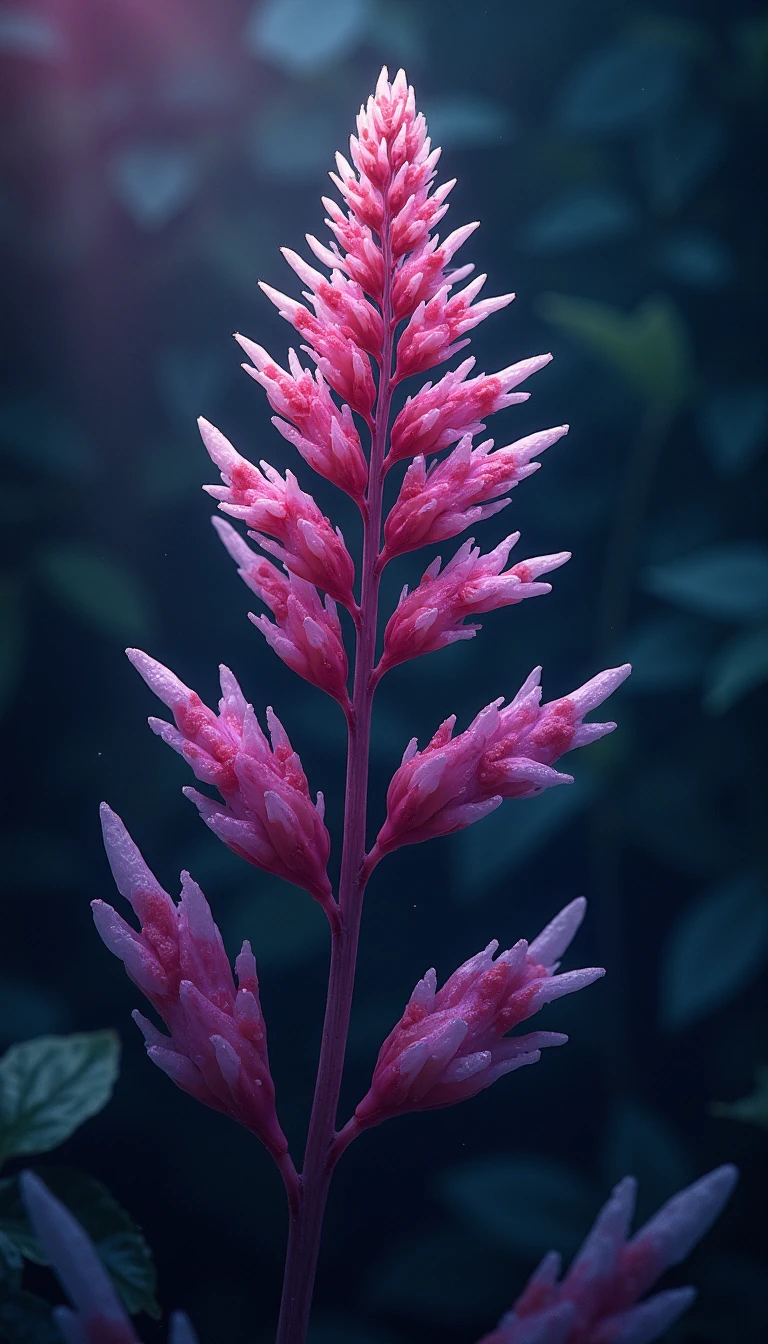 A beautiful ornamental garden plant that became one of the world's worst invasive weeds.Once prized by 17th-century gardeners for its vibrant, multi-colored flowers, Lantana camara has escaped cultivation to conquer tropical and subtropical ecosystems worldwide. This…
 Why populations stop growing: the elegant mathematics behind nature's self-limiting S-curveNature rarely grows without end. While early economists feared unchecked expansion, the logistic function reveals how resources naturally constrain growth. This S-shaped curve exp…
 Biodegradation is nature's way of recycling, but not everything is built to disappear.Biodegradation is the natural process where microorganisms like bacteria and fungi break down organic matter into water, minerals, and carbon dioxide. While nature effortlessly re…