 Intellect Plus
Society
7,726 cards. Each one is a 40-second story with a five-minute read behind it. Page 128 of 129.
Subtopics: Ancient · Basics · Charity & volunteering · Childhood · Communication · Contemporary · DIY & home improvement · Early modern · Education · Education & schools · Everyday inventions · Everyday life: General · Family and kinship · Family life · Family, kinship and interpersonal relationships · Generations · Hobbies & collecting · Home & housekeeping · Home living · Household items · Housing · International organizations · Journalists · Law · Law & justice · Law enforcement, intelligence, and security officials · Leisure & holidays · Mass media · Modern · Pets · Post-classical · Postal services · Public transport · Railways · Roads & driving · Social media & the internet · Socialites and favorites · Society · Society and social sciences: General · Sociology · Stages of life · UK & Ireland: life
 Indonesia's best-known face of Gajah Mada may come from a piggy bankIn the 1940s the writer Mohammad Yamin picked up a terracotta coin bank at the old Majapahit capital, decided its chubby, curly-haired face belonged to the great general Gajah Mad…
 France's first Socialist president of the Fifth Republic began on the far rightFrançois Mitterrand held the French presidency for fourteen years, longer than any republican head of state before him, as the Fifth Republic's first left-wing president. Yet he g…
 The last Holy Roman Emperor dissolved his own empire and kept rulingIn 1806, facing an ultimatum from Napoleon, Francis II announced that circumstances made it impossible to keep his coronation oath and declared the bond with the empire's states d…
 Franco joined the army only because Spain's navy stopped recruitingFrancisco Franco came from six generations of naval officers and expected to follow them. But after losing much of its fleet in the Spanish-American War, Spain's naval academy too…
 Francisco Morazán fought to keep Central America one nation, and lostFor about a decade, five future countries formed a single federal republic, and its dominant figure was Francisco Morazán. A largely self-taught Honduran, he served as the federat…
 Franklin Roosevelt won his first race by motoring around rural New YorkIn 1910, a young Democrat named Franklin Roosevelt ran for a state senate seat in a solidly Republican district. Acting as his own campaign manager, he toured the countryside by a…
 Ferdinand of Aragon bragged about deceiving the King of France repeatedlyWhen told that the French king accused him of cheating him twice, Ferdinand of Aragon reportedly scoffed that the man was wrong: he had done it more than ten times. The boast suit…
- Ferdinand Marcos built a political career on war medals he never earnedCampaigning in 1962, Ferdinand Marcos billed himself as the most decorated Filipino veteran of the Second World War. Researchers later found most of his combat stories inaccurate …
 Before leading a revolution, Fidel Castro ran a failing law practiceFresh out of law school in 1950, Fidel Castro co-founded a practice serving poor Cubans. It lost money. Indifferent to material things, he let bills go unpaid until his furniture …
 Haiti's Papa Doc began as a doctor fighting tropical disease among the poorIn the 1940s, François Duvalier treated Haitians suffering from typhus, yaws and malaria, and grateful patients nicknamed him Papa Doc. He kept that affectionate name for life. Ye…
 The Mona Lisa hangs in Paris because Francis I lured Leonardo to FranceWhen Francis I became king in 1515, French royal palaces held only a scattering of fine paintings and not one sculpture. He set out to change that, persuading an ageing Leonardo d…
 The Song founder who retired his own generals over a lavish banquetZhao Kuangyin seized China's throne in 960 through an army mutiny, then made sure nobody could repeat the trick. Soon after becoming emperor he threw a feast for his top commander…
 Yang Jian survived a death trap with a blank face, then reunited ChinaA suspicious emperor once summoned Yang Jian to court with orders to kill him if his face showed any trace of worry. He walked in perfectly composed and walked out alive. Within a…
 A five-year-old's boast about a golden house helped make him emperorAsked at a royal gathering whether he would like to marry his older cousin, the five-year-old prince Liu Che reportedly promised to build her a house of gold. His aunt treated the…
 An elder brother begged for days to give Xuanzong the Tang crownBy Confucian custom the throne belonged to the eldest son, but Li Chengqi wept and pleaded for days to step aside for his younger brother Li Longji, arguing that in dangerous time…
 Reading Chinese carried Cixi from junior concubine to ruler behind the curtainMost Manchu women in the Qing palace could not read Chinese. Cixi could, and an ailing emperor began having her read state papers and write out his instructions. That apprenticesh…
 The trained roofer who organised the Berlin Wall and later ruled East GermanyErich Honecker, a miner's son who once trained as a roofer, spent almost a decade in Nazi prisons, was released by Soviet troops in 1945, and sixteen years later organised the bui…
- A Spanish-raised prince who barely spoke German ended up building Habsburg AustriaFerdinand I grew up in Castile as his Spanish grandfather's favourite and did not learn German until adulthood. Yet he became the Habsburg who ruled Austria, won the crowns of Boh…
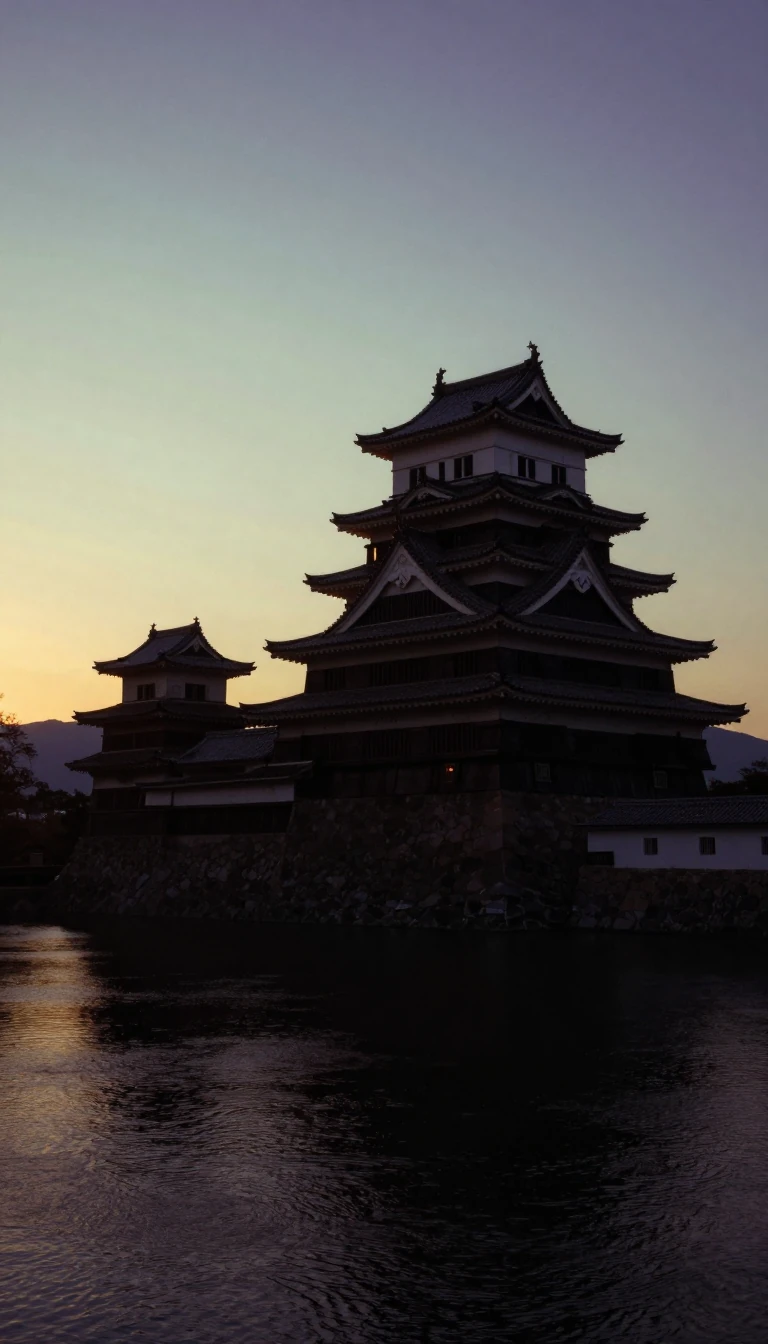 Japan's great modernising emperor was a teenage poetry student when it beganThe reign that turned feudal Japan into a world power started with a fourteen-year-old boy studying verse in a Kyoto palace. Mutsuhito, remembered as Emperor Meiji, took the thron…
 The Tang emperor whose greatness rested partly on putting up with criticismLi Shimin, who ruled China as Emperor Taizong from 626 to 649, became the model every later emperor was measured against. The historian Bo Yang credited one unglamorous habit abov…
 The Russian empress who seized power in a coup, then executed nobodyElizabeth, daughter of Peter the Great, grabbed the throne in 1741 with the army behind her and ruled for two decades without sending a single person to execution. She built the W…
 Married at seventeen, Ellen Johnson Sirleaf became Africa's first elected woman presidentEllen Johnson Sirleaf married at seventeen, raised four sons and kept books for a car-repair shop. She went on to earn a Harvard public administration degree, survive a ten-year p…
 A Sufi scholar held off a European army for seventeen yearsAbdelkader was raised to be a religious scholar, memorising the whole Quran by fourteen. Instead he spent seventeen years leading Algerian tribes against France's invasion, and hi…
- A peasant-born village rascal founded one of China's great dynastiesLiu Bang's father called him a little rascal. He dodged work, ran into trouble with the law and leaned on his brother for food. Yet this peasant's son, a minor village sheriff und…
 Japan's longest unbroken premier won a Nobel for pledges he quietly bentEisaku Satō led Japan from 1964 to 1972, longer without a break than any other prime minister. He won back Okinawa and announced that Japan would never make, own or admit nuclear …
- Eleanor of Aquitaine wore two crowns, yet almost nothing she wrote survivesEleanor of Aquitaine was queen of France, then queen of England, and mother of two English kings. She ranked among the richest people in 12th-century Europe. Yet no one wrote her …
 The shy girl her mother called Granny became the First Lady of the WorldAs a solemn child, Eleanor Roosevelt was nicknamed Granny by a mother embarrassed by her supposed plainness. Decades later, when the United Nations adopted the Universal Declarati…
 Born third in line and never expected to rule, she reigned seventy yearsWhen Elizabeth was born in 1926, her young uncle was expected to marry and push her down the succession. His abdication a decade later made her heir. She went on to reign for 70 y…
- The monarch’s power is not always a mere historical relicWhile we often imagine modern monarchs as purely ceremonial figureheads, the reality is far more nuanced. In some nations, the sovereign retains significant discretion, while in o…
- Is it greed or grievance that fuels the fires of civil war?While we often imagine civil wars as clashes of identity or religion, economic opportunity might be the true driver. New research suggests that the decision to rebel is often less…
 Adulthood mixes biology, law, and coming-of-age ritesBiologically, an adult is an animal that has finished growing and can reproduce. Legally, a human adult has reached the age of majority and is treated as independent and responsib…
- UN law calls nearly everyone under eighteen a childBiologists place childhood between birth, or infancy, and puberty, but lawyers usually mean anyone under the local age of majority. The UN Convention on the Rights of the Child dr…
- Girl entered English as gerle around 1250–1300English picked up girl between 1250 and 1300 from the Anglo-Saxon gerle, also spelled girle or gurle. For two centuries it could mean a child of either sex, and only from about th…
 Infant literally meant the one who cannot speakThe word infant comes from Latin īnfāns, a baby or child whose literal meaning is unspeaking. It usually covers the first year of life, sometimes the first two, and gives way to t…
- Middle age usually means the forties through mid-sixtiesMiddle age sits halfway between young adulthood and old age, and the usual bracket runs from 40 to 64. Other definitions stretch it from about 40 or 45 to 65 or 70, and most peopl…
- Old age is social as much as biologicalOld age covers the years as people approach and pass life expectancy, yet which birthday counts as old has shifted across cultures and eras. Older bodies regenerate less and suffe…
- Young adult brains keep maturing past age twenty-fiveYoung adulthood follows adolescence, sometimes overlapping it, and nobody agrees exactly where it ends. The US Census Bureau counts ages 18 to 34, cancer researchers stretch the s…
- Adolescence bridges puberty’s hormones and legal adulthoodFrom Latin adolescere, “to mature,” adolescence spans puberty toward adult status—often the teens, though biology and law disagree on edges. Girls typically enter puberty around 1…
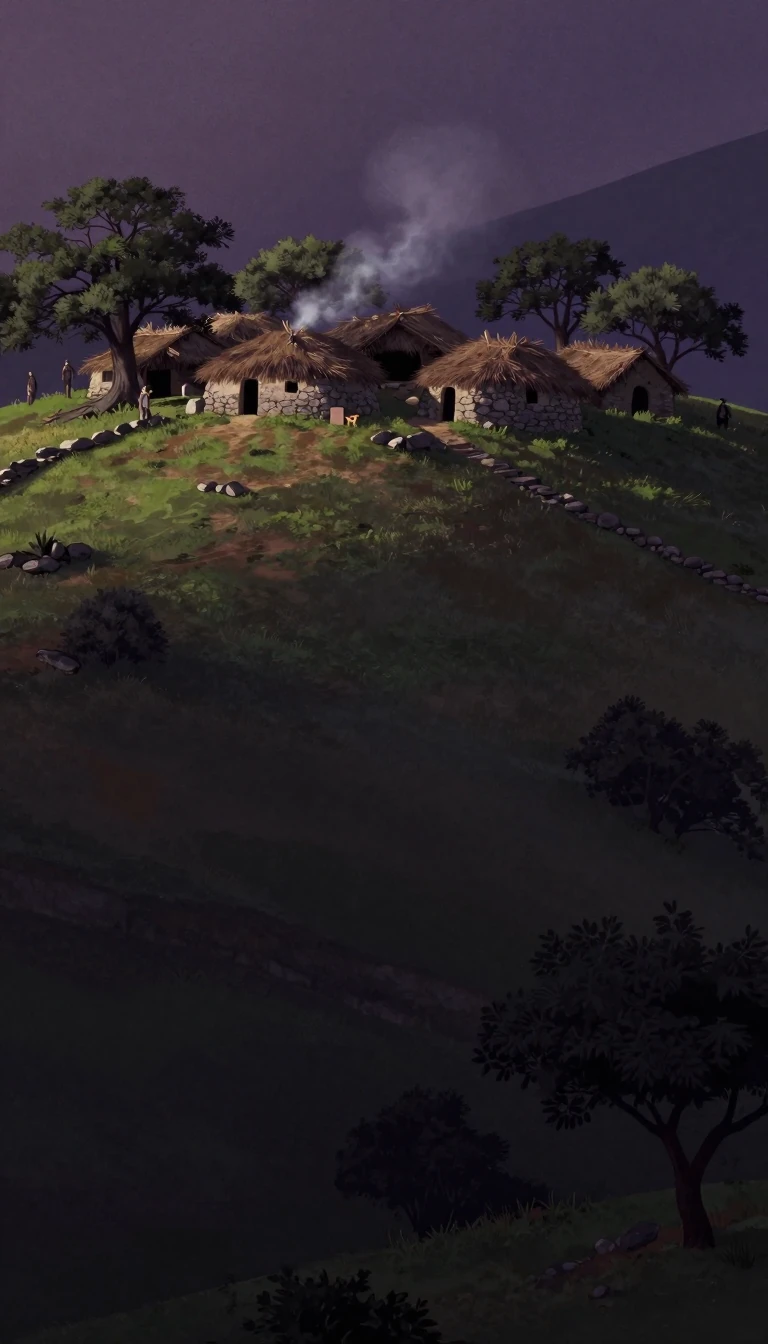 Homes began in caves long before mudbrick courtyardsA home is a lasting or semi-lasting shelter for people—and sometimes pets—where sleep, cooking, and hygiene happen. Forms range from apartments and yurts to virtual spaces. Eviden…
- Japan’s Keiunkan inn has welcomed guests since 705 CEHotels sell short-term lodging, from spare mattresses to suites with kitchens. Medieval inns and later coaching inns paved the way; modern hotels diversified into motels, boutique…
 Finnish saunas began as heated pits dug into slopesA sauna is a room for dry or wet heat that makes bathers sweat. The Finnish word is ancient; Western forms grew from slope pits with fire-heated stones. Industrial stoves later pu…
 Tents scale from solo bivouacs to circus canvases for thousandsA tent shelters with fabric over poles or ropes, pegged when large. Iron Age texts mention them; Romans used leather versions; canvas later lightened armies. Plains tipis, with sm…
 Soft mattresses and private bedrooms are surprisingly recent comfortsA bedroom is mainly for sleeping—beds, closets, nightstands—yet its comforts are recent. Medieval laborers slept on hay-stuffed mats; feather mattresses spread in the 1500s; coil …
 A fence draws a boundary without a continuous foundationFences enclose outdoor space with posts linked by boards, wire, rails, or netting. Unlike walls, they lack a solid foundation along their whole length. Uses stretch from livestock…
 Garage entered English in 1902 from French for shelterA residential garage is a walled, roofed place—attached or detached—for storing cars, often with doors, remote openers, and leftover room for tools. Architect Charles Harrison Tow…
- Flat, unit, mansion: one dwelling, many name tagsAn apartment—or flat, or unit—is a self-contained home inside a larger building. Tenure spans public housing, condominiums, cooperatives, leaseholds, and private rentals. Elevator…
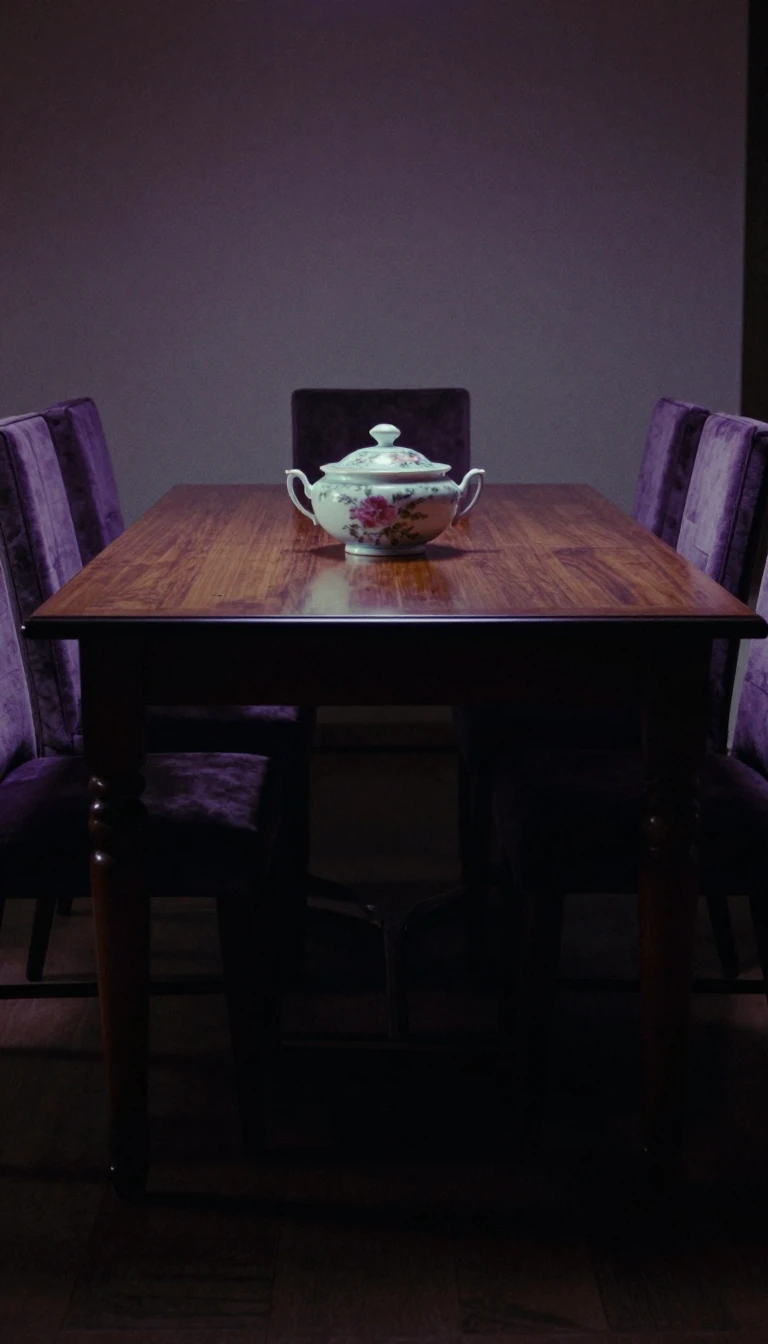 Table forks took fifteen centuries to feel normalThe Latin root names a pitchfork, yet the dining tool arrived late. Bone tines appear in Bronze Age China; Mycenaean graves held bronze examples. Byzantine diners used personal fo…
 Moveable goods began as stumps, then carved thronesFurniture props up sitting, eating, storing, working, and sleeping—or holds tools at handy height. English borrows the French word for supplies, while Romance languages keep Latin…
- Soft pillows followed stone headrests and ape nestsA pillow cushions head or body inside a fabric shell stuffed with natural or synthetic fill. The English word descends from Latin pulvinus via Old English, attested before the twe…
- Dinner plates grew sixty-five percent since the year 1000A plate is a broad, mostly flat vessel for serving or ceremony—usually round with a raised edge. Western meals default to plates unless food is too liquid, then bowls win. Estimat…
- Home showers stayed rare until the nineteen-seventiesA shower rinses a standing body under adjustable spray with a floor drain. Waterfalls and jug pours came first; Greek aqueducts fed communal rooms, then plumbing collapsed with Ro…
- The modern spoon bowl settled around seventeen sixtyA spoon pairs a shallow oval or round bowl with a handle for eating, measuring, stirring, and serving. Old English spon meant chip. Egyptian ivory and wood examples carry religiou…
- Tables rose from Egyptian stone platforms to drop leavesA table lifts a flat top on one to four legs, sometimes more, for working, eating or setting things down. Most stand eighteen to thirty inches high to suit the seats beside them. …
- Cutlery once meant knives until forks joined the table setCutlery covers utensils for serving and eating—originally knives, while forks and spoons counted as silverware—within broader flatware or tableware. Before mid-nineteenth-century …
 Copper palace pipes were already bathing tech by 3300 BCA bathtub holds water for human or animal washing; modern shells use acrylic, porcelain-enamelled steel or iron, or fibreglass-reinforced polyester. Documented early plumbing reac…
- Grass bedding from 200,000 years ago rewrote sleep archaeologyA bed is furniture for sleep, rest, and ease. In August 2020 scientists reported the oldest known grass bedding at least 200,000 years old—far earlier than prior records—while Sib…
 Fine cabinets were rare luxuries in the West before 1650Cabinets are boxy household cases—shelved or drawered—built to stash or show belongings, either freestanding or fixed to a wall, and usually built from timber or engineered wood. …
 Carpet widths still follow factory looms, not room whimsCarpets and rugs are textile floor covers with a pile layer on a backing—traditionally wool in Europe, now often polypropylene, nylon, or polyester. U.S. broadloom commonly runs 1…
 Chairs stayed rare status seats until the sixteenth centuryA chair seats one person with legs, a seat, and a backrest in wood, metal, or synthetics, often padded. English chair comes via Old French from Latin cathedra and Greek kathedra. …
 Chopsticks have seasoned Sinosphere tables for three millenniaChopsticks are matched equal-length sticks used as kitchen and eating tools across most of the Sinosphere for over three thousand years. Held in the dominant hand as finger extens…