 Intellect Plus
Computing and information technology
457 cards. Each one is a 40-second story with a five-minute read behind it. Page 8 of 8.
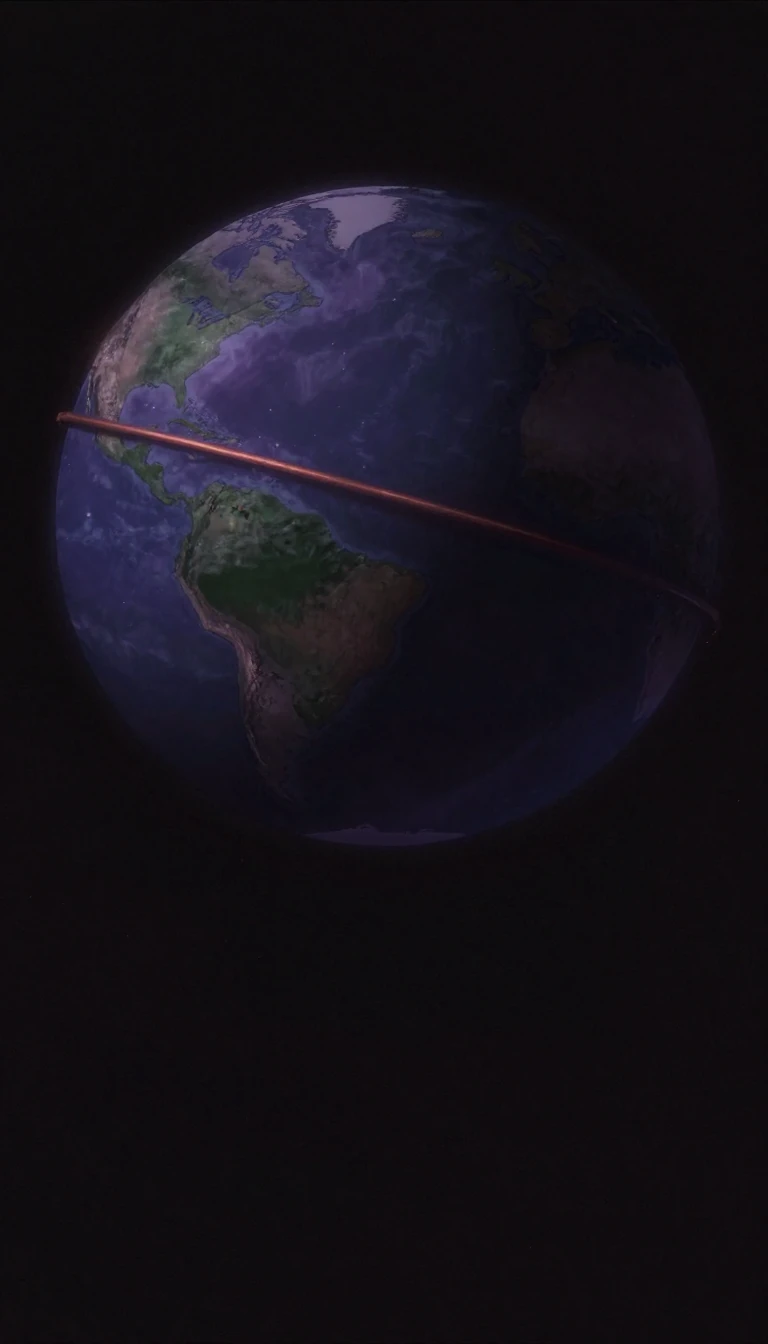 The internet began as two linked computers in California in 1969On 29 October 1969, a computer at the University of California, Los Angeles was connected to one at the Stanford Research Institute. That two-node link was the first piece of ARPA…
 CSS let web pages change their whole look by editing one fileEarly web pages carried their fonts, colours and borders inside the markup, repeated wherever they appeared. Want every heading blue instead of red? You hunted down each one. Casc…
 The first electrical data links were digital long before computers existedIt is tempting to think digital communication began with computers. Yet the electrical telegraph of 1809 and the teletypewriter of 1906 both sent discrete, digital signals, and th…
- In 1986 barely one percent of stored information was digitalWithin about two decades, the world flipped from storing its information mostly on paper, film and tape to storing almost all of it digitally. Around one percent of global storage…
- Before Edgar Codd, finding data meant following a trail of pointersEarly databases worked like a maze: to reach a record, programs followed links from one entry to the next, often via physical disk addresses. In 1970 an IBM researcher named Edgar…
 Early memory cards cost 100 dollars per megabyte and needed batteriesSome of the first PCMCIA memory cards held just 1 to 5 megabytes at around 100 dollars per megabyte, and many relied on a lithium battery to keep their contents alive. In 1992 San…
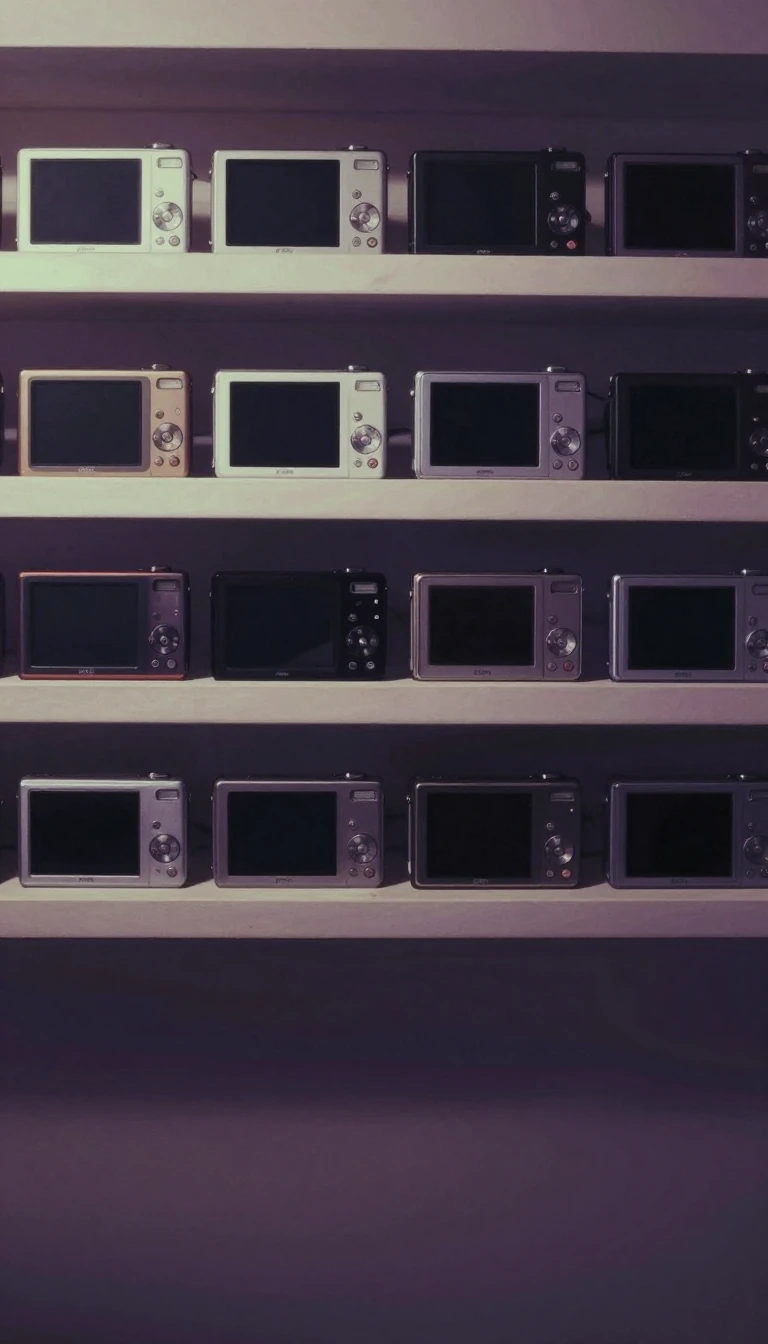 Your smartphone isn't really mobile; you areStrictly speaking, a smartphone is not a mobile device at all. It goes nowhere on its own; the person carrying it does the moving. Truly mobile computers move themselves, like rob…
 Microsoft bought the system that became MS-DOS for 25,000 dollarsIn July 1981, Microsoft needed an operating system for IBM's upcoming personal computer, so it bought one: 86-DOS, written by Tim Paterson at Seattle Computer Products, for 25,000…
 Object-oriented programming grew from simulating ships in Norwegian cargo portsBetween 1961 and 1967, Norwegian researchers built Simula, a language mainly for physical modelling, such as tracking ships and their cargo through ports. Along the way it introdu…
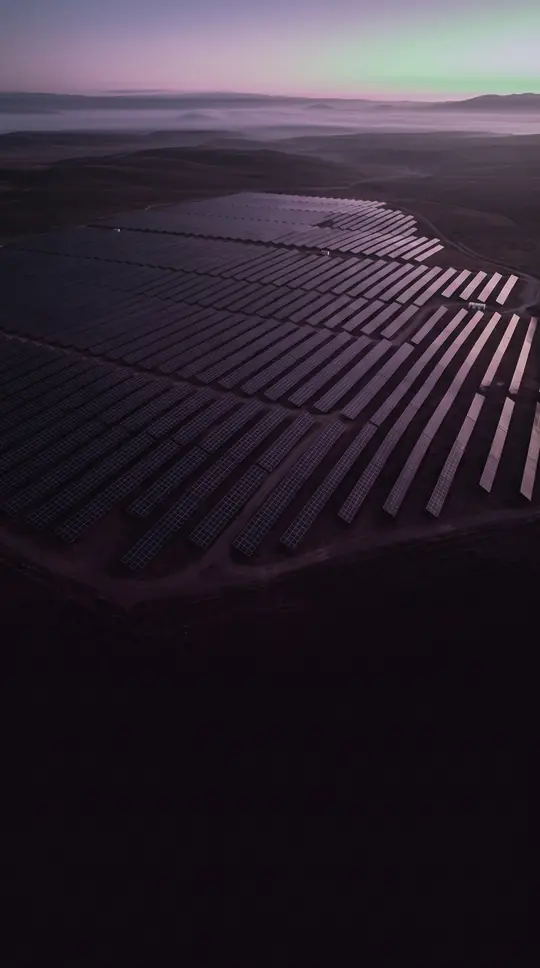 The term 'open source' was coined to dodge the word 'free'Programmers had shared source code since the 1950s, and a free software movement took shape in the 1980s. But 'free' confused people, meaning both liberty and no cost, and made bu…
 Java was first named Oak, after the tree outside its creator's officeWhen James Gosling, Mike Sheridan and Patrick Naughton started their language project at Sun Microsystems in June 1991, Gosling named it Oak after a tree visible from his office. …
 JavaScript got its name as a marketing ploy, not from JavaBrendan Eich's new browser language first shipped in a Netscape beta in September 1995 as LiveScript. By the official release that December it had been renamed JavaScript, riding …
 A Helsinki student's hobby kernel now runs every top supercomputerIn 1991 Linus Torvalds, a University of Helsinki student frustrated that the teaching system Minix was restricted to education, began writing his own operating system kernel. He r…
- An early 1960s learning machine had a 'goof' button for mistakesRaytheon's Cybertron, built by the early 1960s, stored its memory on punched tape and learned to recognise sonar signals, heart traces and speech through repeated coaching by a hu…
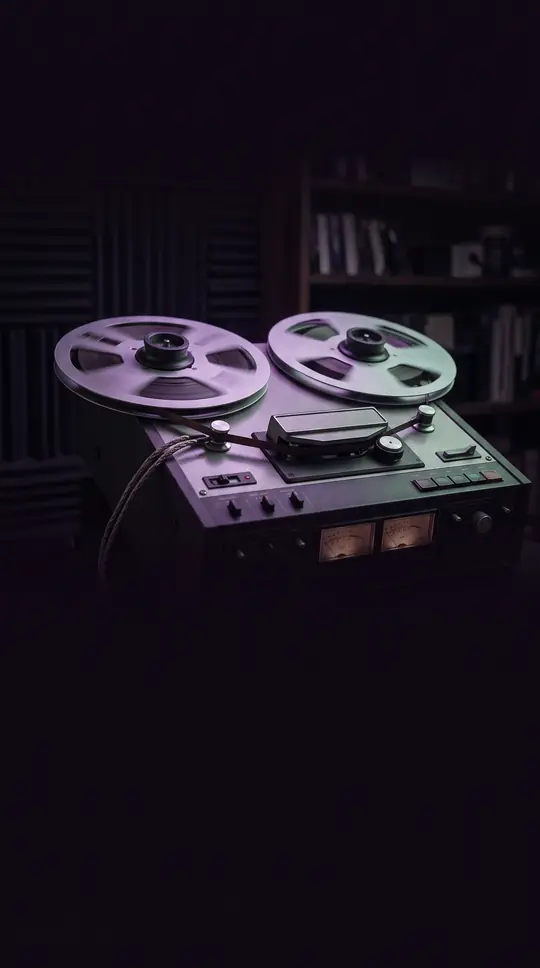 Allied troops only discovered Germany's tape recorders at war's endDuring the Second World War, Allied listeners monitoring Nazi radio realised Germany had some new way of recording broadcasts, but they could not work out what it was. The answer,…
 Computer viruses began as a theory by John von NeumannLong before anyone wrote a virus, the mathematician John von Neumann showed in theory that a program could copy itself. Fred Cohen later confirmed it experimentally and wrote a 19…
 Heat, not ambition, pushed every computer into doing many things at onceFor about two decades, chips got faster mainly by ticking faster. Then power use and heat hit a wall, and on 8 May 2004 Intel cancelled two planned processors, a moment often cite…
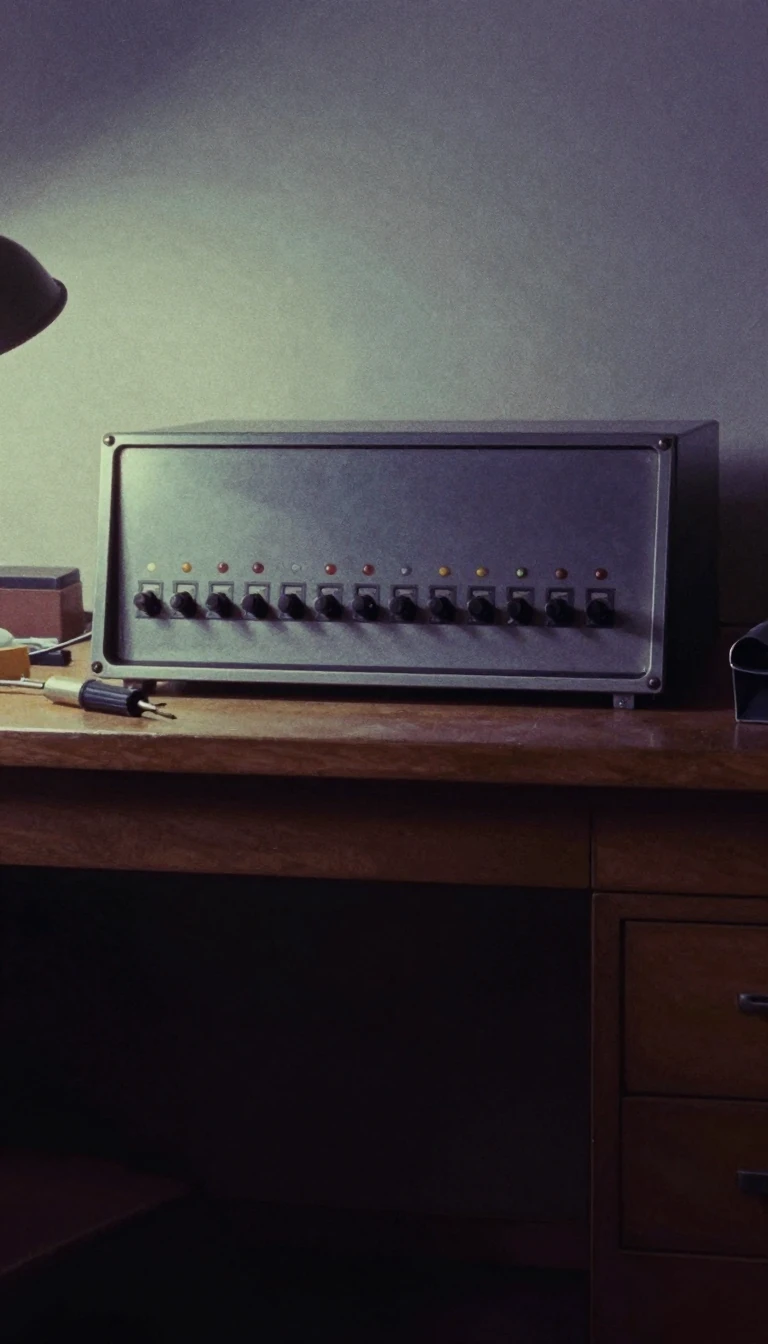 The first Apple computers shipped without a case, keyboard or power supplyWhen a shop owner ordered 50 Apple I computers in 1976, he insisted they arrive assembled, not as a kit for solder-wielding hobbyists. What Steve Jobs and Steve Wozniak delivered …
 The word pixel entered print through pictures from Moon and Mars probesIn 1965 Frederic Billingsley of the Jet Propulsion Laboratory used the word pixel in print to describe the dots making up scanned images sent back by space probes. He had picked i…
 A language few people used became the ancestor of Java, C and PascalALGOL, released in 1958 and revised in 1960, never sold well. Yet it became the standard way to describe algorithms in computing journals, and most of today's popular imperative l…
 Programming styles are defined as much by what they ban as by what they allowStructured programming outlawed the goto statement. Pure functional programming forbids side effects. Each new way of writing code is partly a list of prohibitions, which is why v…
 The first stored-program computer was built mainly to test its memoryOn 21 June 1948, a machine in Manchester nicknamed the Baby ran the first program ever held in electronic memory. The Baby was not the main goal. Engineers built it as a testbed t…
- Read-only memory spent fifty years learning how to be rewrittenThe Apollo Guidance Computer stored its programs by threading wires through tiny magnetic rings, a memory nobody could change once woven. Early chip-based ROM was just as permanen…
 Routers began as gateways that deliberately refused to guarantee deliveryThe designers of the first internet gateways made a surprising choice: their devices would pass data along without any promise that they arrived. Checking and resending would be l…
 A teaching operating system from 1987 now hides inside most Intel chipsMINIX was written in 1987 as a stripped-down version of UNIX so students could study how operating systems work. It went on to inspire Linux, and since 2008 it has quietly run on …
 Alexander Graham Bell stored sound on a glass disc with light in 1884A century before the compact disc reached shops, Alexander Graham Bell, his cousin Chichester Bell and Charles Sumner Tainter used a light beam to record sound onto a disc of glas…
- The Web holds over a billion websites, yet most of them are ghost townsIn August 1995 there were fewer than 20,000 websites in the world. By September 2014 the count had passed a billion. Yet the headline figure hides a strange truth: roughly 85 perc…
 Wi-Fi does not really stand for anything, and three countries claim its inventionMany people assume Wi-Fi means wireless fidelity. In truth, branding firm Interbrand picked it from ten candidates because it sounded like hi-fi, and because anything was catchier…
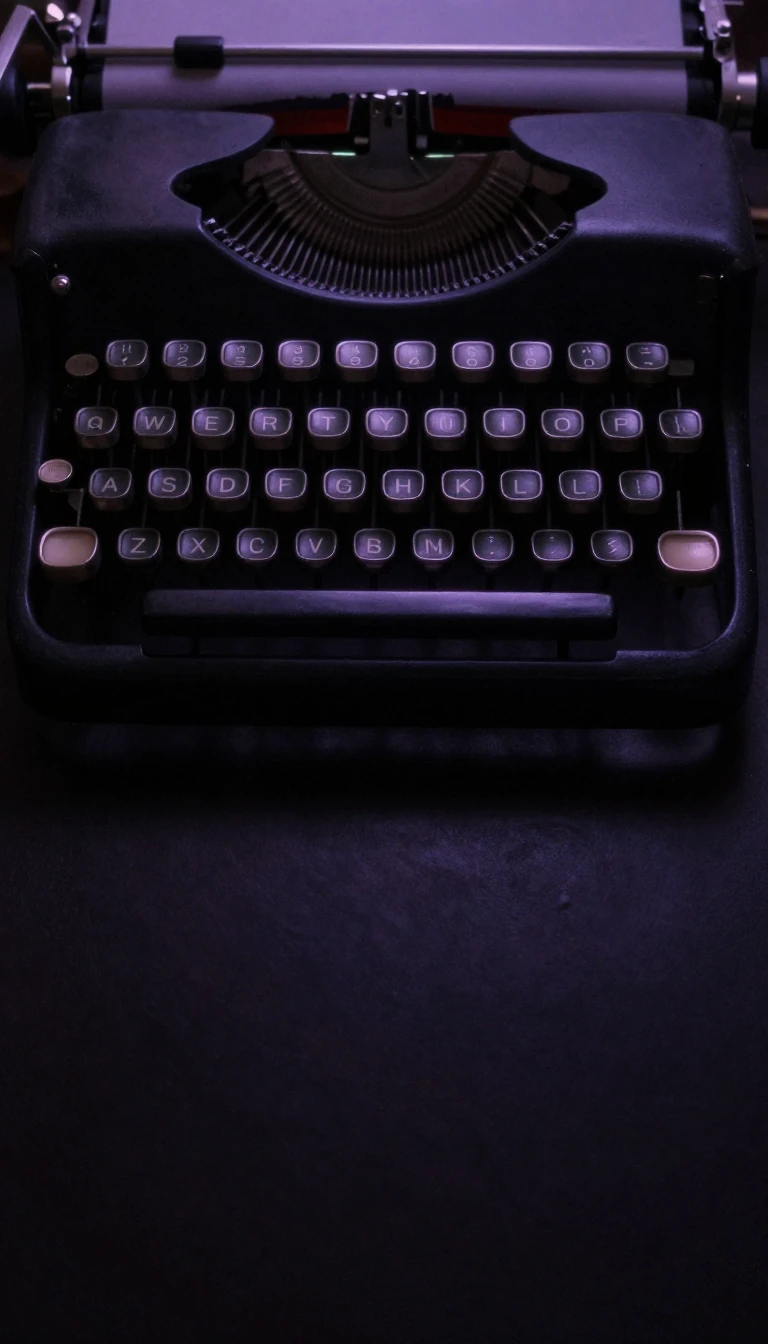 Japan leapt straight from handwriting to word processors, skipping the typewriter ageWestern offices moved from typewriters to computers. Much of Japan never had the typewriter stage at all. With thousands of characters to handle, Japanese typewriters were a speci…
 Online chat rooms and message forums were running on a campus network in the 1960sLong before Facebook, a teaching network called PLATO, launched at the University of Illinois in 1960, offered message forums, instant messaging, a crowdsourced newspaper and Talk…
 Writing a program is the cheap part; keeping it alive costs far moreOver the whole life of a software product, maintenance is estimated to swallow 75 percent or more of the total cost. Fixing bugs discovered after release, adapting to new hardware…
 Two fresh Harvard graduates built the first electronic spreadsheet for phone company budgetsIn the summer of 1969 Rene Pardo and Remy Landau, just out of Harvard, decided a Bell Canada budget manager should not need programmers every time a form changed. Their program, L…
 Seymour Cray bet on oxen over chickens, and the chickens eventually wonSeymour Cray, who built the world's fastest computers for decades, scoffed at machines made from swarms of small processors. Would you plough with two strong oxen, he asked, or wi…
 The finger-operated touchscreen was born in a British radar lab, not Silicon ValleyDecades before smartphones, Eric Johnson at the Royal Radar Establishment in Malvern, England, built a screen that responded to a bare fingertip. He described his capacitive desig…
 Unix began as a small, cheeky rebellion against an overgrown operating systemIn the late 1960s Bell Labs researchers walked away from Multics, an ambitious time-sharing project with MIT and General Electric that had grown huge and unwieldy. Ken Thompson, D…
- Early computer users waited days for answers, and the machine never adapted to themImagine typing a program onto stiff cards, dropping the deck in a queue, and learning a day later that one typo ruined everything. In the batch era of computing, processor time wa…
- Browser empires rise and fall fast: Internet Explorer once held over 95 percentIn the early 2000s nearly every web page on Earth was opened in Microsoft's Internet Explorer, whose share topped 95 percent. Barely a decade later it was being retired. The histo…